- The Pedigree: A high-octane Metroidvania from Hamlet Games, a tiny but tenacious studio out of Beaverton, Oregon.
- The Journey: Four years in the making, fueled by a successful Kickstarter campaign that smashed its goals within the first week.
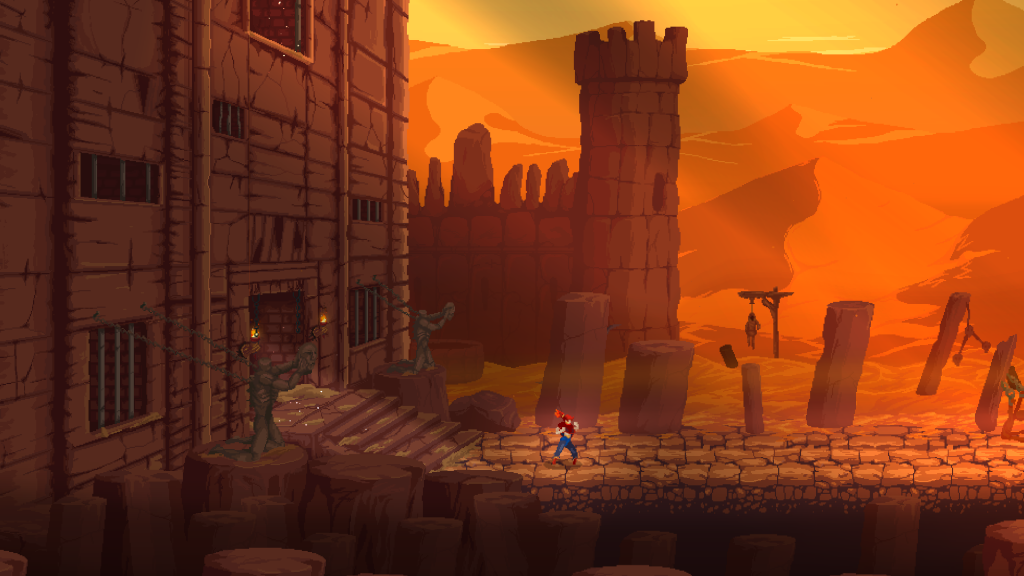
- The Setting: The ruined Kingdom of Elsinore, a land of ash, elemental gods, and forgotten machinery.
- The Launch: Officially released on Steam on February 24, 2026, to critical and community acclaim.
For indie enthusiasts, some games occupy the “Wishlist graveyard,” but Emberbane has officially defied the odds. Without a major publisher or a massive marketing machine, Hamlet Games has delivered a sprawling, elemental epic that proves passion and community support are the best dev tools available.
A Spark in Oregon: The Hamlet Games Story
Hamlet Games isn’t a corporate giant; they are a small team that decided to “go big or go home” on a single vision. Their Kickstarter journey saw 1,154 backers pour over $32,000 into the project—nearly triple their original goal.
Through every hurdle and delay, the team maintained a transparent dialogue with their supporters. “We’ve finally reached a point where we can proudly present the result of our labor,” the studio shared upon release. The final product includes the much-anticipated Boss Rush Mode, a stretch goal that the community fought for during the funding phase.
The World of Elsinore: Beauty in the Ashes
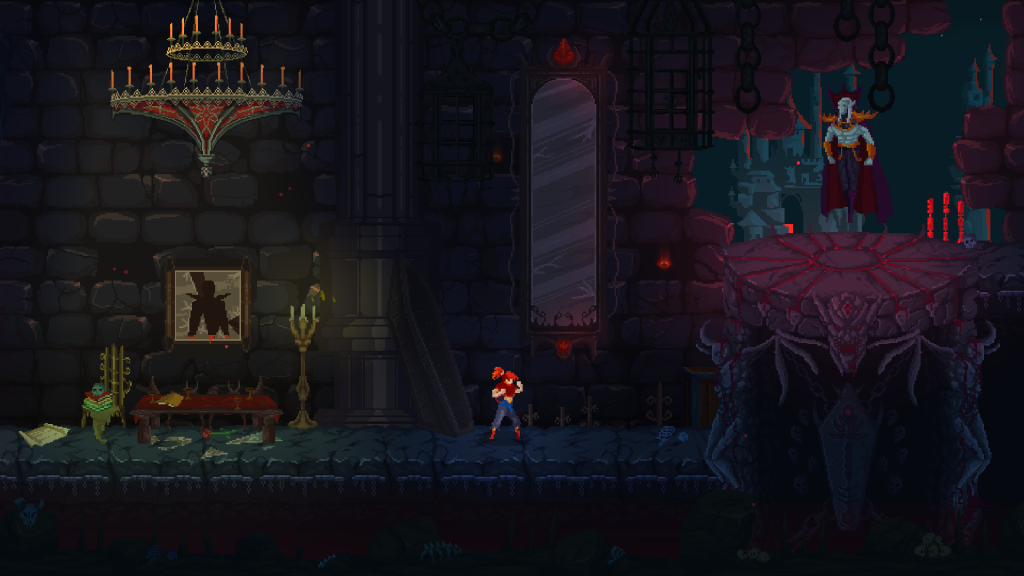
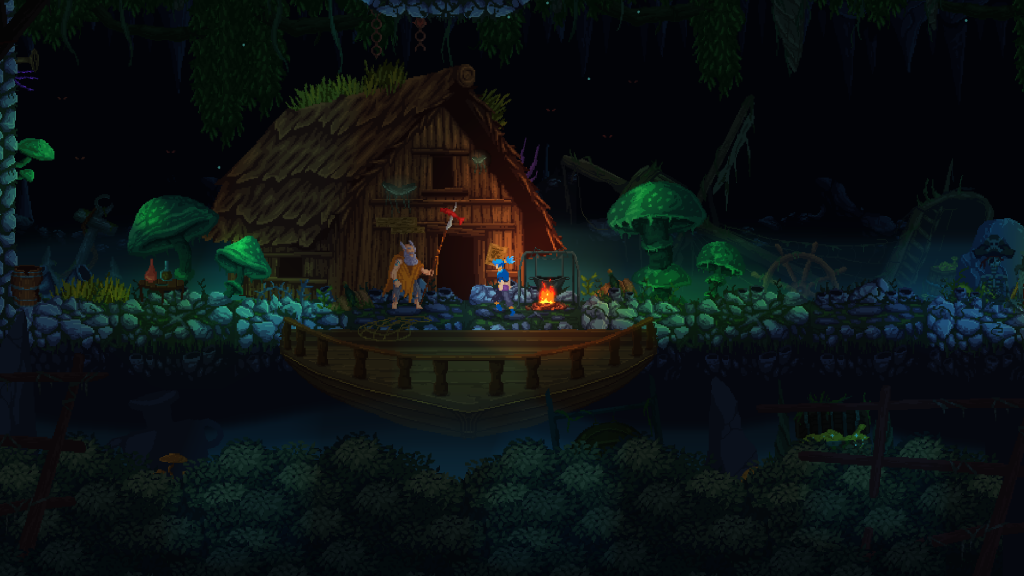
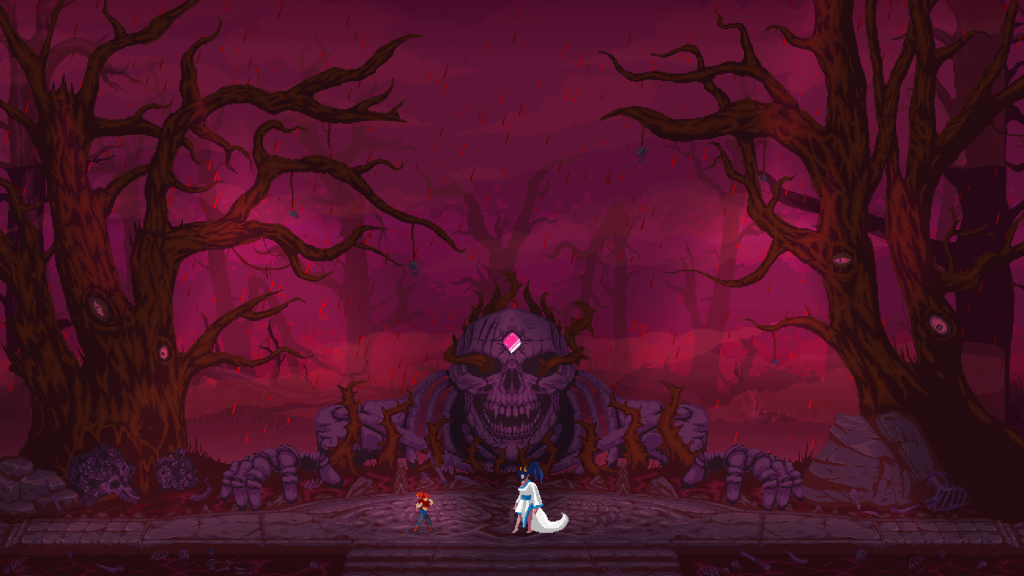
Players step into the boots of Ophelia, a warrior bound by flame and betrayal. The world of Elsinore is no longer the throne of bounty it once was; it is a graveyard of kingdoms. Ophelia must hunt down corrupted elemental gods to restore balance to a world that feels as though it’s breathing its last.
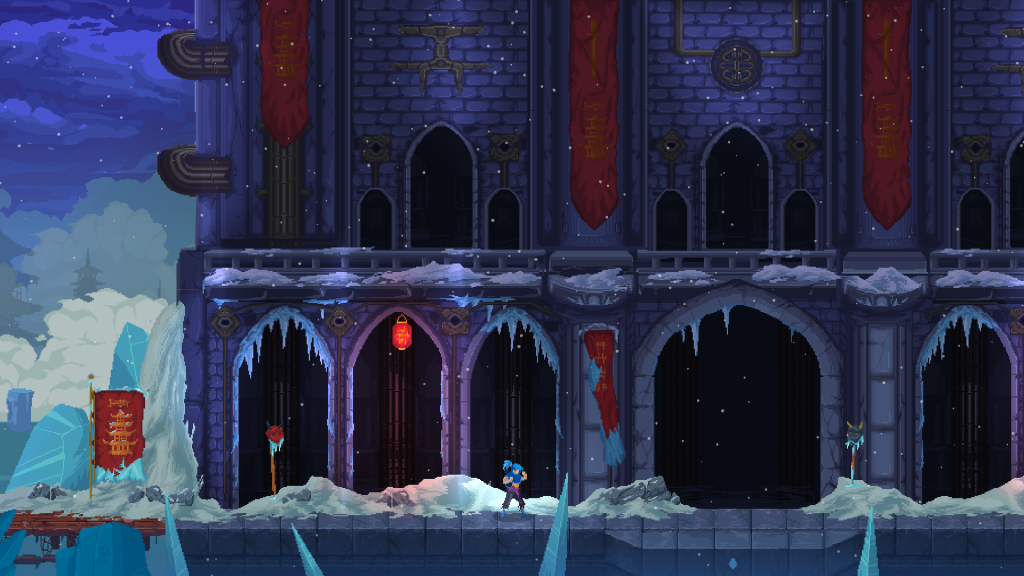
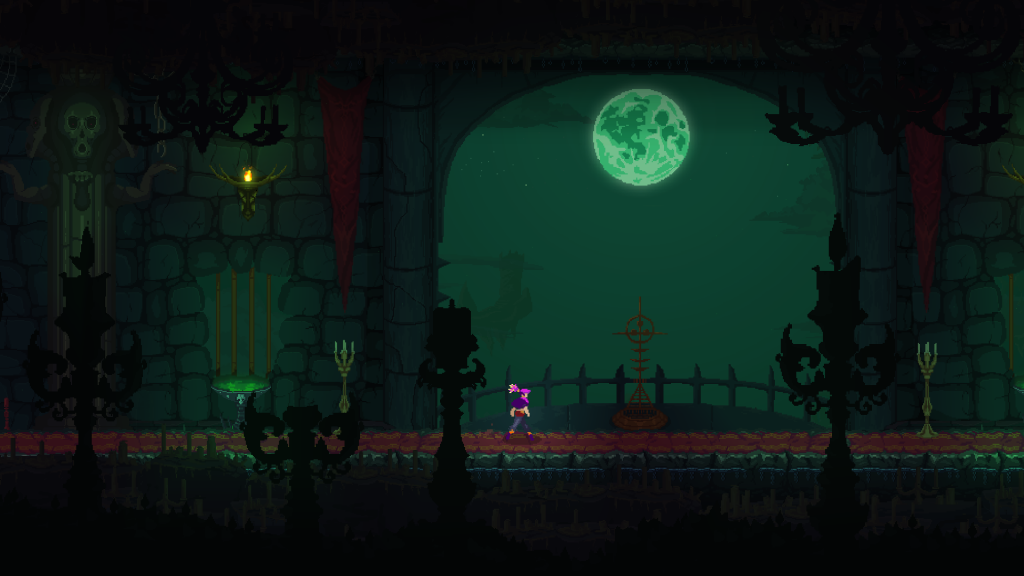
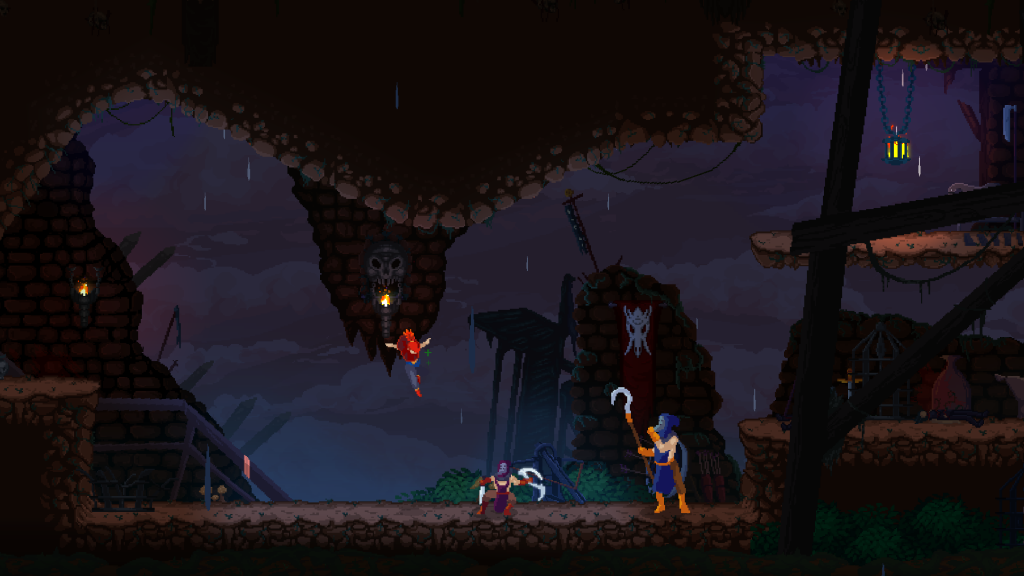
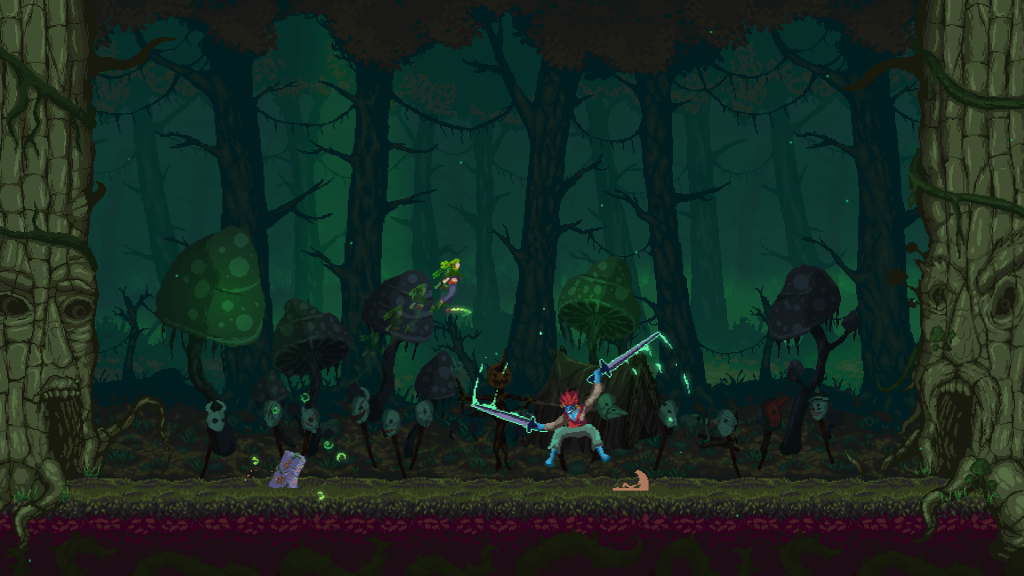
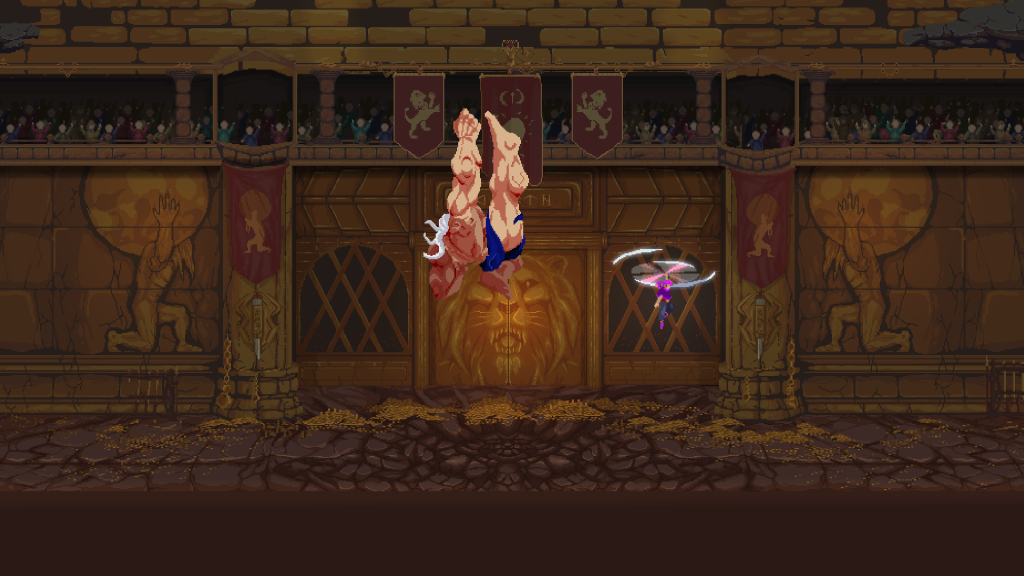
- Dynamic Pixel Art: This isn’t just “retro” for the sake of nostalgia. Emberbane features a lighting system that casts shadows on individual pixels and “micromotions” where grass and water react to Ophelia’s every step.
- Atmospheric Audio: The game swaps between a sweeping orchestral score and gritty synthwave, perfectly capturing the transition between ancient ruins and floating mechanical cities.
Gameplay Profile: Emberbane
| Feature | Details |
| Genre | Action-Adventure / Metroidvania / Soulslike |
| Combat | Elemental Combo System (Fire, Water, Earth, Air) |
| Difficulty | High-tension AI patterns with Soulslike recovery mechanics |
| Playtime | 15 hours (Main Story) / 40+ hours (100% Completion) |
| Replayability | Four distinct endings based on player choices |
| Platform | PC (Steam) |
Combat: Master the Four Elements
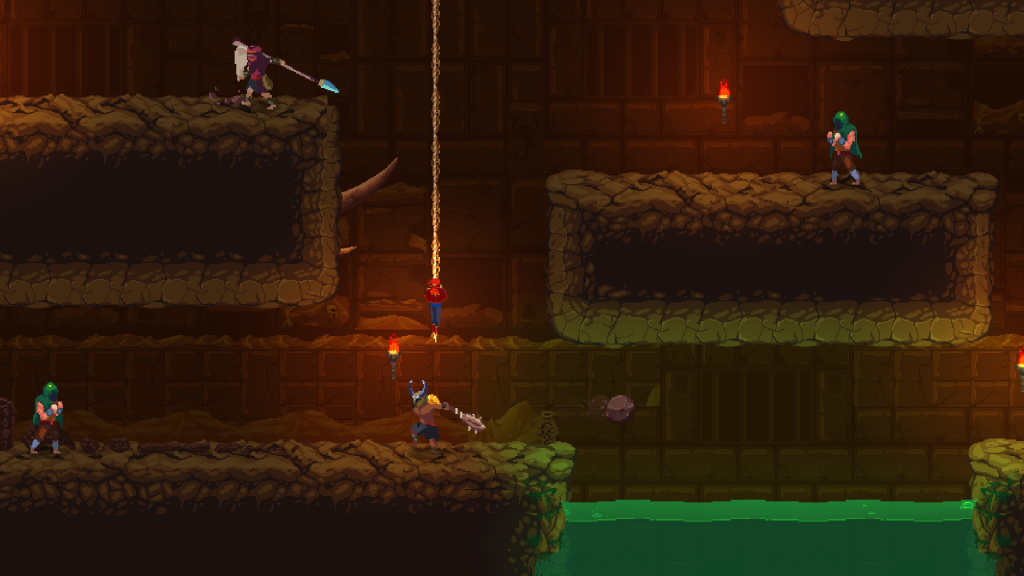
The heart of Emberbane lies in its combat fluidity. Ophelia can switch between Fire, Water, Earth, and Air on the fly to chain together devastating combos.
- The Soulslike Twist: When you die, you leave behind your “Soul.” If you fail to retrieve it and die again, it transforms into a Shadow Enemy that you must defeat to reclaim your lost progress.
- Legacy Bosses: These aren’t just damage sponges. Each major boss acts as a “living puzzle,” requiring players to exploit elemental weaknesses and master precise platforming to survive.
Community Verdict: A 16-Bit Masterpiece
With over 70,000 wishlists before launch, the reception has been electric. Fans are calling it the perfect marriage of Celeste’s platforming precision and Dead Cells’ combat speed. While the Steam community has already begun providing constructive feedback on UI readability and further localization, the overarching sentiment is one of awe for what a small team has achieved.
Emberbane isn’t just a game; it’s a testament to indie perseverance. It’s a dark, beautiful, and punishing journey that rewards every ounce of effort you put in.
Steam Store Page: Emberbane on Steam