By IndieGame.com Desk | Updated: January 2, 2026
The Reality of the Numbers: 20,000 vs. 200,000
The G-STAR Organizing Committee reported approximately 20,000 visitors to the Indie Showcase over four days. While the number seems significant, it represents only 10% of the total 200,000 attendees. Furthermore, because the showcase lacked a separate registration or check-in system, critics argue this figure might be an estimate based on the total traffic of the 2nd Exhibition Center rather than dedicated indie fans.
Location, Location, Location: Tucked Away in the Corner
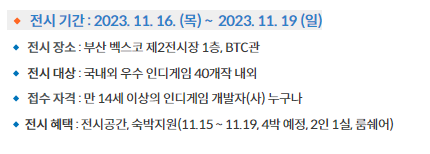
The most glaring issue was the physical placement of the showcase. While the 1st Exhibition Center buzzes with the energy of major AAA publishers, the Indie Showcase was relegated to the furthest corner of the 1st floor of the 2nd Exhibition Center. For a genre that thrives on discovery, placing it so far from the main foot traffic suggests a lack of prioritization by the organizers.


Stove Indie: The Saving Grace of Operations
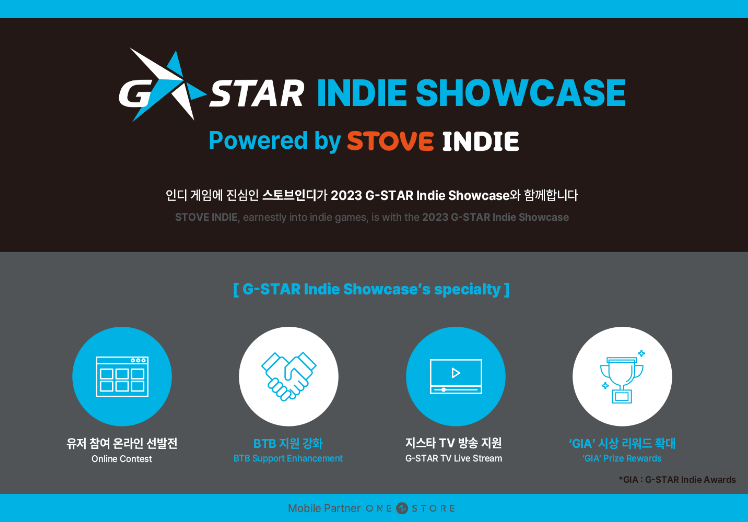
Despite the venue’s shortcomings, the operational quality was a standout success. This was largely thanks to the partnership with Stove Indie. By deploying professional staff with years of experience in managing indie-specific events, the showcase maintained a high level of polish. Stove Indie’s sincere commitment to the indie scene provided a much-needed backbone for the participating developers.

From BIC Collaboration to Independence
2023 marked the year G-STAR moved away from its long-standing joint pavilion with the Busan Indie Connect (BIC) Festival. While this move signaled an attempt at “independence,” it also forced developers to choose between two major events held at the same venue (BEXCO) within just a few months (August and November). This redundancy places a significant logistical and financial burden on small-scale creators.
The Road Ahead: Treat Indies as a Main Pillar
For G-STAR to truly foster the K-Indie scene, a fundamental policy change is required.
- Main Stage Integration: Move indie games from the “backroom” of Hall 2 to the heart of the main exhibition halls.
- Global Connectivity: Use G-STAR’s platform to invite global buyers specifically for indie IP, rather than just general BTB matchmaking.
- Interaction over Exhibition: Focus on creating spaces for meaningful exchange between developers and users, which is the essence of any indie festival.
Indie games are the seeds of the next global hit. For G-STAR to remain a premier global game show, it must treat these seeds with the respect they deserve—starting with a better seat at the table.
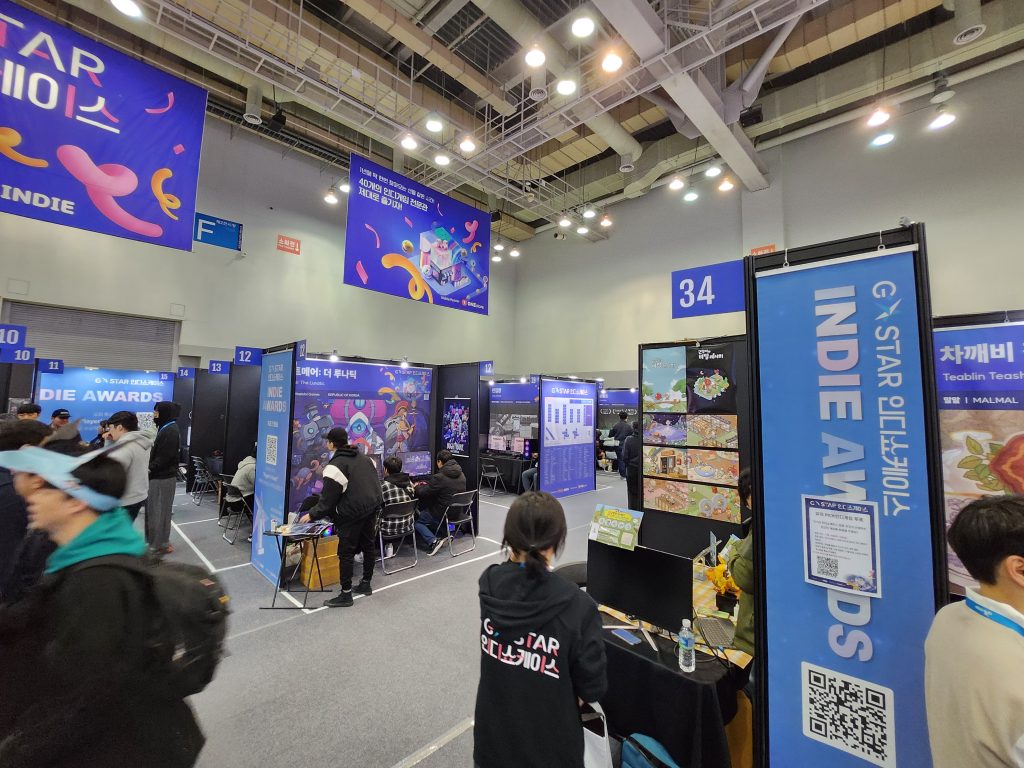
We hope that G-Star can be the starting point and main stage for Korean indies to become global stars.