By IndieGame.com Desk | Updated: January 2, 2026
While the Korean game industry has grown into a global powerhouse generating over 20 trillion KRW in annual revenue, the reality for small and mid-sized developers is often grim, overshadowed by high marketing costs and market polarization. In these challenging times, we must look back at the roots of indie games—the true light and hope for the future of K-games.
1. The 1990s: The Era of “Amateur” Development
In the 90s, the term “Indie Game” didn’t even exist in Korea. Instead, they were called “Amateur Games.”
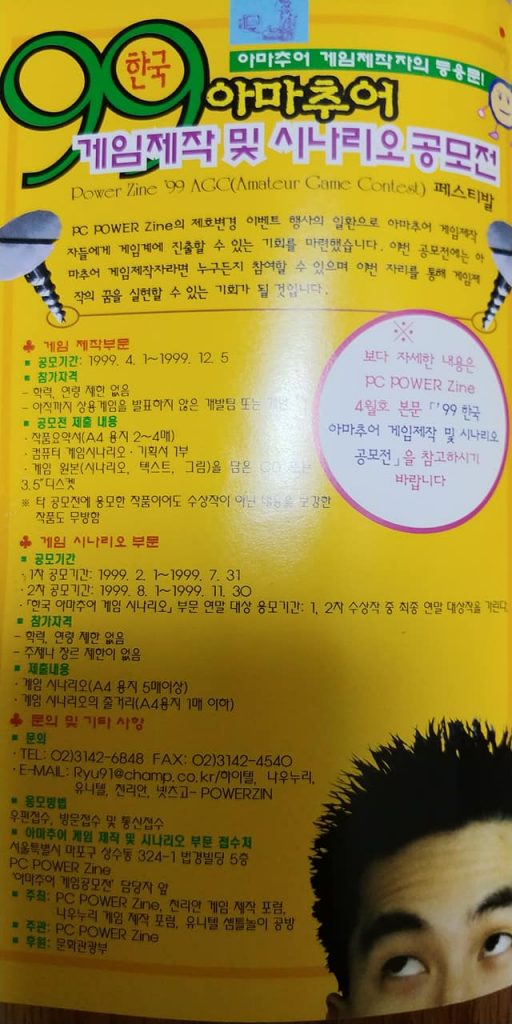
- 1999 – Jeu Media’s AGC: The first major milestone was the Amateur Game Production and Scenario Contest hosted by Jeu Media.
- The Pioneers: Legendary first-generation developers from companies like Sonnori, Trigger Soft, and CCR served as judges, planting the seeds for future talent.
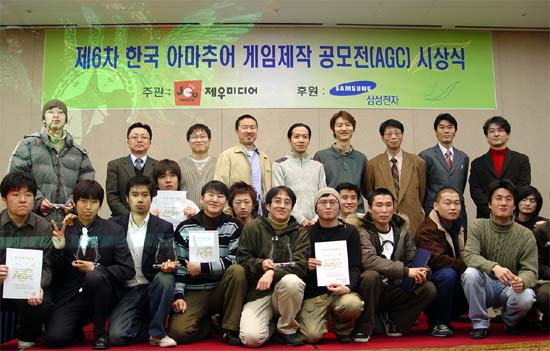
- Expert Insight: “The effort to discover and support indie developers has been a consistent part of the industry since the late 90s, long before the industrial foundation was even fully formed,” recalls Professor Jung Mu-sik of Gachon University, who participated as a judge in the 6th AGC.
2. The 2000s: From Amateur to Institutionalized Contest
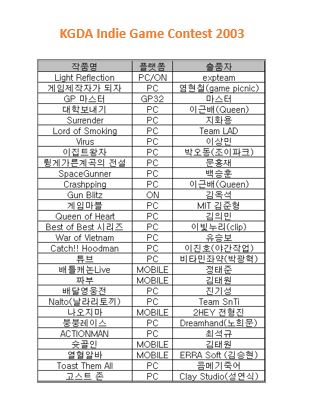
The Korea Game Developers Association (KGDA) took the baton in 2003, launching the 1st Korea Indie Game Contest in conjunction with the Korea Game Conference (KGC).
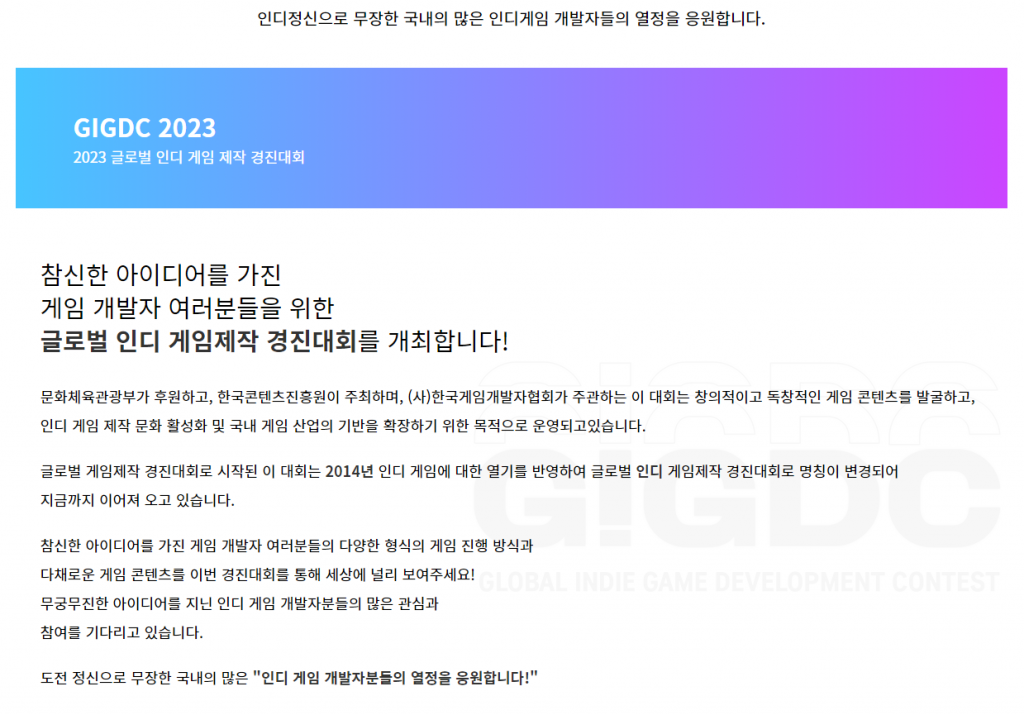
- The Birth of GIGDC: Eventually, this evolved into the Global Indie Game Development Contest (GIGDC), now the premier cradle for discovering talent, receiving over 300 entries annually from middle schoolers to university students.
3. The 2010s to Present: A Flourishing Ecosystem of Festivals
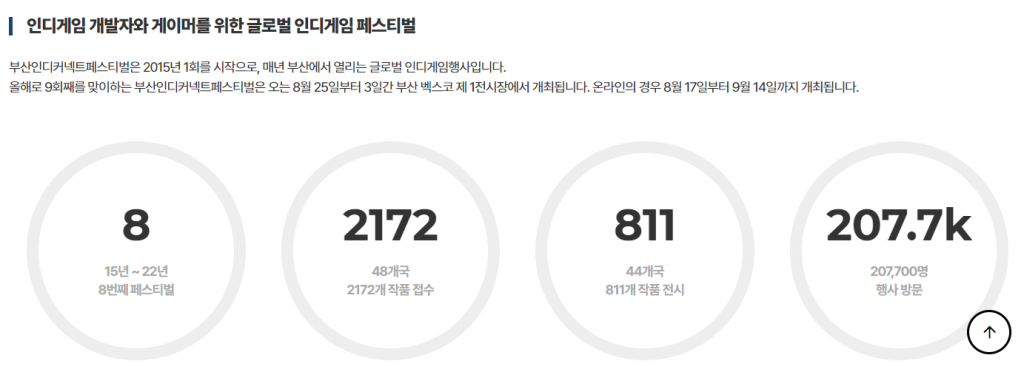
If GIGDC is the “nurturer,” then BIC Festival (Busan Indie Connect), launched in 2015, is the “global stage.” It has become a festival where domestic and international indie developers exchange ideas and passion.
Today, the K-Indie support network is more diverse than ever:
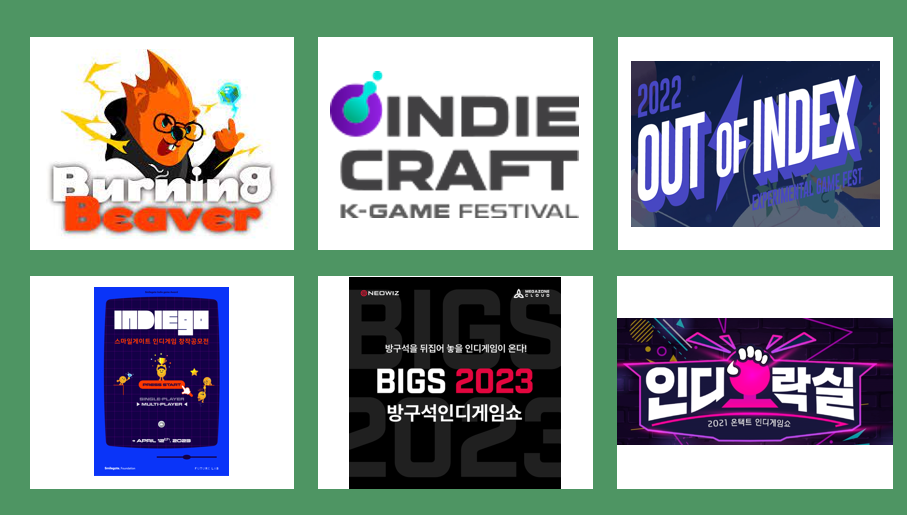
- Indie Craft (Seongnam): A hub for developers in the Seoul metropolitan area.
- Burning Beaver (Smilegate): A high-energy hybrid festival focusing on the “creators” themselves.
- BICS (Bang-Guseok Indie Game Show): A collaborative effort between SBA and Neowiz.
- Out of Index (OOI): A festival dedicated to “experimental” games that prioritize innovation over marketability.
| Period | Key Event / Organization | Significance |
| Late 1990s | Jeu Media AGC | The origin of “Amateur” game contests in Korea. |
| 2003 | KGDA Korea Indie Game Contest | The first steps toward official “Indie” recognition. |
| 2015 | BIC Festival Launch | Korea’s first global-scale indie festival. |
| Present | GIGDC, Burning Beaver, etc. | A robust, multi-layered support system for developers. |
Conclusion: The Spirit of the 1st Generation Lives On
The giants of the 1st generation—Makkoya, Mirinae Soft, Family Production, Sonnori, and Trigger Soft—all started as pure indies who simply loved making games. This “indie spirit” is the DNA of the Korean game industry.
Without the silent supporters who funded these contests and festivals when success was uncertain, we would not have global hits like Cat Garden, Skul: The Hero Slayer, My Oasis, Little Witch in the Woods, or Lobotomy Corporation. The history of K-Indie is a story of shared survival and mutual growth, a history that must continue to be written.