- NYX Award-Winning Developer Announces New Title… A Horror Investigation Drama Beginning in a Forest of Hanging Dolls
- A psychological survival horror born from the legend of Mexico’s ‘Island of Dolls’… Combining detective investigation and forensic mechanics
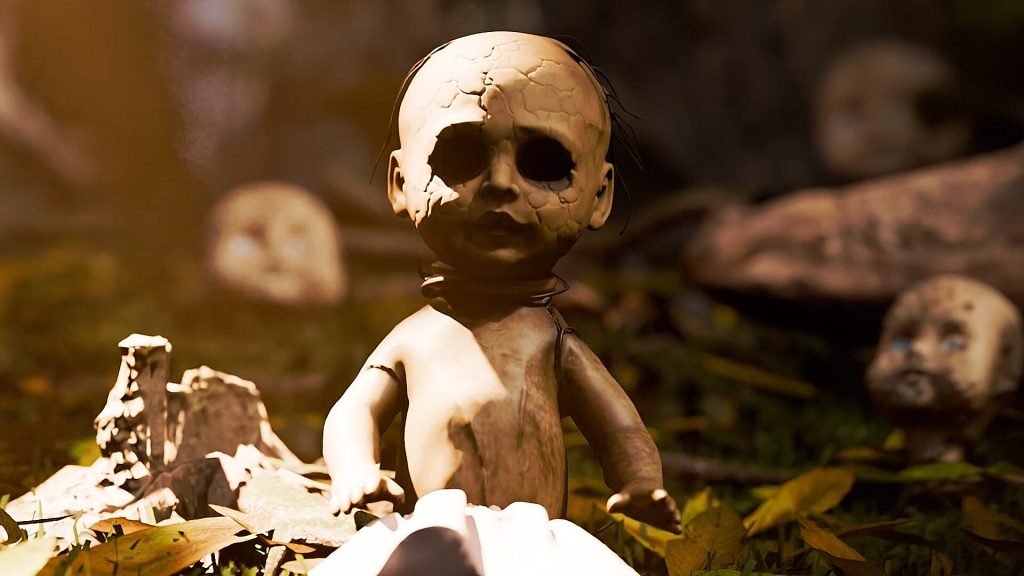
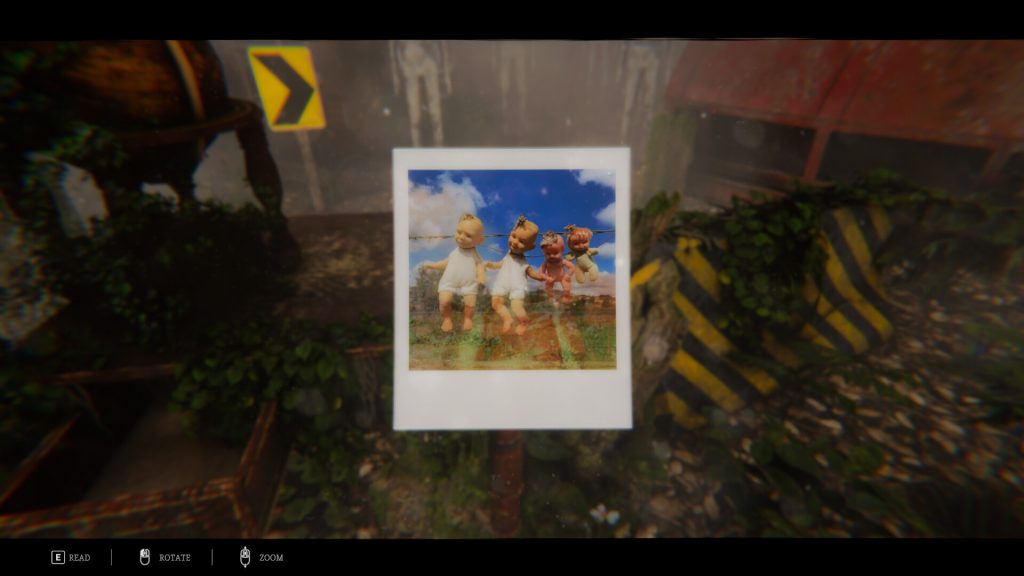
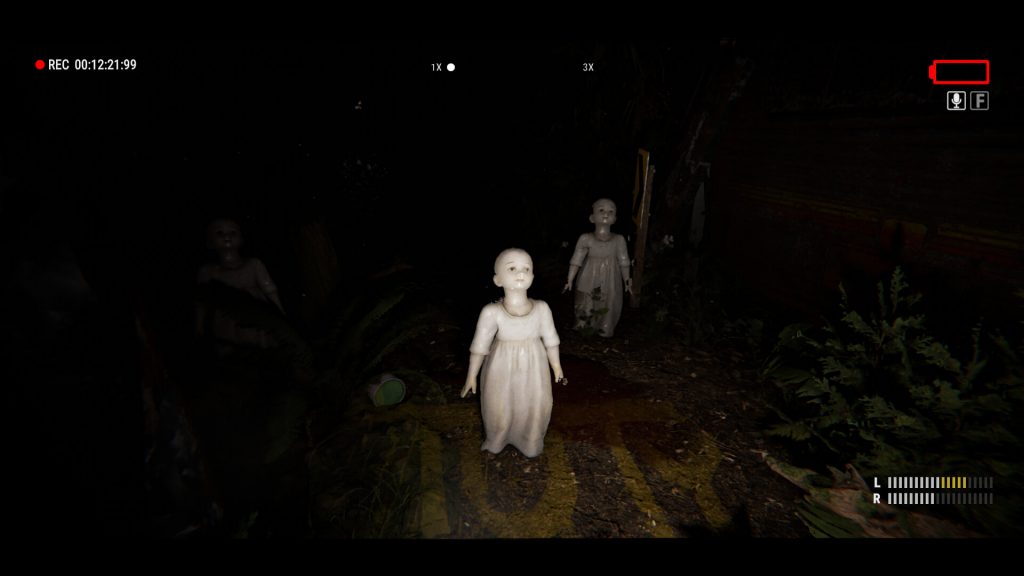
In Xochimilco, Mexico, there’s a small island where hundreds of weathered dolls hang from trees and float in the surrounding waters. Isla de las Muñecas — the Island of the Dolls — is one of the world’s most genuinely unsettling real-world locations, a place where decades of strange tradition have produced what is, by consensus, the actual stuff of nightmares. Where Dolls Hang, the just-announced solo developer survival horror from Steelkrill Studio, draws direct inspiration from this real location and combines it with detective investigation mechanics that distinguish it from typical genre entries.
Announced June 1 and quickly picked up by horror-focused outlets including Gematsu and WorthPlaying, Where Dolls Hang arrives from the developer behind The Backrooms 1998 — the NYX Award-winning psychological horror that established Steelkrill Studio’s reputation for atmospheric craft. The new project is targeting PC release in 2026, and based on the announcement materials, it’s positioning itself as one of the more conceptually distinctive horror releases on the horizon.
A Real Place That Was Already Horror
The Isla de las Muñecas backstory is worth understanding because it shapes the entire emotional foundation of Where Dolls Hang. The actual location began in the 1950s when caretaker Don Julián Santana Barrera reportedly discovered a drowned girl in the canals, then found her doll floating nearby. Believing the area haunted, he began hanging dolls around the island as protection — a practice he continued for decades until he died in 2001, when he was found drowned in the same waters where the girl had supposedly died.
Today, hundreds of weathered, deteriorating dolls hang from trees, drift in the waters, and decorate every available surface across the small island. Tourists visit. Locals avoid the area after dark. Whether the location is genuinely haunted depends on belief, but what’s undeniable is that the visual effect is unsettling in ways that fictional horror locations rarely match. The dolls have aged, weathered, broken, lost limbs — creating an atmosphere that even casual visitors describe as overwhelming.
This is the kind of real-world horror that fiction has trouble inventing. Where Dolls Hang doesn’t need to construct a fictional unsettling location — it can draw on the documented strangeness of an actual place and translate that atmosphere into an interactive experience. That foundation gives the project something most fictional horror games can’t match: the implicit knowledge that the disturbing imagery exists in reality, regardless of what supernatural elements the game eventually adds.
The cultural specificity matters too. Where Dolls Hang engages with Mexican folklore and the specific cultural anxieties around the Isla de las Muñecas legend rather than transplanting universal horror tropes into a generic Latin American setting. That kind of cultural grounding produces horror that feels authentic rather than appropriative, and it gives the game thematic depth that pure genre exercises typically lack.
The Forensic Investigation Layer
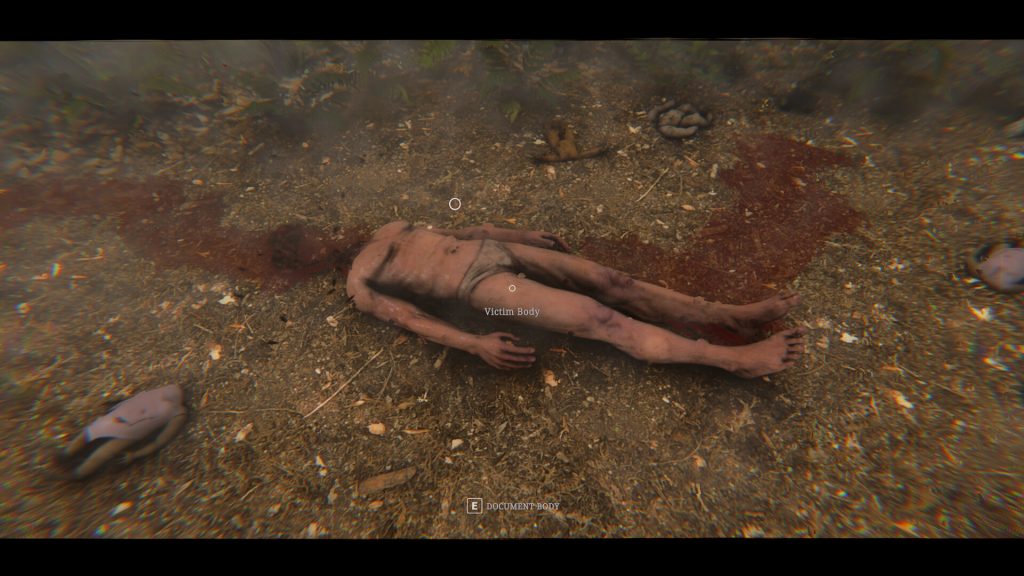
The most distinctive design choice in Where Dolls Hang is the detective investigation structure layered onto the survival horror foundation. Most genre entries put players in the role of survivor — someone trying to escape, navigate, or endure the horror. Where Dolls Hang puts the player in the role of investigator — someone whose professional purpose is to understand the horror, document it, and ultimately solve the underlying mystery.
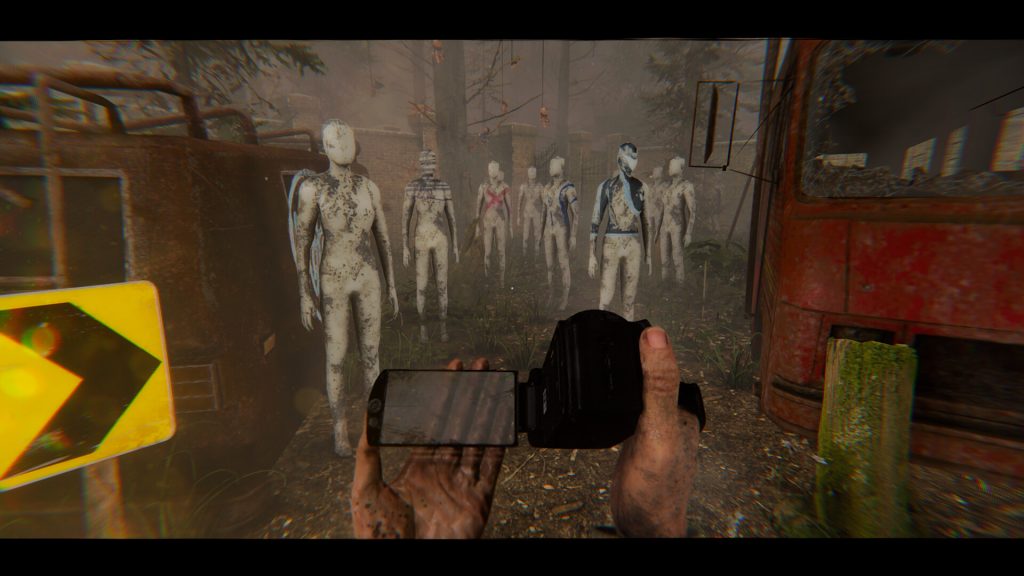
This is more than a thematic shift. It transforms the gameplay verb structure. Players don’t just survive in Where Dolls Hang — they examine corpses, photograph crime scenes, collect clues, mark evidence, and recover victim remains as part of a forensic investigation. The horror genre’s traditional combat-and-evasion verbs are supplemented by procedural investigation verbs that operate on different rhythms and reward different skills.
The genre precedents for this approach are limited. Detective Pikachu and Sherlock Holmes games operate in investigation territory but without survival horror elements. Silent Hill and Resident Evil include investigation elements but subordinate them to combat-survival cores. Where Dolls Hang‘s approach of foregrounding genuine forensic procedure within active survival horror conditions represents a relatively unexplored design space.
The investigation also serves the psychological horror dimension. As the protagonist — a former homicide investigator — pursues the missing persons case, they encounter traces connecting to their own missing daughter. Simple case investigation gradually becomes a personal obsession, guilt-driven compulsion, and psychological breakdown. The professional verbs of investigation become weaponized against the investigator’s own stability, which is exactly the kind of psychological horror structure that the genre’s best entries achieve.
The Safehouse and Resource Management
Between exploration and investigation sessions, players return to a customizable safehouse. This space serves as the management hub — supply crafting, equipment upgrades, resource management — where players prepare for the next investigation area entry.
The safehouse structure is doing important design work. Pure horror without respite becomes numbing rather than terrifying — players need contrasts between safety and danger for the dangerous sections to maintain their impact. The safehouse provides those contrasts while also adding management gameplay that breaks up the horror rhythm.
But as nights deepen, the safehouse itself becomes increasingly unreliable. Even safe zones aren’t perfect refuges, which is the right design choice for psychological horror. When players know that their safe spaces are subject to corruption, the underlying anxiety extends beyond the active danger zones into every aspect of the experience. This is the design lineage of P.T. and the best Silent Hill entries — horror that follows you everywhere because nothing is truly safe.
The Environmental Systems
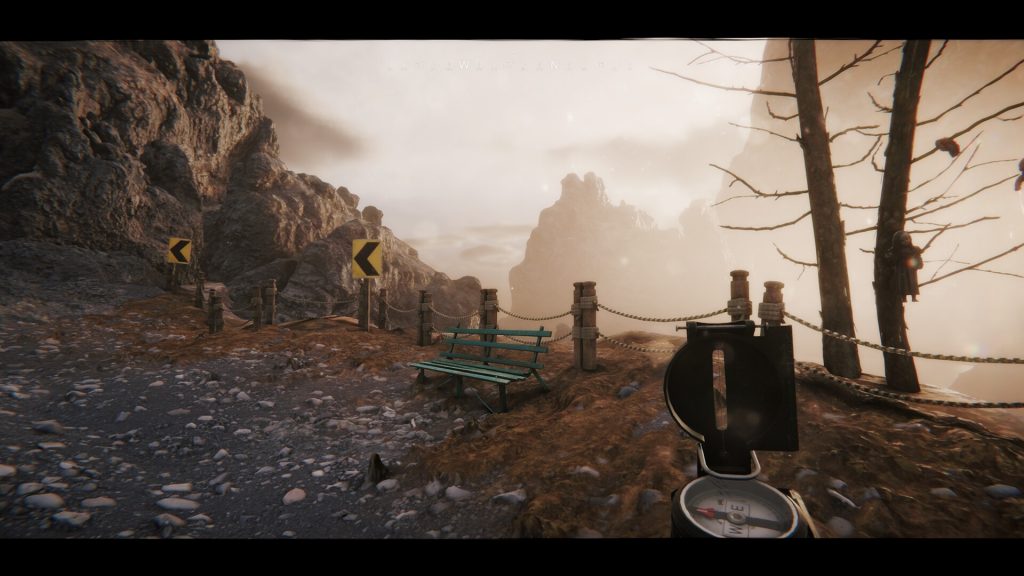
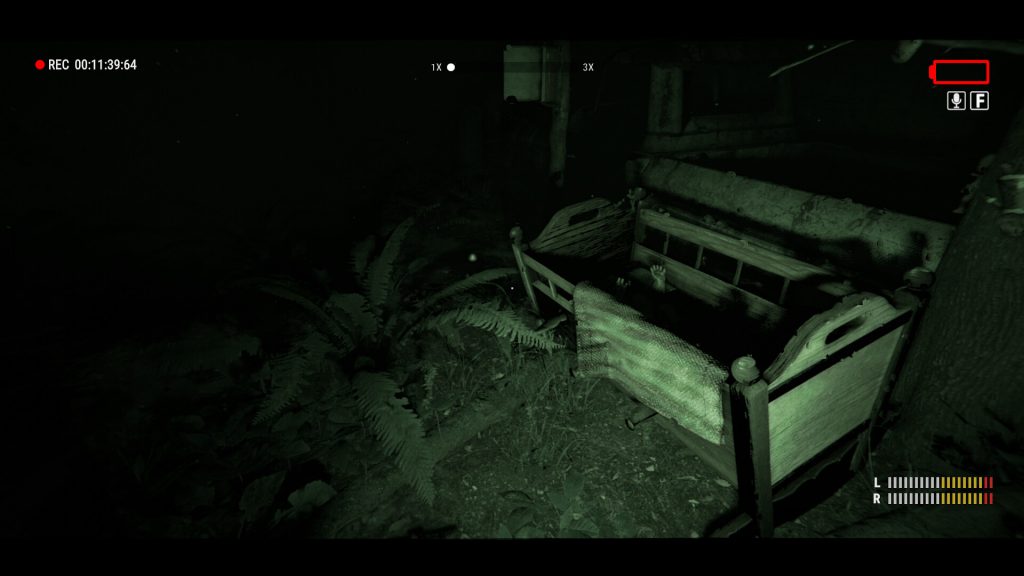
The first-person gameplay leverages extreme day-night contrast and dynamic weather, including storms and rainfall, to elevate anxiety. Rain limits visibility but also changes monster detection capabilities. Spaces manageable during the day transform into deadly danger zones at night. The forest itself appears to gradually develop life-like qualities as the investigation progresses.
These environmental systems serve multiple horror purposes simultaneously. They create gameplay variety (the same location plays differently depending on time and weather). They generate tension (uncertainty about visibility, sound, monster behavior). They support the psychological deterioration narrative (the world literally becoming more alive parallels the protagonist’s mental dissolution).
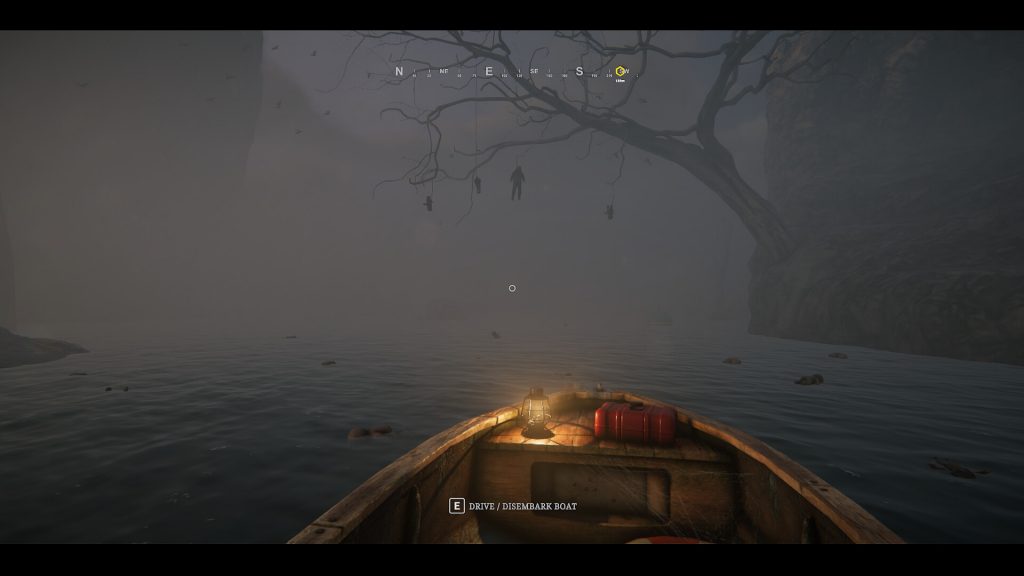
The boat exploration element is particularly interesting. Players use boats to explore flooded areas and hidden waterways, investigating islands and sealed zones cut off from the main area. This isn’t decorative transportation — boats appear to be central to accessing major investigation content, which means players are continually moving across water in environments where dolls float in the depths. That kind of liminal-zone exploration (between land and water, between safe areas and dangerous areas) is exactly the kind of spatial design that produces a sustained horror atmosphere.
VHS tapes scattered throughout the forest also function as critical evidence sources, serving as clues that gradually reveal the truth of the case. The VHS element grounds the horror in a specific era while connecting to broader found-footage horror traditions. Tapes that record events the player wasn’t present for create temporal anxiety — what happened, who was there, why was this recorded, why is it here now?
The Solo Developer Behind Steelkrill
Steelkrill Studio is a solo indie operation that has built a notable reputation for atmospheric horror through The Backrooms 1998. The previous title’s NYX Award win recognized its psychological pressure and immersive horror direction, while the title also generated significant content creator and streamer community response — the kind of viral horror visibility that’s increasingly important for indie horror commercial success.
Solo development of psychological horror is a particular development challenge. The genre requires sophisticated atmosphere, careful pacing, audio design that elevates tension, and visual presentation that maintains immersion. These elements typically require team specialization, and solo developers have to either master multiple disciplines or carefully scope their projects to what they can execute alone.
That Steelkrill has successfully delivered NYX Award-recognized work as a solo developer demonstrates that the studio has solved these execution challenges. Where Dolls Hang‘s announcement materials suggest similar quality investment, the visual and conceptual presentation looks polished rather than rough, indicating that the solo developer has resources or technical capability to execute professionally.
The genre also benefits from the streaming and content creation economy in ways that work for solo developers. Horror games attract Let’s Play and streamer attention regardless of studio size, which provides marketing reach that solo developers couldn’t otherwise achieve. The Backrooms 1998 viral spread through the content creator community is the kind of organic visibility that Where Dolls Hang will likely benefit from as well, particularly given the distinctive real-world inspiration.
Genre Inspirations and Differentiation
Steelkrill Studio has directly cited The Forest‘s survival-exploration structure, Silent Hill and P.T.‘s psychological horror direction, and Outlast‘s tension-driven horror design as primary inspirations. These are well-chosen references that signal the developer understands the genre’s high-quality lineage rather than just its surface conventions.
But the project’s core distinctive feature isn’t the inspirations — it’s how the detective role transforms the survival horror experience. By making the player an investigator rather than a survivor, Where Dolls Hang creates a different relationship between player and horror. Survivors flee. Investigators approach. The forward-motion impulse of investigation directly conflicts with the avoidance impulse of survival, generating productive tension that pure-survival horror can’t access.
This is the kind of structural innovation that distinguishes serious genre work from genre exercises. Where Dolls Hang isn’t just doing horror with detective elements as decoration — it’s using the detective role to fundamentally reshape what horror gameplay means. The protagonist’s professional duty (investigate) directly opposes the gameplay-natural response (flee), and that opposition is where the game’s distinctive emotional content emerges.
Who This Is For
Strong fit for: psychological horror enthusiasts who appreciate atmosphere over jump scares; Silent Hill, P.T., and Outlast fans seeking similar tonal experiences; players intrigued by real-world horror locations like Isla de las Muñecas; detective game fans curious about horror genre crossover; The Backrooms 1998 fans following Steelkrill Studio’s development trajectory; horror content creators seeking distinctive game experiences for streaming.
Cautious fit for: players sensitive to imagery involving children or dolls; anyone who finds doll-centric horror particularly disturbing.
Less ideal for: players who prefer action-focused horror over investigation-based pacing; anyone seeking pure survival horror without investigation overhead; players uninterested in psychological horror complexity.
What to Watch For
A few questions will shape Where Dolls Hang‘s development toward the 2026 release.
The first is whether the forensic investigation mechanics deliver satisfying gameplay or feel like a procedural overlay on horror. Investigation systems require careful design to feel meaningful rather than checkbox-completing. How Steelkrill balances investigation depth with horror atmosphere will significantly affect the gameplay experience.
The second is the psychological narrative execution. The detective-finds-traces-of-his-own-daughter setup is genuinely promising but demanding to execute. Whether the personal narrative lands as emotionally affecting or settles into genre cliche will determine the game’s lasting impact.
The third is the cultural sensitivity of the Mexican folklore engagement. Drawing from real cultural traditions and real locations requires careful handling — successful execution honors the source material while producing genuine horror, while unsuccessful execution can feel appropriative or exploitative. How the game handles this dimension will affect both critical and cultural reception.
The fourth is the solo development scope. Steelkrill’s previous work demonstrates capability, but ambitious horror projects can outgrow solo development capacity. Whether Where Dolls Hang delivers the polish that the announcement suggests, across the full game scope, depends on careful project management.
The Takeaway
Where Dolls Hang is one of the more conceptually ambitious horror projects on the 2026 calendar — a solo developer working with genuinely distinctive material (a real-world horror location, an investigative protagonist structure, psychological horror complexity) and clearly applying the craft lessons from a NYX Award-winning previous project.
The combination of real-world inspiration grounding, distinctive detective investigation mechanics, cultural folklore engagement, and atmospheric horror execution positions the project as something genuinely different within the survival horror space. Whether it delivers on the announcement’s promise will determine its eventual reception, but the foundational elements suggest serious creative ambition rather than just genre exercise.
For horror fans, this is one to wishlist immediately and follow closely as development progresses. Steelkrill Studio’s previous work demonstrates the developer can execute at award-winning quality, and the new project’s ambition extends meaningfully beyond The Backrooms 1998‘s scope. For broader audiences, Where Dolls Hang represents the kind of horror project that justifies why the genre continues to attract serious creative attention.
The Isla de las Muñecas exists in reality. The hanging dolls actually weather in Mexican trees and waters. Hundreds of them, decade after decade, slowly deteriorating in conditions that make even tourists describe the place as one of the most genuinely unsettling locations they’ve encountered. Where Dolls Hang takes that real foundation and builds psychological horror around it — combining survival, investigation, and personal collapse into something that, based on what’s been revealed, has the potential to be one of 2026’s distinctive horror experiences.
The dolls are waiting. The investigation is beginning. And somewhere in those weathered porcelain eyes, watching from the trees, the truth is waiting to be uncovered — if the investigator can survive the discovery.
Information regarding Where Dolls Hang
| item | detail |
|---|---|
| Developer / Publisher | Steelkrill Studio (Solo Indie Developer) |
| Genre | First-person psychological survival horror / detective investigation adventure |
| Release platform | PC (Steam) |
| Scheduled for release | 2026 (Exact date not announced) |
| inspiration | Isla de las Munécas, Mexico (real place) |
| Genre inspiration | The Forest / Silent Hill / PT / Outlast |
| Developer’s previous work | The Backrooms 1998 (NYX Award winner) |
| core system | Forensic Investigation (Body Examination, Evidence Photography, Marker Placement) / Boat Expedition / Crafting / Safehouse |
| Release date | June 1, 2026 |
| Main Keywords | Island of Dolls, Detective, Psychological Horror, Survival, Swamp, First Person, Forensic, Mexican Folklore |
| Official Channel | X · YouTube · Instagram · TikTok · Discord · Bluesky · Facebook |
| Steam Page | Go to Wishlist |