A divine being who carries a social anxiety disorder. A battlefield where deckbuilding, tactical positioning, and companion summoning all matter at the same time. Twisted machine creatures and pegasus-like sacred war engines crashing into each other across a collapsing cosmos. Voice of Belldona, the sci-fantasy roguelike deckbuilder from Taiwanese indie team StoryCropStudio, launched into Steam Early Access on May 20 — and based on the demo’s 98% Positive reception and the genuinely unusual systems underneath, it’s one of the more interesting deckbuilder releases of the year.
[Related Article: SF Deckbuilder ‘Voice of Beldona’, Private Beta on March 31]
A Deckbuilder Genuinely Trying Something New
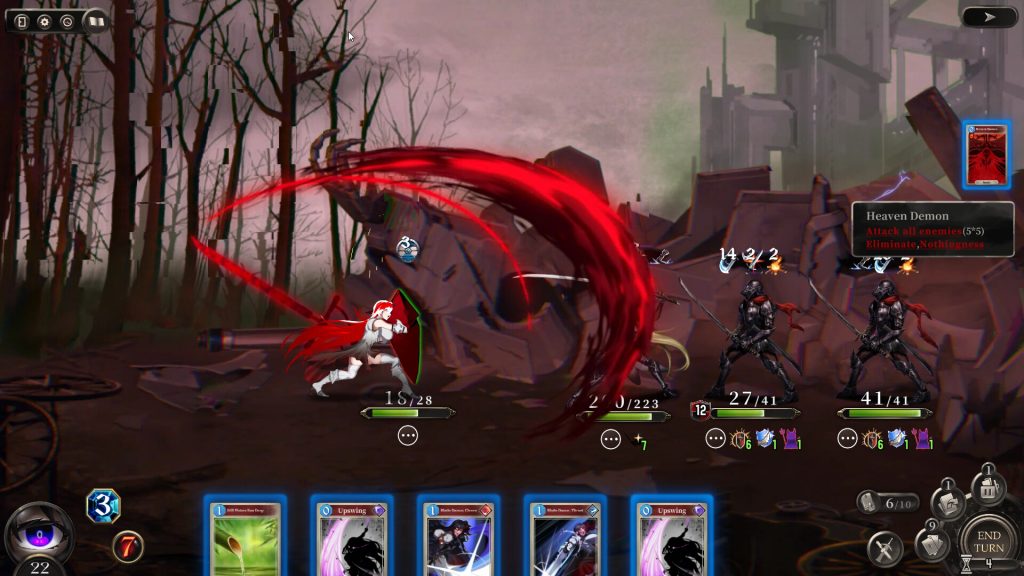
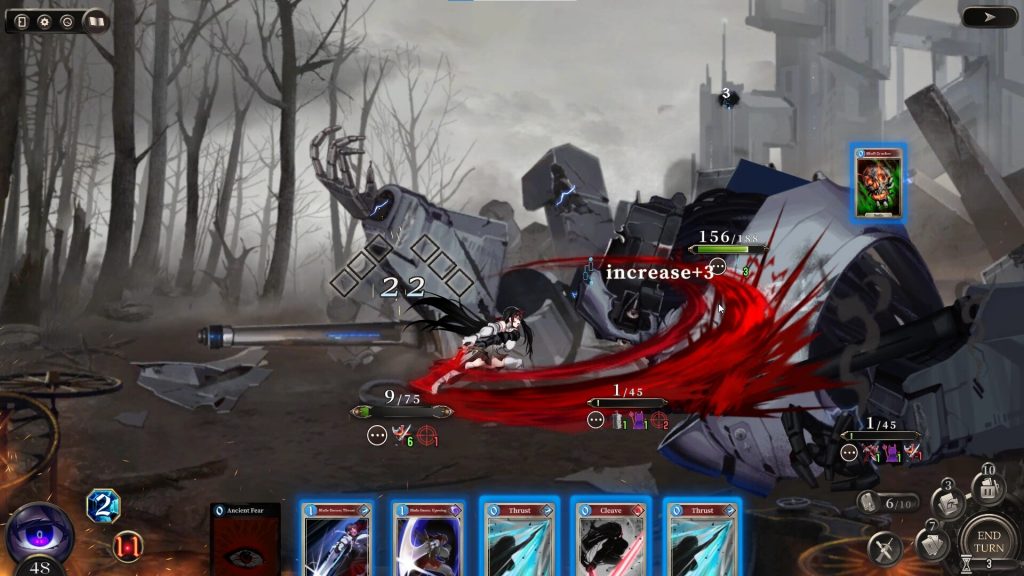
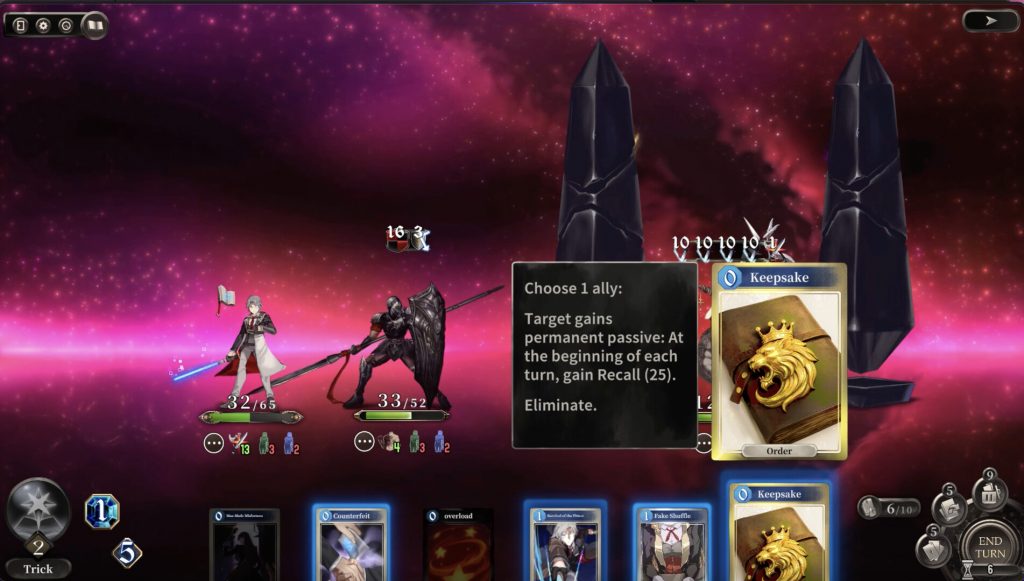
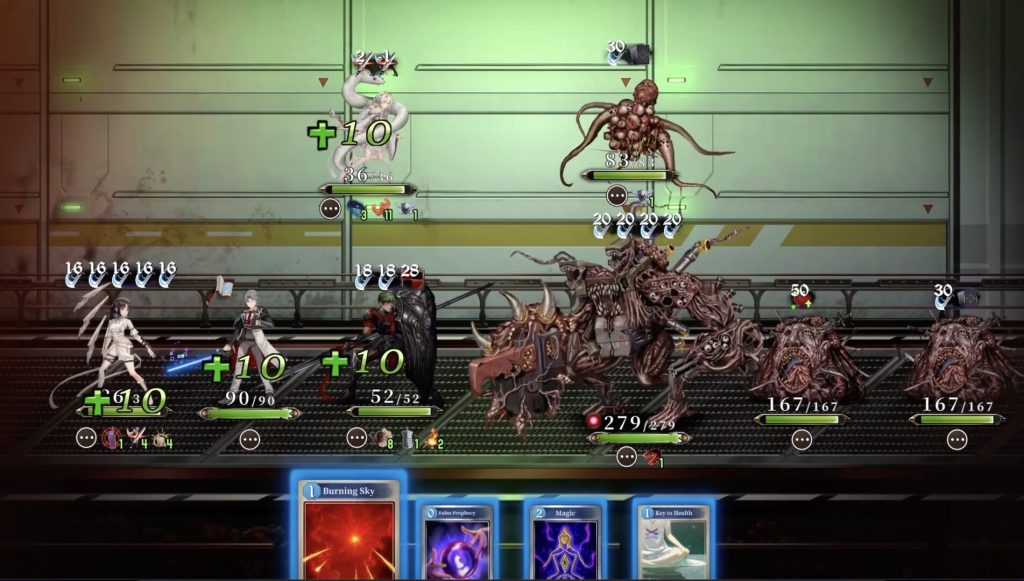
The deckbuilder space has become crowded over the last few years, and most new entries differentiate themselves through theme rather than structure. Voice of Belldona differentiates through structure. The core innovation is the triangulation of three normally separate systems: deckbuilding (which most genre entries focus on exclusively), tactical battlefield positioning (the Into the Breach / SRPG lineage), and companion summoning (more typical of party-based RPGs than card games).
Combining these three is harder than it sounds. Each has its own pacing and complexity profile, and most attempts at fusion end up with one system dominating while the others become vestigial. The early reception suggests Voice of Belldona has actually integrated them — that companion placement matters, that battlefield positioning matters, that deck composition matters, and that the interesting decisions live at the intersections rather than within any single layer.
AltChar‘s framing captures this directly: “deckbuilding, tactical formation, and the summoning system combined organically — a rare case.” The “rare case” qualifier is doing real work. Genre veterans will recognize that the triangle is hard to pull off, and the consistent positive press coverage suggests the team has managed it.
The Vortex Zone Structure
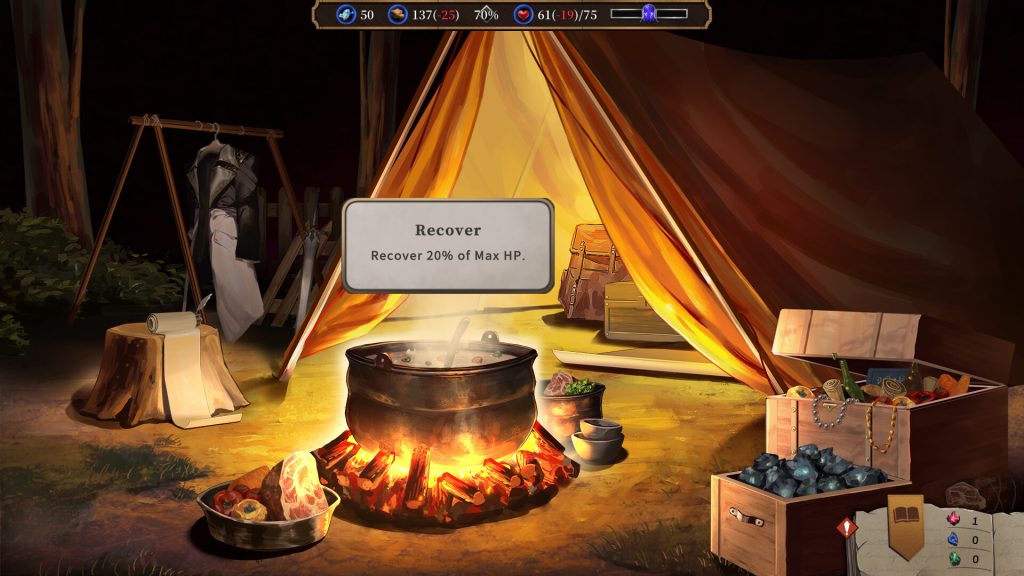
The game’s navigation system — the Vortex Zone — gives the roguelike layer its specific character. Players move along randomized paths through the zone, building decks, recruiting companions, and managing the variety of combat encounters that arrive. With 120+ cards and 50+ unique Blessings, the strategic decision space is substantial without being overwhelming.
The Wish system, layered on top, adds the high-risk, high-reward branching-path structure that genre fans tend to look for. This is the right mechanical choice for a roguelike — the Wish system gives players agency over the variance they accept, which is what separates roguelikes that feel meaningful from roguelikes that feel arbitrary. You can choose safer paths or push into the Wish-driven risk territory for bigger payoffs, and that decision space is where individual runs develop their identity.
The 40+ story events scattered through the structure are doing more work than the count suggests. Story events in deckbuilders are where the genre’s narrative ambitions usually live or die — too few and the world feels thin, too many and they interrupt the combat rhythm. The early reception suggests the balance is working.
The Aesthetic Identity
The Warhammer 40K dark cosmic inspiration is unmistakable and effective. Twisted mechanical creatures, sacred war engines that look like corrupted pegasi, vast and ominous boss silhouettes — the visual register is consistently committed to the grim/divine collision that 40K does better than almost any other property in gaming.
What makes Voice of Belldona work as more than a 40K-inspired aesthetic exercise is the world’s specific instability. This isn’t a static dark universe; the environment is collapsing in real time, with cosmic horror, fantasy races, sacred machinery, and corrupted technology all entangled in ways that produce the game’s “sci-fantasy” label. The art direction commits to the contradictions rather than smoothing them over: things are both beautiful and ominous, both divine and corrupted, often within the same frame.
But Why Tho? highlighted that the project “successfully translates Warhammer-style dark fantasy aesthetics into a modern roguelike structure.” That’s the right framing. The aesthetic isn’t decorative — it’s load-bearing, because the game’s tone is what makes the formation/summoning/deckbuilding triangle feel like more than a mechanical puzzle.
The Belldona Conceit
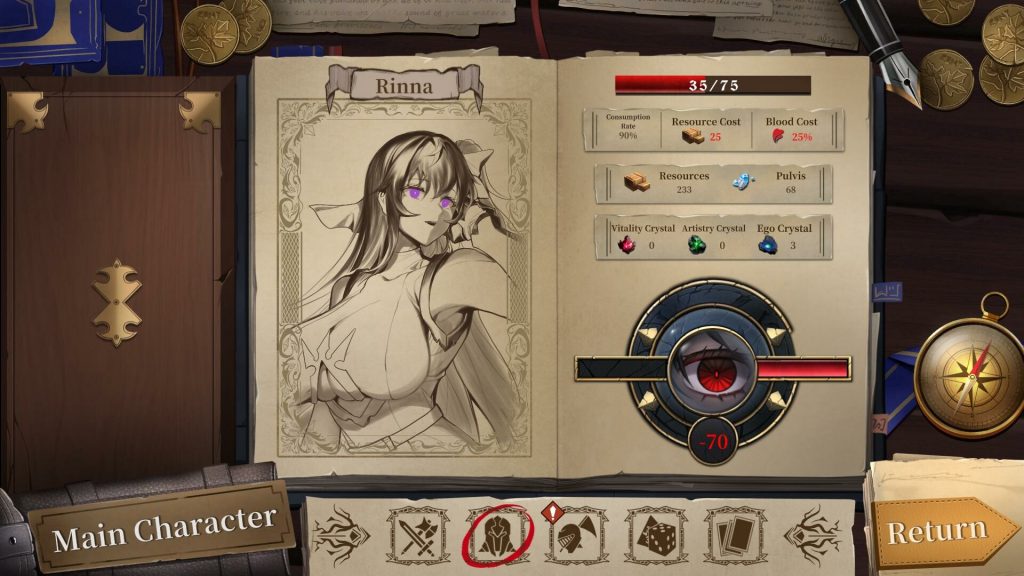
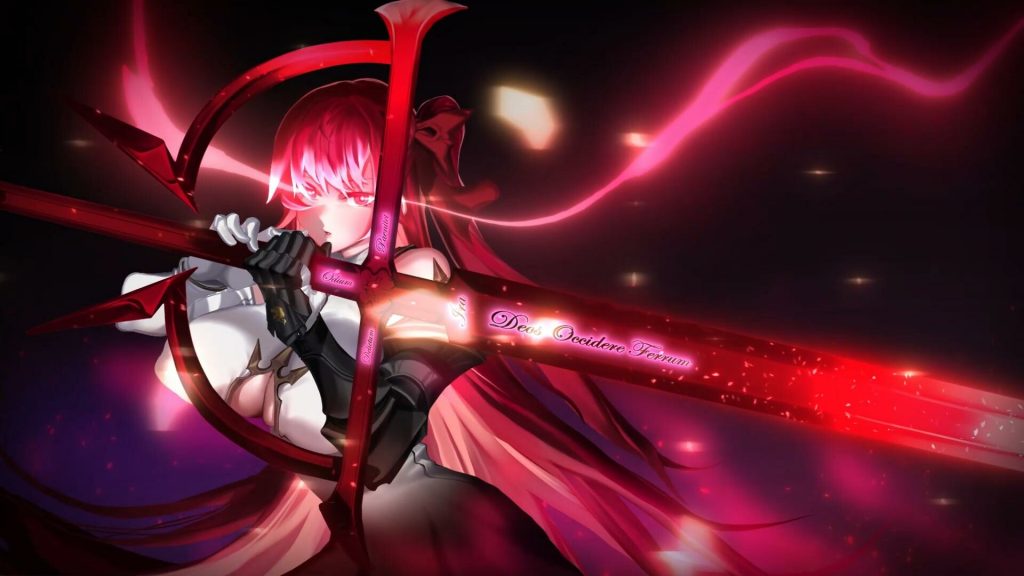
The protagonist concept deserves its own attention. A divine being with social anxiety disorder is a genuinely paradoxical character setup, and it’s the kind of choice that signals the studio is doing more than mechanical execution. The contradiction creates immediate narrative tension: how does a being with cosmic capability navigate a battlefield when their internal experience is one of social fragility?
This isn’t just thematic flavor. The character framing affects how the combat reads — every summoning, every tactical decision, every aggressive push or defensive retreat is filtered through a protagonist whose relationship to her own power is complicated. Deckbuilders rarely have protagonist characterization this specific, and when they do, it usually doesn’t connect to mechanical play. The early reception suggests Voice of Belldona has actually integrated character into the gameplay register, which is harder than it sounds.


How It Got Here
The development story is worth highlighting. Voice of Belldona came through crowdfunding and an extended development period, building its audience through community support before the storefront release. The demo accumulated 98% Positive across 144 reviews — strong numbers for any demo, but particularly strong for a sci-fantasy deckbuilder, a niche-within-a-niche pitch that doesn’t typically generate broad organic interest.
X/Twitter virality drove much of the pre-launch awareness, which in turn pushed the game into Steam’s “Popular Upcoming” featured slot. This is increasingly the pattern for successful Asian indie launches — community-built awareness on regional platforms (Korean indie communities, Taiwanese social channels, Japanese game press) translates into Steam visibility, which then translates into global reach. Voice of Belldona is a clean case study in that distribution arc.
The Early Access Plan
The Early Access period is targeted at roughly 6 months, with planned additions including more cards, more companions, additional difficulty options, and expanded story content. UI improvements, balance adjustments, optimization, and English localization work are all on the roadmap. The development team has stated they’ll be incorporating user feedback actively through Discord and QQ.
This is the right Early Access posture: a specific timeline, clearly defined content additions, and explicit feedback channels. Six months is short enough that committed players won’t feel stranded in perpetual beta, but long enough that meaningful content and polish work can land. Whether StoryCropStudio executes on that plan will significantly affect the game’s 1.0 reception, but the framing is correct.
The English localization specifically is worth watching. Voice of Belldona‘s pre-launch press has been remarkably international (AltChar, COGconnected, But Why Tho?, Noisy Pixel all covered it), which suggests Western interest is real. Quality localization will be the bridge between that interest and a sustained Western community.
How the Press Has Read It
International coverage has clustered around the same observations. AltChar on the system integration. COGconnected on how the cosmic horror/fantasy world meshes with the combat: “a worldview combining cosmic horror and fantasy elements closely linked to the combat system.” But Why Tho? on the aesthetic translation to roguelike structure. Noisy Pixel on the art and risk-reward design.
The consistency of these readings is itself notable. Different outlets are highlighting different angles, but no one is dismissing the project as derivative or thin. That kind of broad positive press response is rare for an Early Access deckbuilder, and it tells you something about how distinctive the project actually is.
Who This Is For
Strong fit for: deckbuilder fans looking for genuine structural innovation rather than reskins of existing formulas; Slay the Spire / Inscryption / Monster Train players who’ve exhausted the standard moves of the genre; Warhammer 40K enthusiasts who’d appreciate a game that captures the aesthetic without licensing constraints; tactical RPG players curious about how positioning translates into card-based combat; anyone with patience for Early Access roughness in exchange for accessing genuinely original design.
Cautious fit for: deckbuilder players who specifically want clean, minimal, single-system experiences (the formation/summoning/deckbuilding triangle adds real complexity); players who avoid Early Access on principle.
Less ideal for: anyone allergic to grimdark aesthetic registers; players who want their card games light, fast, and decoratively themed rather than mechanically and tonally heavy.
What to Watch For
Several questions will shape how Voice of Belldona lands across its Early Access period.
The first is whether the three-system triangle holds up across longer play. Demo-scale integration is one thing; full campaign integration with 120+ cards and dozens of companions interacting in complex configurations is a much harder problem. Whether the systems continue feeding each other at scale is the central design question.
The second is the localization quality. English is being treated as Early Access work rather than launch-ready, which is honest but also means international players will be playing a version of the game that’s still being translated. How quickly and how well that work proceeds will affect Western community formation.
The third is the Wish system’s calibration. High-risk, high-reward branching paths can produce genuinely tense decisions or feel arbitrary depending on how the reward curves are tuned. Six months of feedback-driven adjustment should help here, but it’s worth watching.
The Takeaway
Voice of Belldona is one of the more genuinely ambitious deckbuilder releases of the year. The system triangulation is real. The aesthetic identity is committed. The protagonist concept is specific. The community foundation is solid. And the Early Access plan is sober and feedback-driven rather than aspirational.
For a Taiwanese indie team coming off crowdfunding into a crowded global deckbuilder market, those are exactly the right foundations. The 98% demo reception isn’t surprising once you understand what’s actually happening underneath the surface — and the international press response suggests the systems are translating beyond the regional community that backed the project initially.
Information regarding ‘Voice of Belldona’
| item | detail |
|---|---|
| Developer | StoryCropStudio (Taiwan) |
| Publisher | Okasan’s Recipe / LoveStoryProject |
| Genre | Cy-Fantasy Roguelike Deckbuilder / Tactical Card RPG |
| Release platform | PC (Steam Early Access) |
| Release date | May 20, 2026 (Early Access) |
| Early Access Period | Scheduled for about 6 months |
| Launch Discount | 10% |
| Demo Review | Very positive 98% (144 items) |
| Main Content | 120+ Cards / 50+ Blessings / 40+ Story Events / Challenge Mode |
| core system | Battlefield Formation / Companion Summon / Wish System / High-Risk Branching Path |
| inspiration | Warhammer 40K Dark Cosmic Aesthetics |
| Main Keywords | Psy-Fantasy, Deckbuilder, Summoning, Tactics, Formation, Cosmic Horror, Roguelike |
| Official Channel | Discord · X · YouTube |
| Steam Page | Shortcut |