“Everyone who chased Haven became part of the desert” is the line Dunebound Tactics opens with, and it’s an accurate preview of what the game asks players to weigh throughout: a legendary sanctuary worth pursuing, and a desert that has already consumed everyone who tried before. Terahard Studios built the game’s tactical engine from scratch over roughly four years, and the launch — timed to Steam’s Party-Based RPG Fest — is the result of that engine finally meeting a battlefield players get to actively demolish.
Terrain as the Actual Weapon
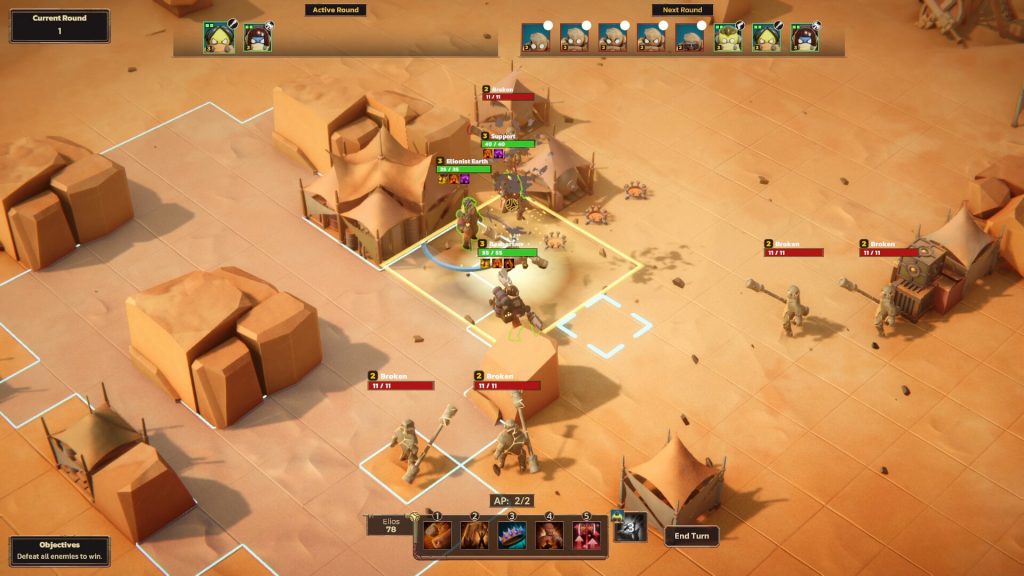
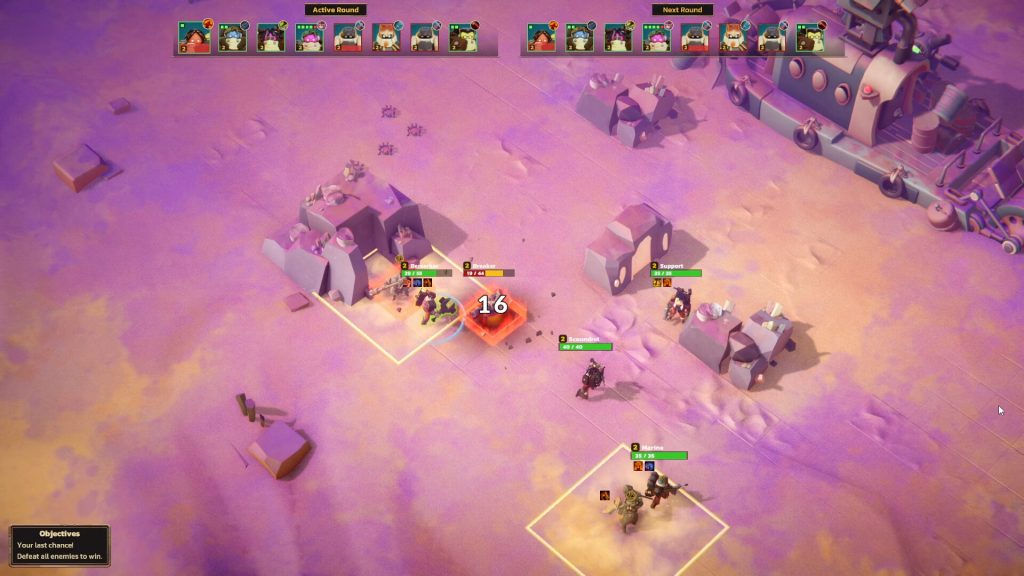
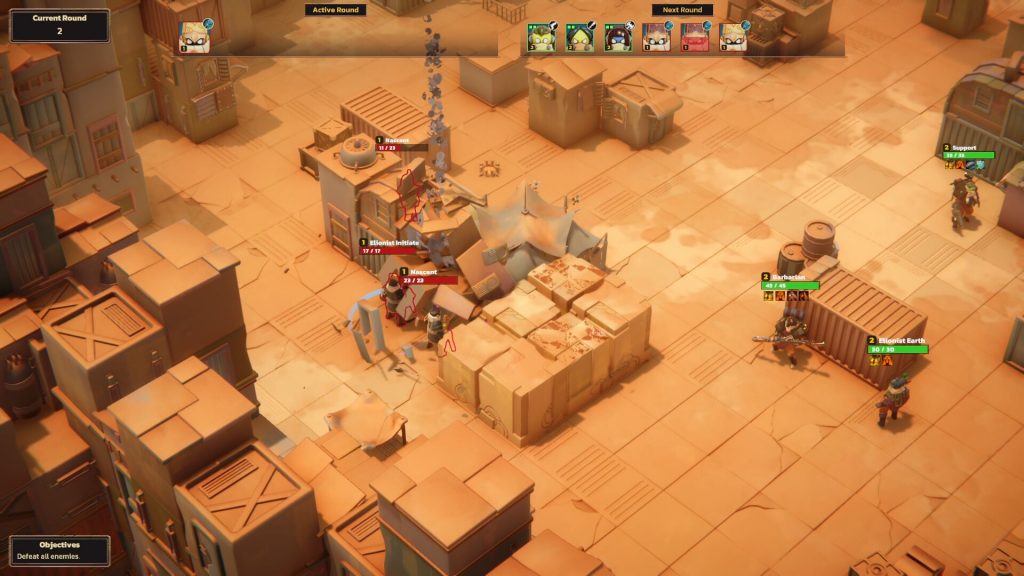
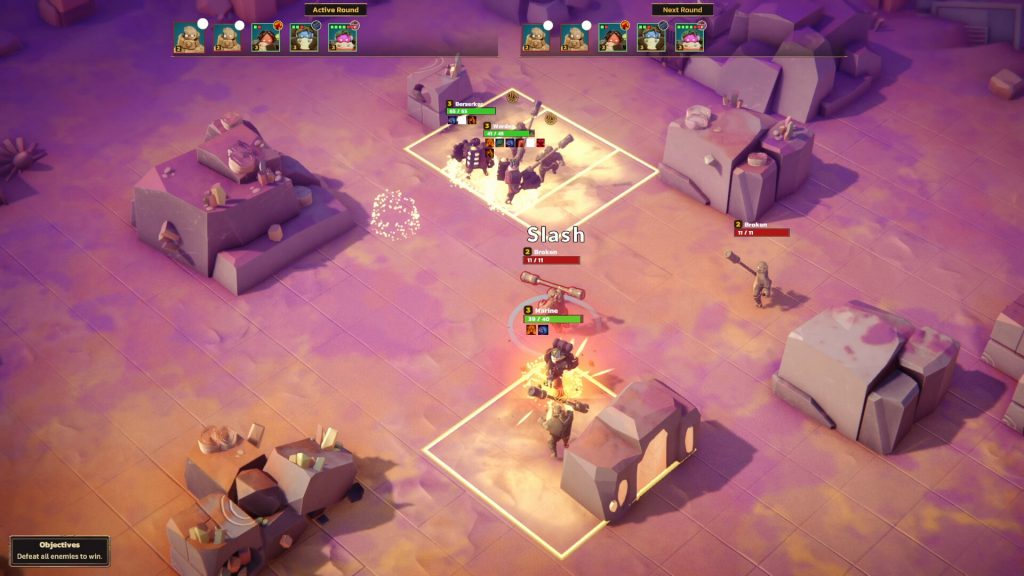
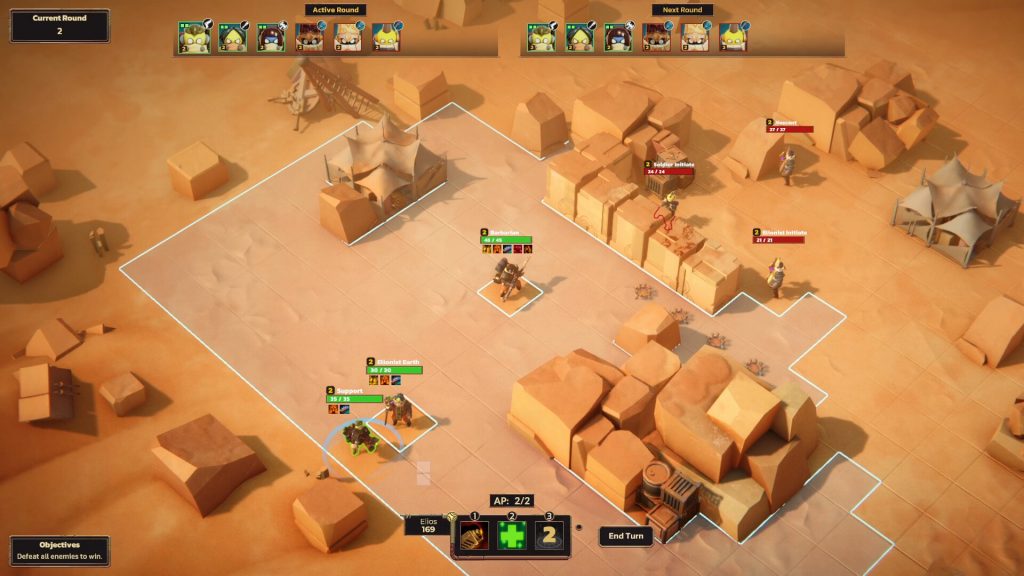
Most tactics games ask players to read a fixed battlefield and find the optimal path through it — cover positions, flanking routes, elevation. Dunebound Tactics instead lets players reshape the battlefield itself mid-fight: destroying cover, relocating across destructible terrain, and raising ice pillars to physically block an enemy’s retreat path. Explosive pillars can be planted along chokepoints and left as delayed traps that detonate the battlefield several turns later according to whatever setup the player designed earlier in the fight — meaning the ceiling on tactical creativity is closer to the player’s imagination than to a fixed set of positioning options.
Crew-specific skills extend this planning layer outside the actual combat zone, letting players reinforce the party or open new travel routes before a fight even starts. The core turn-based positioning satisfaction the genre depends on is intact; what’s added is a genuinely load-bearing terrain-manipulation layer rather than a cosmetic destruction system.
Elios: The Resource That’s Also a Person
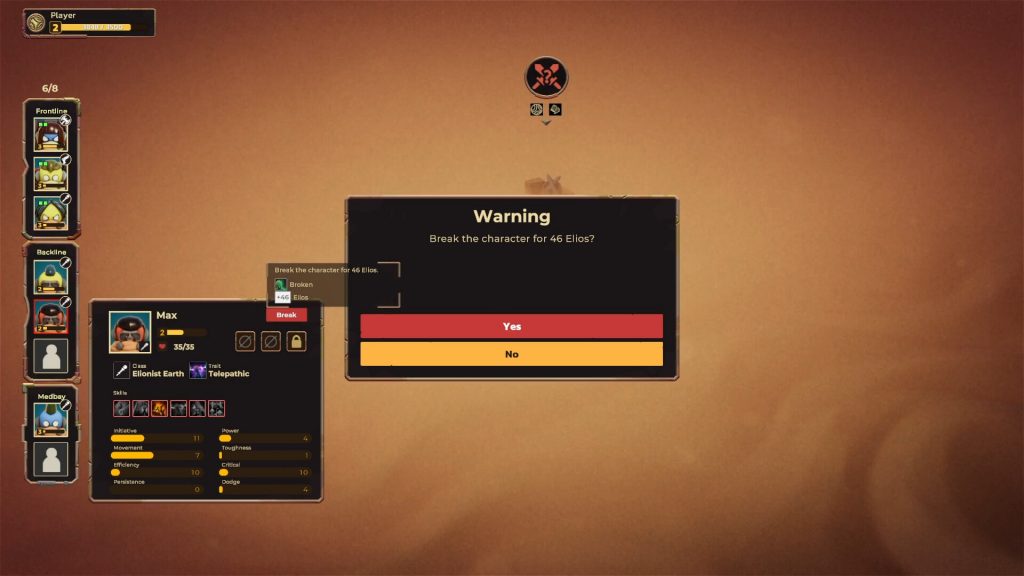
The cost of that battlefield freedom is Elios — the resource that literally rewrites life and death across the game’s world. Elios crystallizes at the site of a death and functions as the core fuel that powers the sandship’s engine. It also exists inside every living crew member’s body.
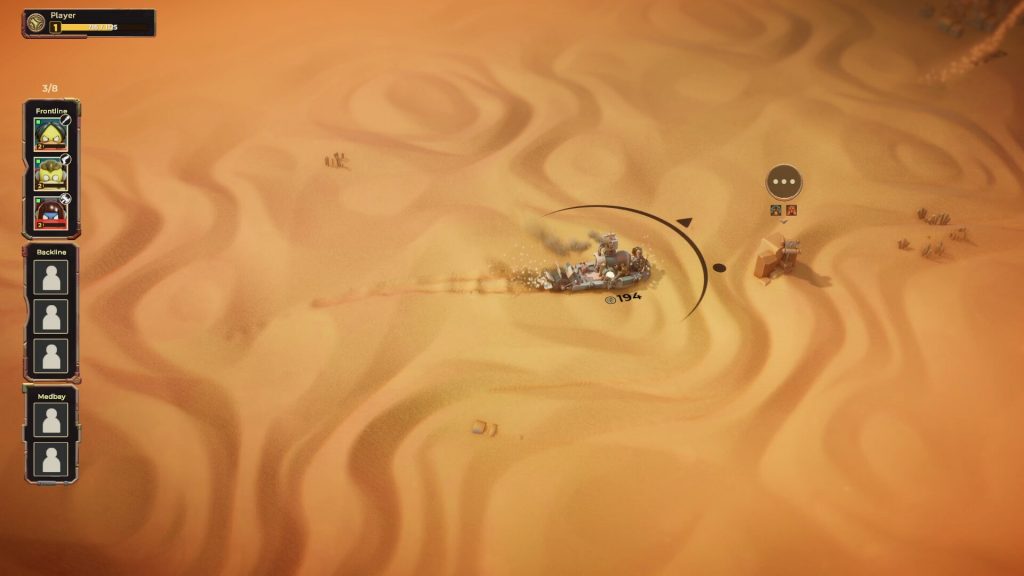
An injured survivor can be sent to the medical bay for treatment — or, if the situation demands it, a player can extract that crew member’s Elios directly and burn it as fuel instead. Doing so kills them; what’s left afterward is an empty shell. Surviving the desert, in other words, sometimes means deciding a specific person’s life is worth less to the expedition than the fuel their body can provide — and the game puts that decision directly in the player’s hands rather than abstracting it into a resource meter.
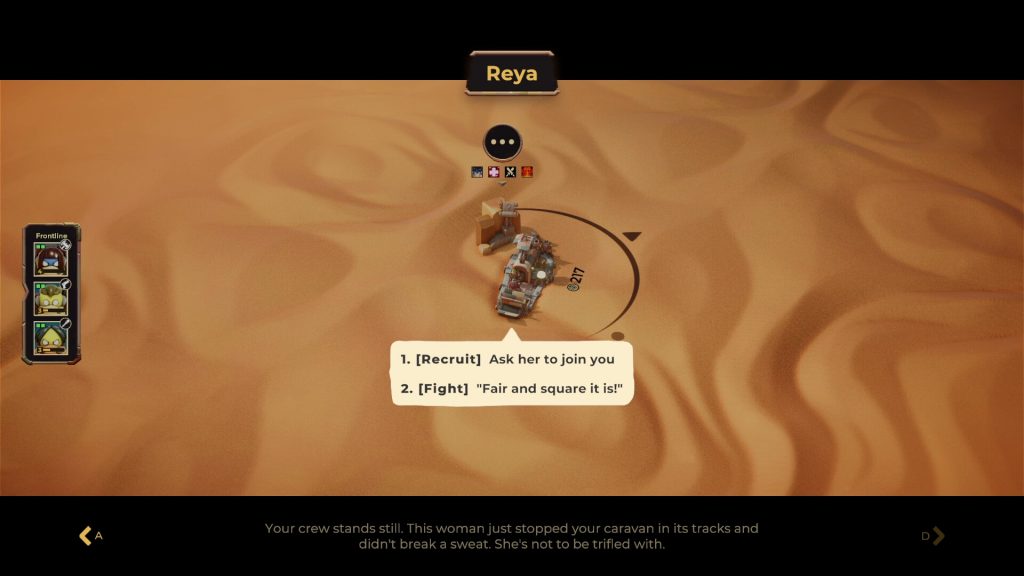
Crew composition draws from 15 classes, 16 traits, and 50+ modules, facing down 38 enemy types across factions including the Imperials and the Arcanists — a build space wide enough to support the genre’s expected roguelite replay variety on top of the terrain and resource systems.
Four Years, One Custom Engine
Terahard Studios, founded in 2012 and operating out of both London and Athens, built Dunebound Tactics’ tactical engine entirely from the ground up — a deliberate architectural decision CEO Aris Tsevrenis has spoken about directly, rather than adapting an existing tactics framework. That choice tracks with what shipped: the terrain-destruction and dynamic battlefield systems aren’t the kind of thing most off-the-shelf tactics tooling supports natively.
The public development arc was unusually long and visible for its scale: an October 2024 reveal at Roguelike Celebration, a February 2025 demo, Steam Next Fest participation in June 2026, a Gamescom Cologne showing in August, and hands-on demonstrations at PAX West in Seattle — all under indie.io’s booth, with the studio using each stop specifically to gather player reaction before the September 14 launch.
The indie.io Pattern
Dunebound Tactics is the latest in a run of releases this coverage has tracked under indie.io’s publishing umbrella this year — Conjurers, Graphite, Codename CURE II, Dwarf Delve, and Polylithic among them. The publisher’s pattern is consistent: back genuinely mechanically distinctive tactics, roguelite, and RPG projects from small international studios, then run them through a sustained festival circuit (demos, Next Fest, Gamescom, PAX) before launch rather than a single marketing push — the same trajectory Dunebound Tactics just completed.
What the Roguelite Structure Carries Forward
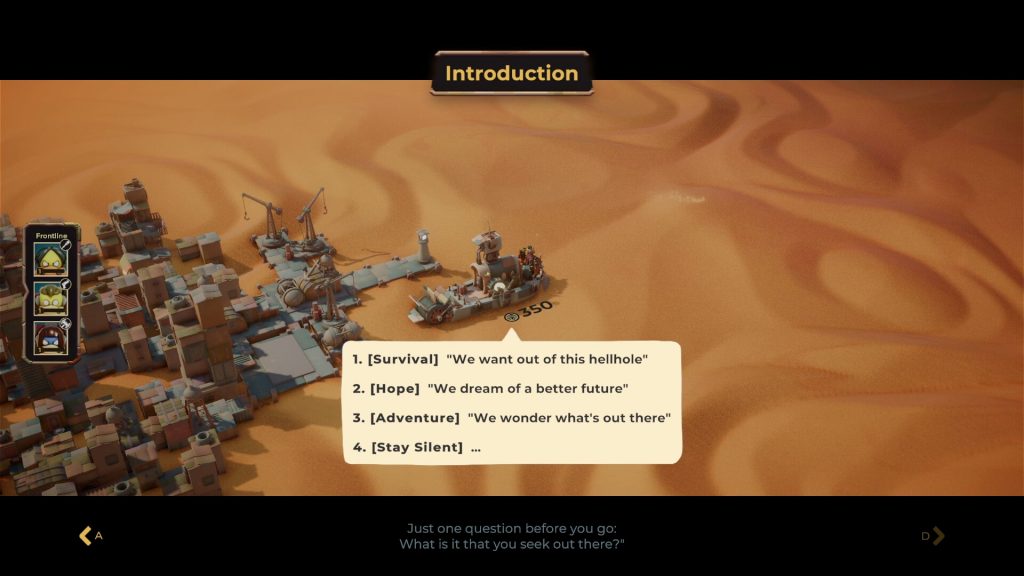
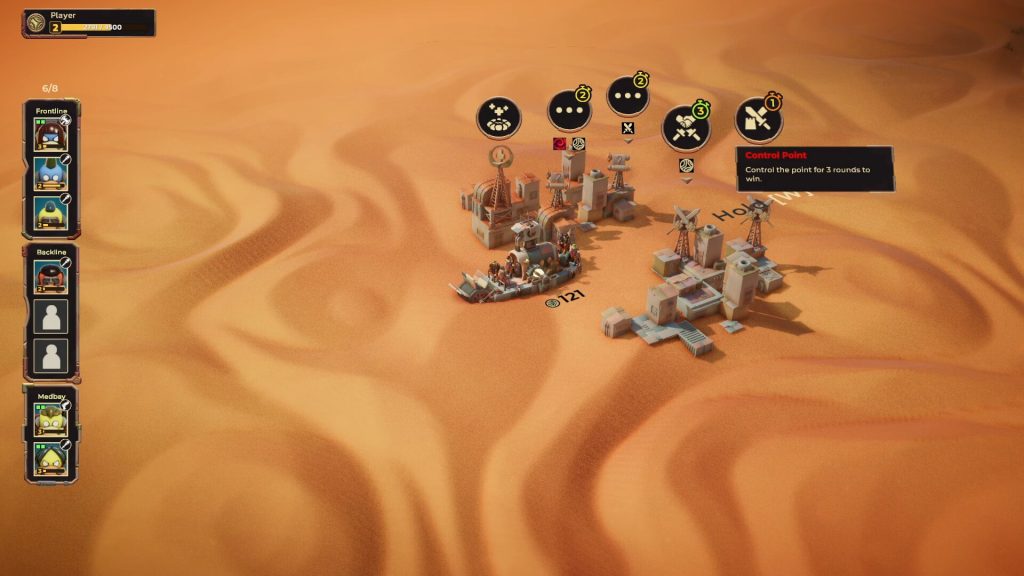
Failure doesn’t zero out progress: modules and survivors can be recovered from the wreckage of a previous, destroyed sandship, and the dynamically generated world lays out a different route every run — the standard roguelite replay engine, here specifically tied to the terrain-destruction system so that a failed run’s physical aftermath (a wrecked ship, scattered modules) has narrative and mechanical presence rather than simply resetting to zero.
Who This Is For
Strong fit for: tactics genre veterans who want battlefield manipulation as a core system rather than a gimmick layered on standard positioning play; roguelite fans who want resource management with genuine moral weight attached to it; players who appreciate long, publicly-iterated development cycles with visible festival-circuit polish; indie.io catalog followers.
Cautious fit for: players who want a large existing review base before buying (currently just 5 reviews, unscored); anyone sensitive to resource systems that use crew members’ lives as literal fuel; players who prefer static, puzzle-like tactical battlefields over ones they can actively reshape.
Less ideal for: players who dislike turn-based tactics regardless of systems depth; anyone seeking real-time combat; players wanting multiplayer.
The Takeaway
Dunebound Tactics is four years of custom engine work arriving at the exact moment Steam’s Party-Based RPG Fest opened — a turn-based tactical roguelite where destructible, actively reshapeable terrain is the real skill expression, and where the fuel that keeps your sandship moving might have to come from a crew member’s own body. Fifteen classes, sixteen traits, fifty-plus modules, and thirty-eight enemy types give the roguelite structure room to breathe; the Elios system gives every one of those runs genuine moral stakes.
Haven is out there somewhere. Everyone who’s chased it became part of the desert. And the ice pillar you just raised to block a retreat might, three turns from now, also be the trap that decides who doesn’t make it back to the ship.
$14.99, 20% off through September 28. Available now on Steam.
Information regarding ‘Dunebound Tactics’
| item | detail |
|---|---|
| Developer | Terahard Studios |
| Publisher | indie.io |
| Genre | Indie, RPG, Strategy (Turn-based Tactical Roguelite) |
| platform | PC (Steam) |
| Release date | September 14, 2026 |
| language | Unconfirmed based on press release |
| price | $14.99 (20% launch discount until September 28) |
| Reactions/Evaluations | 5 user reviews, pre-score calculation stage |
| Steam Page | Shortcut |