A pixel art MMORPG with over one million players is coming to Steam for the first time. The unusual part is that those million players are already there — having found Soulbound through browsers and Discord before a Steam page even existed. UK indie studio Spiderware’s Early Access launch on July 21 isn’t a starting point; it’s a platform expansion for an MMORPG that has been running, growing, and building community through unconventional distribution channels since winning Discord’s ‘Adventure Together’ App Pitching competition in 2024.
The Steam Next Fest demo — 7+ hours of content, not a vertical slice — is itself an unusual statement. GameDaily called it “a bold decision that shows Spiderware’s strong confidence in their game, meaning players can sufficiently experience it before purchase.” The 7-hour demo also accurately reflects the project’s nature: this is a game with mature content, not a first-draft concept being validated.
The Distribution Story
The commercial story behind Soulbound deserves direct examination because it’s genuinely unusual and its lessons extend beyond the game itself.
Most games follow a predictable distribution path: build the game (or a vertical slice), launch a Steam page, accumulate wishlists through press coverage and social media, and release through Steam Early Access. Steam is where games find audiences; that’s how indie gaming typically works in 2026.
Soulbound found its million players without any of that. Discord, as a game distribution platform, is still developing — Spiderware’s 2024 win of the ‘Adventure Together’ pitching competition gave them visibility within Discord’s gaming community and presumably access to promotional infrastructure within the platform itself. Browser accessibility eliminated the download barrier that Steam still imposes. And critically, they had time: the game was running and being played by real people for long enough to build the kind of community that million-player numbers represent.
GameGrin’s framing is accurate: this is a unique case of growth outside traditional distribution structures. The Steam launch isn’t a market test. It’s an established game entering a new distribution channel, bringing an existing community with it.
What makes this commercially interesting: Soulbound arrives at Steam Early Access with something almost no Early Access game has — a proven player base that has already demonstrated sustained engagement over an extended time. The Steam rating of Early Access games often fluctuates dramatically as initial enthusiasm meets actual content. Soulbound enters with players who already know what they’re getting.
The Nostalgia MMORPG Foundation
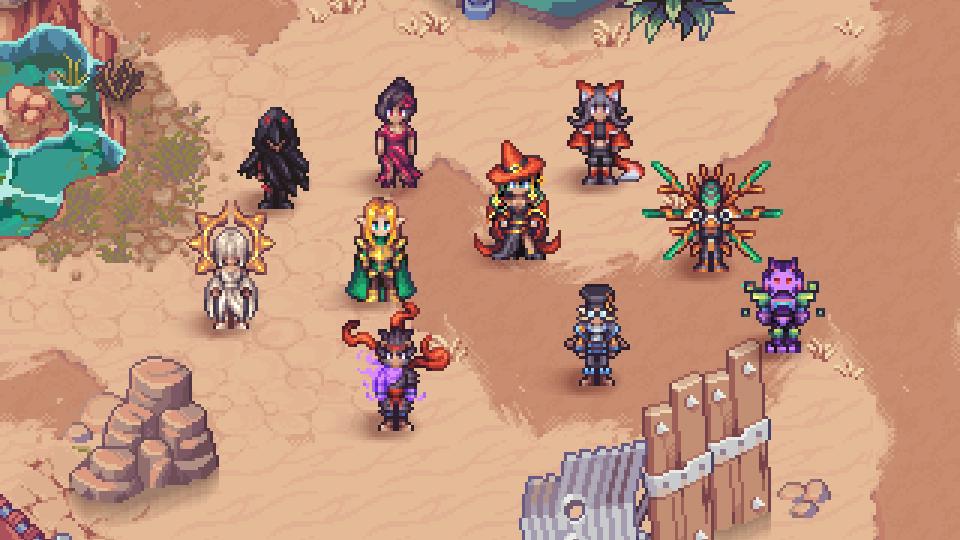
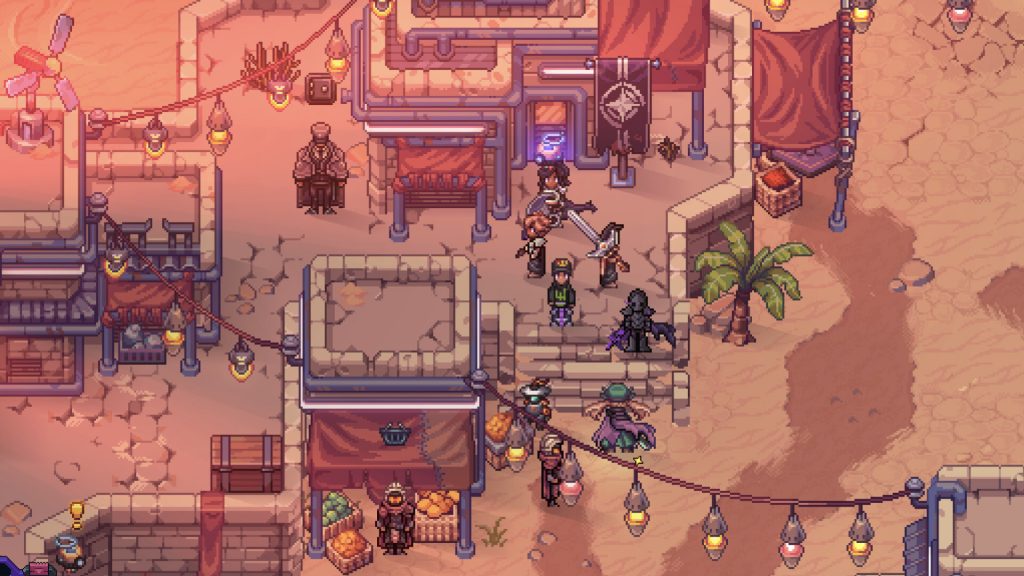
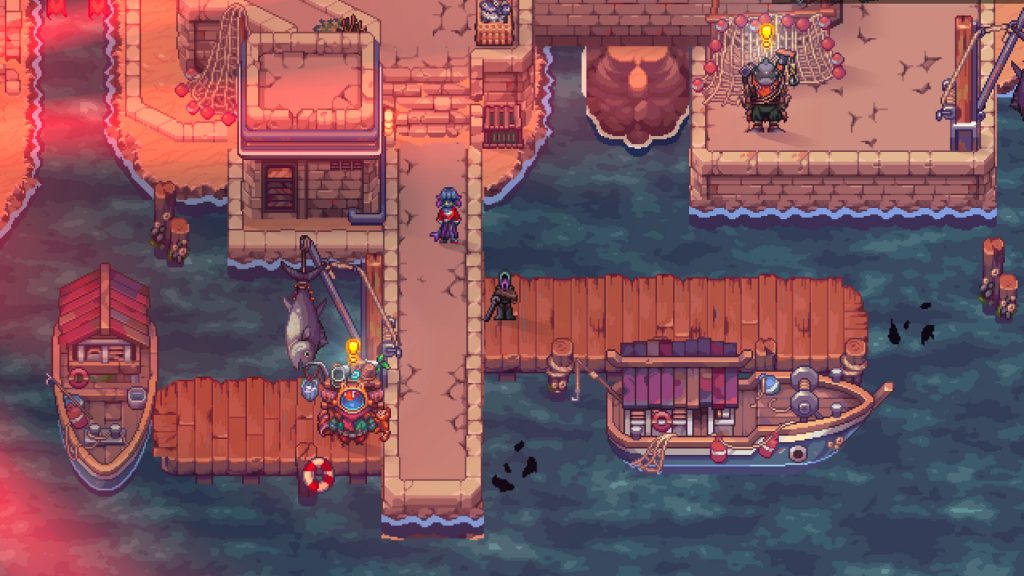
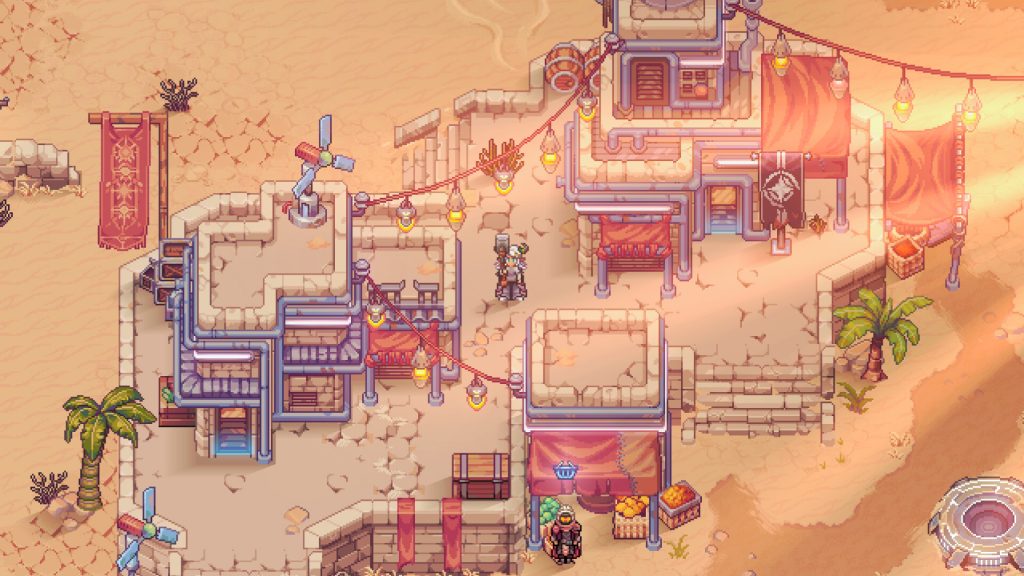
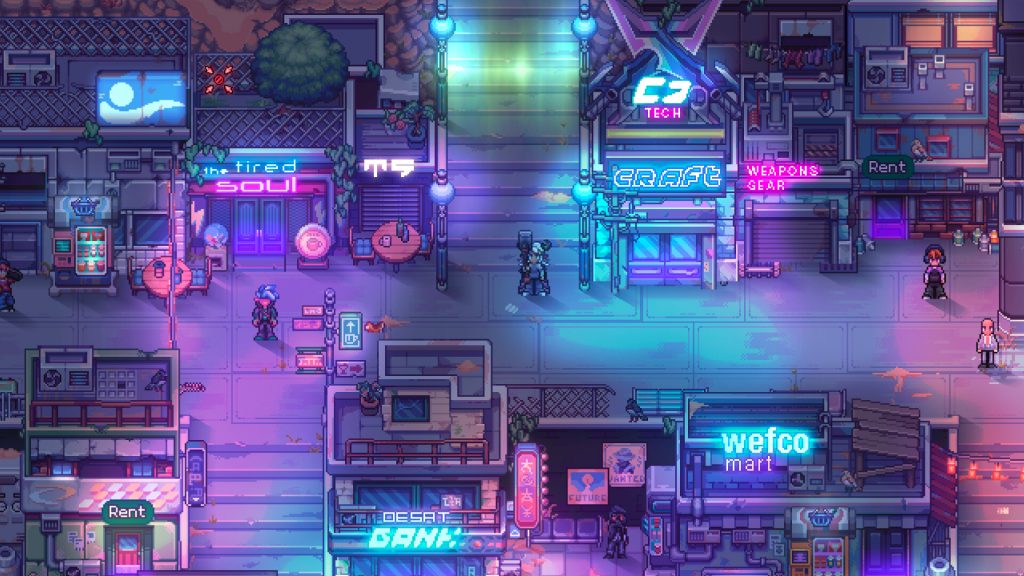
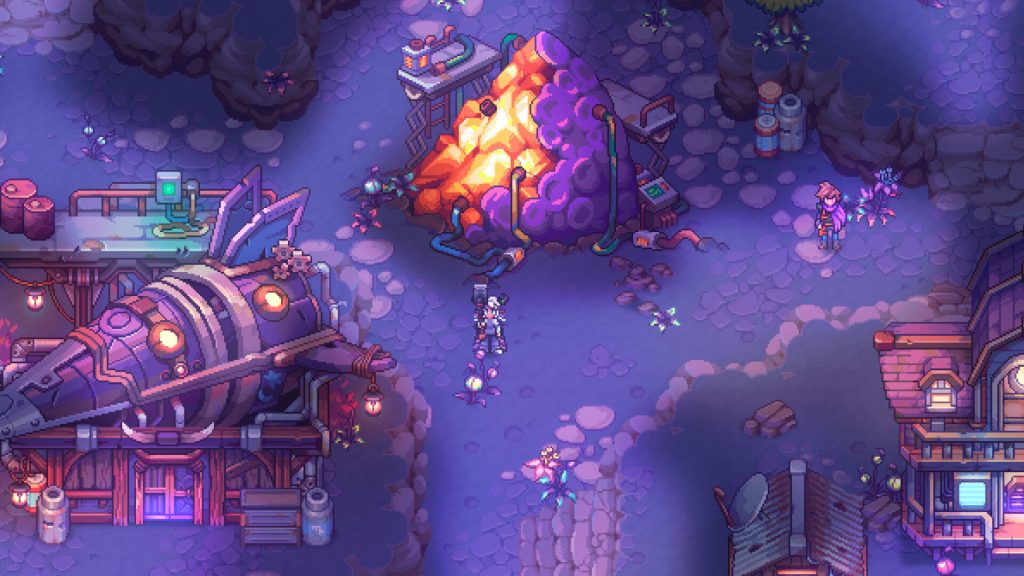
Soulbound‘s fundamental design proposition is familiar to a specific gaming demographic: the classic MMORPG experience rendered in nostalgic pixel art. The comparison points aren’t subtle — players who grew up with RuneScape, MapleStory, Ragnarok Online, or browser MMOs of the 2000s will immediately recognize the aesthetic and structural DNA.
This is a deliberate positioning. The MMORPG genre has undergone significant design evolution since those games’ peaks, with World of Warcraft‘s dominance and subsequent shifts toward more action-oriented mechanics, streaming-focused content, and live-service models. The nostalgic pixel MMORPG occupies a specific position: familiar enough to require no learning curve for players with prior MMORPG experience, simplified enough compared to modern MMO complexity to be accessible to players who bounced off post-WoW MMOs.
The narrative setup — player awakening in a digital world, mysterious entities called “The Anima,” robot companion assistance, unraveling secrets — provides the RPG scaffolding that motivates progression without requiring the elaborate world-building that dedicated MMORPG lore demands. This is a game about the experience of playing an MMORPG, wrapped in enough story to give actions meaning.
The Build and Class System
The 12+ ability types and various skill trees supporting tank, healer, and DPS role building are the class system approach that MMORPGs developed and that players who engage with the genre expect. The specific design philosophy — freedom to build your preferred role through ability selection rather than choosing a locked class at character creation — reflects contemporary MMORPG design sensibility over the older forced-class-selection model.
This matters for cooperative play specifically. Successful MMORPG group content depends on role composition — the dungeon group needs healing, damage mitigation, and damage output in some proportion. When players choose roles through build rather than through class, groups can adapt to available players rather than requiring specific class compositions.
The 3-player maximum for cooperative content is notably smaller than traditional MMORPG raid groups but larger than solo play. This places Soulbound in the “play with a small group of friends” zone rather than requiring large guild coordination for meaningful content — a design choice that reduces the social friction that keeps many players from engaging with MMORPG group content.
The Housing System as Base of Operations
The housing system is doing more design work than decorative housing typically does. Soulbound‘s player houses function as resource management hubs, equipment crafting stations, and upgrade facilities — not just customizable personal spaces but functional infrastructure that scales with character progression.
This design philosophy makes housing intrinsically connected to character power rather than cosmetically adjacent to it. Players who invest in housing aren’t spending resources on aesthetics at the cost of character progression; they’re building infrastructure that enables progression. The distinction matters for player engagement: housing that affects power creates reasons to engage with it even for players who wouldn’t otherwise prioritize customization.
The connection between character growth and housing development creates parallel progression tracks that give engaged players more to work toward simultaneously. This is the design approach that Stardew Valley‘s farm building and Animal Crossing‘s island development demonstrated successfully — player-space investment creating sustainable long-term engagement.
The 7-Hour Demo as Trust Signal
The 7-hour demo deserves more specific analysis than simply noting it’s generous. Seven hours of free content in a single demo represents a specific commitment: Spiderware is betting that players who spend 7 hours with Soulbound will want more, and that the experience is good enough to survive 7 hours of evaluation.
This confidence is earned differently from early-stage confidence. Spiderware has already seen 1 million players engage with the game through browser and Discord. They know from actual usage data what the 7-hour experience looks like for real players. The generous demo isn’t a gamble on untested content — it’s an invitation for Steam users to experience content that has already been validated by the existing player base.
GameDaily’s point about this being “part of a long-running game rather than a vertical slice” is important. A vertical slice demo can misrepresent the full game in either direction — more polished than the rest, or less representative of the full scope. Soulbound‘s demo is excerpted from an actual running game, which means what players experience in the demo is what the game actually is.
The cosmetic reward for completing the main quest during the demo (transferring to the Early Access account) creates both completion incentive and soft purchase pressure. Players who finish the quest, receive the exclusive cosmetic, and feel the investment they’ve made are better positioned to convert to paying Early Access players than players who bounced off the demo without completing it.
The Community-as-Content Model
One structural advantage of an established MMORPG community that Steam Early Access new releases can’t replicate is the existing player ecosystem. Soulbound arrives at Steam with guild structures, player knowledge bases, community Discord channels, and established social networks already in place.
For new players entering through Steam, this means immediately encountering a game with an active community rather than the empty-server experience that haunts many MMORPG launches. The guild system is functional rather than aspirational. Content knowledge exists in community guides and discussions rather than requiring self-discovery.
The planned events during the demo period — faction selection competition, progress sharing through Discord — extend this community engagement into the Steam Next Fest period specifically. Players who participate in these events experience Soulbound not just as a game but as a community activity, which is the experience that makes MMORPGs retain players beyond initial novelty.
The Spiderware Development Context
Spiderware is a UK indie studio whose entire visible commercial existence has been built around Soulbound. The 2024 Discord pitching competition win provided initial visibility; the sustained development through browser and Discord built the team’s experience with live service management, community feedback integration, and content delivery in ways that pre-release development alone can’t provide.
This means the July 21 Early Access launch is being executed by a team that has already managed a live service game for real players, not by a team doing this for the first time. The bug-fixing, balance adjustment, community management, and content delivery challenges that sink many MMORPG Early Access launches are challenges Spiderware has already navigated.
Whether the specific challenges of Steam Early Access — different community culture, different expectation management, different review dynamics — present new difficulties will emerge in the post-launch period.
Who This Is For
Strong fit for: MMORPG fans seeking the nostalgic pixel art genre experience without modern MMO complexity; RuneScape, MapleStory, or early browser MMO players who want something familiar but actively developed; players who want small-group cooperative play (2-3 friends) without large raid requirements; casual MMO players who want meaningful solo progression alongside optional group content; players who specifically appreciate the credibility of an established community; anyone who has heard about Soulbound through Discord and wants the Steam experience.
Cautious fit for: hardcore MMO players expecting World of Warcraft or Final Fantasy XIV complexity and content depth; players who specifically value fresh-launch MMO experiences over established communities; anyone who prefers modern 3D visuals over pixel art aesthetics.
Less ideal for: players who avoid MMORPGs entirely; anyone who finds persistent progression in online games concerning; players seeking purely solo experiences without multiplayer design considerations.
What to Watch For
A few questions will shape Soulbound‘s Steam Early Access launch.
The first is retention beyond the demo. The 7-hour demo may successfully convert players to Early Access purchases, but MMORPG retention requires ongoing content delivery. How the Steam Early Access content pipeline compares to what browser and Discord players have been receiving will determine whether new Steam players sustain engagement.
The second is Steam community integration with the existing player base. Merging 1 million browser/Discord players with a new Steam player cohort creates potential friction around economy balance, progression advantages for established players, and community culture differences. How Spiderware manages this integration will significantly affect the new player experience.
The third is the Early Access content scope and pricing. The article doesn’t specify the Early Access price — positioning it correctly relative to the content available and the free browser alternative will be important for Steam player perception.
The fourth is ongoing content delivery. MMORPGs survive on content updates; what the post-launch update cadence looks like for Steam Early Access players will determine long-term engagement.
The Takeaway
Soulbound is one of 2026’s more interesting MMORPG stories, less because of what the game itself does — nostalgic pixel art MMORPG is a known and beloved formula — and more because of how it arrived at this moment. A million players built through browser and Discord before Steam. A 7-hour demo that functions as an excerpt from a real game rather than a promotional preview. An Early Access launch backed by proven community engagement rather than wishlist speculation.
For MMORPG enthusiasts specifically, the free demo provides 7 hours to evaluate whether the formula delivers. The nostalgic pixel art presentation either resonates or it doesn’t, and 7 hours is enough to know. For the broader indie gaming world, Soulbound‘s distribution story offers something unusual: evidence that meaningful MMORPG communities can be built through platforms other than Steam, and that Steam launches don’t have to be starting points.
The Anima’s secrets wait in the pixel world. The dungeons scale with 3-player cooperation. The guild structures are already populated. And one million players are already there, having found the game before most of the game industry knew it existed.
July 21 isn’t Soulbound‘s launch. It’s just the moment it finally reaches Steam.
Information regarding ‘Soulbound’
| item | detail |
|---|---|
| Developer / Publisher | Spiderware (UK) |
| Genre | Pixel Art MMORPG / Action Roguelite / Cooperative Dungeon Crawler |
| Release platform | PC (Steam) — Parallel to existing browser and Discord versions |
| Official release date | July 21, 2026 (Early Access) |
| demo | Steam Next Fest Free Demo Available (7+ hours) |
| Number of existing players | 1 million+ (Browser · Discord) |
| Awards | Discord ‘Adventure Together’ App Pitching 2024 Winner |
| core system | Character Build (Tank · Healer · DPS) / Dungeon / Guild / Housing System / Crafting |
| Play Mode | Solo / Up to 3-player co-op |
| Demo Bonus | Exclusive cosmetic upon completing the main quest (carried over to Early Access account) |
| Main Keywords | MMO, Pixel Art, Dungeon, Roguelite, Guild, Co-op, Browser Game, Discord |
| Official Channel | Discord · Official Website |
| Steam Page | Go to Wishlist/Demo |