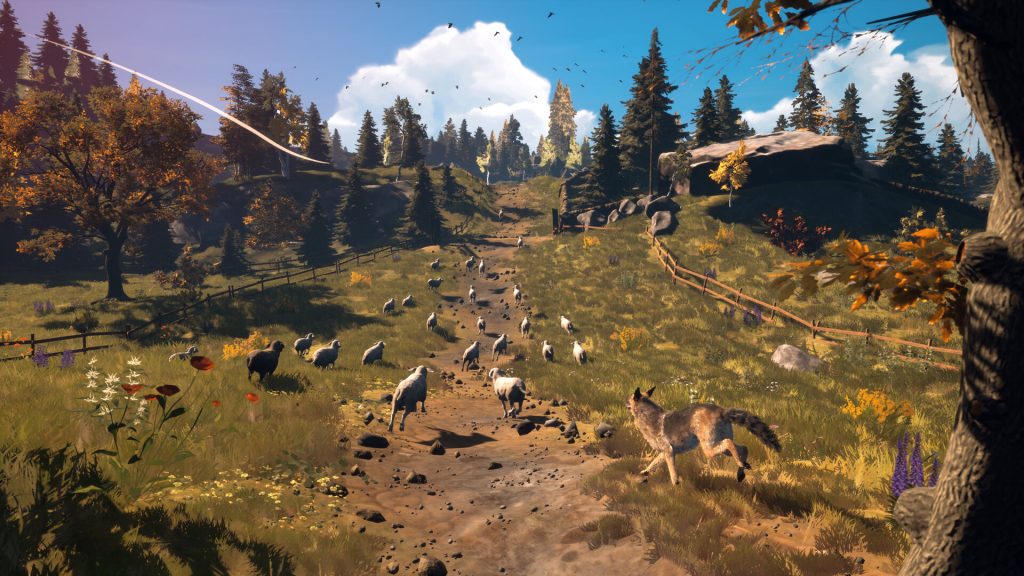
The first task is simple: guide dozens of sheep safely across the meadow. But the sheep are unfocused, the farmer is impatient, and somewhere from the northern wilderness, an unexplained call is growing harder to ignore. Hubert, the upcoming narrative adventure from Czech three-person studio Brocap Studio, puts players inside the perspective of a herding dog who firmly believes he is the hero of his own story — and who may be right. Winner of the Best Game award at Game Access 2026 through audience-wide voting, the project has accumulated 30,000+ Steam wishlists and earned critical attention across European gaming media.
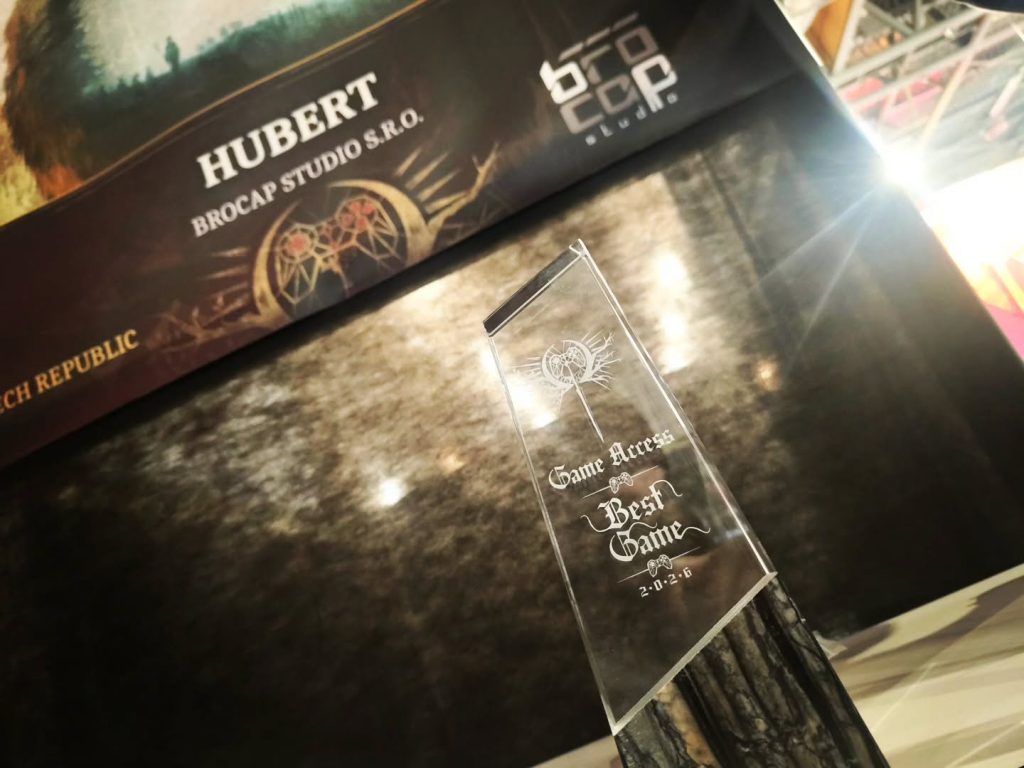
At the annual Game Access conference — Central Europe’s largest gaming event, held in Brno — Hubert won the crowd award, where all festival attendees voted regardless of industry affiliation. For a three-person self-funded indie to take this prize, competing against developers, publishers, and larger studios is exactly the kind of validation that pre-launch reception struggles to manufacture.
The Sheepdog Protagonist Framework
Hubert occupies a specific type of creative territory that games rarely explore: the animal protagonist game that takes seriously what it actually means to be that animal, rather than using the animal as a human avatar in fur.
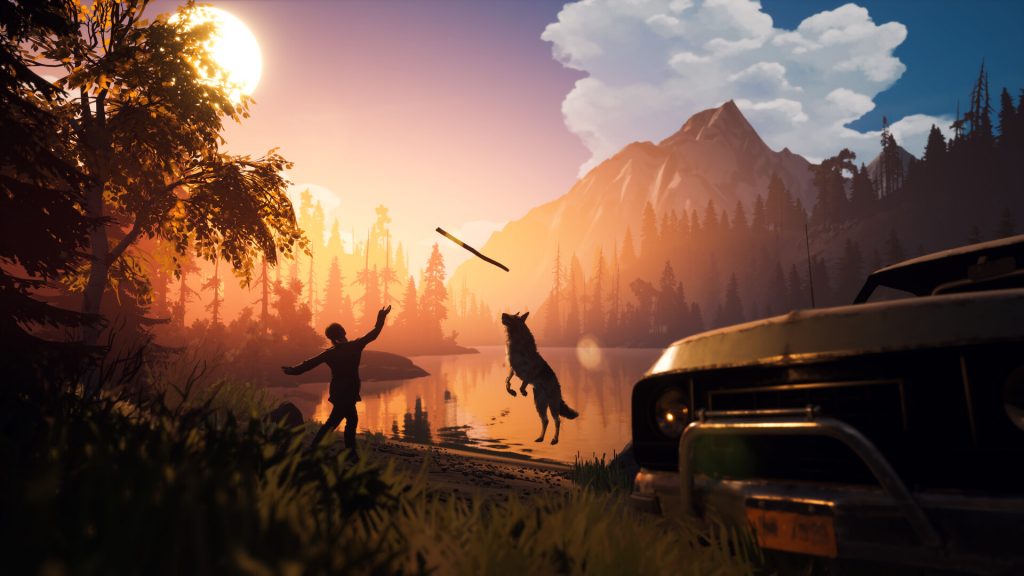
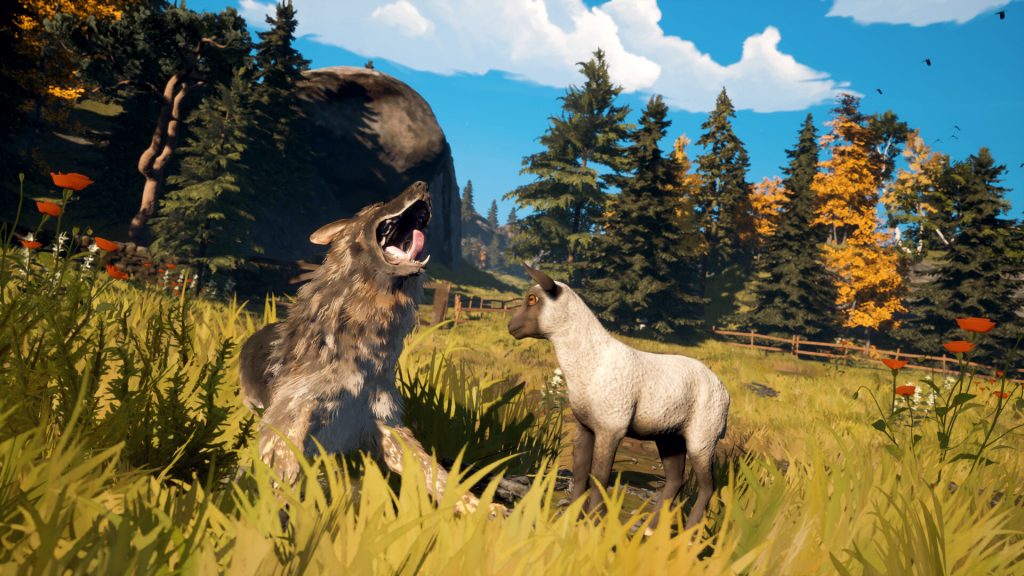
The protagonist is Hubert — a furry sheepdog who firmly believes himself the hero of his own story. This self-aware characterization doesn’t flatten Hubert into simple comedy or pure realism; it creates productive tension between his dog’s instincts and perspective and his apparent self-narrative as protagonist. Players experience the world through movement, scent, and instinct rather than human cognitive frameworks.
This commitment to animal perspective is the project’s defining creative choice. Many animal-protagonist games use the animal character as aesthetic cover over essentially human gameplay. Hubert appears to commit more deeply: scent tracking as a primary mechanic, instinctive responses to predator presence, herding sheep through vocal commands rather than human tools. The gameplay verbs reflect what sheepdogs actually do rather than what human protagonists do.
The sheepdog as protagonist carries specific narrative richness. Herding dogs live at the intersection of instinct and trained behavior — they have natural impulses that their training has shaped and redirected, but those impulses persist. The tension between Hubert’s role as a trained herding companion and the “wild call” from the northern wilderness isn’t just a plot device; it’s structurally embedded in the reality of what herding dogs experience.
Companion character Lily — the clever girl who negotiated the farming position for both of them — provides the human perspective that contextualizes Hubert’s dog perspective. This duo structure (animal protagonist paired with a human who handles human-scale communication and problem-solving) allows the narrative to engage with the full social world while maintaining the dog’s point of view as primary.
The Czech Development Pedigree
Brocap Studio’s team backgrounds provide important context for evaluating Hubert‘s production quality prospects. The three-member team includes veterans of Mafia: The Old Country, Last Train Home, and Crime Boss: Rockay City — projects spanning multiple genres and production scales.
This development pedigree is significant in ways that require unpacking for international audiences. The Mafia series is particularly important in the Czech context. Illusion Softworks (later 2K Czech and Hangar 13) developed the original Mafia games in Brno, Hubert’s development city. The series has been one of the most significant gaming franchises to emerge from Central European development, establishing the Czech Republic as a serious gaming development nation.
Last Train Home represents a more recent Czech gaming achievement — a WW1 narrative strategy game that received positive critical reception and demonstrated Czech indie capacity for historically grounded narrative work. Crime Boss: Rockay City brought a different genre experience (multiplayer heist) to the team’s collective background.
The combination of these experiences suggests a team with capability across narrative design, game feel, and production quality management that pure indie beginners typically lack. Hubert‘s detailed environment design, scent-tracking system, and atmospheric audio appear to reflect this accumulated production competence.
The 3+ million CZK self-investment (approximately €120,000) represents a genuine financial commitment for a three-person team. This isn’t a weekend game jam project — it’s a sustained investment in a specific creative vision funded by the developers themselves.
The Atmospheric Visual Language
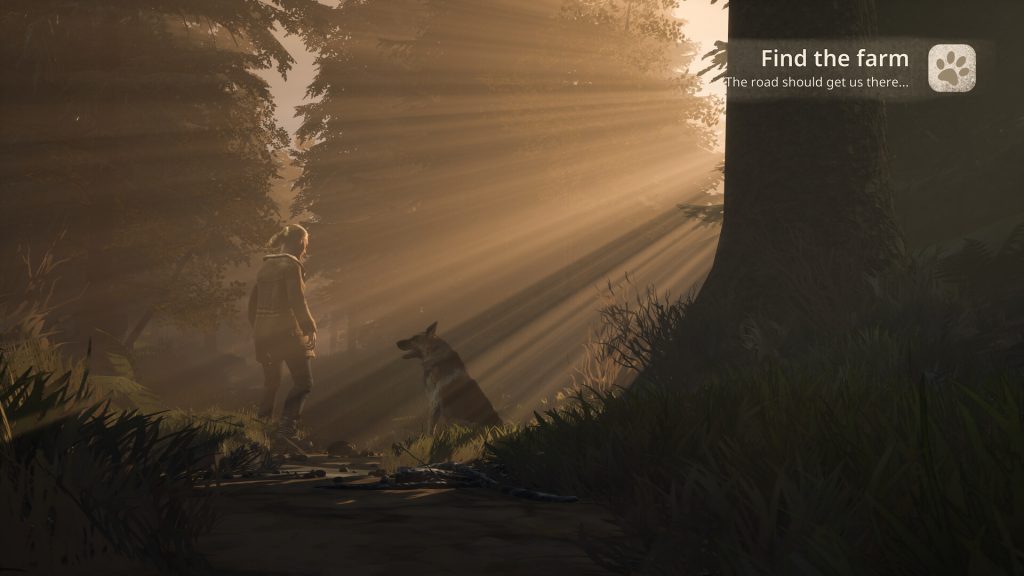
The visual approach combines 3D naturalistic rendering with hand-drawn animation to create a visual identity that distinguishes Hubert from both pure photorealism and pure cartoon styles. The northern wilderness setting — vast meadows, rough moorlands, weather that changes character across different conditions — provides a visual foundation that gameplay reinforces.
The atmospheric approach prioritizes quiet tension over spectacular visual events. The development team explicitly emphasized “silent tension” over “spectacular effects” — a choice that reflects a specific understanding of how dogs experience the world. Dogs don’t process the world through dramatic visual spectacle; they process it through accumulated sensory information and responsive pattern recognition. The game’s visual restraint mirrors this processing mode.
The hand-drawn animation layer adds warmth to the naturalistic environment. Pure photorealism can feel cold in ways that stylized animation softens — and for a narrative game that needs player emotional investment in the sheepdog protagonist, warmth is essential. The combination appears designed to make the world feel real enough to take seriously while feeling warm enough to care about.
Environmental storytelling through carefully placed details rewards attentive players. The world communicates through small discoveries rather than explicit narrative signposting. This approach suits the dog’s perspective — sheepdogs navigate environments through accumulated observation of small details rather than through reading signs or following maps.
The audio design reinforces the perspective. Hubert’s barks for directing sheep, the wind across the wilderness, distant, unfamiliar sounds — the soundscape builds from the dog’s perspective outward. Players hear what Hubert hears rather than experiencing an omniscient ambient soundtrack.
The Scent Tracking System
The scent tracking mechanic is Hubert‘s most mechanically distinctive element, and it’s doing work that most gameplay systems don’t attempt. Scent leaves trails that can guide players to scattered sheep or environmental clues. But weather affects scent persistence — rain can eliminate trails, wind can disperse them, and changing conditions require players to adapt their tracking strategies.
This system is rare in games because scent is one of the senses that interactive media can’t directly replicate. Games can represent sight through visual display and hearing through audio, but smell exists only as a metaphor in interactive form. The scent tracking system translates olfactory experience into visual indication while preserving the underlying logic of how scent works — not as permanent markers but as environmental information that degrades over time and varies with conditions.
For the sheepdog narrative, this system is thematically essential. Herding dogs navigate primarily by scent. A game about a sheepdog that ignored scent would be a game about a dog in name only. The commitment to implementing scent tracking as a central mechanic represents the kind of design decision that distinguishes games genuinely trying to embody their protagonist from games that use animal protagonists as an aesthetic surface.
The dynamic aspect — how weather changes scent persistence — adds strategic depth that static marker systems can’t achieve. Players who played the same route differently depending on conditions would experience different challenges from the same content, extending replay value and making environmental observation genuinely important.
The Wild Call Narrative Thread
The most narratively interesting element in Hubert‘s premise is the tension between domestic role and the “unexplained call from the northern wilderness.” This conflict embeds the nature-versus-nurture dimension of dog existence directly into the narrative.
Herding dogs are domesticated animals with wolf ancestry. Their herding behavior is actually redirected predatory instinct — the circling, the responsive movement, and the intense focus were all once hunting behaviors. Domestication didn’t eliminate these instincts; it redirected them. The “wild call” that pulls Hubert represents exactly this repressed natural dimension of his heritage.
This provides Hubert with thematic depth that pure herding gameplay couldn’t generate. The daily job of protecting the sheep and the private pull toward the wild operate in different registers — one is duty and relationship, the other is instinct and individual identity. The narrative tension between these forces is genuinely interesting rather than manufactured.
The “hero of his own story” self-characterization that the game uses to describe Hubert adds another layer. Hubert believes he’s the protagonist — and the wild call suggests maybe he’s right, maybe his story is larger than herding sheep for a demanding farmer. The question of whether following the wild call represents growth or abandonment gives the narrative genuine moral complexity.
Game Access Conference Recognition
The Game Access Conference award deserves specific attention. Game Access is Central Europe’s largest gaming conference, held in Brno, which is also Hubert‘s development city. The home-field advantage is real, but the award being determined by audience-wide voting rather than industry jury selection changes the evaluation context significantly.
Audience voting awards don’t reflect industry insider preferences; they reflect which games resonate most viscerally with diverse festival attendees. Conference audiences include players, enthusiasts, and professionals across multiple specializations — winning this kind of audience choice award suggests the game’s appeal extends beyond specialist gaming knowledge to broad emotional resonance.
For Hubert specifically — a small self-funded project from a three-person team competing against studios with larger resources — this audience award represents the game world’s equivalent of a standing ovation. Festival visitors who could vote for anything chose Hubert as their favorite game.
GameDaily’s coverage recognized the core innovation: “a fresh setup that builds the entire game around the sheepdog’s perspective and instincts rather than traditional hero frameworks.” One YouTube gaming outlet described it as “like a playable animated film that makes you look at the world from the dog protagonist’s perspective — very moving.” These responses from different critical perspectives converge on the same quality: Hubert genuinely achieves the animal perspective it attempts.
European Gaming Context
Hubert emerges from a specific European indie tradition worth contextualizing. The Czech Republic has been producing significant gaming work across multiple generations — from the Mafia series to Kingdom Come: Deliverance to various recent indie projects. The country’s gaming development ecosystem benefits from strong technical education, relatively lower operational costs than Western Europe, and a cultural willingness to pursue historically and narratively ambitious projects.
The attention from Ukrainian gaming communities — noted in press coverage — reflects broader Eastern and Central European gaming cross-cultural interest. Hubert‘s emotional register and Northern European atmospheric aesthetic appear to travel well across the Central-Eastern European gaming audience.
The Game Access Conference itself represents the institutional infrastructure supporting Central European gaming development. Events that aggregate developers, publishers, and enthusiasts provide the networking and visibility that sustain regional gaming ecosystems. Hubert winning the audience award at this event positions it within the regional ecosystem while enabling international press visibility through conference coverage.
Who This Is For
Strong fit for: narrative adventure enthusiasts seeking distinctive protagonist perspectives; Hounded fans interested in similar animal-protagonist narrative work; players who appreciated Shelter or Endling‘s animal perspective emotional registers; Horizon Zero Dawn fans who loved Aloy’s world through detailed environmental storytelling (similar atmosphere, different perspective); players who specifically want farming/herding gameplay with narrative depth; Central European gaming scene followers; anyone who appreciated What Remains of Edith Finch‘s variety of perspective-switching narrative experiences.
Cautious fit for: players who prefer action-focused protagonists over contemplative animal perspectives; anyone uncomfortable with the emotional weight animal-in-danger narratives sometimes produce.
Less ideal for: players seeking combat-focused adventure gameplay; anyone who finds slow-paced atmospheric exploration boring rather than meditative; players who specifically avoid animal protagonists.
What to Watch For
A few questions will shape Hubert‘s reception when the release arrives.
The first is narrative length and pacing. The scent-tracking mechanics and herding gameplay need sufficient content depth to sustain engagement across the full campaign. Whether Brocap Studio has built enough content variety to support whatever runtime they’re targeting will significantly affect critical reception.
The second is the wild call narrative resolution. The tension between domestic herding life and the wilderness call provides Hubert‘s core narrative interest. How this resolves — whether the game commits to genuine moral complexity or defaults to expected narrative beats — will determine whether the game achieves the emotional depth the premise suggests.
The third is the scent system implementation across the full game. The mechanic is distinctive and appropriate but also demanding to implement well across diverse scenarios. Whether the scent tracking remains engaging across repeated use or becomes tedious will affect the gameplay experience significantly.
The fourth is the visual and audio direction’s consistency across the full game. Atmospheric games live on sustained tone; a shift in visual or audio quality partway through can break the immersion that atmospheric games depend on.
The Takeaway
Hubert is one of the more genuinely distinctive indie projects on the upcoming release calendar. This three-person Czech studio has produced a narrative adventure about a sheepdog that takes both the animal perspective and narrative ambition seriously. The Game Access Conference audience award, the 30,000+ wishlists, and the enthusiastic critical coverage from multiple international sources all suggest the project has found the resonance that good games find when their design intentions land as intended.
For narrative adventure enthusiasts specifically, this is a clear recommendation from the wishlist. The animal protagonist with genuine scent-tracking mechanics and the domestic-versus-wild thematic tension provide creative ambition that distinguishes Hubert from the broader narrative game field.
For broader indie gaming observers, Hubert represents Central European indie gaming at its most distinctively personal — a small team’s genuine creative vision, funded by their own resources, winning audience recognition ahead of larger competitors. The stories that make indie gaming worth following aren’t always about commercial scale; sometimes they’re about three people in Brno building a sheepdog game that wins people over at their hometown conference.
Wide meadows stretching to misty horizons. Dozens of sheep that would rather wander than follow. A clever girl named Lily, who handles the human world that Hubert can’t fully navigate. The daily work of herding, protecting, and responding to threats. And somewhere beyond the northern hills, something is calling that Hubert can’t name but can’t stop hearing.
As narrative adventure pitches go, Hubert‘s is one of the more quietly compelling of 2026 — and the free Steam demo provides immediate access to exactly the kind of sheepdog perspective the project promises.
The sheep are wandering. The wilderness is calling. And one of Central European indie gaming’s more distinctive upcoming projects is waiting for players ready to experience the world from ground level, through a dog’s nose and instincts, in the northern wilderness.
Information regarding ‘Hubert’
| item | detail |
|---|---|
| Developer | Brocap Studio sro (Brno, Czech Republic) |
| Publisher | Brocap Studio sro (in-house publishing) |
| Genre | Epic Adventure / Animal Simulation / Exploration |
| Release platform | PC (Steam) |
| Release Date | Undetermined (Demo currently available for free trial) |
| graphics | 3D Naturalism / Hand-drawn Animation |
| Point of view | 3rd person |
| core system | Sheep Herding / Scent Tracking / Environment Response / Predator Management |
| Steam Wishlist | Over 30,000 |
| premier | Game Access Conference 2026 Best Game Award (Vote by All Audience Members) |
| Team size | 3 people |
| Development costs | Self-investment of over 3 million Czech Koruna |
| Team experience | Mafia: The Old Country · Last Train Home · Crime Boss: Rockay City |
| Main Keywords | Dog, Shepherd Dog, Healing, Narrative, Wilderness, Exploration, Emotional Adventure |
| Official Channel | YouTube · Discord · Instagram · X · TikTok |
| Steam Page | Shortcut |