Some games are built around objectives. SUMMERHOUSE is built around their absence. Two years after quietly becoming one of Steam’s most beloved cozy hits, the minimal building sandbox from Berlin-based solo developer Friedemann Allmenröder has arrived on PS5, Xbox Series X|S, and Nintendo Switch — bringing one of the genre’s purest design statements to a much wider audience.
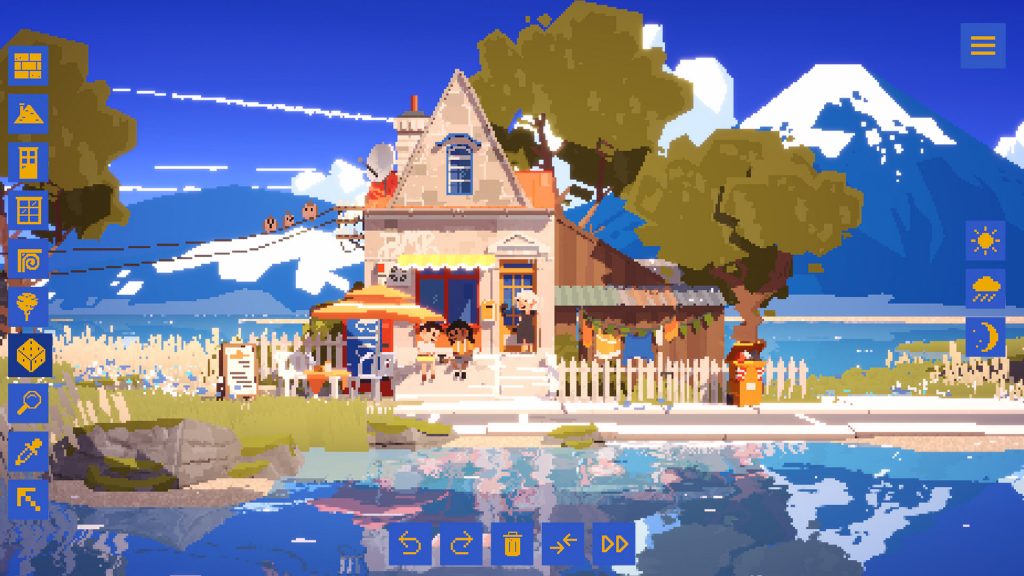
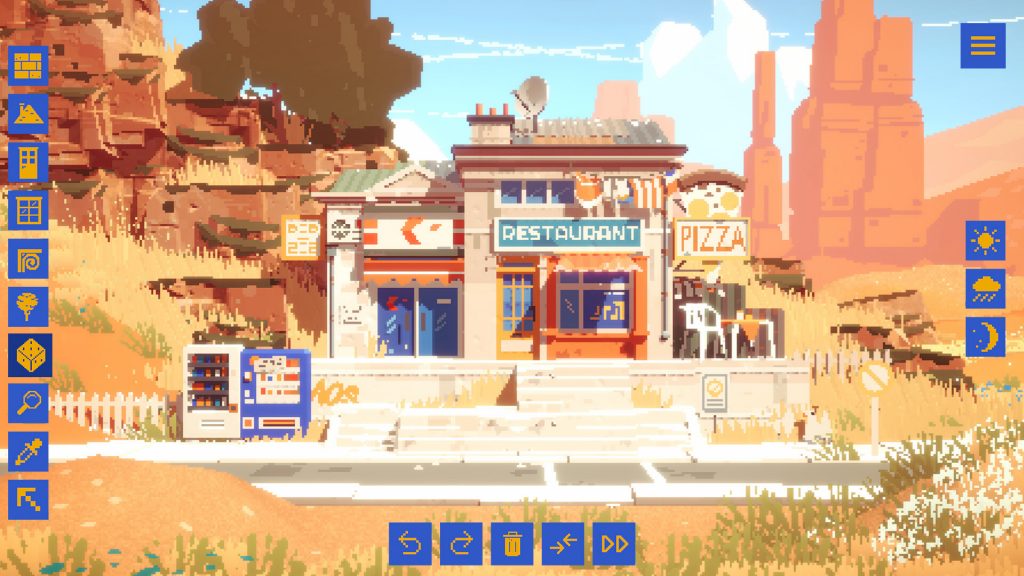
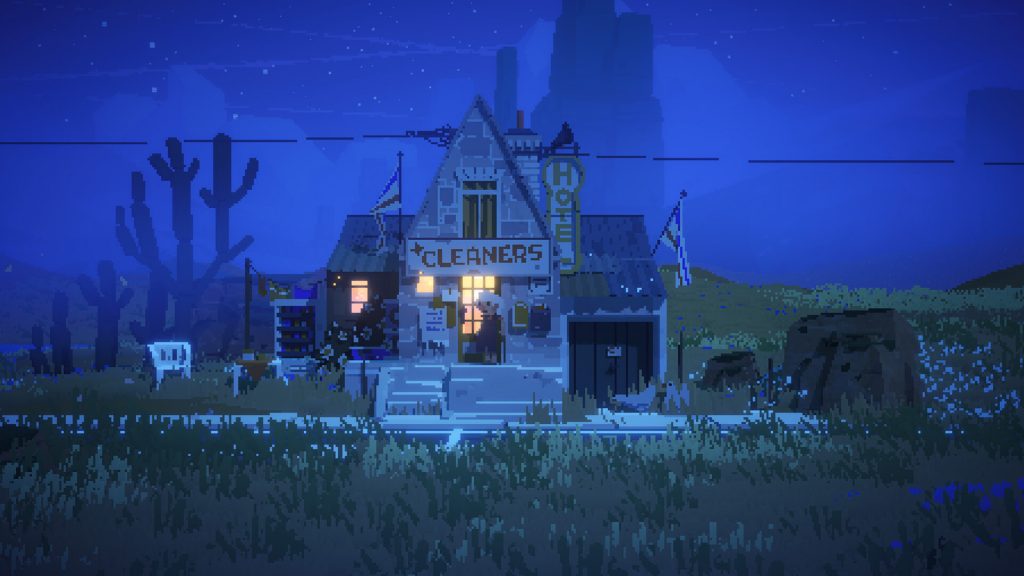
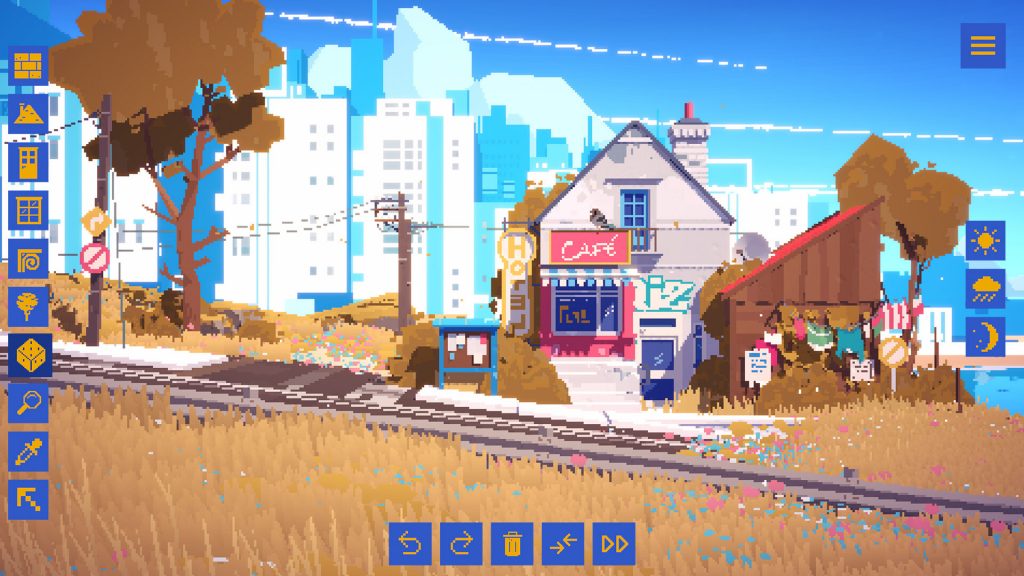
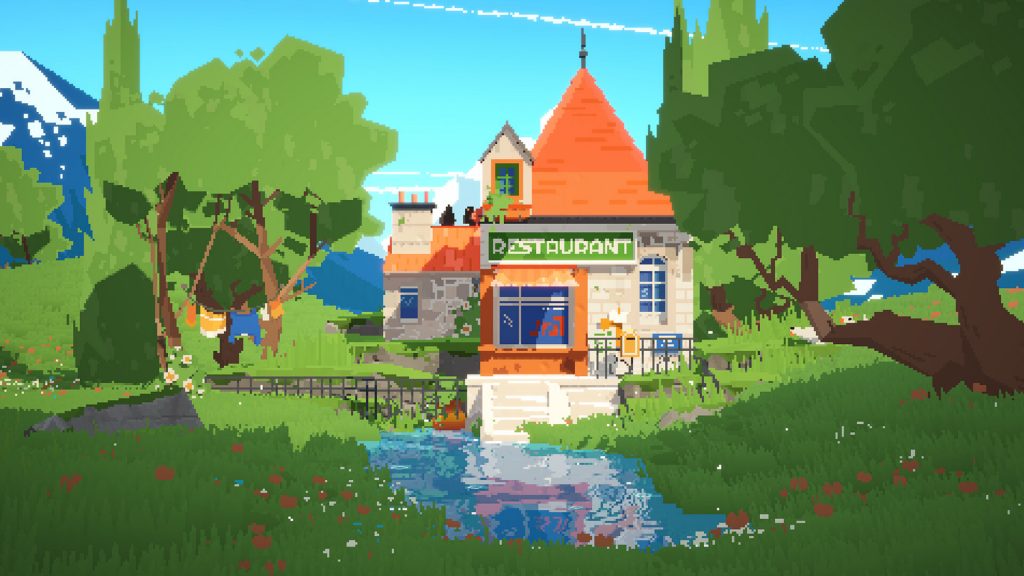
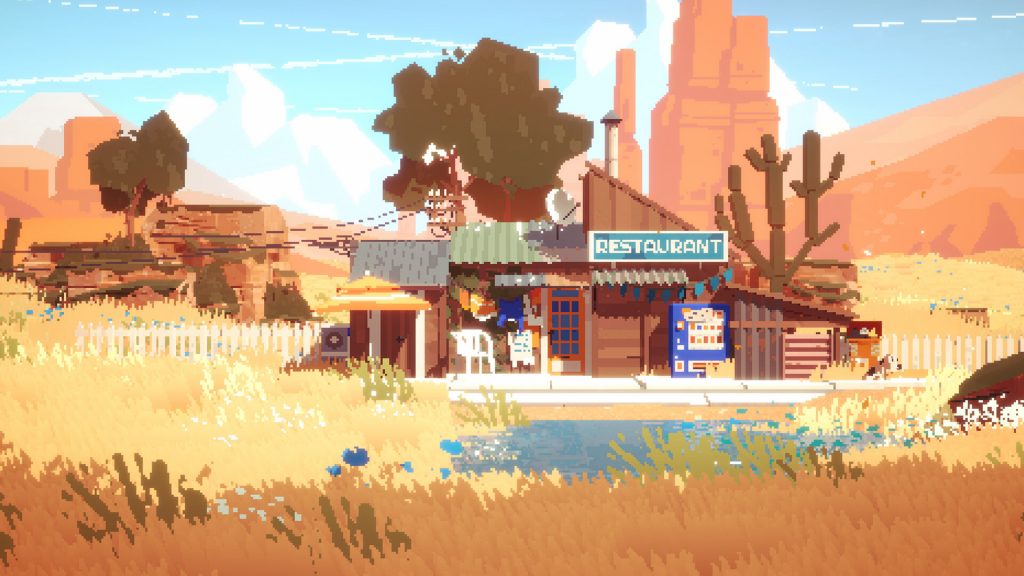
The pitch hasn’t changed. You pick a setting — coast, city, mountain, desert — and you build. There are no resources to manage. No timer. No fail state. No tutorial telling you what to do next. You place blocks, doors, windows, roofs, chimneys, trees, and shrubs, and you make something that looks the way you want it to look. That’s it. That’s the game.
Or, as it’s been more accurately described: that’s the toy.
A Game That Refuses to Be a Game
The most interesting design decision in SUMMERHOUSE is everything it leaves out. Modern building games — even the cozy ones — tend to layer in soft objectives: tasks, milestones, gentle progression hooks designed to keep dopamine flowing. SUMMERHOUSE refuses all of it. There’s nothing to unlock through effort, no progress bar inching forward, no quiet voice telling you you’ve done well.
One PS5 reviewer called it “the perfect antidote for users tired of modern console games that demand constant progression and reward,” noting that the game “doesn’t demand your money, your time, your effort, or your patience.” That framing gets at what makes SUMMERHOUSE unusual: it has confidence in the small, unhurried pleasure of arrangement itself, and it trusts the player to find that pleasure without being herded toward it.
The result is closer to a digital diorama or a coloring book than a traditional game. Whether that sounds wonderful or empty depends entirely on what you want from the medium. The reviewer above also noted a real wrinkle: when nothing tells you what to build, the blank canvas can occasionally feel like pressure rather than freedom — especially with a controller, where placement is slower, and the friction of decision-making becomes more visible. It’s an honest observation, and worth keeping in mind.
Little Bits of Gaming offered a similarly balanced take: “the experience of building houses on pastel landscapes is like the pleasure of doodling in the margin of a notebook,” paired with the caveat that “after the initial novelty fades, the depth of content can feel somewhat shallow.”
Both reviewers are right. SUMMERHOUSE is a game you’ll either return to weekly for years or finish in a long afternoon. There isn’t really an in-between.
A World Built From Pastels and Patience
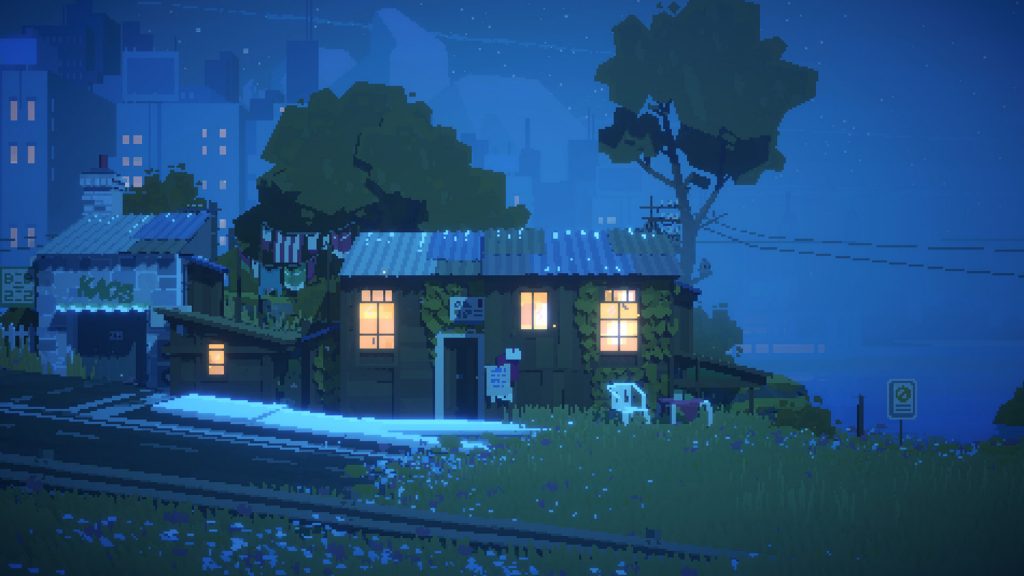
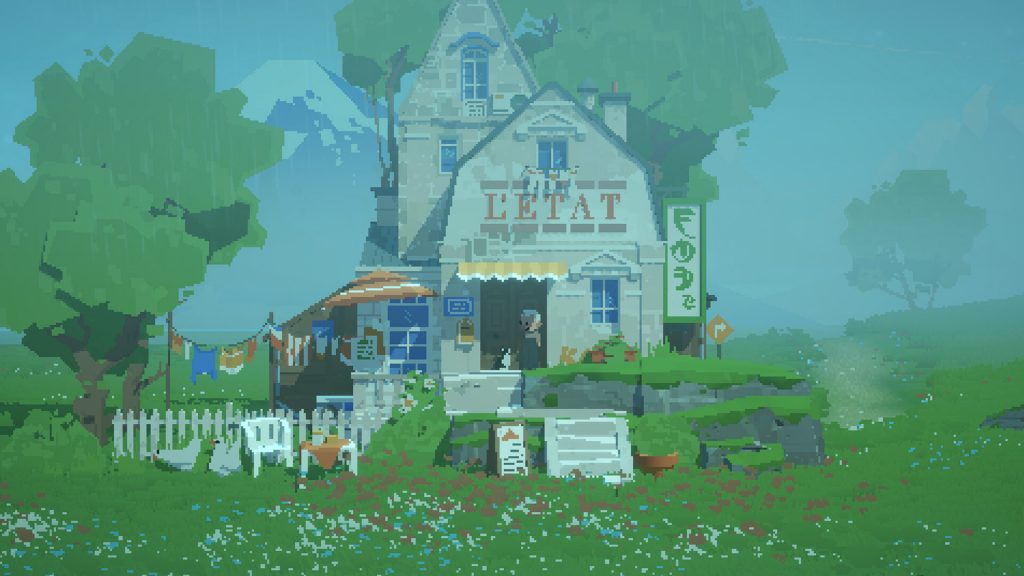
The visuals are the headline feature, and the press response has been uniformly warm. Rock Paper Shotgun‘s Katharine Castle singled out the shadow and water work. Press Start‘s Kieron Verbrugge called the backdrops “picturesque” and “enchanting.” TouchArcade‘s Mikhail Madnani compared it favorably to Townscaper and described the visuals as “stunning.”
What makes the artwork isn’t technical fidelity so much as tonal consistency. Every setting feels filtered through the same warm, slightly hazy palette — late afternoon light made into a design system. The pixel-soft aesthetic is forgiving in a way that matters for a creative tool: nothing you make will look bad. Even arrangements you abandon halfway through still photograph well.
The towns aren’t entirely static, either. Unlockable object animations and small NPC characters move quietly through the spaces you build, suggesting routines and lives without ever spelling them out. It’s environmental storytelling in its most restrained form — no quests, no dialogue, just the implication that something is happening in the house you placed by the water. The result reads less like a city builder and more like a snow globe you’re allowed to redesign.
Audio is similarly understated. Gentle ambient sound, the rhythms of an unhurried day, natural day-night transitions. The whole experience has been described, accurately, as “a playable daydream.”
The Developer Behind the Toy
Allmenröder isn’t a stranger to this design philosophy. He co-founded Grizzly Games with university friends and worked on ISLANDERS and Superflight — two titles widely cited as examples of indie minimalism done well. He also co-created Pizza Possum. SUMMERHOUSE is his first fully solo project, and the lineage is unmistakable: small games that do one thing with confidence, refuse to bloat, and trust their players.
The influences he’s cited — Townscaper, A Short Hike, Stronghold: Crusader — are an interesting mix. Townscaper is the most obvious touchstone, but the Stronghold reference points at something deeper: a love of the act of building itself, separated from the strategic systems that usually surround it.
Allmenröder has described the game as “a love letter to the feeling of childhood summer vacation,” and that framing is the most accurate description of SUMMERHOUSE anyone has offered. It isn’t about summer. It’s about the feeling of summer — the slowness, the warmth, the sense that nothing in particular has to happen today.
Notably, the console release coincided with the launch of another Allmenröder solo project, Slots & Daggers, which has quietly accumulated nearly 300,000 sales on Steam and a 94% positive rating of its own. He’s having a remarkable year.
How It Holds Up on Console
The console port appears to be a clean one. LadiesGamers, which praised the original PC release, confirmed that the relaxed atmosphere and core experience carry over intact. Steam Deck certification was already in place for the PC version, and the multi-platform console rollout — including Xbox Play Anywhere support on the Microsoft Store version — makes this one of the more accessible cozy releases of the season.
The one real consideration for console players is the input question. Mouse-based placement on PC is fast and precise; controller-based placement, while well-implemented, is naturally slower. For most players, this won’t matter — the whole point of SUMMERHOUSE is that you’re not in a hurry. But it’s worth knowing going in that the pace shifts slightly with the platform.
Who This Is For
SUMMERHOUSE is the rare game that’s almost entirely self-selecting. If the description — no objectives, no timer, no fail state, just placing pastel buildings on a small landscape until you feel like stopping — sounds like exactly the thing you’ve been looking for, this is exactly the thing you’ve been looking for. If it sounds boring, the game is not going to convince you otherwise.
It’s particularly well-suited to cozy game players who’ve burned out on management systems hiding under cozy aesthetics; creative-mode-only players who skip the survival side of survival games; and anyone who keeps thinking they should “play less” but doesn’t actually want to stop sitting with their console. Less well-suited to: players who need clear goals to feel engaged, or anyone who finds open-ended creative tools frustrating rather than freeing.
The Verdict
SUMMERHOUSE doesn’t fix anything in the genre. It just makes a quiet argument that not every game needs to be fixed in the first place — that a game can be small, finite, and complete, and still earn the affection of 400,000 people without raising its voice once.
The console release doesn’t reinvent that argument, but it makes it available to a much broader audience, and on platforms where the cozy-game ecosystem is increasingly where players actually spend their time. It’s a deserved expansion for one of the genre’s clearest design statements of recent years.
Score: 8/10 A small, confident, beautifully made toy. Buy it knowing what it is — and what it isn’t — and it’s likely to become a permanent fixture in your library. Skip it if you need a reason to play; this game refuses to give you one, and that refusal is the entire point.
Information regarding ‘SUMMERHOUSE’
| item | detail |
|---|---|
| developer | Friedemann Allmenröder (Berlin, Germany / Solo Development) |
| Publisher | Future Friends Games |
| Genre | Cozy Mini Building Sandbox / Creative Tools / Relax Simulation |
| Release platform | PS5 / Xbox Series X|S / Nintendo Switch / PC (Steam·Microsoft Store) |
| Console release date | May 15, 2026 |
| First PC release | March 8, 2024 (Steam) |
| Steam sales volume | 400,000 copies+ |
| Steam Review | 93% Positive (3,000+) |
| Background environment | Sea / City / Mountain / Desert (4 types) |
| characteristic | No Goal / No Timer / No Failure / Steam Deck Verified |
| Developer’s previous work | ISLANDERS · Superflight (Grizzly Games) · Pizza Possum · Slots & Daggers |
| Main Keywords | Cozy, Sandbox, Building, Minimal, Creativity, Summer, Relax, Meditation |
| Steam Page | Shortcut |