- The Setting: The 1915 Gallipoli Campaign during World War I.
- The Perspective: A young soldier from Newfoundland navigating a foreign front.
- The Focus: Psychological survival, personal memory, and emotional loss, rather than action-packed combat or heroic tales.
- The Release: Available now on PC via Steam and Epic Games Store, with the PlayStation 5 version arriving on July 7, 2026.
Developed by Quebec-based indie studio Unreliable Narrators and published by Gambit Digital, The Caribou Trail has officially launched on PC. Priced at $12.99 USD, the game offers complete English and French audio and subtitle support. While originally planned for a simultaneous multi-platform release, the PlayStation 5 version was pushed back to July 7, 2026, to fix a critical error discovered during the build process.
A Front Most Games Won’t Touch
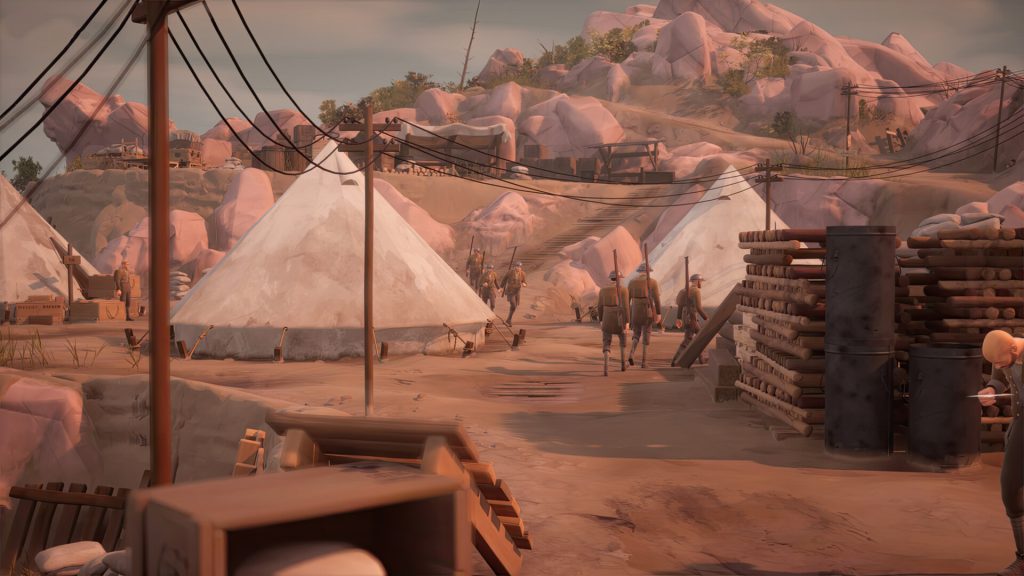
The First World War is no stranger to video games, but Gallipoli is. The campaign sits in an awkward corner of WWI memory, overshadowed by the Western Front’s trenches and the wider Allied narrative. The Caribou Trail uses that obscurity to its advantage. There’s no expectation of how this story is “supposed” to look, no canon of cinematic shorthand to lean on. The result feels less like a recreation and more like an excavation.
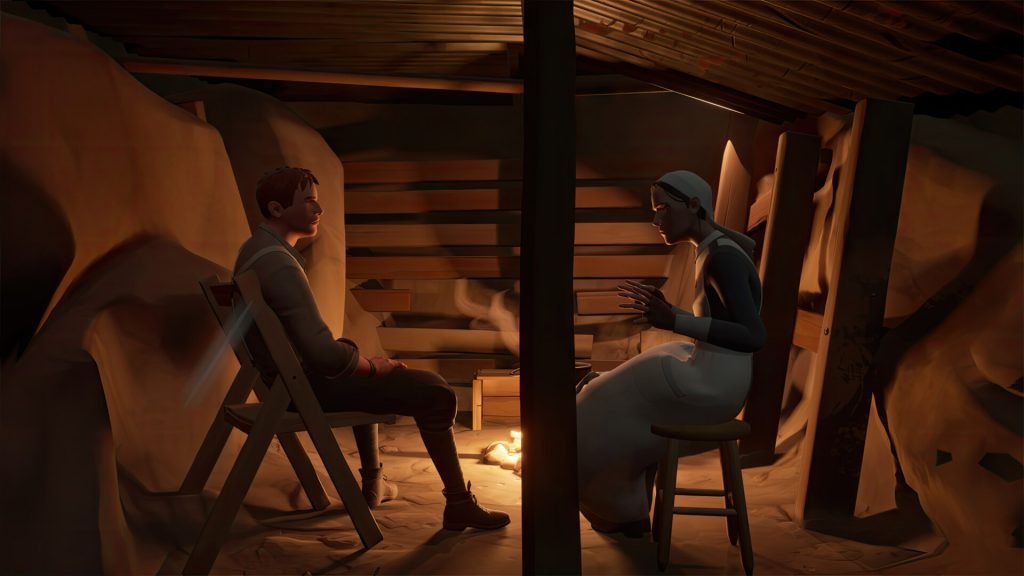
Unreliable Narrators built the script from real soldier testimonies and historical records, and that source material shows. The dialogue carries the texture of someone trying to describe something they don’t quite have words for. Friendships form quickly because they have to. Losses arrive without ceremony. The game doesn’t dramatize these moments so much as let them happen — which, paradoxically, makes them hit harder than any scripted setpiece could.
The Mechanics of Enduring
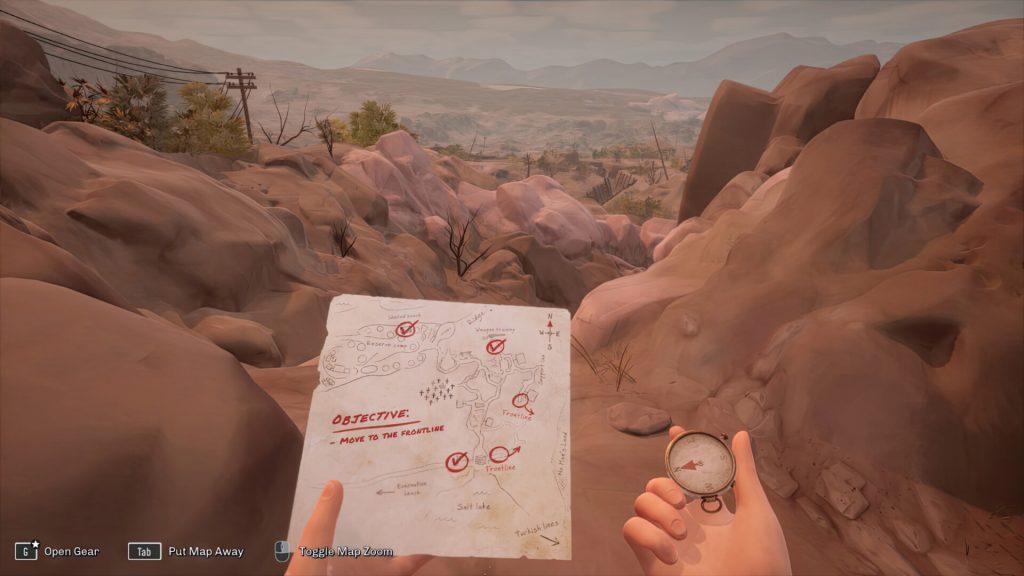
You won’t “win” The Caribou Trail. That’s not the kind of game it is. Across its first-person chapters, you’ll make choices, but they aren’t the binary moral dilemmas the genre usually trades in. Instead, the game asks smaller, more uncomfortable questions: Whose name do you want to remember? Who do you leave behind to survive? What do you carry — physically and otherwise — when you can’t carry everything?
This is a game built around emotional weight rather than mechanical complexity, and it earns its restraint. Players looking for combat systems or tactical depth should look elsewhere. What’s here is closer to interactive literature — a phrase that’s already appeared in early community reactions, and one that fits.
A small caveat: the deliberate pace and minimal interaction won’t be for everyone. If you bounce off slow narrative games, The Caribou Trail won’t convert you. But for players willing to sit inside its silences, the game offers something most war stories don’t even attempt.
Visual and Sonic Restraint
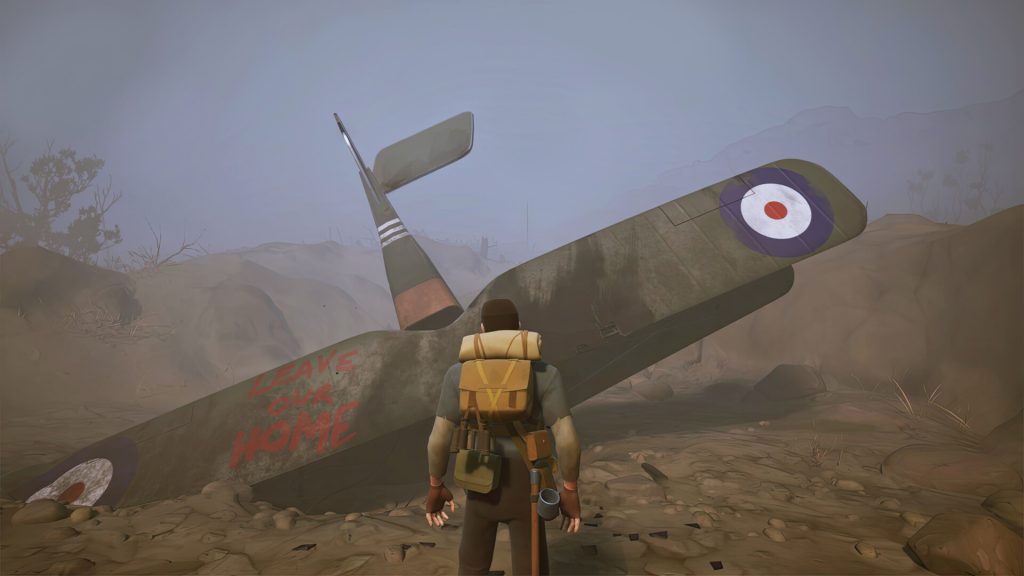
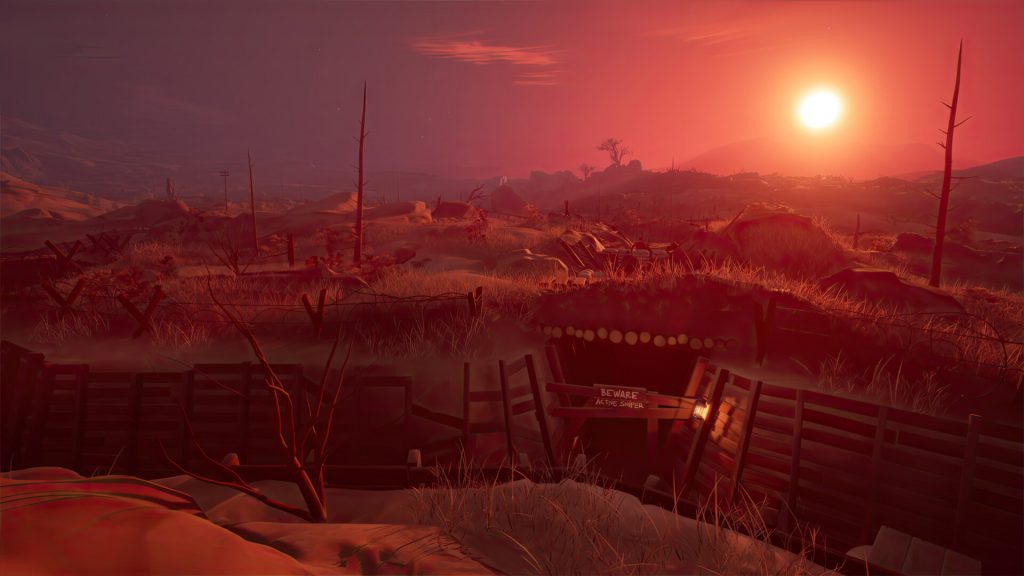
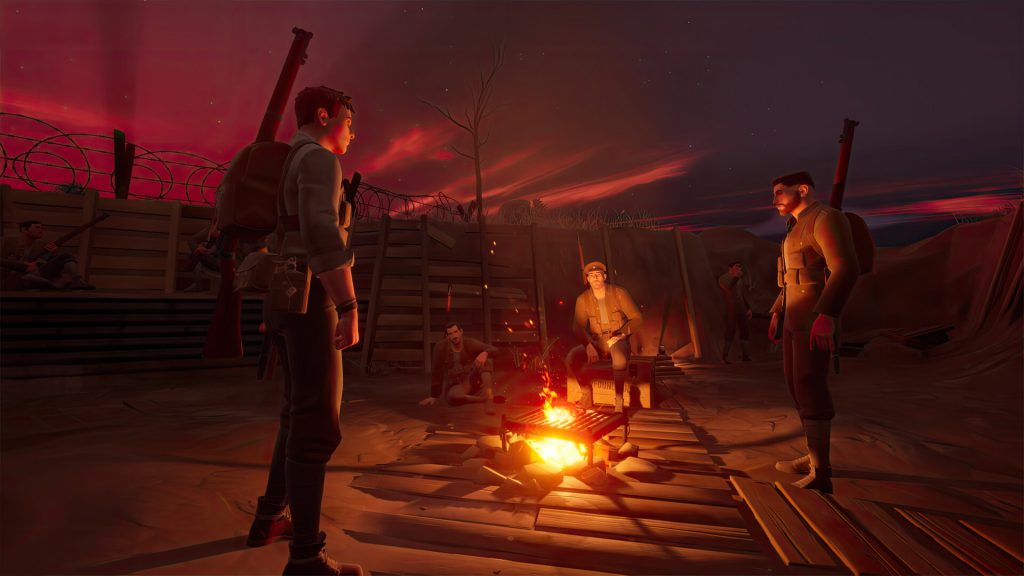
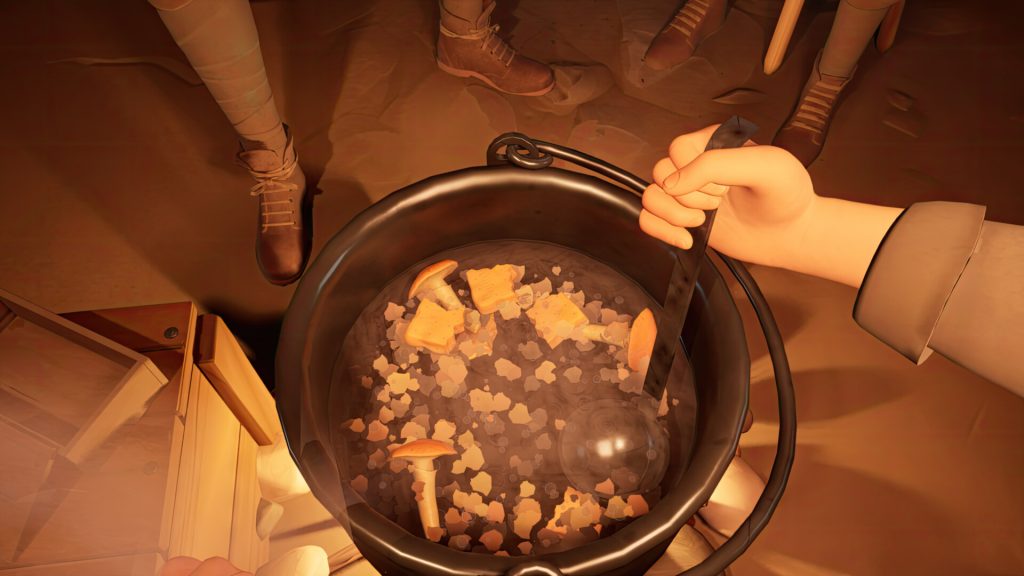
Visually, The Caribou Trail commits fully to its tone. The Gallipoli landscape is rendered with a faded, dust-choked palette that feels filtered through memory rather than captured directly. Light and shadow do most of the heavy lifting; environments feel both desolate and strangely intimate, as if you’re seeing them through the protagonist’s exhaustion.
The sound design might be the game’s most distinctive achievement. There’s almost no traditional score. Instead, the soundscape is built from wind, footsteps, distant and ambiguous noises — the audio equivalent of a held breath. Gunfire, when it comes, lands with more force precisely because the world around it is so quiet. It’s a confident choice and an unusual one, and it works.
Folkloric elements from Newfoundland thread quietly through the experience as well, surfacing in small visual motifs and in moments where the line between memory, dream, and dread gets blurry. It’s never overplayed; it just hovers at the edge of the frame, the way home does when you’re very far from it.
A Studio Worth Watching
Unreliable Narrators take their name seriously. Their stated mission — re-examining historical events through individual human voices rather than top-down narrative — could easily curdle into pretension, but The Caribou Trail makes the philosophy feel earned. The studio clearly did the archival work and clearly cared about getting the emotional truth of the period right.
For a debut, it’s remarkably self-assured. There’s no overreach here, no scope creep, no sense of a small team trying to make a bigger game than they could afford to. Instead, there’s a clear-eyed sense of what story this team wanted to tell, and exactly how to tell it.
The Verdict
The Caribou Trail isn’t trying to be a blockbuster, and judging it by blockbuster standards would miss the point. It’s a quiet, careful, deeply human piece of historical fiction — a game more interested in what war does to people than in what people do in war. At $12.99, it’s also priced to be exactly what it is: a focused, intentional experience, not a hundred-hour epic.
The PS5 version’s delay to July 7, 2026, is unfortunate for console players, but the studio’s transparency about a “critical build issue” reads as the right call rather than a red flag. Better a delayed game than a broken one.
For players who’ve ever wished a war game would slow down, lower its voice, and let the silence speak — The Caribou Trail is that game. It won’t be for everyone. But for the players it’s for, it’s likely to linger long after the credits roll.
Score: 8.5/10 A small, brave game that suggests the war genre still has somewhere new to go — if developers are willing to walk quietly enough to find it.
Information regarding ‘The Caribou Trail’
| item | detail |
|---|---|
| Developer | Unreliable Narrators |
| Publisher | Gambit Digital |
| Genre | First-person narrative/history |
| Release platform | PC (Steam · Epic Games Store) · PlayStation 5 (July 7) |
| Release date | May 15, 2026 (PC) |
| price | $12.99 USD |
| Supported languages | English, French (audio and subtitles) |
| background | Gallipoli Campaign of 1915 |
| Steam Page | Shortcut |