By IndieGame.com Editorial Team | January 1, 2026
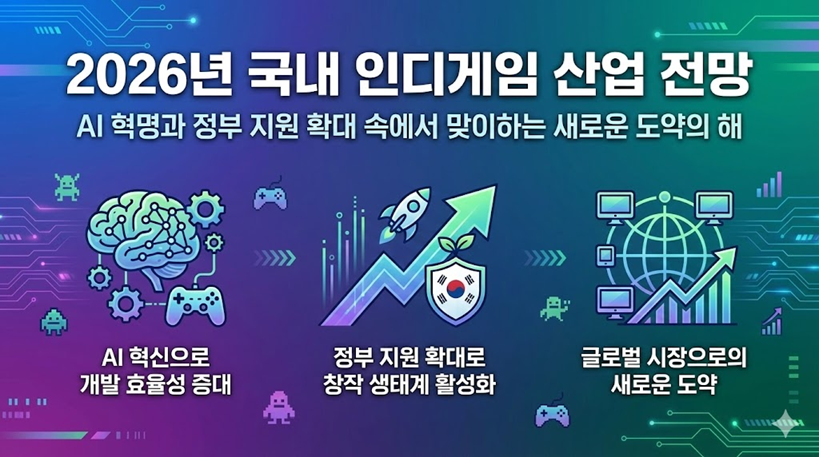
Following a landmark year in 2025, the South Korean indie game industry is entering 2026 on the cusp of a major transformation. Driven by the “AI Revolution,” unprecedented government backing, and successful partnerships with major publishers, 2026 is expected to be the “Golden Time” for K-Indie titles to solidify their presence in the global market.
A Solid Foundation: Lessons from 2025
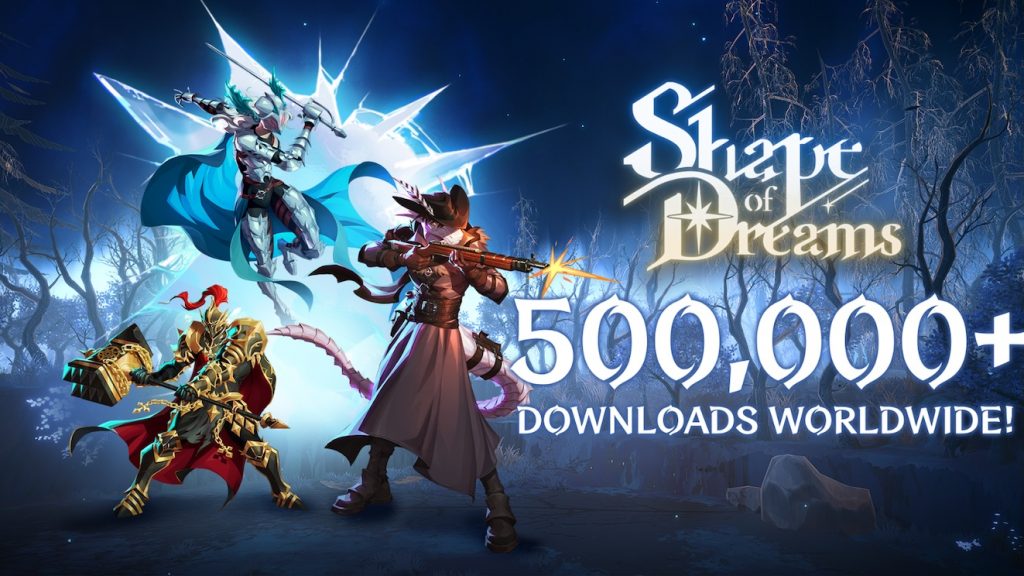
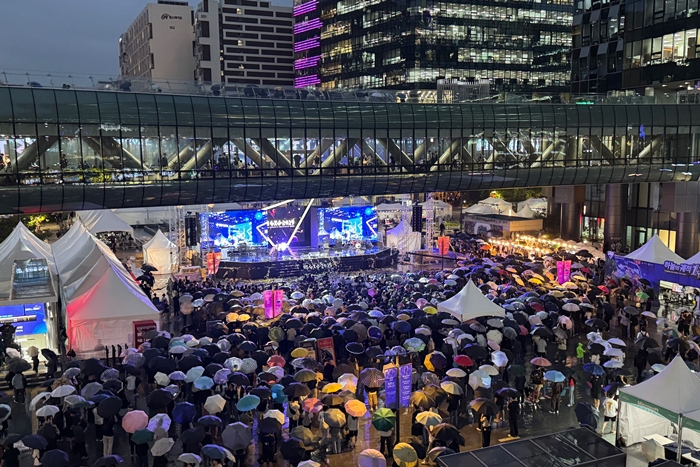
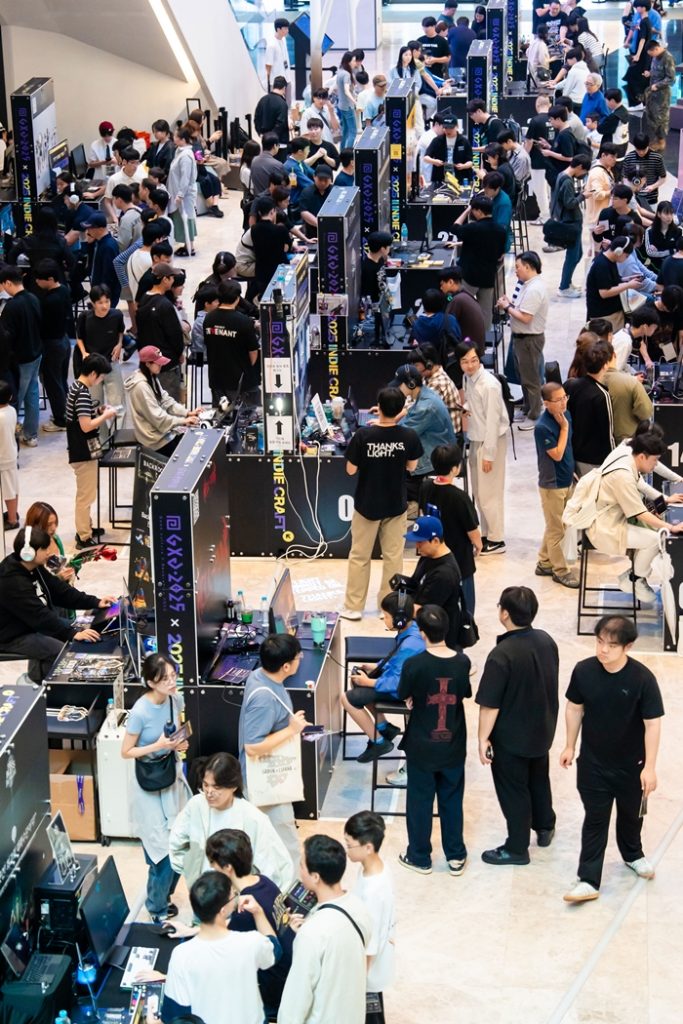
The optimism for 2026 is built on the tangible successes of the previous year. Lizard Smoothie’s Shape of Dreams became a symbol of global potential, surpassing 500,000 copies sold on Steam within just two weeks of its launch. Furthermore, events like the GXG Festival in Pangyo drew a massive crowd of 38,000 visitors, signaling that indie games have successfully transitioned from a niche hobby to a mainstream cultural staple in Korea.

The AI Revolution: A Paradigm Shift for Small Studios
The most defining trend for 2026 is the full-scale integration of Artificial Intelligence. With the South Korean government allocating a new 7.5 billion KRW (approx. $5.7M) budget to support AI technology in the gaming sector, indie developers are finding new ways to compete with larger studios.
- Efficiency Gains: AI tools for 3D modeling, rigging, and automated LOD (Level of Detail) optimization are slashing development times from weeks to hours.
- Case Study: Relu Games (a Krafton subsidiary) demonstrated this efficiency by launching Magic Girl Lulupping on Steam after only one month of development with a 3-person team using generative AI.
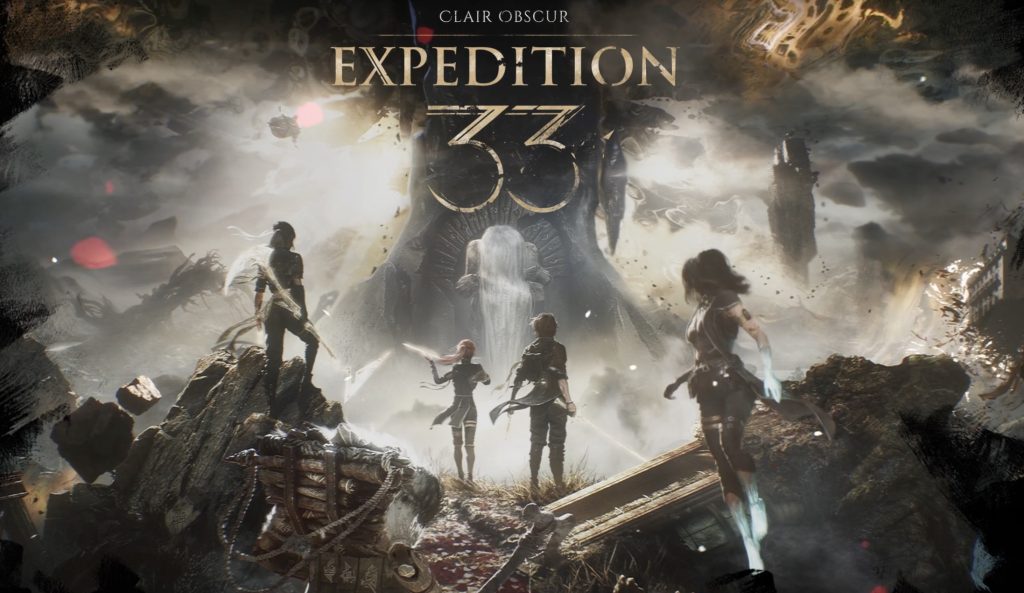
- Ethical Debates: As nearly 20% of new Steam titles in 2025 utilized generative AI, the industry continues to navigate complex discussions regarding copyright and creative ethics, highlighted by past controversies like the award disqualification of Clair Obscur: Expedition 33.
Systematic Support: The Role of Global Game Centers
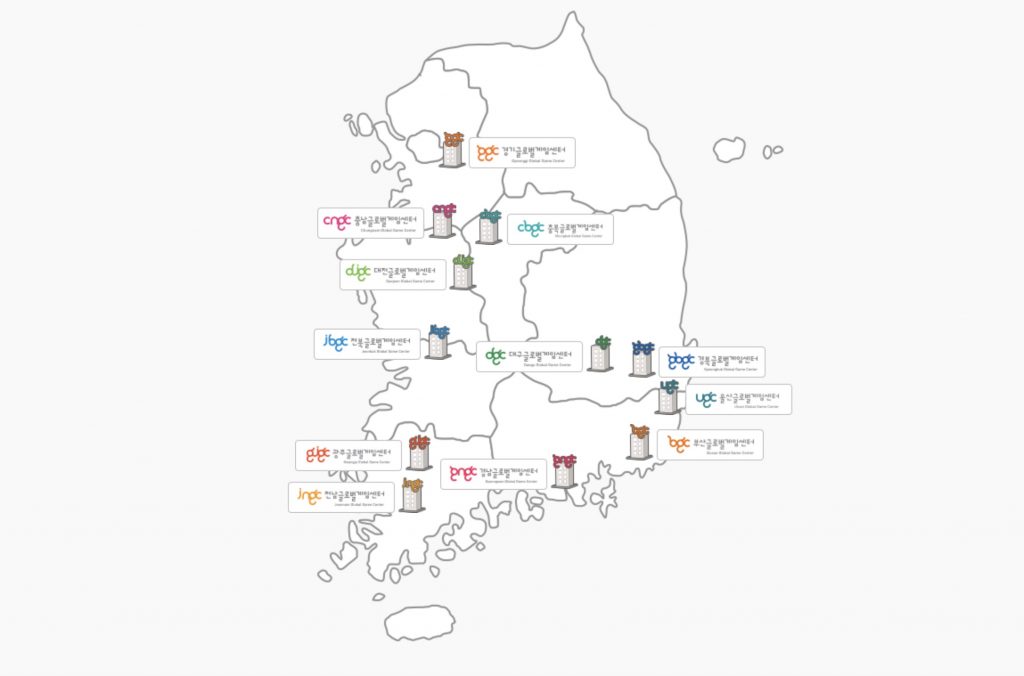
In 2026, government support is becoming more decentralized and specialized. Twelve Global Game Centers across regions like Gyeonggi, Busan, and Jeonnam are providing tailored infrastructure, including office space, talent training, and export assistance.
Strategic partnerships with major players like Neowiz and Smilegate offer indie teams:
- Priority participation in business programs and consulting.
- Full support for exhibition costs at the Busan Indie Connect (BIC) Festival.
- Infrastructure support through cloud giants like MegazoneCloud.
The “Big Players” Join the Hunt for Indie Talent
Major Korean publishers are aggressively expanding their indie portfolios to find the next “unicorn” IP:
- Smilegate: Through its Future Lab and Stove Indie platforms, it remains the backbone of the Korean indie ecosystem.
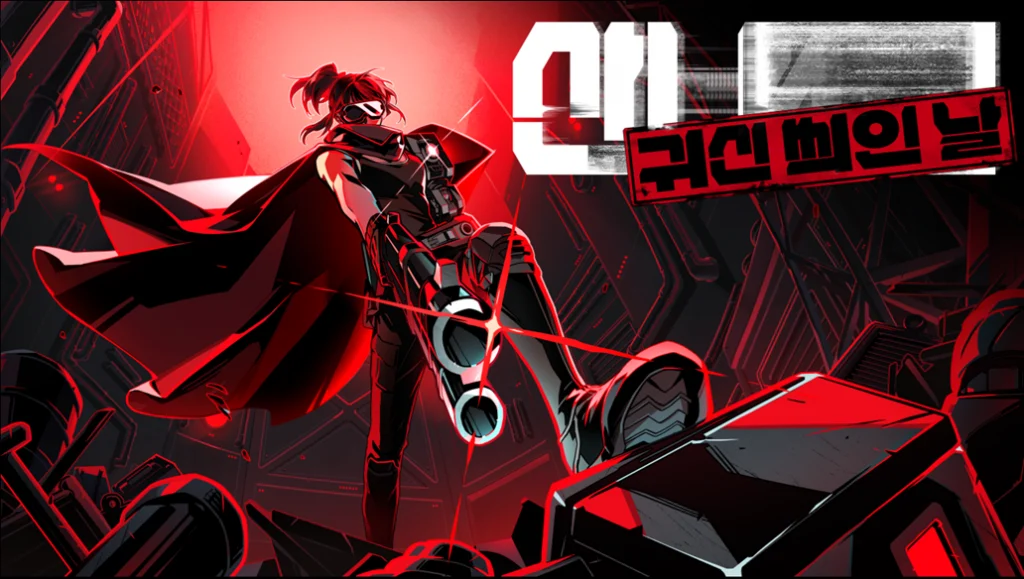
- Neowiz: Riding the success of Skul and Sanabi, it is preparing to launch Jino Games’ Hello Seoul: Itaewon, a post-apocalyptic platformer that has already garnered international acclaim.
- Kakao Games: Releasing three “Premium Indie” titles, including Lost Eidolons: Veil of the Witch.
- Com2uS Holdings: Launching the pixel-art strategy hit Guidus Zero.
Global Expansion and the Console Frontier
The strategy for 2026 is clear: PC and Console Multi-platform. While the PC market remains strong, the focus is shifting toward increasing Korea’s currently small 1.5% share in the global console market.
Experts, however, warn of the “Console Barrier.” Professor Jung Mu-sik of Gachon University noted that while the government’s push for console growth is logical, indie teams face steep learning curves with hardware dev-kits, strict QA guidelines (TRC/XR), and controller optimization.

Conclusion: Cultural Identity as a Global Edge
Ultimately, K-Indie’s strength lies in its unique cultural identity. Titles that blend global genres with Korean settings—such as the “Joseon Cyberpunk” of Sanabi or the localized dystopia of Hello Seoul—are finding a distinct competitive edge.
As the industry moves through 2026, the collaboration between creative solo developers and resource-rich publishers, backed by cutting-edge AI, is set to make this the most successful year for Korean indie games to date.