There is no hero. There are no front lines to charge, no enemies to duel, no strategic command positions to occupy. There is only the turret — 5,000 tons of diesel-powered artillery, hundreds of dials and levers and gauges and switches, and the orders you are given to carry out. Whether you execute them correctly is your problem. Whether you agree with them is not your concern. IRON NEST: Heavy Turret Simulator, the upcoming simulation game currently at Steam Next Fest, begins from a premise that’s either deeply unsettling or irresistibly compelling, depending on where you sit: can operating a single massive cannon be an entire game?
Based on 400,000+ wishlists and 20,000+ Discord members before release, a substantial number of people have decided the answer is yes. The game targets an early August release across Steam, GOG, and Epic Games Store, with Steam Deck support and 14-language support, including Korean.
The Operator, Not the Hero
IRON NEST‘s foundational design choice distinguishes it from virtually every war game ever made. Players are not the hero. They’re not the general or the strategist or the commando. They’re the turret operator — a specialist whose job is to receive orders, understand the machinery they control, and execute missions correctly.
This institutional positioning — the operator who follows orders, not the hero who makes decisions — is itself the game’s most interesting artistic statement. The tutorial text the developers have shared captures this precisely: “Every shell matters. Every order has consequences. No order requires independent judgment.”
This framing is deliberately ambiguous. Is it the efficient clarity of a well-run military operation? Is it the disturbing logic of institutional dehumanization? The game apparently refuses to answer directly — the developer’s response to community members who expressed discomfort with this framing was that the complaint had been “officially dismissed,” maintaining the bit entirely. The black humor is the aesthetic wrapper around a genuinely uncomfortable institutional dynamic.
This puts IRON NEST in interesting artistic territory. Papers, Please made the institutional-operator theme explicit through its work permit bureaucracy, forcing players to make increasingly uncomfortable compliance decisions. COALCOM: Power Station (reviewed earlier this month) applied the same operator-under-institutional-hierarchy structure to a power plant. IRON NEST applies it to military artillery — with perhaps the highest-stakes consequences of any of these institutional simulations, and the most pointed refusal to let players feel heroic about what they’re doing.
The Mechanical Complexity
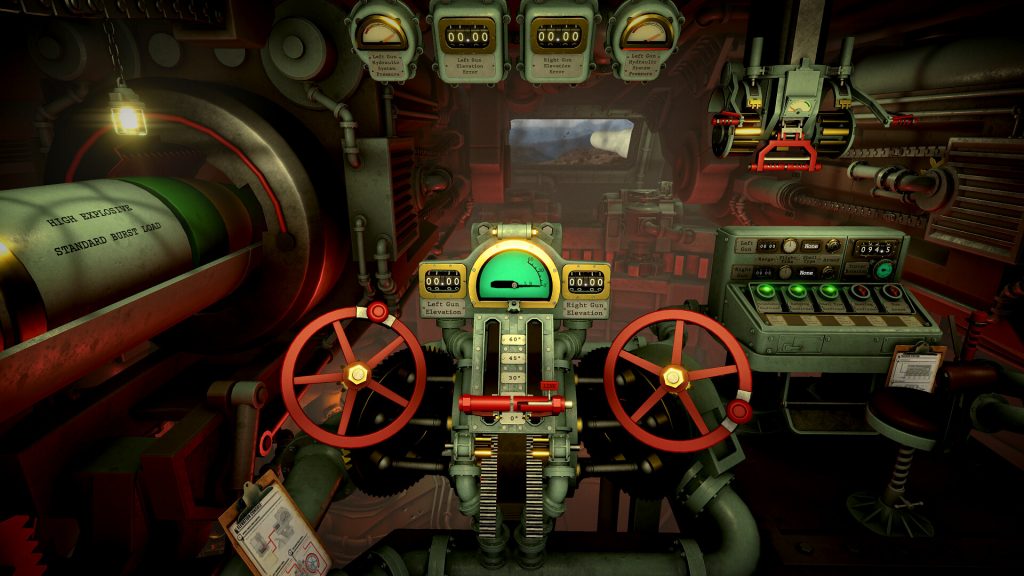
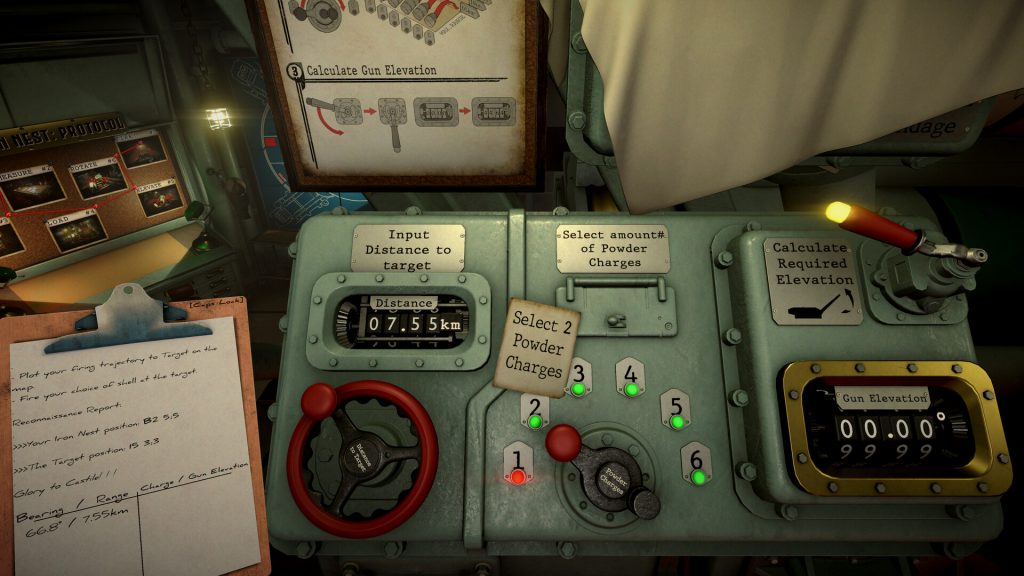
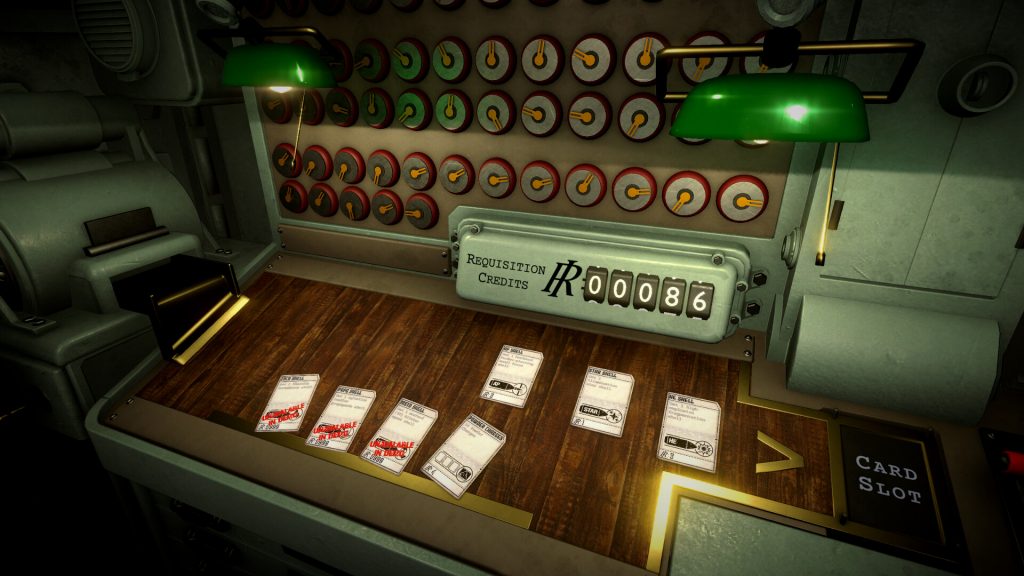
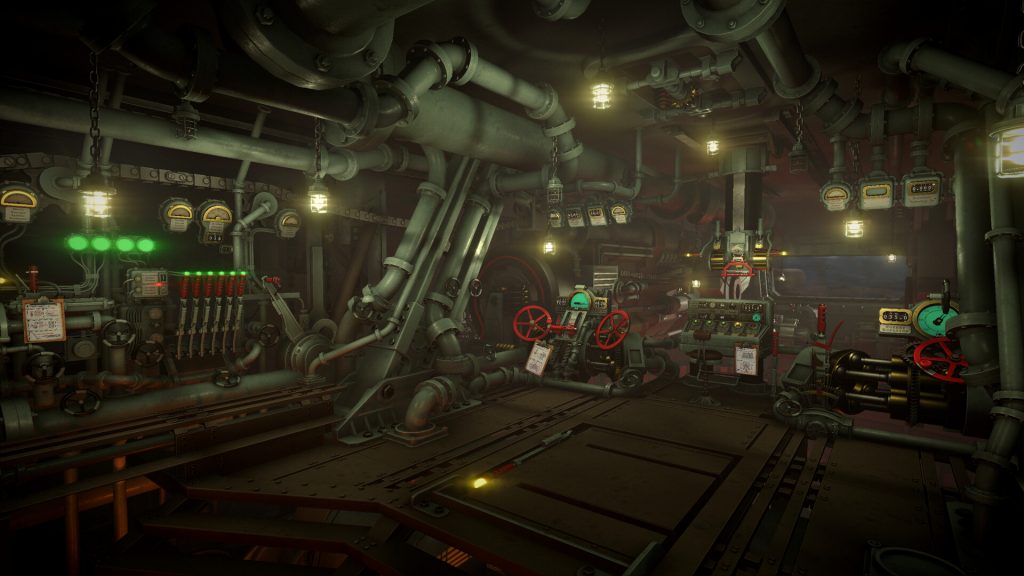
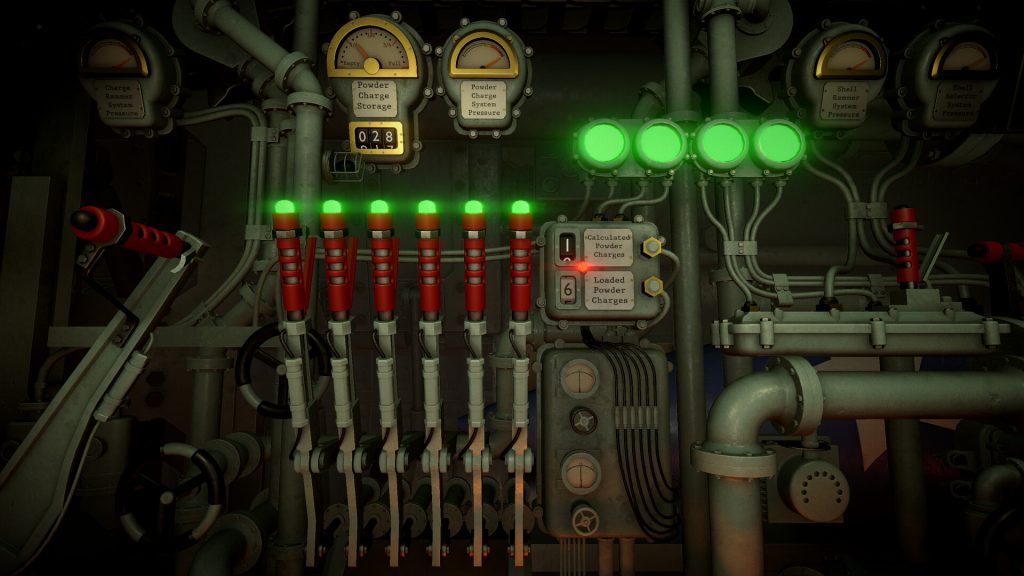
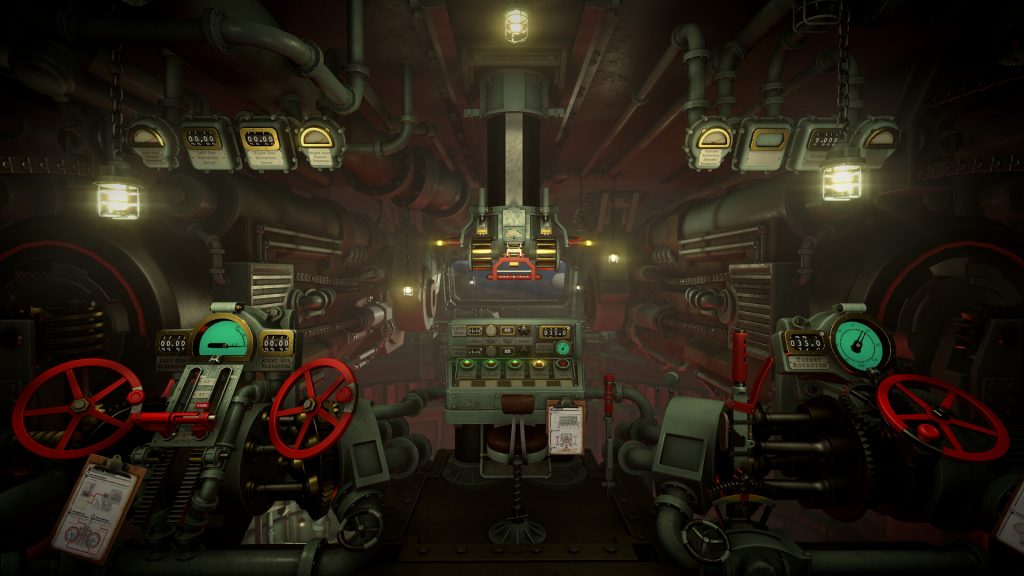
The 5,000-ton turret is described as containing hundreds of dials, levers, gauges, and switches. First-time players entering the cockpit reportedly face complexity that makes it unclear where to begin.
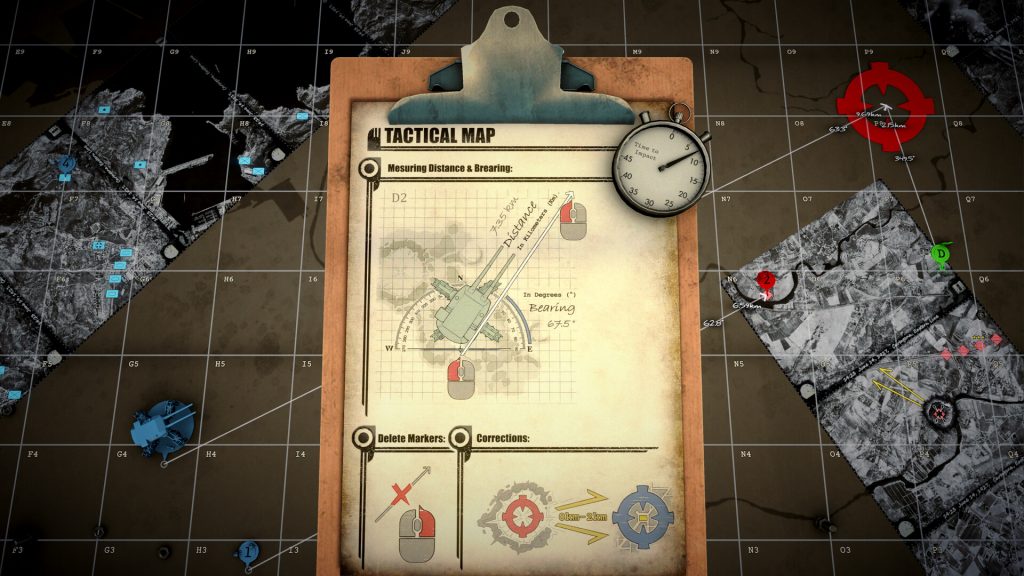
This complexity is intentional and is the game’s primary gameplay content. Rare manuals must be found and read to understand the systems. The roles of numerous components must be learned through study and experience. The learning process itself is the content — not a tutorial to be completed before the real game begins, but the actual ongoing engagement.
This design philosophy aligns with a specific simulation tradition. DCS World‘s military aircraft simulations, Derail Valley‘s train operation, and COALCOM‘s power plant — serious simulation games that require genuine domain learning before meaningful play is possible. The player who can’t operate the turret correctly at the start isn’t a failure; they’re at the beginning of the learning curve the game is designed around.
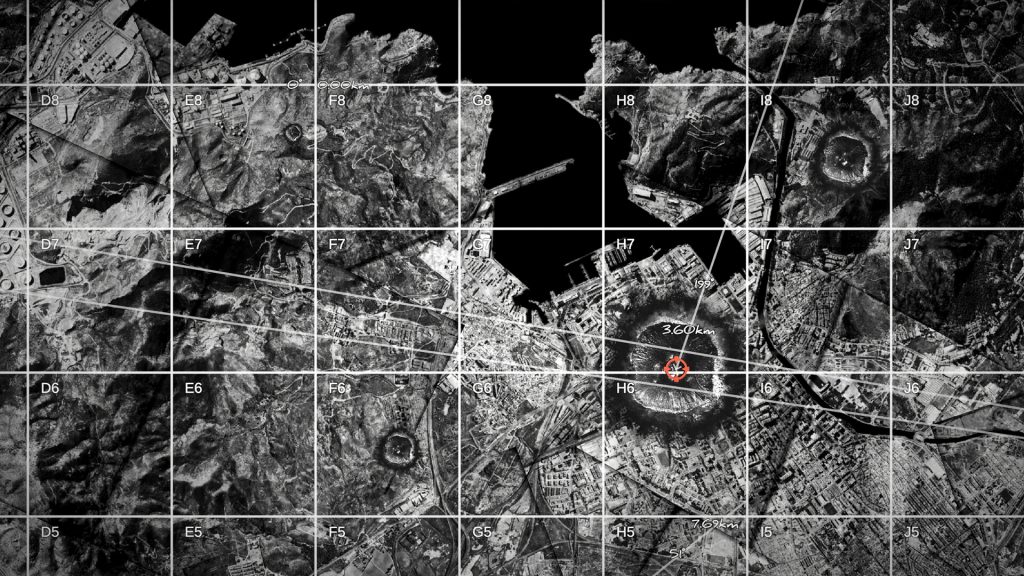
The dynamically generated missions add variety that pure single-scenario simulations lack. New conditions each mission mean that even players who’ve mastered the machinery face novel challenges in application rather than repeating memorized sequences. This addresses the primary limitation of pure simulation games: after learning the system completely, what remains interesting?
The sound design reportedly commits fully to the immersive simulation goal. Shell firing sounds, mechanical operation sounds, vibrations — granular audio design aimed at the sensation of actually being inside a massive weapons system. For simulation enthusiasts who prioritize sensory authenticity over mechanical abstraction, this level of audio commitment is significant.
The Dieselpunk Visual Identity
The visual aesthetic is dieselpunk — the design tradition that imagines diesel-powered, industrial-era technology advanced to its logical extreme without transitioning to modern electronics. Iron, steam, gears, gauges, and analog dials. The aesthetic has produced compelling visual identities in games (Iron Harvest, Wolfenstein‘s alternate-history technology), and for a game whose primary subject is massive analog military machinery, the fit is natural.
The turret’s visual presence — 5,000 tons of iron and mechanical complexity — provides the kind of overwhelming scale that purely digital interfaces can’t replicate. Physical gauges with actual readable values, mechanical switches with tactile response, a cockpit that looks like it was engineered rather than designed, communicate a specific relationship between operator and machine. You’re not interfacing with a computer system; you’re embedded in mechanical infrastructure.
This visual approach also reinforces the game’s thematic positioning. Clean, modern military interfaces communicate precision and professionalism. Oil-stained dials and steam-pipe infrastructure communicate something rawer — a relationship with machinery that feels closer to industrial labor than to clean digital command.
The Black Humor Register
The developer’s communication style is itself part of IRON NEST‘s identity. The “humanity has proven it wants large cannons” response to the wishlist numbers, the “officially dismissed” treatment of community concerns about the game’s institutional framing, the general maintenance of the bit across all public communication — this is not a studio speaking earnestly about their product. It’s a studio that has committed to a comedic tone that fits the game’s own black humor.
The turret briefing language — every shell matters, every order has consequences, no independent judgment required — reads as dry institutional satire. The absurdity of following these rules absolutely inside a game about firing a massive cannon at enemies creates a comedic distance between the serious subject matter and the player’s experience of it.
This register is recognizable in gaming’s best military satire. Apocalypse Now‘s influence on war game design, the way Spec Ops: The Line used military game conventions to critique military game values — IRON NEST appears to be operating in this tradition, but through the lens of operator-simulator rather than third-person action. The operator who follows orders without independent judgment is both the game’s protagonist and its satirical subject.
The 2-Person Development Context
IRON NEST is developed by a 2-person team. More specifically, the primary developer describes a childhood obsession with large cannons and artillery pieces that persisted long enough to become a game development project. The studio describes itself as “the result of giving game development tools to a childhood cannon enthusiast” — a self-characterization that’s simultaneously a joke and a genuine developmental biography.
This origin story connects IRON NEST to COALCOM: Power Station‘s development narrative — both projects emerge from a genuine personal obsession with specific machinery, translated into simulation through years of focused development. The difference is scope: COALCOM represents 20 years of professional expertise translated into game form; IRON NEST represents a childhood fascination carried into adult creative work.
The console version and VR support under consideration suggest commercial ambitions that extend beyond PC-only simulation audiences. VR specifically would transform IRON NEST from a simulation experienced through a screen into a simulation experienced from inside, which would amplify both the mechanical complexity (reaching for actual levers in virtual space) and the game’s institutional operator dynamic (physically embodying the role rather than directing it from outside).
Community Pre-Release Enthusiasm
The pre-release reception numbers require some interpretation. 400,000 wishlists and 20,000 Discord members for a niche simulation game is extraordinary. These numbers are comparable to mainstream indie releases in much more commercially proven genres. For a simulation about operating a single piece of artillery, this level of interest suggests the concept has transcended the niche simulation audience.
Several factors likely contribute. The concept is visually striking and easily communicable — a 5,000-ton dieselpunk turret with hundreds of dials is immediately arresting in screenshots and trailers. The black humor marketing has generated the kind of memorable community content that spreads organically. And there may be a broader appetite for “serious simulation with absurdist framing” than the genre’s traditional audience size suggests — Goat Simulator‘s success demonstrated that simulation games can find mass audiences when the tonal register is right.
The question for the August launch is whether the actual gameplay delivers on the concept’s appeal. Pre-release enthusiasm for simulation games sometimes reflects interest in the idea more than sustained interest in the experience — playing IRON NEST for 20 hours requires genuine engagement with mechanical complexity, not just appreciation of the concept.
Who This Is For
Strong fit for: serious simulation enthusiasts who enjoy learning complex machinery (DCS World, Derail Valley audiences); Papers, Please and COALCOM fans who appreciate the institutional operator role with black humor wrapper; dieselpunk aesthetic enthusiasts; players who find mechanical system mastery intrinsically satisfying; players interested in war game critique through unusual genre positioning; anyone who has looked at a massive piece of machinery and wanted to operate it directly.
Cautious fit for: players who want the black humor framing to eventually break into explicit satire rather than maintaining institutional deadpan throughout; anyone who finds complex simulation learning curves frustrating rather than rewarding; players who want clear moral agency within war game contexts.
Less ideal for: players seeking action-oriented war games; anyone who needs constant new content over deep mastery of single systems; players who prefer accessible, immediate gameplay over earned mastery.
What to Watch For
A few questions will shape IRON NEST‘s August reception.
The first is whether the mechanical complexity is properly scaffolded. Simulation games that throw complexity at players without adequate learning structure tend to develop reputations for impenetrability that limit their audiences. Whether the manual-reading approach and organic learning structure successfully guide players to mastery or leave them stranded in confusion will significantly affect reception.
The second is the mission variety’s range. Dynamic generation promises variety, but the constraint of operating a single fixed weapons system limits what varied conditions can actually require. Whether the mission variety successfully extends engagement or whether players hit the complexity ceiling and find limited reason to continue will determine longevity.
The third is the thematic follow-through. The operator-who-follows-orders framing creates expectations about whether the game eventually forces players to confront the implications of unconditional compliance. If it maintains pure satirical distance throughout, some players will find the critique superficial; if it forces genuine moral discomfort, others may find the experience unpleasant. How IRON NEST navigates this will be one of its most discussed post-release questions.
The fourth is VR implementation if it arrives. The concept is so specifically suited to VR — physically inhabiting the operator role inside the massive turret — that a quality VR implementation could transform IRON NEST‘s reception and reach significantly.
The Takeaway
IRON NEST: Heavy Turret Simulator is one of 2026’s most genuinely unusual simulation proposals — a game that asks whether operating a single massive weapon can be compelling game content, frames the operator’s institutional role with unsettling black humor, wraps everything in dieselpunk aesthetic authenticity, and has somehow convinced 400,000 people to wishlist it before release.
For simulation enthusiasts, the August release represents one of the year’s most distinctive genre entries. The mechanical complexity, the learning curve, and the immersive sound design suggest serious simulation credentials alongside the comedic framing.
For players interested in games that engage with institutional dynamics and military subject matter through unusual angles, IRON NEST positions itself as one of 2026’s more thoughtful genre experiments — where “no independent judgment required” is both the operator’s instruction and the game’s most pointed observation.
A cockpit full of hundreds of dials. Orders arriving with expectations of execution. Every shell matters. Every order has consequences. No order requires independent judgment. The machinery is waiting. The mission has been assigned.
Whether you find this setup exhilarating or disturbing — or both simultaneously — is probably the most honest thing IRON NEST can tell you about itself before you start. The turret doesn’t care either way. It’s 5,000 tons, and it fires when commanded.
That’s the game. That’s the point. And somehow, 400,000 people are already signed up.
Information regarding ‘IRON NEST: Heavy Turret Simulator’
| item | detail |
|---|---|
| Genre | Heavy Artillery Simulator / Dieselpunk |
| Release platform | PC (Steam / Steam Deck / GOG / Epic Games Store) |
| Scheduled for official release | Early August 2026 |
| Console release | To be confirmed later |
| VR support | Under review |
| Language support | 14 languages including Korean |
| Play Mode | Single player |
| core system | Dynamic Mission Generation / Operation of Hundreds of Machine Mechanisms |
| Discord Operator | 20,000+ people |
| Wishlist | 400,000 people+ |
| Next Fest | June 15, 2026 onwards participation |
| Main Keywords | Dieselpunk, heavy artillery, simulator, artillery battery, command, machine, black humor |
| Steam Page | Shortcut |