Eight years. One developer. A Nordic survival world built in solitude and arriving on Steam Early Access on August 31.
Until North Ends from solo developer Unknown Hex is an open-world survival crafting adventure set in a procedurally generated Nordic landscape — harsh biomes, islands reachable by boat, dungeons and caves to explore, a sanctuary to build, and the specific creative philosophy of a developer who spent eight years pursuing “atmosphere and emotion” in a game rather than feature completeness.
The comparison that arrives naturally is Swordcery — the God of War animators’ eight-year debut that launched Early Access earlier this month. Both games share a development timeline that is unusually long for indie work, and both reflect solo developers who spent that time building toward something specific rather than shipping incrementally. The similarity ends at the development duration: Swordcery is a focused, stylish action roguelite with a tight mechanical identity; Until North Ends is a broad-scope survival crafting open world with a different kind of ambition.
The Nordic World and Its Traversal
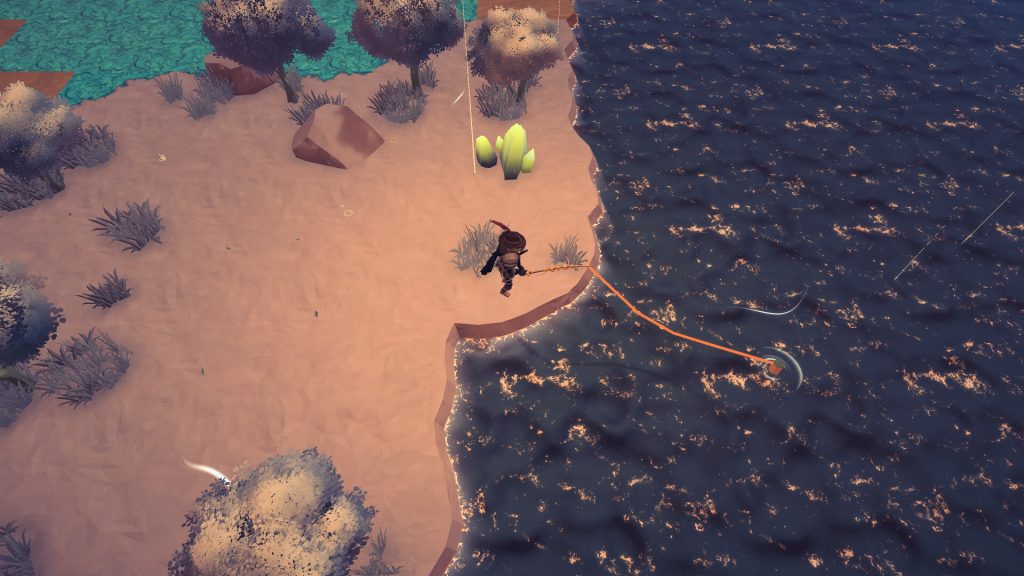
The procedurally generated island world is the spatial canvas that the game’s exploration content occupies. Each island has unique environmental conditions and randomly placed hazards — which means the same island visited twice is never quite the same island. Sailing between islands on your own boat is the traversal mechanism that connects the world: islands aren’t fast-traveled to but reached by crossing the water between them.
The three biomes provide the environmental variety that sustains exploration interest across the game’s expected two-year Early Access development. Different biomes presumably offer different resources, different enemies, and different environmental conditions that shape how each expedition plays out.
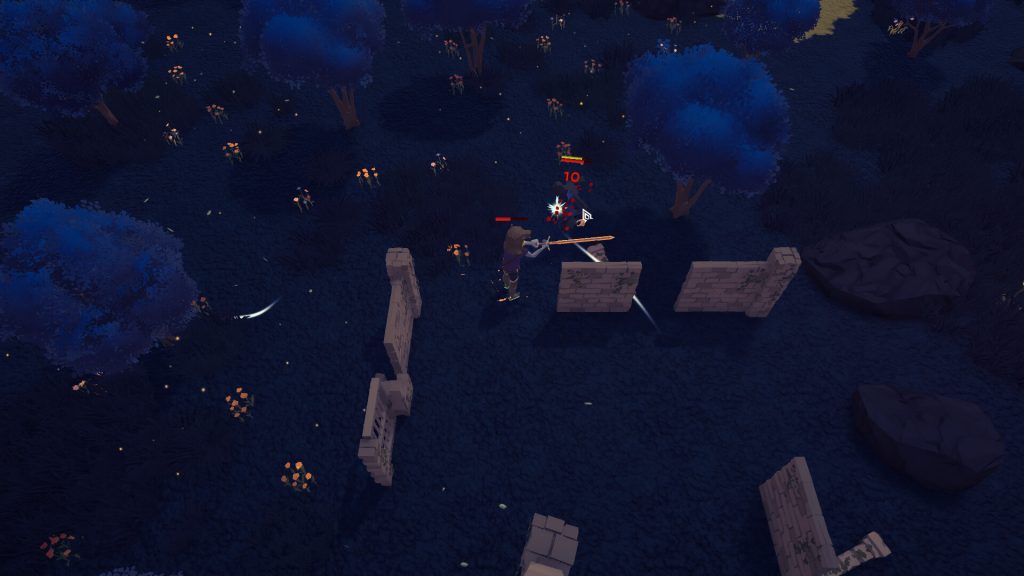
Caves and dungeons extend the exploration dimension vertically — not just surface traversal across islands but descent into the world below. Dungeon and cave loot creates the reward cycle that motivates the risk of exploration: going deeper means better resources and greater danger simultaneously.
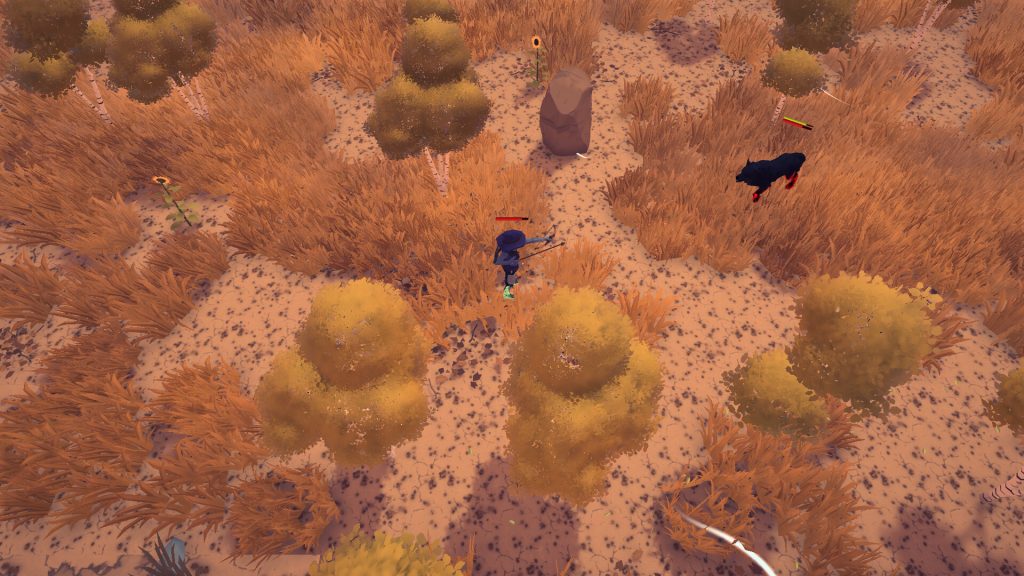
The peaceful grassland option — being able to walk through calm environments without immediate threat — is the tonal balance valve that survival games need to prevent constant tension from becoming exhausting. The Nordic aesthetic’s specific quality is that it contains both harsh beauty and gentle moments; Until North Ends appears to be building both into the exploration.
The Combat and Build Variety
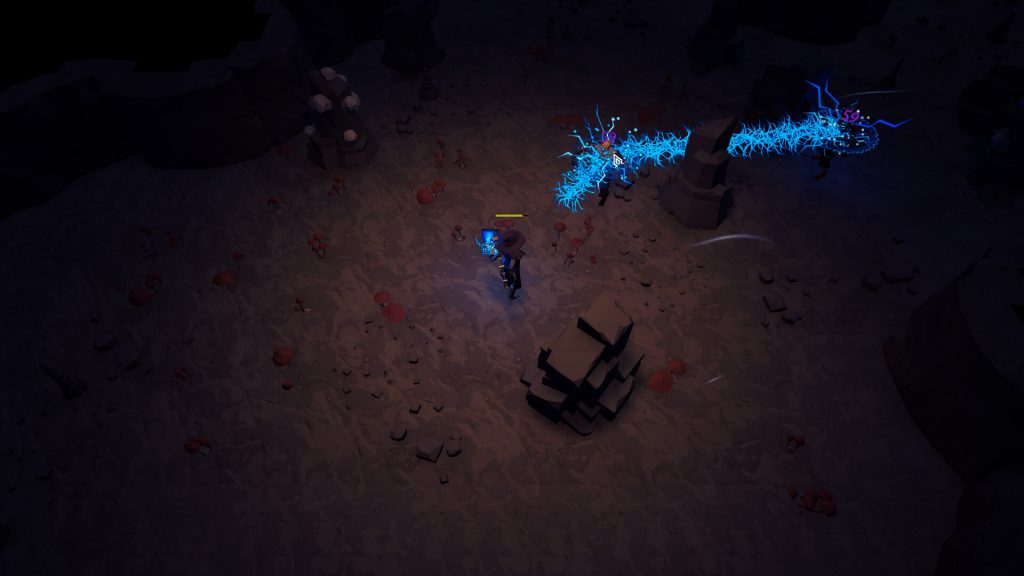
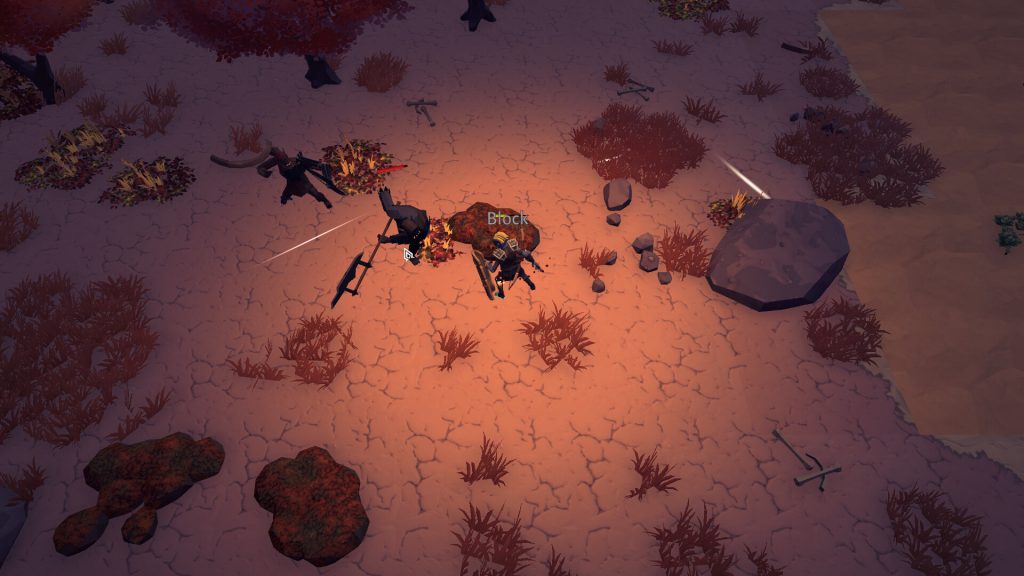
Three combat archetypes — heavy armor melee, ranged archery, and magic through the Chain Lightning spell — provide the character build differentiation that survival crafting games need to sustain play style variety across a long Early Access period. These aren’t separate classes but overlapping capability sets that players can mix according to preference and available equipment.
Heavy melee represents the tank archetype: more direct damage, more ability to absorb hits, less mobility. Archery represents the positional archetype: damage from safety, vulnerability to being rushed, the specific playstyle of managing distance. Chain Lightning represents the AoE magic archetype: hits multiple enemies, presumably with different resource requirements, and the specific satisfaction of electric cascade effects.
The crafting system’s depth — ore smelting, leather tanning, alchemical workbench component extraction — indicates survival crafting systems that require sequential material processing rather than simple resource-to-item conversion. Material processing chains are the type of system that sustains long-term survival crafting engagement: the player who understands the full chain from raw ore to finished weapon feels the game’s depth differently than one who simply gathers and crafts immediately.
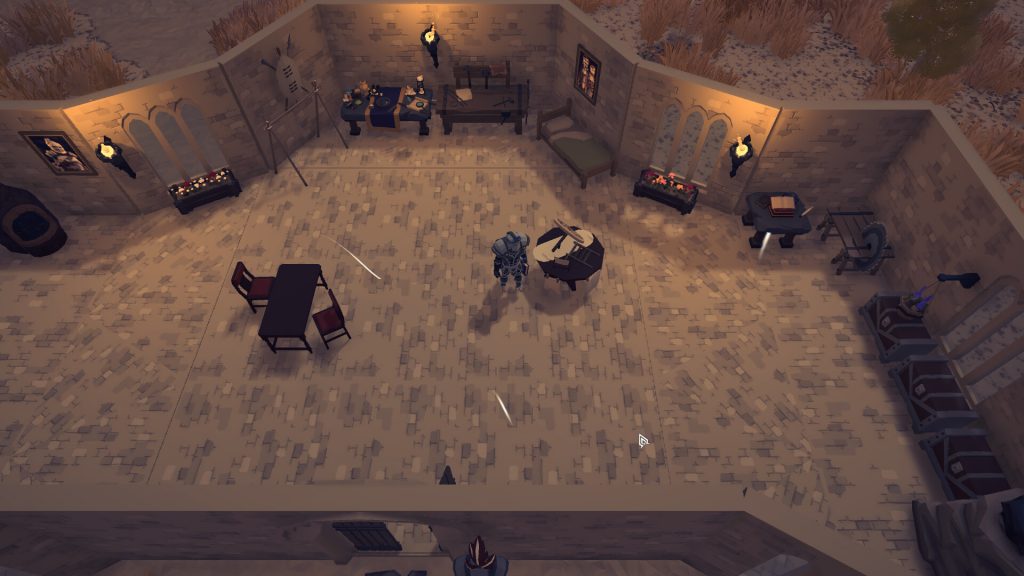
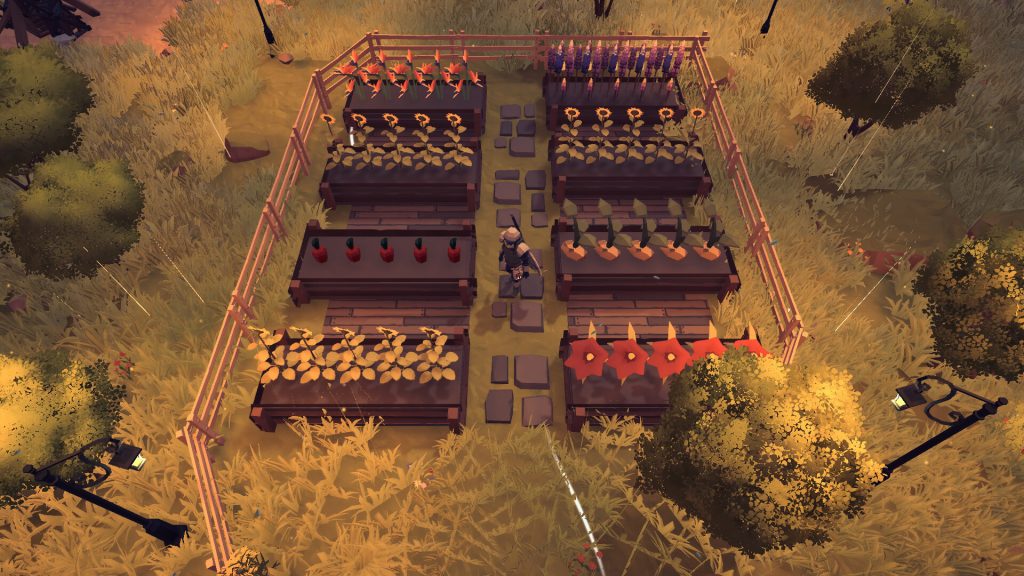
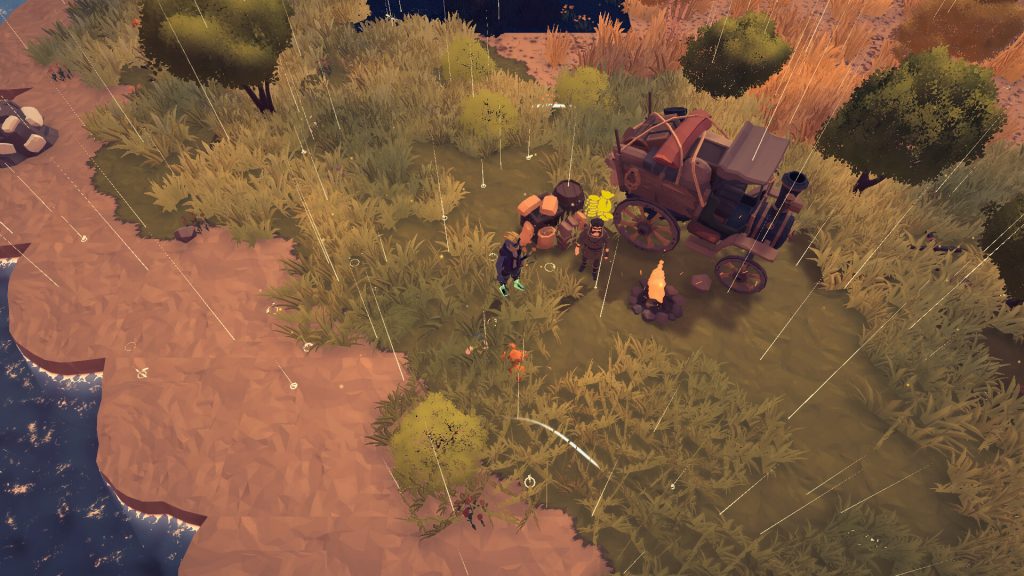
Base building and farming give the shelter construction a life simulation layer alongside the defensive function. A sanctuary that is also a garden, that can be decorated and customized, becomes a space with personal attachment rather than just a safe spawn point.
Character customization — hair color, tattoos, visual options — extends personal expression beyond the build into appearance. In a game with co-op play, character identity matters for how players distinguish themselves in a shared world.
The Eight-Year Development Philosophy
Unknown Hex’s stated development goal — making a game that “conveys the atmosphere and emotion of the game, not just commercial results” — is the kind of creative philosophy statement that eight-year solo development timelines either validate or complicate. Eight years is long enough to have abandoned many versions of a game that didn’t achieve what the developer wanted and arrived at something that actually does.
The commitment to maintaining Early Access pricing at full release is the commercial policy that matches this creative philosophy. A developer who has spent eight years pursuing atmosphere and emotion rather than commercial efficiency is likely to value the community relationship over revenue optimization. Announcing the pricing policy before launch is the kind of trust-building communication that community-focused Early Access developers use to establish goodwill before players have tried the game.
The community-feedback-driven development model — using Discord and community channels to incorporate player input on new biomes, items, and customization options over the two-year Early Access period — is the correct structure for a survival crafting game. The genre specifically benefits from player feedback on what makes exploration feel rewarding and what makes crafting chains feel appropriate rather than tedious.
The Solo Development Solo Survival Parallel
There’s a structural echo between the game’s premise — a player alone (or in co-op) surviving a harsh world through resourcefulness and gradual construction — and the developer’s eight-year production process: one person, harsh constraints of time and capability, gradually constructing something livable from raw materials. The game’s aesthetic choice (low-poly, top-down, the specific warmth of a handmade visual style that matches the developer’s solo production capacity) reflects this parallel without needing to announce it.
Low-poly aesthetics in survival games are frequently a production necessity that becomes an aesthetic strength: the limited-vertex geometry creates a specific visual quality that can feel intentional and atmospheric rather than technically constrained when the art direction is coherent. Until North Ends‘ described “sensible low-poly graphics” suggest the developer has recognized this and leaned into the aesthetic rather than apologizing for it.
Who Is This For
Strong fit for: survival crafting enthusiasts who specifically want Nordic aesthetic settings and procedurally generated island exploration; players who value developer philosophy and long-term community development alongside the game itself; co-op survival crafting players looking for a new world to share; Early Access participants who want to engage with community-driven development over a multi-year arc; players who find the free demo’s atmosphere compelling enough to follow through the EA period.
Cautious fit for: players who want survival crafting games at feature-complete scope rather than Early Access; anyone who needs Korean or non-English language support (English only confirmed); players who want established review scores before purchasing; solo developers who specifically want the polished production values that team development enables.
Less ideal for: players who dislike the survival crafting genre regardless of setting; anyone wanting narrative-heavy experiences; players seeking competitive multiplayer over co-op survival.
What to Watch For
The August 31 launch will provide the first player response data for a game that has had no public commercial presence beyond a free demo. How that demo has been received — and the size of the community that has formed around it before launch — will determine the Early Access baseline that the two-year development period builds from.
The biome addition cadence will be the clearest signal of how actively the community feedback is being incorporated. A third biome added within the first six months of Early Access, clearly shaped by what players found rewarding in the initial two, confirms the community development model is functioning. A slower cadence suggests that the development constraints of solo production are limiting the feedback integration speed.
The Takeaway
Until North Ends is Unknown Hex’s eight-year arrival — a Nordic survival crafting open world built by one person pursuing atmospheric feeling rather than commercial certainty, arriving August 31 with a two-year Early Access commitment and a price policy designed to treat the community fairly throughout that process.
The game’s specific combination — procedurally generated island exploration by boat, three combat archetypes, sequential crafting systems, base building and farming, character customization, co-op support, low-poly top-down Nordic aesthetic — is a broad survival crafting package whose quality will be evaluated by how well these elements cohere into the atmospheric experience the developer has been building toward.
August 31. The boat is ready. The northern world is procedurally generated and waiting. Eight years of solo work is about to meet its first real player community.
Information regarding ‘Until North Ends’
| item | detail |
|---|---|
| Developer | Unknown Hex (Solo Developed) |
| Publisher | Unknown Hex (Self-publishing) |
| Genre | Open World Survival Crafting / RPG |
| Release platform | PC (Steam, Early Access) |
| Release date | August 31, 2026 |
| Early Access Scheduled Period | About 2 years |
| demo | Free demo available |
| language | Fully supported in English only (Korean support unconfirmed) |
| Reactions/Evaluations | No Steam user reviews as it is pre-release. |
| Steam Page | Shortcut |