An Unknown Research Consortium (U.R.C.) has assigned you to investigate supernatural anomalies erased from history. The mission location could be an abandoned military base, a fog-drenched research facility, an endless forest, or a frozen mountain range. You have limited time. There are monsters. Rival agents and mercenaries are pursuing the same artifacts. And the top-down view over the whole scene is rendered in precisely polished retro aesthetics that have already pushed No Such Place to #12 in Steam Next Fest popular demo rankings.
Developed by Crit Team and published by ChillyRoom — the studio behind Soul Knight and Otherworld Legends — No Such Place brings ChillyRoom’s established experience in mobile-to-PC indie gaming to the extraction shooter genre. The demo includes a genuinely unusual commitment: progress data acquired during the demo — custom weapons, black market currency, artifacts — carries forward into the full release. What you build during the demo doesn’t disappear when the game launches.
The Demo Data Continuity Decision
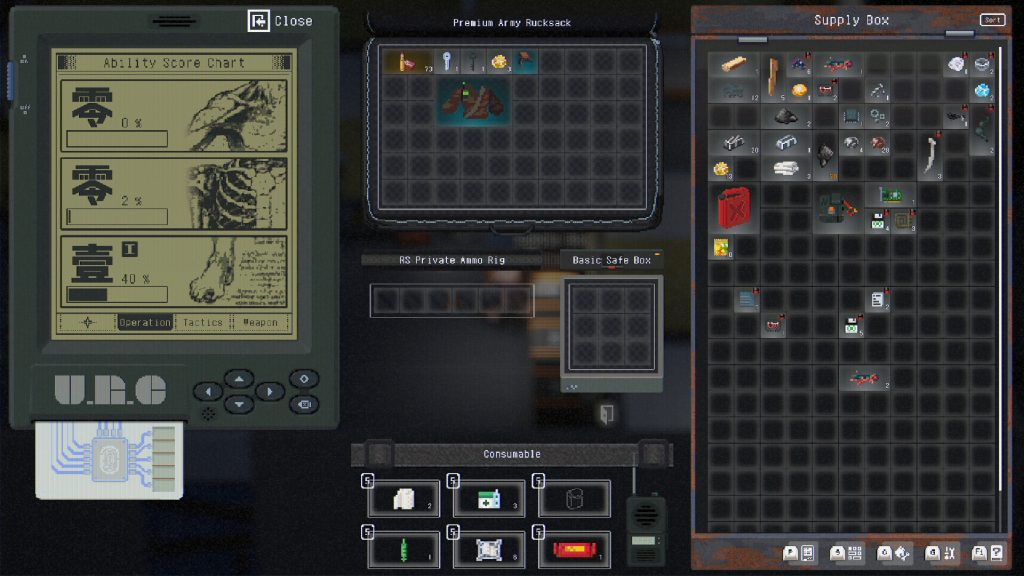
The most immediately notable thing about No Such Place‘s Next Fest participation is the promise that demo progress transfers to the full release. Custom weapons, black market currency, and artifact acquisitions made during the demo carry forward directly when the game launches later in 2026.
This is a significant commitment and a meaningful player-trust signal. Most game demos are explicitly temporary — play, evaluate, and accept that your progress disappears when the demo ends. No Such Place treats the demo not as a trial period but as an early access to the real game’s ecosystem. Players who invest time and strategic effort during the demo aren’t wasting those hours; they’re building a head start for launch day.
For extraction games specifically, this continuity matters more than it would for other genres. Extraction games are built on persistent character and equipment progression — the fear of losing gear on death, the satisfaction of successfully escaping with acquired loot — and treating demo acquisition as real acquisition commits the game to honoring those stakes from the very beginning. It signals that ChillyRoom and Crit Team take the extraction loop seriously enough to make even the demo’s rewards meaningful.
The #12 ranking in Steam Next Fest’s popular demos reflects this decision’s commercial appeal. Players who might otherwise approach a demo casually become invested when their playtime has lasting value.
The Retro Top-Down Aesthetic
The visual identity is No Such Place‘s most immediately distinctive element for extraction game audiences. The genre is dominated by either realistic first-person presentation (Escape from Tarkov, Hunt: Showdown) or stylized third-person perspectives. A top-down retro aesthetic applies a different visual tradition to the genre’s tension structure — one that creates its own form of atmosphere rather than relying on environmental immersion through realistic representation.
Retro aesthetics in top-down games create specific atmospheric qualities. The visible space around the player is both wider (you can see more of the environment than in first-person) and more abstracted (the distance creates aesthetic distance from graphic content). For supernatural horror content specifically, retro styling can produce unsettling effects through the contrast between the aesthetic’s nostalgic associations and the disturbing content being depicted. An abandoned military base rendered in vintage pixel or stylized art evokes a different kind of dread than the same location in photorealistic 3D.
The environmental variety — abandoned military outpost, fog-covered research facility, endless forest, frozen mountain — provides both visual range and gameplay variety. Each environment presumably offers different threat types, different extraction routes, and different artifact locations. The fog-covered research facility specifically is classic supernatural horror territory: enclosed, disorienting, the mist obscuring threats until they’re close enough to matter.
Zona MMORPG’s characterization as “a tactical extraction shooter with refined retro aesthetics” captures the design synthesis precisely. The retro aesthetic isn’t a nostalgic weakness — it’s a deliberate visual identity applied to tactical shooter structure.
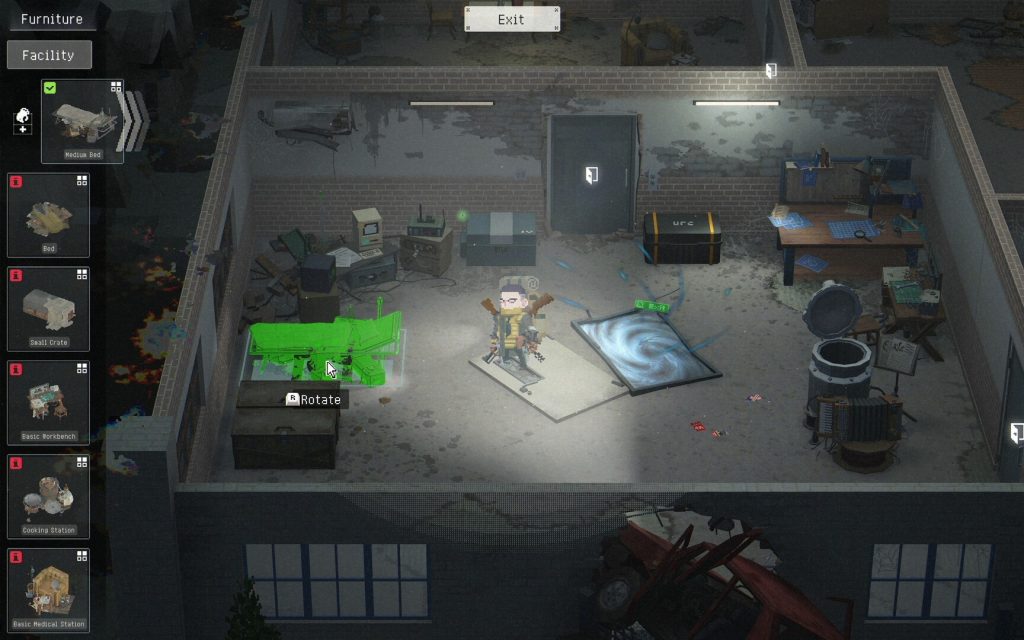
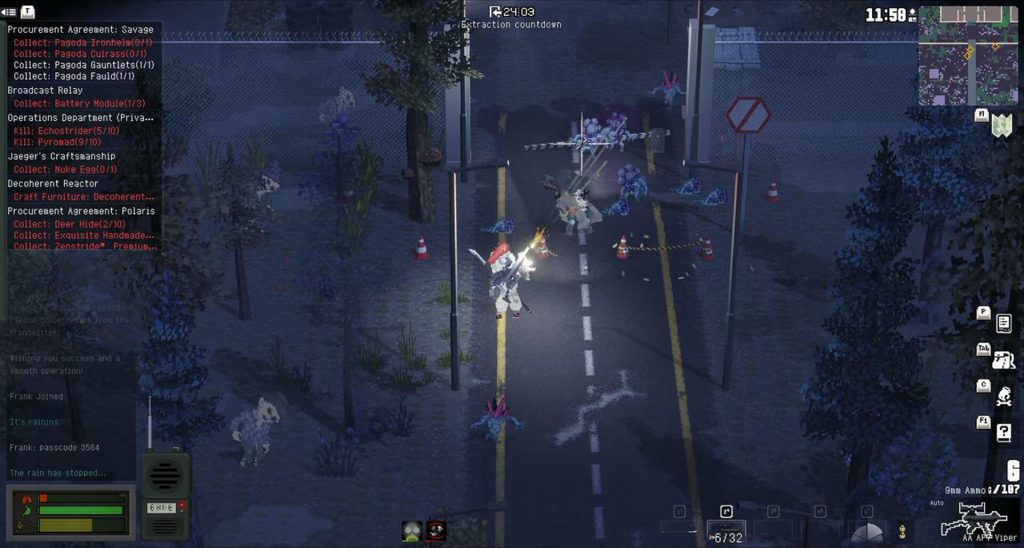
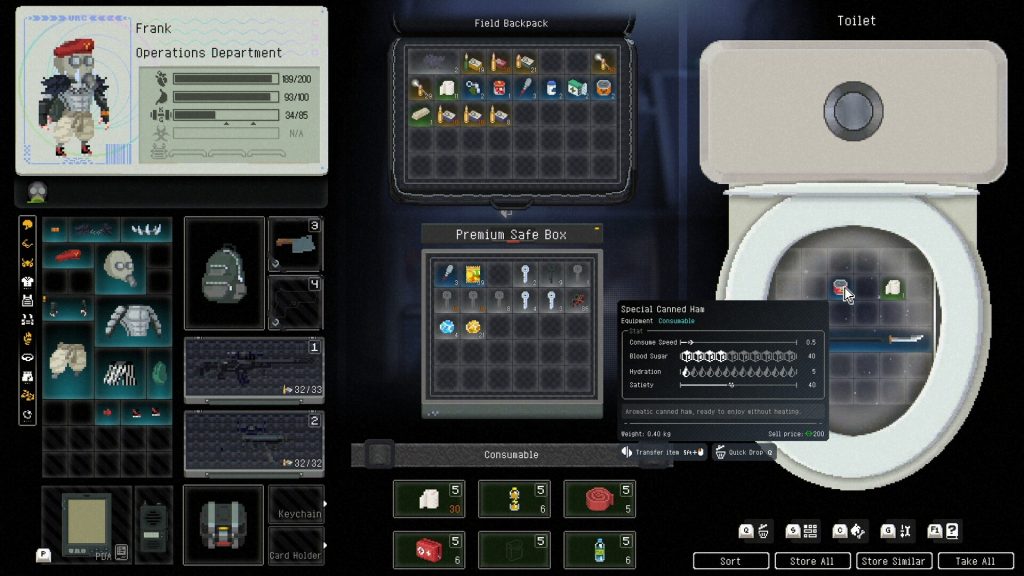
The Cross-Era Weapon Customization
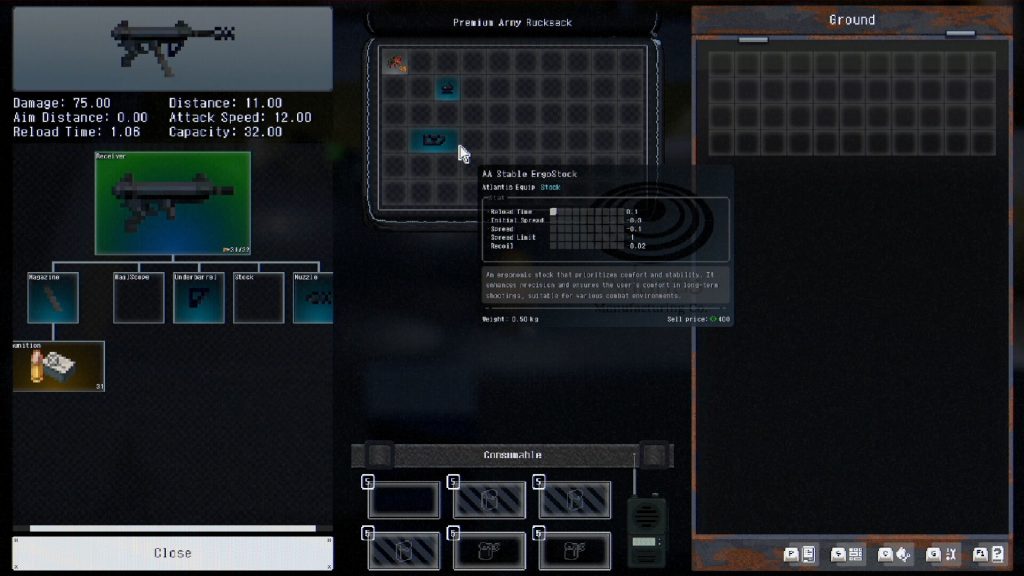
The weapon customization system is No Such Place‘s most mechanically distinctive feature, and the specific choices it enables deserve examination. Mounting a motorcycle muffler on an assault rifle. Attaching a Victorian-era brass scope to a modern firearm. Combining parts from different historical periods and stylistic traditions into a single weapon.
This anachronistic customization philosophy serves the game’s supernatural dimensional setting. If the U.R.C. is investigating anomalies across collapsed dimensions and erased histories, the artifacts and equipment available would naturally span multiple time periods. Victorian brass scopes and motorcycle silencers existing in the same inventory aren’t just creative weaponsmithing — it’s a world where time periods have become permeable.
The customization freedom creates genuine player expression. Two players with the same base weapon can end up with entirely different tools depending on which parts they’ve acquired and how they’ve assembled them. This personalization depth is important for extraction games specifically, where player investment in their character’s equipment is a major psychological driver. When your weapon feels uniquely yours because of specific modifications, losing it on death matters more, which intensifies the extraction tension.
The black market currency system presumably provides the economic layer for this customization — acquiring rare parts, trading between mission runs, building toward specific configurations across multiple sessions. This creates the meta-game progression that makes extraction games compelling beyond individual runs.
The PvE Supernatural Threat Structure
No Such Place operates as PvE rather than PvPvE — a significant design distinction in the extraction genre. Players face monsters, rival AI agents, and mercenaries rather than other human players. This eliminates the human-versus-human anxiety that defines games like Tarkov while preserving the uncertainty of unknown threats and time pressure.
For players who find PvPvE extraction games too intensely competitive or who’ve been burned repeatedly by more experienced human opponents, PvE extraction offers the genre’s tension without its most punishing asymmetry. New players can engage with the extraction loop without immediately encountering players with hundreds of hours of PvPvE experience.
The supernatural monsters provide a threat type that human-only games can’t achieve. Monsters have consistent behaviors that players can learn and anticipate; rival AI agents provide tactical threat variety; the combination creates threat environments that reward both combat skill and knowledge accumulation. Understanding how specific monsters behave in the fog research facility becomes valuable information that carries from run to run.
The time-limited extraction structure is standard but essential. Knowing you have finite time to explore, loot, and extract forces prioritization decisions that reveal character. Do you push deeper for better artifacts when time is running short? Do you engage the high-value target when extraction might become impossible afterward? These micro-decisions accumulate into the strategic personality that distinguishes skilled extraction players from careless ones.
The ChillyRoom Publishing Context
Soul Knight is one of mobile gaming’s most successful dungeon-crawler-shooters, having accumulated enormous player counts through its free-to-play mobile release and later PC port. ChillyRoom built their reputation on accessible but mechanically rich gameplay — the studio understands how to design a game feel that works across different player skill levels.
Bringing this background to extraction shooting is an interesting genre expansion. Extraction games have traditionally skewed toward hardcore audiences willing to accept steep learning curves and high death costs. ChillyRoom’s Soul Knight pedigree suggests an ability to make mechanically complex content accessible, which could position No Such Place as an extraction game that reaches audiences the genre’s harder entries have excluded.
The co-development with Crit Team combines ChillyRoom’s publishing experience and player relationship infrastructure with Crit Team’s specific extraction and shooter design expertise. This kind of publisher-developer collaboration often produces games that maintain creative specificity while benefiting from established commercial infrastructure.
The Collaborative Extraction Design
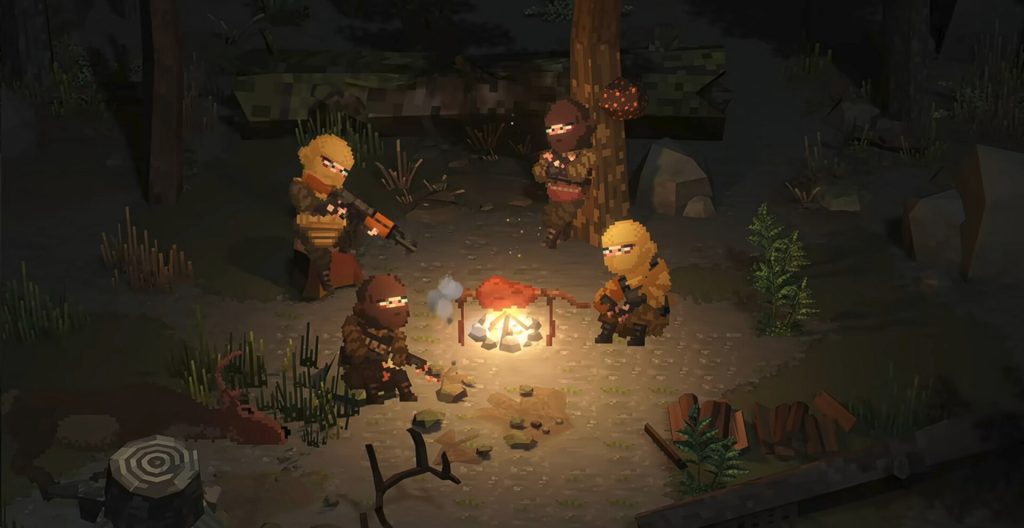
The up-to-4-player co-op structure transforms the extraction dynamic from solo survival to collaborative survival with its own social dynamics. Solo extraction is a personal risk calculation; co-op extraction involves coordinating risk assessment across multiple people with potentially different risk tolerances.
In co-op, the “when to extract” decision becomes a negotiation. One player might want to push deeper; another might want to exit with the current loot safely. The supernatural threats that might be manageable for a prepared solo player can be overwhelming for a split team. Successful co-op extraction requires communication, coordination, and a willingness to compromise individual optimization for collective survival.
The maximum of 4 players is the sweet spot for co-op extraction — large enough to create meaningful team dynamics, small enough to maintain strategic coherence. Phasmophobia established this as an effective number for co-op paranormal investigation; extraction games with the same configuration benefit from similar social dynamics without the scale management that larger groups require.
The International Press Spread
The coverage from Capsule Computers, Zona MMORPG (Spanish-language), Virtualni Kutak (Serbian), Kopodo, PowerUps, and GoMultiplayer, alongside the #12 Next Fest ranking, indicates broad international discovery rather than concentrated coverage in English-language markets. For a game targeting global PC audiences, this geographic spread of early coverage is a positive signal about cross-market appeal.
The Spanish and Serbian coverage specifically suggests the game has found audiences in European and Latin American gaming communities that are sometimes underrepresented in early indie game coverage cycles. This kind of organic international press spread tends to produce more sustained discovery than concentrated English-market visibility alone.
Who This Is For
Strong fit for: extraction game enthusiasts seeking PvE alternatives to PvPvE options; Soul Knight fans curious about ChillyRoom’s genre expansion; players who enjoy weapon customization depth; retro aesthetic appreciators in shooter contexts; co-op action game enthusiasts (1-4 player); supernatural investigation game fans who want action-focused engagement; players who want demo progress to carry forward into the full game.
Cautious fit for: PvPvE extraction enthusiasts who specifically want human opponent tension; players who prefer a first-person perspective for extraction games; anyone who finds time-limited extraction pressure frustrating rather than engaging.
Less ideal for: players seeking competitive PvP; anyone who dislikes extraction genre structure; players who prefer relaxed exploration without time pressure.
What to Watch For
A few questions will shape No Such Place‘s late 2026 release.
The first is whether the weapon customization depth sustains across extended play. The cross-era parts combination is creative; whether there are enough genuinely distinct parts and meaningful enough performance differences between configurations to sustain build variety across many runs will determine the system’s long-term appeal.
The second is the supernatural content’s integration with the extraction structure. Fog-covered research facilities and dimensional anomalies sound compelling as settings; whether the supernatural elements create genuinely unique gameplay encounters rather than just aesthetic theming will separate No Such Place from extraction games with horror aesthetics applied to standard mechanical templates.
The third is balancing extraction tension against ChillyRoom’s accessibility orientation. The publisher’s background in broadly accessible games could either make No Such Place one of the extraction genre’s more approachable entries (a genuine strength for reaching new audiences) or could soften the risk/reward tension that makes extraction compelling for genre enthusiasts.
The fourth is the demo-to-launch data carry implications. Promising that demo data carries forward is a player-friendly commitment; ensuring that this promise creates a fair starting environment for players who begin at launch without demo participation will require thoughtful balance.
The Takeaway
No Such Place is one of the more distinctively positioned extraction shooters in the current development pipeline, combining genre-differentiating retro top-down aesthetics, creative cross-era weapon customization, PvE supernatural threat structure that broadens extraction’s audience beyond hardcore PvPvE enthusiasts, and ChillyRoom’s publishing experience building on Soul Knight‘s proven track record.
The demo data carry forward is the most immediately compelling differentiator — players who engage with the demo during Steam Next Fest aren’t just evaluating the game but potentially investing in their launch-day advantage. For extraction enthusiasts willing to commit time to the demo, this represents an unusual value proposition.
For players who’ve wanted to engage with extraction gaming but found PvPvE entries too punishing or the first-person perspective too intense, No Such Place‘s top-down PvE approach provides a genuine alternative access to the genre’s compelling risk-reward structure.
Abandoned military outpost. Fog research facility. Endless forest. Frozen mountain. Somewhere in each of them is an artifact that history tried to bury, a document that the U.R.C. needs, and something between you and the extraction point that doesn’t want you to leave.
The Victorian scope on the modern rifle might be the difference. The extra artifact might not be worth the time. The co-op partner who wants to push deeper might be right, or the decision might cost everyone their loot.
These are extraction game questions. No Such Place wraps them in retro aesthetics, supernatural settings, and a demo that actually means something when the full game launches. That’s a distinctive enough combination to make the waiting worthwhile.
Information regarding No Such Place
| item | detail |
|---|---|
| Developer | Crit Team |
| Publisher | ChillyRoom (Shenzhen, China) |
| Genre | Top-down PvE Extraction Shooter / Tactical Looting / Co-op Action |
| Release platform | PC (Steam) |
| Scheduled for release | late 2026 |
| demo | Officially participating in Steam Next Fest 2026, ranked 12th in popularity |
| Play Mode | Solo / Co-op up to 4 players |
| Demo data | Continue data from the official release version |
| core system | Free Weapon Customization (Era/Style Mix) / Dimensional Exploration / Timed Extraction |
| Background Environment | Abandoned Military Outpost / Fog Research Facility / Eternal Forest / Frozen Mountain |
| Developer’s previous work | Soul Knight/Otherworld Legends (ChillyRoom) |
| Main Keywords | Extraction, Top-down, Co-op, Supernatural, Dimensions, Weapon Customization, Retro |
| Steam Page | Go to Wishlist/Demo |