Monster taming games have explored every imaginable relationship between player and creature — catching them, training them, commanding them in battle, deploying them strategically. Voidling Bound, the SF creature shooter from Quebec City indie studio Hatchery Games, finds the one relationship nobody had explored: becoming the monster yourself. Not controlling it, not commanding it — neural-linking with it and fighting through its body directly.
The game has launched on Steam and Epic Games Store at $24.99 (with a two-week 10% launch discount), backed by 400,000+ wishlists and developed by former Skylanders series developers who left franchise development to build the creature game they specifically wanted to make. Console versions for PS5, Xbox Series X|S, and Nintendo Switch 2 are planned, but without confirmed release dates.
The Neural Link Design Inversion
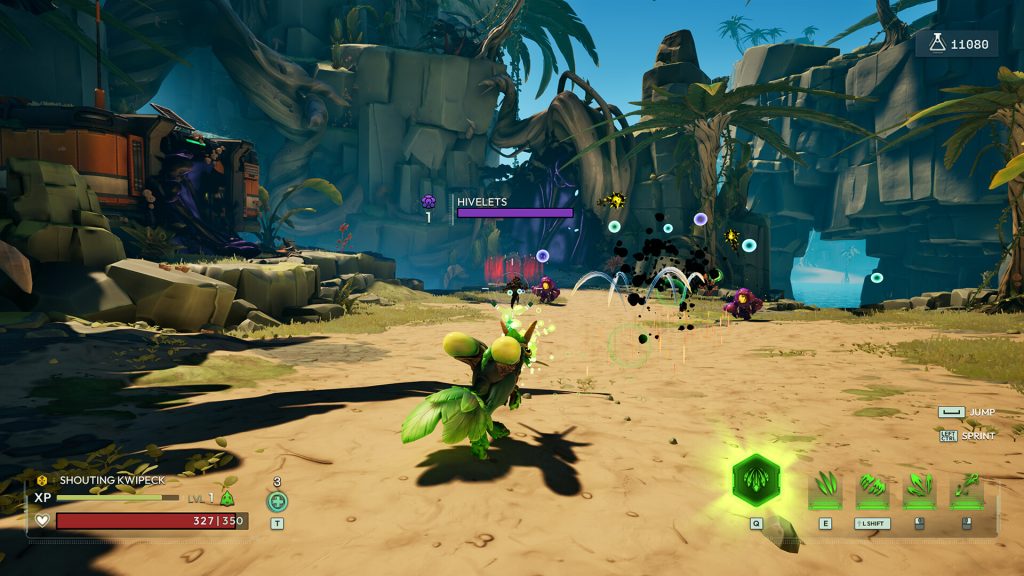
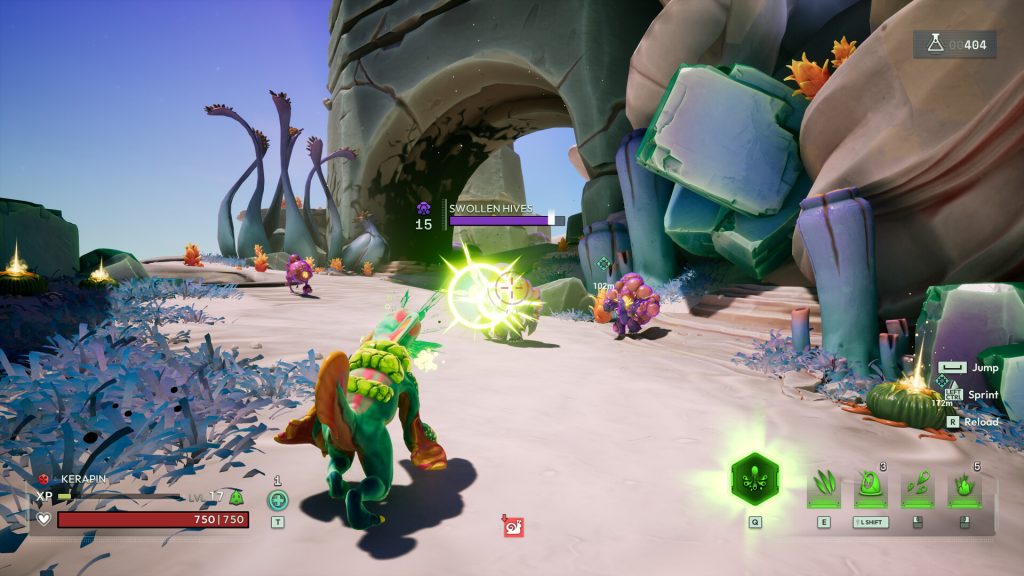
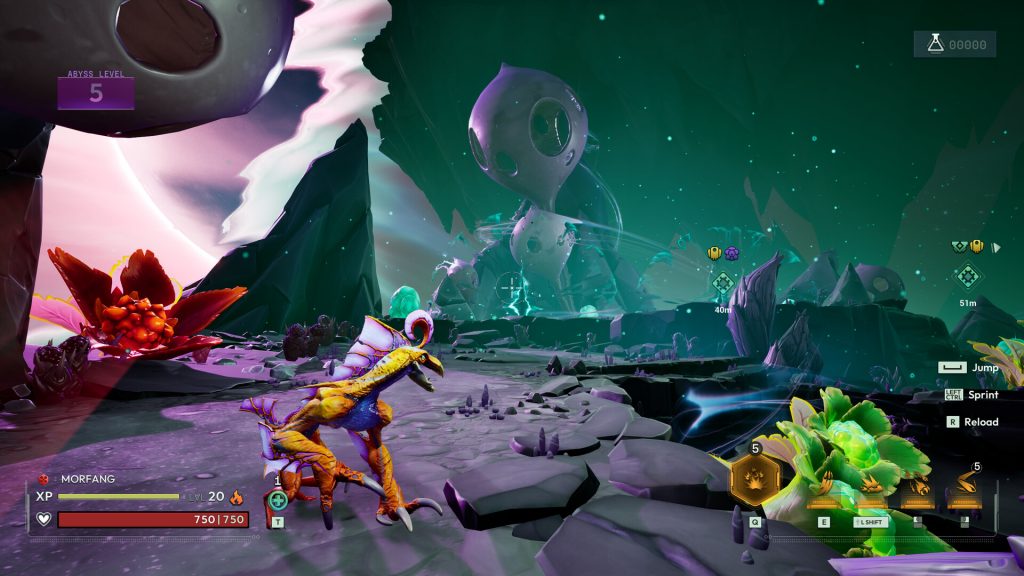
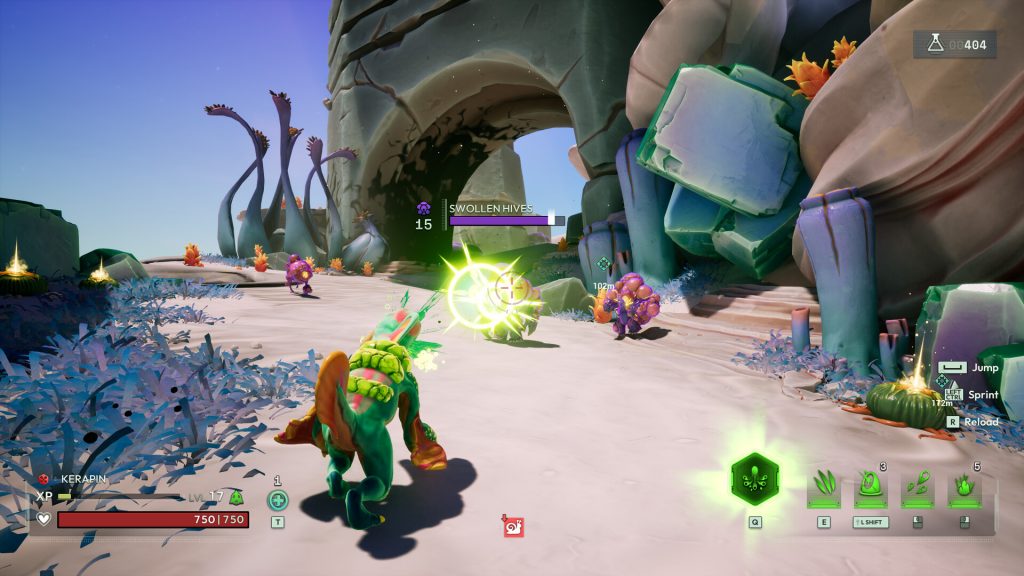
The concept at the heart of Voidling Bound is a genuine inversion of how creature games typically work. As “Space Wrangler,” players don’t remote-control Voidlings or direct them from a separate position. Through neural linking, you become the Voidling — fighting directly through its body, experiencing combat from inside the creature rather than commanding from outside.
This inversion matters more than it might initially seem. Creature games that maintain player/creature separation always have an implicit distance between the player’s investment in the creature and their investment in combat. You care about your Pokémon or your Digimon or your tamed beast, but in combat, there’s some buffer between your moment-to-moment decisions and the creature’s existence. Voidling Bound collapses that buffer entirely.
When you’re fighting through the Voidling’s body, the ranged attacks, melee strikes, and special abilities are your actions in the most direct possible sense. The creature’s evolved capabilities are your capabilities. The branching evolution paths that change the creature’s appearance and abilities simultaneously change what you can do in combat. The breeding choices that combine traits across Voidlings are optimizing your own combat toolkit.
This fusion of creature progression and action gameplay addresses one of the genre’s historical limitations. Monster taming games that separate collection/breeding from actual combat sometimes feel like two games awkwardly stapled together — one focused on nurturing and one focused on fighting, with the connection between them theoretical rather than felt. Voidling Bound‘s neural link makes the connection immediate and physical.
The “Spore meets Warframe” comparison that the international press has used is apt. Spore‘s creature creation and evolution provided the model for player-driven biological development; Warframe‘s third-person action shooter established what kinetic creature-body combat could feel like. Voidling Bound is attempting to combine both into a cohesive experience where creature biology and combat action are genuinely unified.
The Evolution and Breeding Systems
The Voidling progression operates through several interconnected systems that create meaningful build variety.
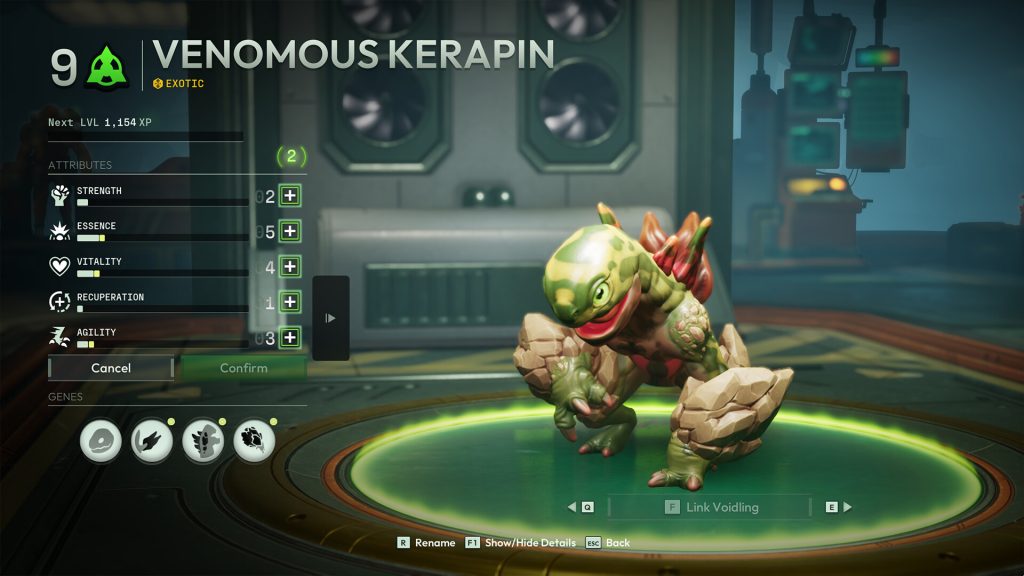
Stat Distribution: Five stats — Strength, Vitality, Essence, Resilience, Agility — accept point distribution at level-up. This familiar RPG structure provides an immediate, tangible effect on combat feel. A Strength-focused Voidling fights differently from an Agility-focused one, and the neural link means players experience this difference directly in how their attacks land and how their body moves.
Branching Evolution: Evolution paths are divergent — different choices produce different external forms and different ability sets. This is the Pokémon evolution structure extended with more agency, and in Voidling Bound‘s neural-link context, it means evolution isn’t just aesthetic change but a direct alteration of what you personally can do in combat. Choosing one evolution path over another is a build decision, not just a visual preference.
Egg Hatching: Voidlings can be acquired through egg hatching during exploration, with rare “Nature” variants appearing at low probability. The rare variant system creates the collection incentive that creature games depend on — the pull to keep exploring and hatching in hopes of encountering something special.
Breeding: Combining different Voidlings through breeding creates offspring with blended traits and abilities. This is Voidling Bound‘s deepest build system — the ability to design specific ability combinations by selecting parent Voidlings with complementary traits. Serious optimization involves understanding which traits interact synergistically and deliberately engineering the Voidlings that will produce those interactions.
DNA Splicing: Beyond standard breeding, DNA splicing allows more precise genetic engineering for diverse creature personalities and capabilities. This adds a layer of deliberate design above the more random-feeling breeding system.
Appearance Customization: Body parts, color schemes, and eye gene collection allow visual personalization independent of combat optimization. The separation of appearance and performance customization lets players achieve their desired combat build without sacrificing visual identity.
The cumulative system depth — five-stat distribution, branching evolution, egg collection, breeding, DNA splicing, appearance customization — suggests substantial content for players who engage seriously with optimization. Whether this depth is accessible to players who don’t want to engage with all of it, and whether casual engagement still produces satisfying combat outcomes, will affect the game’s audience breadth.
The Skylanders Pedigree
Hatchery Games’ founding team’s background in Skylanders series development provides meaningful context. Skylanders is notable in gaming history as the series that launched the “toys-to-life” category, combining physical toy purchases with in-game character use. The series produced multiple entries and was commercially enormous at its peak, before market saturation and changing gaming habits reduced its influence.
Developers who worked on Skylanders understand creature-based game design from a commercially proven perspective. The franchise’s success was built on creature personality, visual distinctiveness, and the specific emotional investment players develop in characters they feel ownership over. Voidling Bound‘s emphasis on visual customization and personal creature identity reflects this heritage — the Hatchery Games team knows what makes players care about their creatures.
What’s interesting about their founding motivation — “making a new kind of monster collection game” — is that it reflects exactly the kind of creative redirection that franchise development often blocks. Skylanders required specific creature design decisions to serve the toys-to-life commercial model. Indie development allows the same expertise to pursue the experience they specifically wanted to create: creature games where you don’t command the creature, you become it.
The Corrupted Planet Aesthetic
The visual identity draws from classic science fiction, presenting colorful and bizarre creature designs against corrupted alien planet landscapes. The handcrafted approach to each planet — distinct color palettes and terrain rather than procedurally generated uniformity — suggests deliberate environmental curation.
The “grotesque yet adorable” creature design philosophy balances two aesthetic registers that typically work against each other. Pure grotesque alienness creates interesting visuals but emotional distance; pure cuteness creates emotional investment but potentially undercuts the SF atmosphere. Voidling Bound‘s attempt to maintain both simultaneously is ambitious and, from press coverage and wishlists, apparently successful at generating interest.
The purification loop — exploring corrupted worlds to cleanse them — provides both narrative structure and gameplay justification for the planetary exploration. The Abyss end content suggests that corruption has a bottomless dimension for players who complete the main content, providing the kind of deep challenge mode that sustains engagement for the game’s most dedicated players.
The 400,000 Wishlist Foundation
400,000+ wishlists before launch is a substantial commercial signal for an indie game. For reference, most successful indie releases accumulate somewhere in the 50,000 to 200,000 range before launch. Reaching 400,000 indicates the project achieved genuine mainstream gaming interest beyond its core target audience.
The marketing approach that built this wishlist is worth noting. Collaboration with content creator “Canadian Guy Eh” for Voidling race introduction videos reflects understanding of how creature-based games build audiences — through personality introductions that create emotional investment before gameplay begins. Viewers who watched Voidling race videos weren’t just seeing gameplay; they were being introduced to characters they might later play as.
International press coverage from Forbes, GameTyrant, DualShockers, and others prior to launch demonstrates that the project achieved mainstream gaming press attention rather than just niche indie coverage. This level of visibility is significant for a debut indie title.
The Abyss and Long-Term Engagement
“The Abyss” end content — an infinite challenge mode where enemies grow stronger with each layer, but rewards increase proportionally — addresses the question that creature games with complex progression systems always face: what do optimized builds do?
Infinite challenge modes with escalating difficulty and rewards provide exactly the endgame that breeding and evolution optimization points toward. Players who invest seriously in building powerful Voidlings need a context where that power is meaningfully tested and rewarded. The Abyss provides this while giving the game’s most engaged players indefinite challenge content without requiring the development team to produce endless new story content.
The escalating layer structure creates a natural competitive context even for a non-competitive game. Players can compare how deep they’ve reached, which creates the kind of social engagement that extends game longevity beyond individual completion.
Who This Is For
Strong fit for: creature/monster taming game enthusiasts seeking action-game evolution of the genre; third-person shooter fans who want progression systems beyond gear; Warframe fans interested in creature-biology-based character development; Spore nostalgia players who want a modern evolution of that concept; players who enjoy genetic optimization and breeding systems; Skylanders fans curious about where those developers went; SF creature design enthusiasts; completionist players who want extensive customization options.
Cautious fit for: players who specifically prefer commanding creatures over becoming them; anyone who finds deep breeding/genetics systems overwhelming rather than engaging; players awaiting console versions (PC-only at launch).
Less ideal for: players seeking purely competitive PvP shooters; anyone who dislikes creature collection and taming genres entirely; players expecting narrative-heavy experiences.
What to Watch For
A few questions will shape Voidling Bound‘s post-launch trajectory.
The first is whether the neural link delivers on its conceptual promise. The idea of becoming the creature rather than commanding it is genuinely fresh; whether the actual shooting and movement feel satisfying and distinct based on different Voidling evolutions will determine if the concept fulfills its potential or remains an interesting premise attached to standard third-person shooter mechanics.
The second is breeding system accessibility. Deep genetic optimization systems can become impenetrable without good communication. Whether Voidling Bound successfully communicates what breeding decisions produce what outcomes — allowing players to make meaningful choices without requiring external wikis — will affect how broadly the system engages rather than frustrates.
The third is the content scope against the $24.99 pricing. The launch price positions Voidling Bound as a mid-tier indie game, and players will evaluate whether the planetary exploration, creature variety, breeding depth, and Abyss end content justify that price. The first weeks of player reviews will clarify this quickly.
The fourth is the console launch timing. The PS5, Xbox, and Switch 2 versions without confirmed dates represent a meaningful portion of the potential audience. How quickly and successfully these versions arrive will affect whether the platform diversification supports the game’s commercial trajectory or whether the PC-only initial release creates momentum challenges.
The Takeaway
Voidling Bound is one of the more genuinely innovative entries in the creature game genre, combining a fresh structural concept (neural link as monster rather than commander), substantial progression depth (five-stat distribution, branching evolution, breeding, DNA splicing), distinctive SF aesthetic (handcrafted corrupted planets, grotesque-yet-adorable Voidlings), and former Skylanders developer expertise applied to an original creative vision.
For creature game enthusiasts specifically, the core concept inversion makes this worth serious evaluation. The genre has been exploring the same player/creature relationship structures for decades; neural linking as the creature rather than directing it represents the kind of fresh design thinking that distinguishes memorable genre entries from competent iterations.
For action game players, the breeding-and-evolution system offers a progression model that doesn’t rely on standard gear treadmills. The idea that your combat capabilities are a function of genetic optimization decisions rather than item drops provides a different relationship with character power that the right players will find compelling.
For a broader gaming culture, Voidling Bound represents former franchise developers using indie freedom to pursue the specific creative vision that franchise constraints blocked. The Skylanders veterans, knowing exactly what they wanted to do differently — keeping creature personality and visual investment while eliminating the player/creature separation — and having the freedom to do it is exactly the story that makes following developer career trajectories interesting.
Corrupted planets wait to be explored. Eggs wait to be hatched, carrying possible rare Natures. Voidlings wait to be bred into optimized combinations. And somewhere in The Abyss, increasingly powerful enemies await players confident enough in their genetic engineering to descend deeper.
You are not commanding the creature. You are the creature. And 400,000 wishlists suggest the world was ready for exactly that distinction.
Information regarding ‘Voidling Bound’
| item | detail |
|---|---|
| Developer / Publisher | Hatchery Games |
| Genre | SF Creature Shooter / Third-Person Shooter / Monster Taming |
| Release platform | PC (Steam, Epic Games Store) / PS5 · Xbox Series X/S · Nintendo Switch 2 (to be released later) |
| Release status | Official release (PC), console version schedule undisclosed |
| price | $24.99 (prices vary by region), 10% off for the first 2 weeks of launch |
| Evolutionary system | Branching evolutionary paths, mutation characteristics, DNA splicing |
| stats | Distribution of points for 5 types: Strength, Stamina, Essence, Recovery, and Agility |
| Acquisition / Breeding | Obtain new Void Rings by hatching eggs, rare ‘Nature’ appear, and combine attributes and abilities through breeding. |
| Customization | Collection of genes for body parts, colors, and eyes |
| Endgame content | ‘The Abyss’ Infinite Challenge Mode |
| Main Keywords | Sci-Fi, Creature Tamer, Third-person Shooter, Evolution, Breeding, Neural Bonding, Endgame |
| Steam Page | Go to Purchase & Wishlist |