Shine light on a shadow, and it becomes a solid three-dimensional object with weight and collision. Take the light away, and it flattens back into two dimensions. From this single rule, THANKS, LIGHT. — The 3D puzzle platformer from Korean indie studio Lightersgames builds an entire world of spatial puzzles. Announced for September 2026 release on PS5 and Steam (published by Hong Kong’s Game Source Entertainment), the game joins Steam Next Fest from June 15 and positions itself firmly in the beloved lineage of first-person puzzle platformers running from Portal through Superliminal to Viewfinder.
The premise is elegantly simple, but the puzzles built from it demand intuition and experimentation. Using a single flashlight, players manipulate light and shadow to transform objects between 2D and 3D, solving space itself as a puzzle. It’s the kind of high-concept mechanical foundation that, when executed well, produces the genuinely fresh puzzle experiences that distinguish memorable games from genre exercises.
The Single-Rule Foundation
The brilliance of THANKS, LIGHT. lies in its commitment to a single, elegant rule. At the center of the game is one principle: when light hits a shadow, it becomes a three-dimensional object; when light is removed, it returns to flat. Everything else builds from this foundational mechanic.
This single-rule design philosophy reflects the best traditions of puzzle game design. The greatest puzzle games — Portal‘s portals, Baba Is You‘s rule manipulation, The Witness‘s line drawing — typically establish simple core mechanics and then explore their implications exhaustively. The depth emerges not from mechanical complexity but from the surprising possibilities that simple rules generate when combined with thoughtful level design.
THANKS, LIGHT. Operating on this principle suggests sophisticated design understanding. Players use a single flashlight to apply this rule, creating paths and solving puzzles. The simple principle generates puzzles requiring intuition and experimentation, producing deep gameplay. This is exactly how elegant puzzle design works — accessible rules, deep implications.
The teaching approach reinforces this philosophy. Rather than a complex explanation, the game induces player observation and inference. The design encourages players to naturally learn rules through exploring stages, illuminating objects from various angles, and direct experimentation. This discovery-based learning — where players figure out the rules through experimentation rather than tutorial instruction — creates the kind of satisfying “aha” moments that distinguish great puzzle games.
The Physics and Geometry Integration
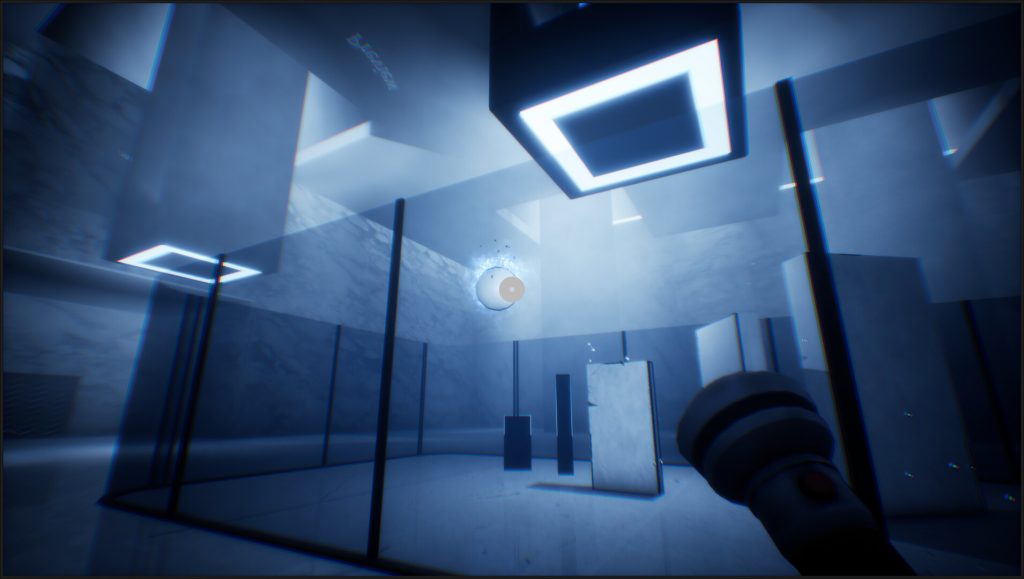
What elevates THANKS, LIGHT. Beyond the simple gimmick is its integration of physics and geometric elements. The puzzles go beyond simple mechanics, incorporating physics and geometry into their structure.
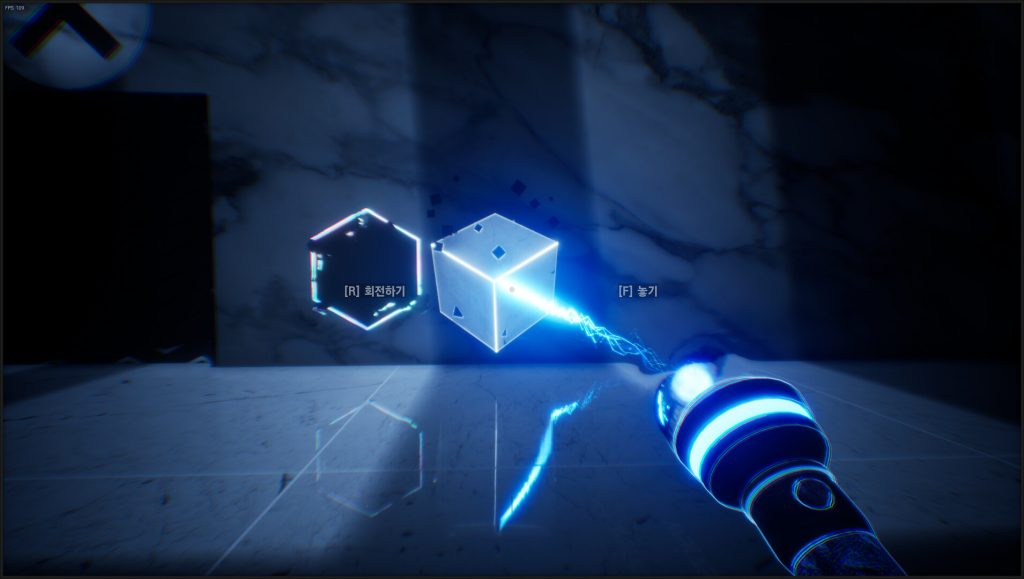
When shadows receive light, they become substantial entities with weight and collision; when light disappears, they return to unconstrained flat forms. Players must rotate objects to create new silhouettes, then materialize them to assemble puzzle solutions. This rotation-and-materialization system adds dimensional thinking that pure light-switching couldn’t achieve.
The geometric dimension is particularly clever. The same object, viewed from different angles, casts different silhouettes. A complex three-dimensional object might cast a silhouette that becomes a staircase from one angle, a bridge from another, a platform from a third. Players must think about how objects’ shadows change based on viewing angle, then use the materialized shadows strategically.
The addition of mirrors and lenses for light reflection and refraction extends this complexity further. The same silhouette can reveal completely different forms depending on angle, and how players utilize this becomes a key variable. A simple shadow transforms into a staircase or bridge, reconstructing space itself. This light-manipulation layer adds optical puzzle elements reminiscent of classic light-based puzzle games while integrating them into the distinctive 2D-3D transformation framework.
This combination of silhouette manipulation, physics (weight and collision), geometry (angle-dependent shadows), and optics (mirrors and lenses) creates substantial puzzle depth from the single foundational rule. The systems interconnect to generate the kind of layered puzzles that reward spatial thinking and experimentation.
The Portal-Superliminal-Viewfinder Lineage
THANKS, LIGHT. explicitly positions itself in the lineage of first-person puzzle platformers running from Portal through Superliminal to Viewfinder. This positioning is meaningful and precise.
Portal (Valve, 2007) established the modern first-person puzzle platformer, using its portal mechanic to create spatial puzzles that bent players’ understanding of three-dimensional space. The game’s brilliance was making players think in new spatial dimensions, and it influenced an entire generation of puzzle design.
Superliminal (2019) extended this tradition through perspective-based puzzles where objects’ sizes changed based on how players perceived them — forced perspective made small objects huge and vice versa. The game explored how perception shapes reality in puzzle form.
Viewfinder (2023) further advanced the genre by letting players bring photographs into three-dimensional reality, reshaping space through captured images. Like its predecessors, Viewfinder found genuinely new spatial puzzle mechanics.
THANKS, LIGHT. operating in this lineage signals serious ambitions. These games are among the most respected puzzle platformers specifically because each has found a genuinely novel spatial mechanic. The 2D-3D transformation through light represents exactly this kind of novel spatial mechanic — taking the relationship between dimensions and making it the puzzle foundation. For fans of these specific games, THANKS, LIGHT. offers exactly the kind of fresh spatial puzzle thinking they appreciate.
The Intuition-Based Design
THANKS, LIGHT. emphasizes intuition over quick manipulation or calculation. What matters in the game isn’t fast input or computation but “intuition.” Players guess possibilities by rotating objects to various angles and reach solutions through repeated attempts.
This intuition-focused design creates an accessible but deep experience. The game doesn’t demand quick reflexes or complex calculation — it rewards spatial intuition and willingness to experiment. This makes the puzzles accessible to players who don’t enjoy execution-focused challenges while providing depth for players who engage thoughtfully with the spatial possibilities.
Failure is designed as a natural learning process, and puzzles can be reset at any time, allowing players to continue experimenting without pressure. This forgiving structure encourages the experimentation that the puzzles require. Players can try approaches, fail, learn, and retry without penalty — exactly the kind of low-pressure environment that puzzle experimentation needs.
The spatial thinking requirement extends beyond simple light application. Rather than just shining light from the front, players must move positions to find new angles and combine these with platform elements, requiring three-dimensional thinking. The game naturally interlocks puzzle and action, creating a distinctive play rhythm. This integration of spatial puzzle-solving with platforming movement adds the kind of physical engagement that pure static puzzles lack.
The Narrative Layer
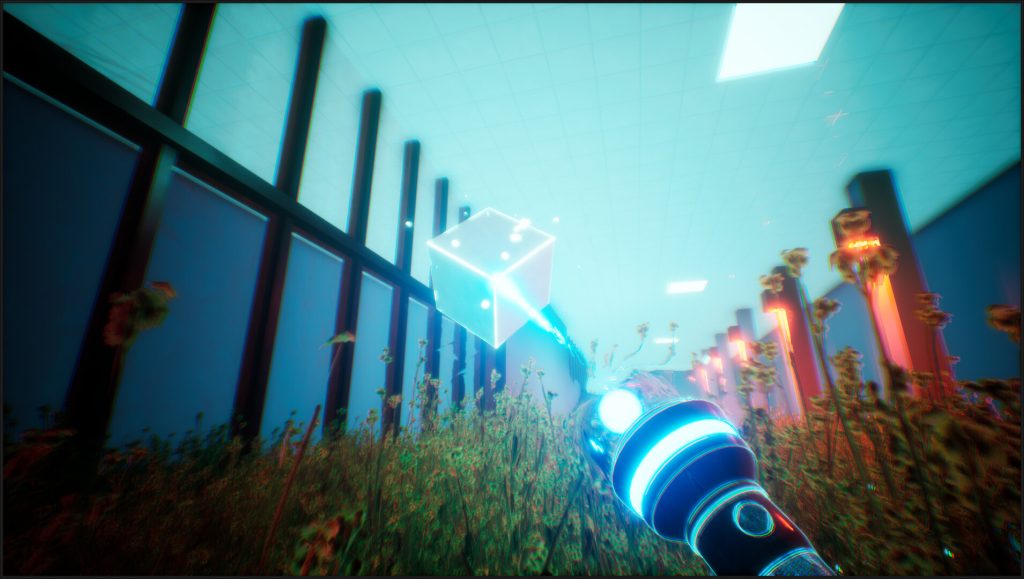
THANKS, LIGHT. integrates narrative with its puzzle mechanics in thematically resonant ways. Players explore a strange space with a girl, attempting to escape. During this process, the guidance of an “Administrator” conflicts with warnings from a mysterious black entity, creating tension.
This narrative structure — conflicting guidance from different sources — connects directly to the game’s puzzle philosophy. The question of whose words to believe gradually unfolds, interlocking with the puzzle rules and adding narrative meaning throughout the game. The uncertainty about which guide to trust mirrors the puzzle gameplay’s emphasis on looking beyond surface appearances.
The game’s message is clear: “appearance isn’t everything.” In both puzzles and stories, players are induced to see the essence beyond the surface. This thematic coherence between mechanics and narrative distinguishes thoughtful game design. The puzzles teach players that shadows can become substantial objects (appearance isn’t reality); the narrative teaches players that surface guidance may mislead (appearance isn’t truth). Mechanics and theme reinforce each other.
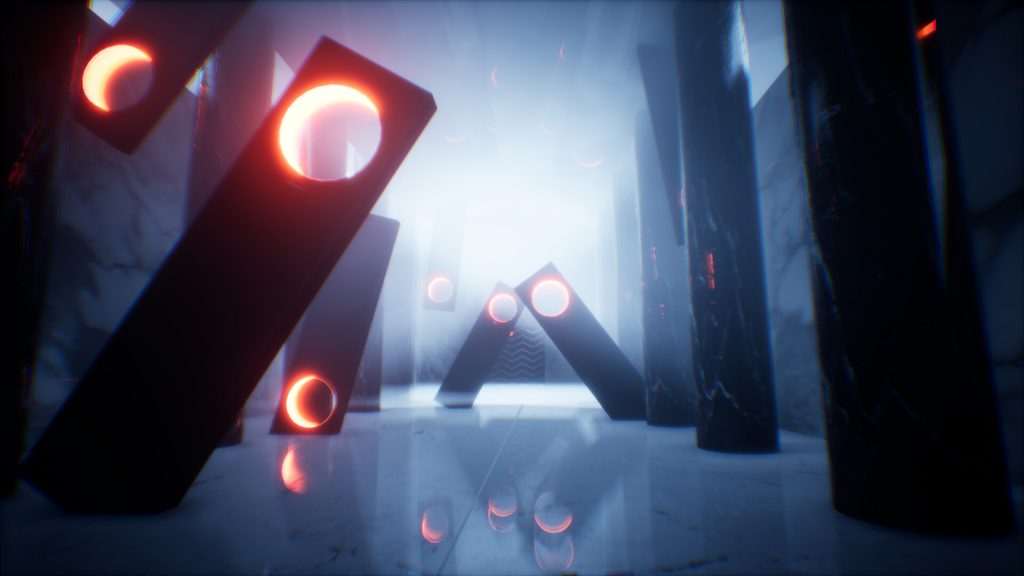
The liminal space setting reinforces this thematic content. Liminal spaces — transitional, in-between places that feel simultaneously familiar and unsettling — have become a significant aesthetic in recent gaming and internet culture. The liminal setting provides an atmospheric foundation that matches the game’s themes about perception, reality, and the spaces between states (2D and 3D, light and shadow, trust and doubt).
The Lightersgames Identity
Developer Lightersgames is a Korean indie team whose name means “people who shine light.” The studio focuses on creating differentiated experiences through new ideas and experimental mechanics rather than following trends.
This studio philosophy — prioritizing experimental mechanics over trend-following — aligns perfectly with THANKS, LIGHT.‘s distinctive design. The 2D-3D transformation mechanic represents exactly the kind of experimental thinking that distinguishes innovative studios from those chasing market trends. In a gaming landscape where many projects follow established formulas, Lightersgames’ commitment to mechanical innovation is genuinely valuable.
The name’s meaning (“people who shine light”) connects thematically to the game itself, where shining light is the core mechanic. This alignment between studio identity and game design suggests authentic creative vision — the studio’s fundamental identity expresses itself through the game’s central mechanic.
The Game Source Entertainment publishing partnership provides important international support. GSE, a Hong Kong publisher, brings the kind of regional and international market reach that helps Korean indie projects access broader audiences. The PS5 and Steam multi-platform release reflects serious commercial ambitions supported by established publishing infrastructure.
The Reception
Since its reveal, THANKS, LIGHT. has earned a positive reception through Steam demos and playtests. Players have praised the “intuitively understandable yet deep puzzle design,” and some communities have noted it as a fresh spatial puzzle reminiscent of Superliminal and Viewfinder.
This reception — praising both accessibility (“intuitively understandable”) and depth (“deep puzzle design”) — suggests THANKS, LIGHT. achieves the balance that distinguishes great puzzle games. The best puzzles are easy to understand but hard to master, accessible to approach but deep to explore. Player feedback indicating both qualities suggests the design succeeds at this balance.
The game has been consistently introduced through domestic and international indie game events and online showcases, drawing positive responses for both completion quality and ideas. The international comparison to Superliminal and Viewfinder — among the most respected recent puzzle games — reflects recognition that THANKS, LIGHT. operates at a serious quality level.
The new 60-second trailer impressively captures the visual appeal of the 2D-3D transformation. For a mechanic, this visual, trailer presentation matters significantly — the transformation between dimensions is exactly the kind of mechanic that demonstrates well in video, generating the curiosity that drives demo trials and wishlist additions.
Who This Is For
Strong fit for: puzzle platformer enthusiasts (Portal, Superliminal, Viewfinder fans); players who appreciate elegant single-mechanic design; spatial thinking and geometric puzzle enthusiasts; players who enjoy discovery-based learning over tutorial instruction; intuition-focused puzzle players; liminal space aesthetic appreciators; players seeking narrative integrated with mechanics; anyone who enjoyed light-and-shadow puzzle mechanics.
Cautious fit for: players who prefer action over contemplative puzzle-solving; anyone who finds experimental puzzle mechanics frustrating rather than intriguing.
Less ideal for: players seeking fast-paced gameplay; anyone who dislikes puzzle games; players who prefer combat or action over spatial reasoning.
What to Watch For
A few questions will shape THANKS, LIGHT.‘s September 2026 release.
The first is whether the core mechanic sustains across a full game. The 2D-3D transformation is brilliant as a concept; whether it generates enough varied puzzles to sustain a complete game without repetition will determine the experience’s quality. The best single-mechanic puzzle games continuously find new implications; whether THANKS, LIGHT. achieves this will be crucial.
The second is the difficulty curve. Puzzle games must balance accessibility and challenge, introducing complexity gradually while maintaining satisfaction. How well THANKS, LIGHT. Calibrating its difficulty progression will significantly affect player engagement.
The third is the narrative payoff. The conflicting-guides narrative creates intrigue; whether it resolves satisfyingly and whether the “appearance isn’t everything” theme delivers meaningful payoff will affect the overall experience.
The fourth is the platforming integration. The combination of puzzle-solving with platforming movement adds physical engagement; whether this integration feels smooth or whether the platforming complicates the puzzle focus will affect the play rhythm.
The Takeaway
THANKS, LIGHT. is one of the more elegant puzzle platformers on the horizon, combining a genuinely fresh core mechanic (2D-3D transformation through light), respected genre lineage (Portal, Superliminal, Viewfinder), thoughtful design philosophy (single-rule elegance, intuition-based learning), and meaningful thematic integration (appearance versus reality in both puzzles and narrative).
For puzzle platformer enthusiasts specifically, the free Steam Next Fest demo provides an immediate opportunity to experience the distinctive mechanic. The Superliminal and Viewfinder comparisons signal exactly the kind of fresh spatial puzzle thinking that the genre’s fans appreciate, and the positive reception suggests the execution lives up to the conceptual ambition.
For players seeking innovative gameplay, THANKS, LIGHT. represents exactly the kind of mechanical experimentation that keeps gaming vital. Lightersgames’ commitment to experimental mechanics over trend-following produces the genuinely novel experiences that distinguish memorable games from forgettable ones.
For Korean indie gaming observers, THANKS, LIGHT. demonstrates Korean indie’s capability in sophisticated puzzle design. The project competing seriously in the Portal–Superliminal–Viewfinder lineage — among the most respected puzzle game traditions — reflects Korean indie’s growing range across demanding genres.
A flashlight. A shadow that becomes solid when light touches it, and flat when light leaves. Objects rotated to cast different silhouettes. Mirrors and lenses bend light to reveal new forms. A girl, a strange space, an Administrator, and a mysterious black entity offering conflicting guidance. And one clear message: appearance isn’t everything — look beyond the surface, in both the puzzles and the story.
As puzzle platformer pitches go, THANKS, LIGHT.‘s is one of the more genuinely elegant of 2026 — and the free Steam Next Fest demo provides immediate access to experience whether the 2D-3D transformation delivers the fresh spatial puzzle thinking that Portal, Superliminal, and Viewfinder fans treasure. Shine the light. Watch the shadow become solid. Rotate, materialize, and reshape space itself. And discover that sometimes the path forward only appears when you look at the world from a completely different angle.
Thanks, light. For showing us that appearance isn’t everything — and that the space between two dimensions is where the most interesting puzzles live.
Information regarding ‘THANKS, LIGHT.’
| item | detail |
|---|---|
| Developer | Lightersgames |
| Publisher | Game Source Entertainment (GSE) |
| Genre | 3D Puzzle Platformer / Spatial Manipulation / Portal-like |
| Release platform | PC (Steam) / PlayStation®5 |
| Scheduled official release date | September 2026 |
| Core mechanics | Switch objects between 2D and 3D states using a flashlight |
| background | Liminal Space |
| demo | Free Steam demo available |
| Next Fest | June 15, 2026 onwards participation |
| Main Keywords | Light, Shadow, Spatial Manipulation, Puzzle, Portal-like, 2D-3D Switching, Indie |
| Official Channel | Steam Community Hub |
| Steam Page | Shortcut |