When the development team for a Kickstarter project includes veterans from Baldur’s Gate 3, Fortnite, League of Legends, World of Warcraft, GTA, Fall Guys, Assassin’s Creed, Warhammer, FIFA, and Asphalt, attention follows naturally. Tomo: Endless Blue, the upcoming open-world voxel RPG from Paris-headquartered Onibi Inc. with sister studio Mujina, has converted that pedigree into rapid Kickstarter success — hitting its $100,000 funding goal within 60 hours of campaign launch and crossing the threshold with strong international backer participation.
To commemorate the milestone, the development team has released a new “Director’s Cut” trailer featuring additional cinematic direction and original music, including a newly composed and performed song by Cécile Corbel, the Studio Ghibli composer known for The Secret World of Arrietty.
This isn’t just another crowdfunded indie RPG. Tomo: Endless Blue is positioning itself as one of the most ambitious genre-fusion projects currently in development, combining voxel open-world exploration, creature collection, real-time multiplayer, and procedurally generated content into a single coherent vision.
The AAA Veteran Foundation
Understanding Tomo: Endless Blue requires understanding who’s making it. Onibi Inc. operates across San Francisco, London, and Bordeaux, with sister studio Mujina based in France, handling dedicated development on the Tomo project. The team’s collective experience spans some of the most commercially successful games of the past two decades.
This level of AAA veteran concentration in an indie project is unusual. Most ambitious indie games are made by smaller teams without major commercial title experience; most AAA veteran indie projects are made by founders from a single prior studio. Onibi has assembled developers from across multiple major franchises and studios, suggesting both significant industry network access and the kind of cross-disciplinary expertise that complex genre-fusion projects require.
The implications for development capability are significant. Open-world games at Tomo‘s ambition scope require teams with experience in world-building (covered by ex-Ubisoft Assassin’s Creed developers), live-service operations (covered by ex-Fortnite developers), narrative RPG systems (covered by ex-Larian Baldur’s Gate 3 developers), competitive multiplayer (covered by ex-Riot League of Legends developers), and casual multiplayer experiences (covered by ex-Fall Guys developers). Building all of these capabilities in a smaller team typically requires years of skill development; Onibi has assembled these capabilities directly.
The 60-hour funding success reflects this credibility. Kickstarter backers are increasingly skeptical of ambitious project promises after years of high-profile crowdfunding disappointments. AAA veteran teams reduce that skepticism by demonstrating that the people promising the ambitious vision have actually shipped major commercial products before. Tomo‘s rapid funding reflects backer confidence that this team can deliver what they’re describing.
The Voxel Open-World Premise
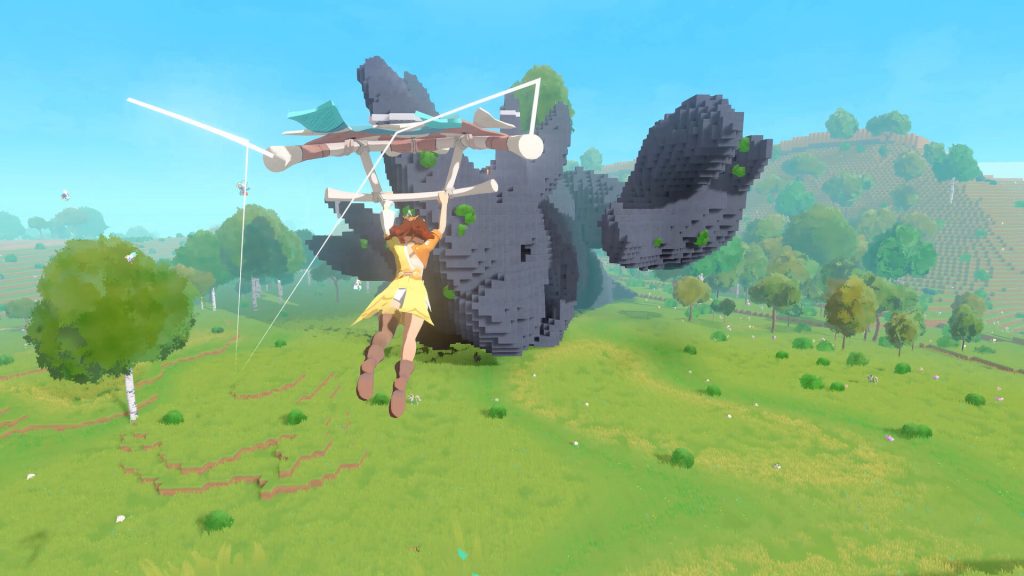
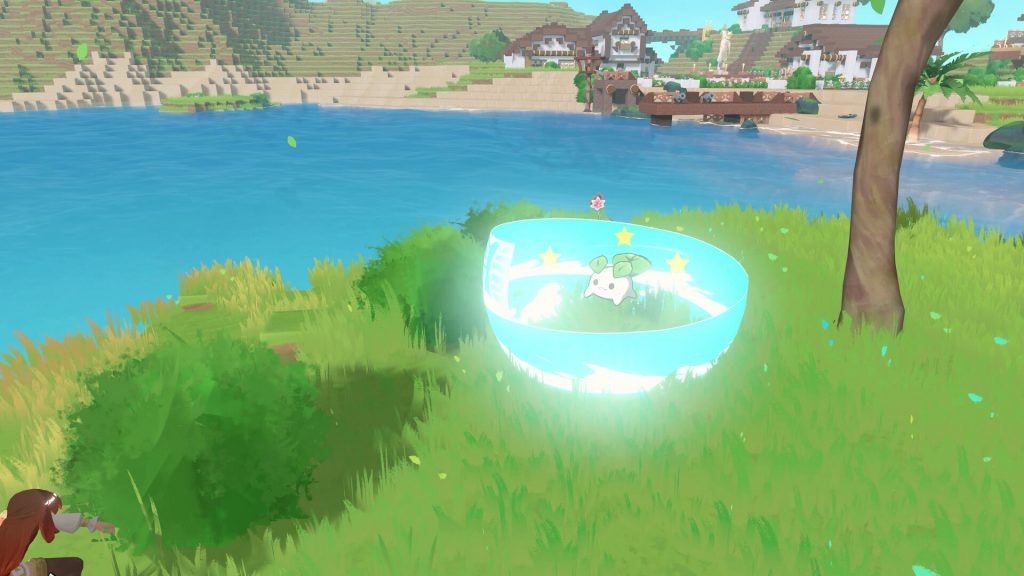
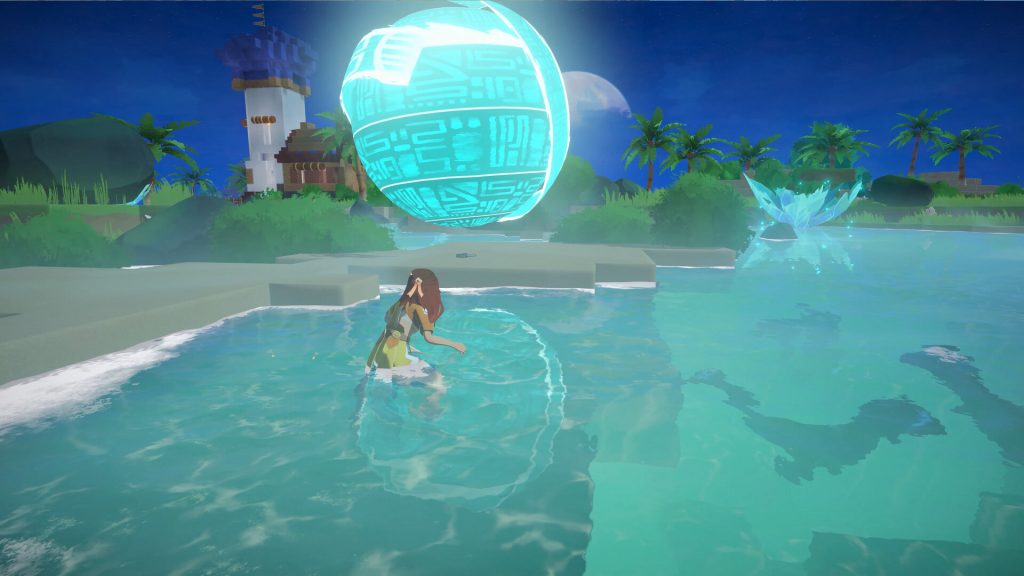
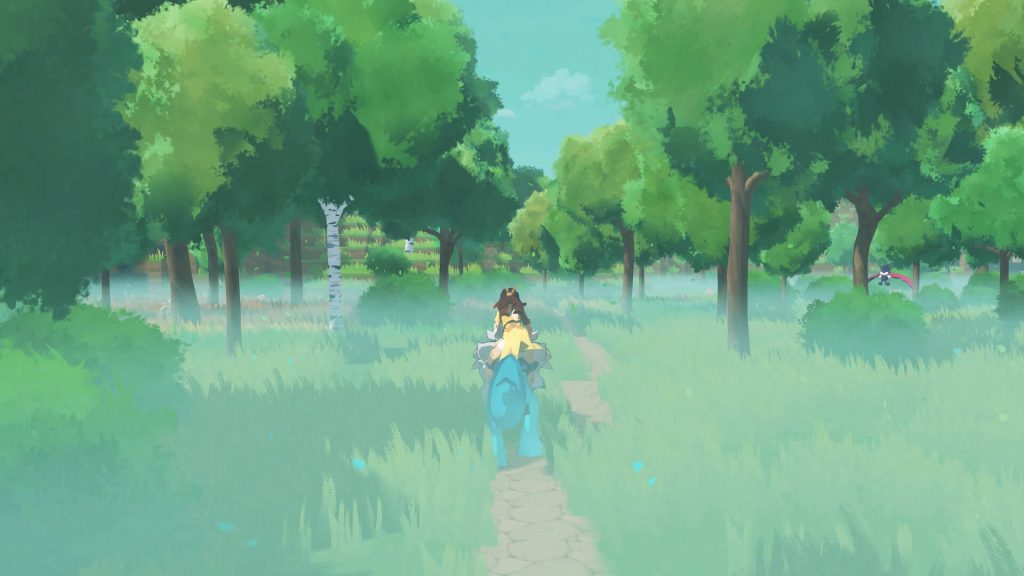
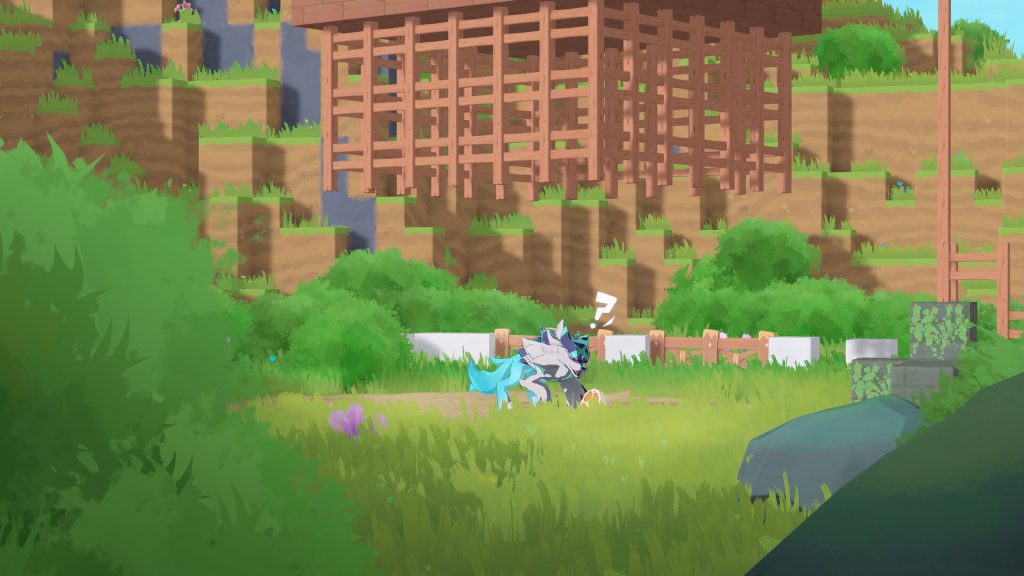
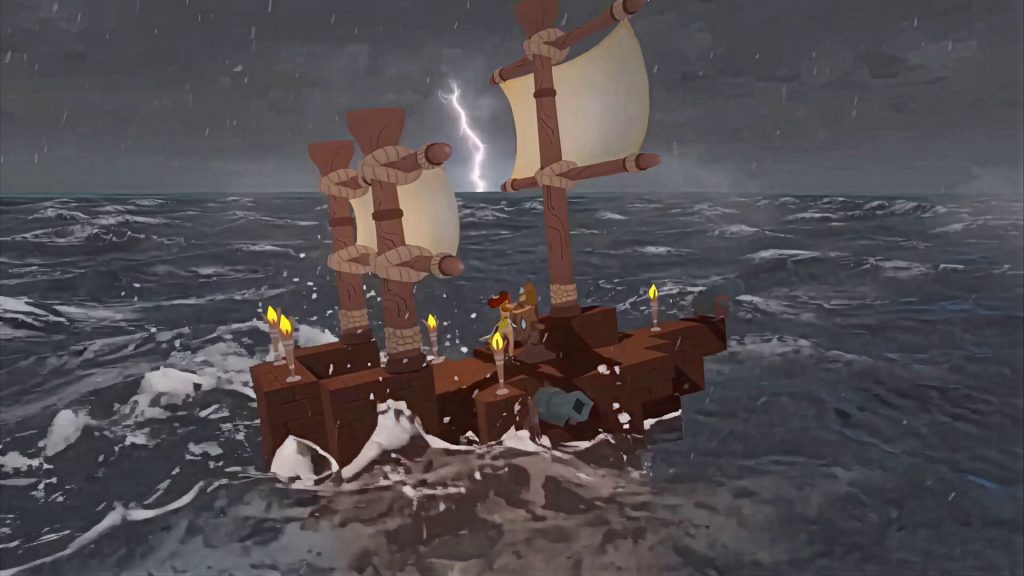
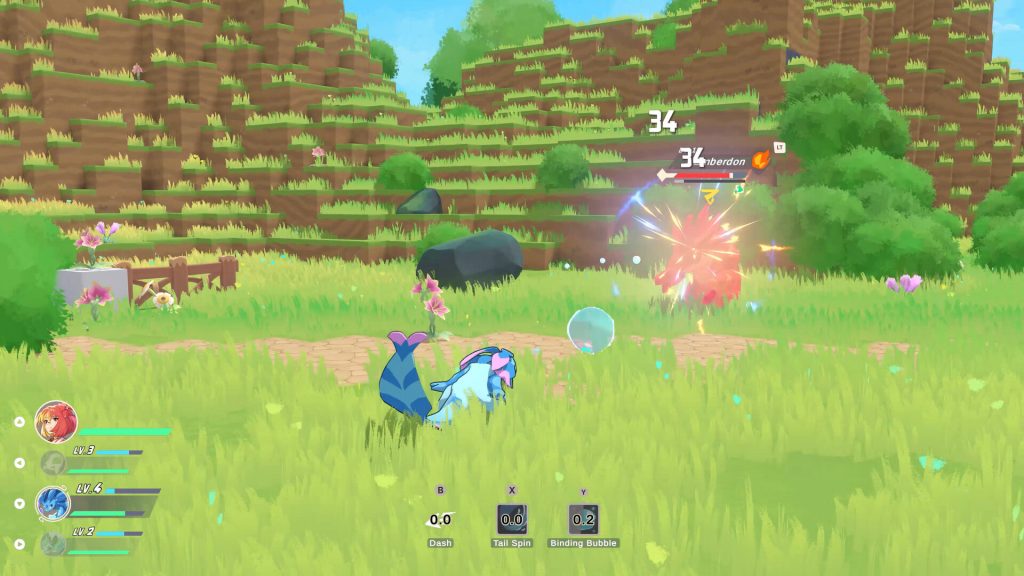
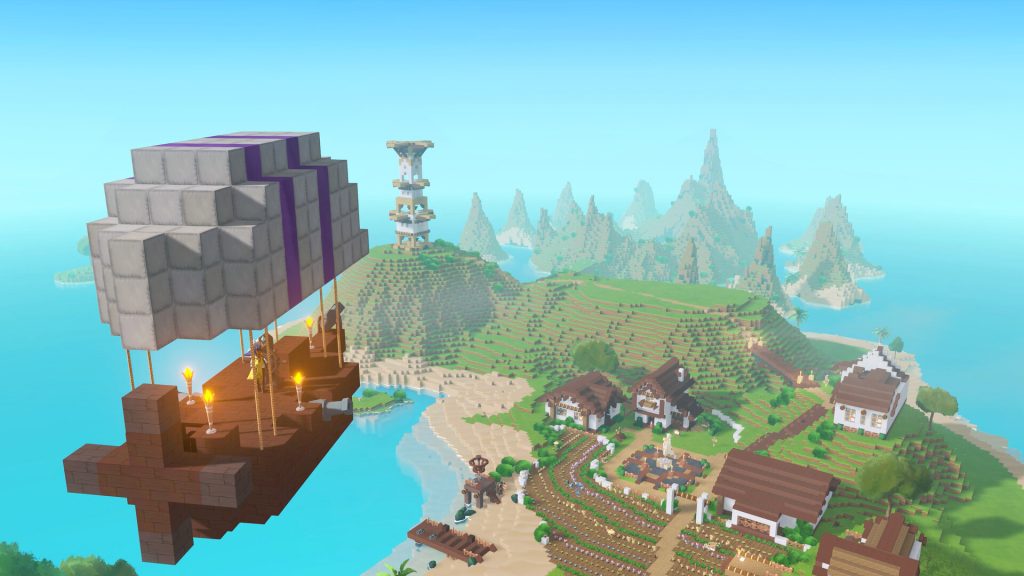
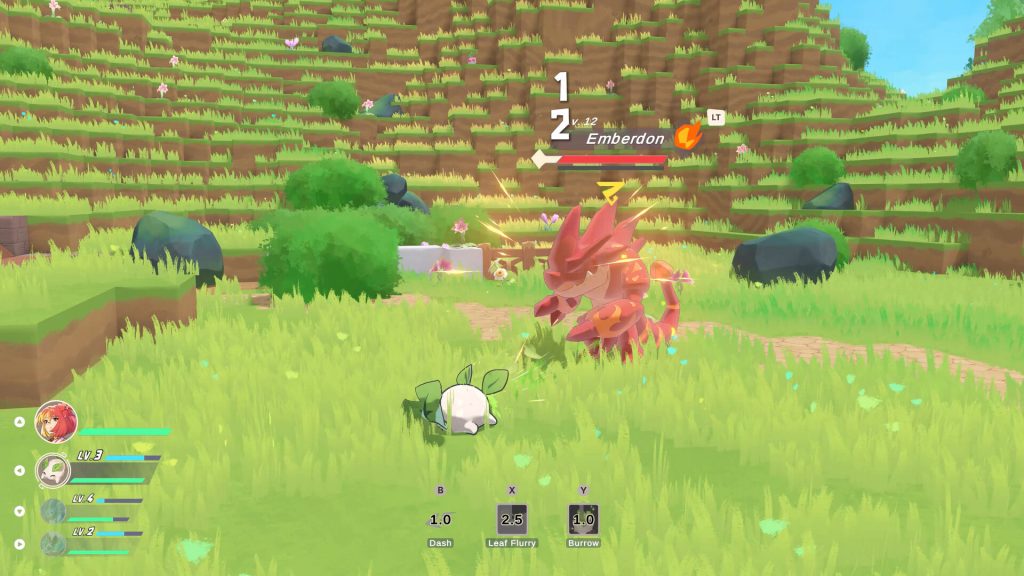
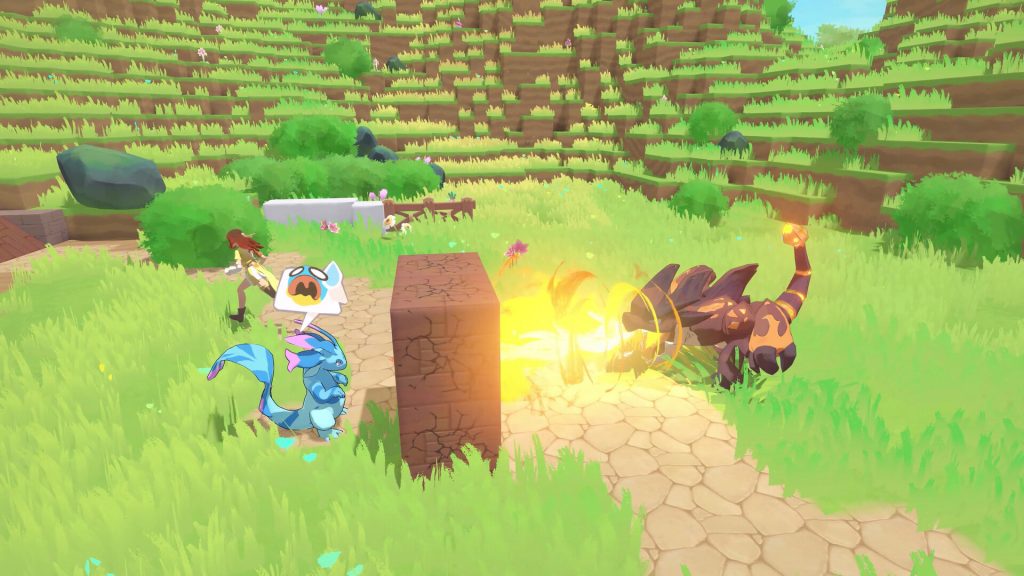
The setting is “Endless Blue” — a vast ocean world populated by mysterious creatures called “Tomo.” Players explore the endless waters, discovering various islands, capturing Tomo to nurture and grow, or taking adventures alongside them. The gameplay combines crafting (homes, vehicles, various devices), real-time combat, and exploration of the ancient secrets and history hidden throughout Endless Blue.
The voxel approach is doing specific work here. Voxel-based open worlds offer particular advantages: meaningful destructibility and constructibility (players can build and modify the world), procedural generation compatibility (voxel systems integrate naturally with procedural content), and aesthetic distinctiveness (voxel games have a visual identity that distinguishes them from polygonal alternatives).
The ocean-world setting is also a relatively underexplored space in open-world RPG design. Most major open-world games operate on landmass-focused geography — continents, regions, and kingdoms. Tomo: Endless Blue‘s commitment to ocean-as-primary-geography creates fundamentally different navigation, exploration, and discovery patterns. Islands become destinations rather than continents; sailing and exploration become primary verbs; the spatial relationship between locations differs from terrestrial geography.
This setting also enables specific gameplay opportunities. Each island can be a discrete adventure space with its own identity. Travel between islands creates natural pacing rhythms. The ocean itself can host its own ecosystems and encounters. The vertical dimension (above and below water) adds gameplay possibilities that pure terrestrial worlds typically lack.
The AI-Generated Content Approach
The most controversial and innovative aspect of Tomo: Endless Blue is its commitment to local AI generation technology for dynamic content creation. While maintaining a shared world setting, the game generates distinct villages, NPCs, quests, cultures, and story structures uniquely for each player.
This is a significant design bet, and it deserves honest examination. The promise is compelling: every player experiences a different version of the same world, with unique adventures and narratives generated dynamically. Repeat play value is theoretically infinite — the world keeps producing new content as long as players keep engaging with it.
The execution challenges are substantial. AI-generated content typically falls into a quality range that includes both impressive creativity and concerning mediocrity. Players accustomed to hand-crafted RPG content (the standard for the genre’s quality benchmarks) may find AI-generated alternatives lacking in narrative coherence, character development depth, or the kind of authored craft that distinguishes memorable RPGs from generic ones.
The “local AI generation” specification is interesting. This implies content generation happens on the player’s machine rather than through cloud services, which has privacy implications (no player data leaves the device), latency (no internet dependency for content), and ownership (players have actual access to their generated content). These benefits address real concerns about AI-generated game content, though they also impose technical requirements on player hardware.
How well the AI system actually generates coherent, engaging content will be the central design question for Tomo: Endless Blue‘s reception. If the system produces consistently interesting villages, NPCs, and quests that feel like genuine RPG content rather than algorithmic patterns, this could represent a significant innovation in how RPGs deliver content scope. If the AI generates content that players find generic or repetitive despite its surface variety, the system would undermine rather than enhance the experience.
The development team’s confidence in the approach is notable. Building a game around AI-generated content is a major commitment — one that’s difficult to retreat from if the technology doesn’t deliver expected results. This suggests Onibi has either developed AI generation systems that work better than typical or they’re willing to invest the development resources required to make AI generation work at the quality level RPG players expect.
Cécile Corbel and the Audio Foundation
The soundtrack contributions deserve attention because they signal the project’s broader cultural positioning. Cécile Corbel’s involvement is particularly notable. Her work on The Secret World of Arrietty established her as one of Studio Ghibli’s distinctive composer collaborators, with lyrical, emotionally textured compositions that became part of the film’s identity.
For an indie RPG to attract Corbel for original, composed, and performed work signals significant industry credibility and creative ambition. Composers of her caliber don’t take projects casually; her participation implies the development team presented sufficient creative vision to interest someone with multiple options for her artistic time.
Additional soundtrack contributors include Ai Higuchi (Attack on Titan Final Season) and Thomas Brunet (Chants of Sennaar). This multi-composer approach is unusual but appropriate for the project’s scope — open-world games benefit from soundtrack variety that single composers sometimes struggle to provide alone.
The Ghibli connection through Corbel also signals tonal aspirations. The Studio Ghibli aesthetic tradition combines whimsy, wonder, environmental beauty, and emotional depth in ways that influence how the game probably wants to feel. Players who’ve responded to Ghibli films may find Tomo: Endless Blue‘s tonal aspirations particularly appealing.
The Multi-System Scope
Tomo: Endless Blue‘s feature scope is genuinely ambitious. The system list includes:
Procedural World Generation: Islands, villages, cultures, characters, quests, and stories are all uniquely generated per player.
Monster Taming and Training: The creature collection element draws from Pokémon-style genre conventions.
Voxel Building and Crafting: Player-driven construction and modification of the game world.
Real-Time Combat: Active combat systems rather than turn-based alternatives.
Creative Mode: Sandbox-style creative play alongside the structured RPG experience.
Modding Support: Minecraft and Unity import compatibility, prompt-based world generation tools, modding API, and coding-free minigame creation tools.
This scope represents major studio territory rather than typical indie project scale. The modding support specifically reflects ambitious community engagement — building tools that let players create their own content meaningfully extends the project’s longevity, but requires substantial development investment to implement well.
Single-player and cooperative multiplayer support add another scope dimension. Cooperative open-world games require networking infrastructure that smaller indie projects often can’t deliver well. The team’s experience with major multiplayer titles (Fortnite, League of Legends, Fall Guys) directly applies here.
The 2027 Timeline
The target release timeline is 2027, structured as Steam Early Access transitioning to full release. This roughly two-year development horizon from Kickstarter launch reflects appropriate scope awareness — Tomo: Endless Blue‘s ambition genuinely requires significant development time, and rushing the project to faster release would compromise the systems’ quality.
The Early Access structure is particularly appropriate for the AI generation systems. AI-generated content benefits from iterative refinement based on actual player feedback at scale. Early Access provides the framework for this refinement — players engaging with imperfect AI systems can provide feedback that helps the development team improve generation quality over the development period.
The two-year horizon also accommodates the additional development that Kickstarter funding enables. Funded scope expansion typically extends timelines, and Onibi’s planning appears to account for this rather than promising delivery on impossibly fast schedules.
How Press and Community Have Responded
Coverage has emphasized the project’s distinctive combination of elements. RPGamer, Inven Global, Massively Overpowered, Noisy Pixel, and Capsule Computers have all featured the project, recognizing it as one of the more interesting upcoming RPG announcements.
Community response since the trailer and prototype reveals has been notably positive. Players engaging with the AI-based adventure generation and creature collection systems have shown high interest. Specific reactions to the procedural generation include comparisons like “feels like a combination of Pokémon, open-world RPGs, and sandbox games” and “seems like every playthrough will produce a different story.”
The AAA veteran team composition and Cécile Corbel’s involvement have generated additional excitement. Some users have described Tomo: Endless Blue as “one of the most notable indie RPG projects in recent memory” — recognition that reflects both the team’s pedigree and the project’s design ambition.
The Kickstarter campaign’s rapid success itself functions as community validation. Reaching 100% funding within 60 hours represents a significant achievement for any indie crowdfunding effort, and the trajectory continues to accumulate pledges beyond the goal, suggesting the project has captured meaningful audience attention.
The Modding and Community Tools
The modding support specifications deserve specific attention because they reflect a particular philosophy about community engagement.
Minecraft and Unity Import Compatibility is particularly significant. This means players can bring existing Minecraft content (the world’s largest player-created content ecosystem) and Unity-developed assets into the game. The audience access this enables is enormous — anyone with existing Minecraft creation skills can immediately apply them to Tomo: Endless Blue.
Prompt-Based World Generation Tools extend the AI generation system to player control. Players can presumably guide AI generation through natural language prompts, creating custom worlds, villages, or content following their specifications.
Coding-Free Minigame Creation lowers the barrier to player-created interactive content. Tools that let non-programmers create gameplay experiences have historically produced significant community-generated content (Roblox, Garry’s Mod, Dreams). Building this capability into Tomo: Endless Blue could create similar community dynamics.
Modding API provides the standard developer-facing modding support that lets technical users extend the game more deeply.
This comprehensive modding infrastructure represents significant development investment in community-driven longevity. Games that build modding into their core architecture often experience extended commercial lives through community content; Tomo: Endless Blue is clearly aiming for this kind of sustained engagement.
Who This Is For
Strong fit for: open-world RPG fans seeking distinctive new entries; creature collection enthusiasts (Pokémon, Palworld, TemTem players) curious about open-world variation; sandbox players (Minecraft, Terraria) interested in RPG depth; players intrigued by AI-generated content possibilities; AAA-veteran indie project followers; cooperative open-world fans; modding community participants seeking new platforms with strong tool support.
Cautious fit for: players skeptical of AI-generated content quality; anyone concerned about ambitious crowdfunded projects meeting their development promises; players who specifically prefer hand-authored RPG content.
Less ideal for: players who prefer traditional turn-based RPG combat; anyone allergic to voxel aesthetics; players who avoid Kickstarter projects on principle; anyone seeking shorter, more focused experiences rather than vast open-world systems.
What to Watch For
A few questions will shape Tomo: Endless Blue‘s development arc toward 2027.
The first and most critical is whether the AI-generated content actually delivers quality that matches hand-authored RPG standards. This is the project’s central technical and creative bet, and its success or failure will determine whether Tomo represents genuine innovation or an interesting experiment.
The second is scope management. The feature list is enormous — procedural generation, creature collection, voxel building, real-time combat, multiplayer, modding support, and creative mode. How Onibi manages this scope across the development timeline will determine whether the project delivers everything promised or requires scope reduction.
The third is the AAA veteran team coordination. Assembling experienced developers from multiple major studios is one thing; coordinating them effectively into a coherent indie production is another. How well Onibi’s distributed multi-city team operates will affect development velocity and quality.
The fourth is the Early Access community engagement. Tomo: Endless Blue‘s success depends partly on building an active player community during Early Access who can provide feedback on AI systems, generated content quality, and gameplay balance. How well Onibi facilitates this community will significantly affect the full release quality.
The Takeaway
Tomo: Endless Blue is one of the most genuinely ambitious indie RPG projects currently in development, combining AAA veteran development capability, creative ambition spanning multiple gameplay systems, distinctive procedural content generation technology, and ambitious community engagement infrastructure.
The 60-hour Kickstarter funding success reflects accumulated industry confidence in the team’s capability to deliver the vision described. This isn’t speculative funding for unproven developers — it’s backing for a team whose collective resume includes some of gaming’s most commercially successful titles.
For RPG fans curious about where the genre might be heading, Tomo: Endless Blue represents one of the more interesting experiments in progress. The AI-generated content approach could either revolutionize how RPGs deliver content scope or remain a promising experiment that doesn’t quite reach hand-crafted quality standards. Either outcome will be informative for the industry’s broader conversation about AI in game development.
For Kickstarter backers, the project offers participation in an unusually credible crowdfunded indie effort. The team’s pedigree and the project’s scope justify the ambition, even if some specific systems don’t deliver perfectly — the foundational competence is established enough that backers can reasonably expect a substantial product even if specific features evolve during development.
For the broader indie scene, Tomo: Endless Blue represents a particular kind of project that’s becoming more common — AAA veterans leaving major studios to make ambitious indie work with major-studio-tier capability but indie-scale creative freedom. The success or failure of projects like this will shape whether this development model continues attracting senior industry talent.
An endless ocean populated by mysterious creatures. Procedurally generated villages, cultures, and stories are unique to each player. AAA veterans are building an RPG that combines voxel exploration, creature collection, real-time combat, multiplayer, and comprehensive modding tools. Studio Ghibli composer Cécile Corbel is providing the audio identity. Targeting a 2027 release with Steam Early Access preceding it.
As indie RPG pitches go, Tomo: Endless Blue‘s is one of the most genuinely ambitious of the year — and the team’s capability to actually deliver on that ambition is, based on their collective track record, significantly above the typical Kickstarter project. Whether the AI-generated content systems live up to their potential will be one of the most-watched questions in indie RPG development across the next two years.
The campaign is open. The wishlist is one click. The endless ocean is waiting to be explored. And somewhere between the AAA experience the team brings and the AI generation systems they’re building, Tomo: Endless Blue might just deliver one of the most distinctive open-world RPGs of its generation.
Information regarding ‘Tomo: Endless Blue’
| item | detail |
|---|---|
| Developer | Onibi Inc. (San Francisco, USA / London, UK / Bordeaux, France) |
| Sister Studio | Mujina (France, Tomo’s dedicated development partner) |
| Genre | Open World Voxel RPG / Monster Taming / Sandbox / Multiplayer |
| Release platform | PC (Steam) |
| Official release target | 2027 (Steam Early Access → Official Release) |
| Current status | Steam Wishlist Revealed / Kickstarter Campaign Opens May 26 (Goal $100,000) |
| Soundtrack | Participating in Ai Higuchi (Attack on Titan Final Season), Cecil Corbel (Arrietty on the Roof · Studio Ghibli), and Thomas Brunet (Chants of Sennaar). |
| core system | Procedural world generation (uniquely generated islands, villages, culture, characters, quests, and stories), monster capture and training, voxel building and crafting, real-time combat, Creative mode |
| Modding support | Minecraft/Unity import, prompt-based world creation tool, modding API, coding-free minigame creation |
| First revealed | First Cinematic Trailer Released (2025, Surpasses 1.8 Million Views) |
| Major media | Introduction to RPGamer · Inven Global · Massively Overpowered · Noisy Pixel · Capsule Computers, etc. |
| Main Keywords | Voxel RPG, Monster Taming, Sandbox, Procedural Generation, Multiplayer, Modding, Open World |
| Kickstarter | Shortcut |
| Steam Page | Wishlist |