- Central Asian Excellence: Developed by Contrast Games, an indie studio based in Almaty, Kazakhstan.
- Kung-fu Parkour: A unique blend of rhythmic staff combat and high-speed traversal.
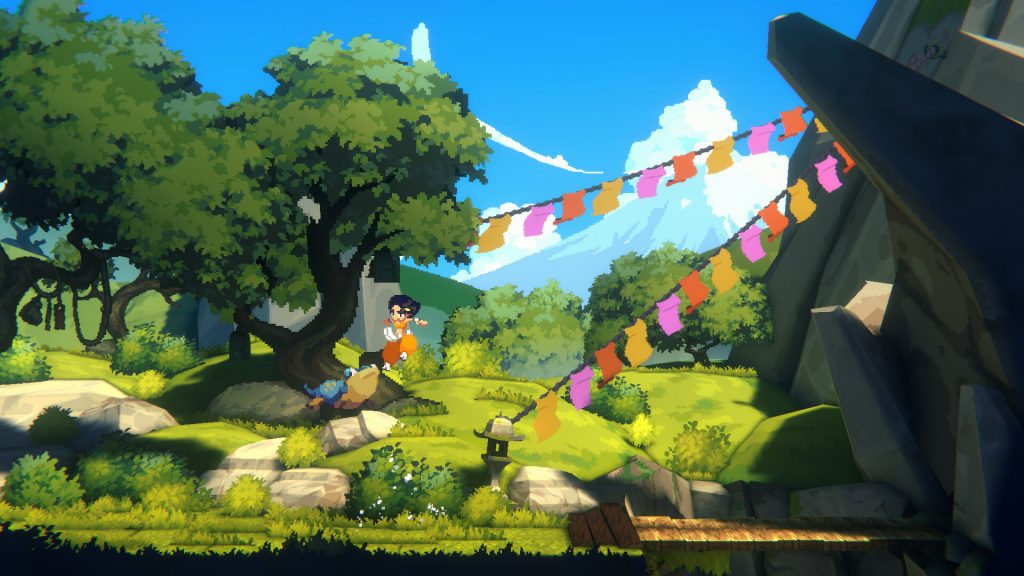
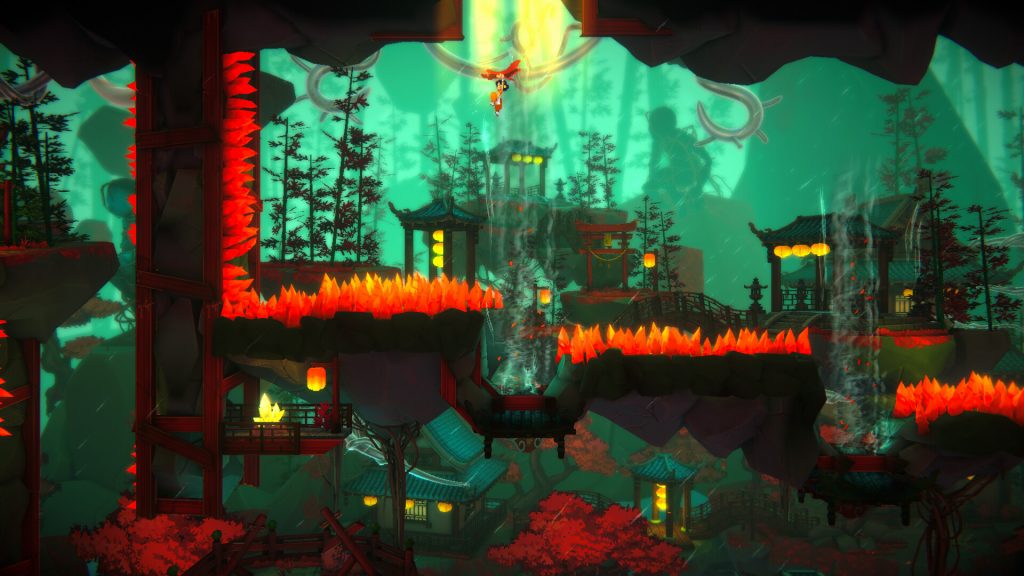
- The 2.5D Challenge: Features a striking visual style that places high-quality pixel art characters onto immersive 3D backgrounds.
- Steam Next Fest: A 45-minute playable demo is available from February 23 to March 2, 2026.
The indie gaming scene in Kazakhstan is having a major breakout moment. Contrast Games has officially unveiled a deep gameplay trailer and a playable demo for their ambitious metroidvania, Akatori. Centered around a young monk and her sentient staff, the game promises a rhythmic flow that blurs the line between combat and exploration.
Mako and the Amber Storms
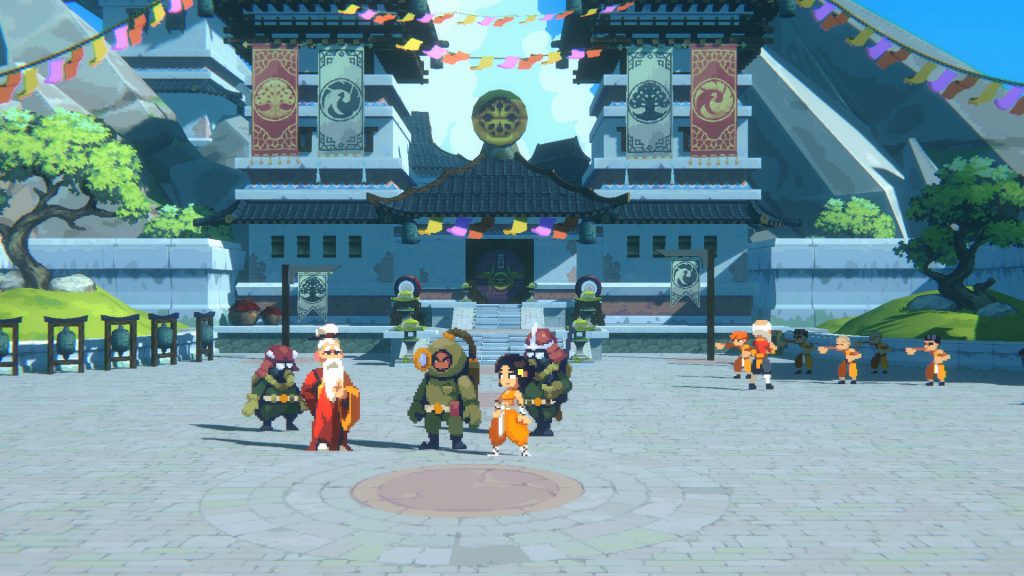
Players take control of Mako, a young monk raised in the Firebird Temple. Her world is being consumed by “Amber Storms”—a corrupting force that mutates living creatures and tears through the fabric of reality. To save her home, Mako must travel across multiple dimensions using a mysterious staff that houses the soul of an ancient red bird.
Rather than relying on heavy exposition, Akatori utilizes environmental storytelling. The narrative unfolds through the world’s design and brief, meaningful character interactions, focusing on themes of growth, discovery, and resilience in the face of an encroaching apocalypse.
The Staff: Weapon, Key, and Compass
The defining feature of Akatori is how it integrates Mako’s staff into every second of gameplay. Traversal and combat are not separate modes; they are part of the same rhythmic dance.
- Rhythmic Combat: Players can unleash ground-to-air combos, staff throws, and “boomerang” returns. The combat feels like a martial arts performance.
- Kung-fu Traversal: The staff allows Mako to glide, wall-run, and vault over obstacles. As you progress, you unlock classic abilities like air dashes, double jumps, and wall-clinging, all of which feel weightless and fluid.
- Living Ecosystem: Enemies aren’t just target practice. They react to their environment, fight among themselves, and can even be manipulated to trigger traps.
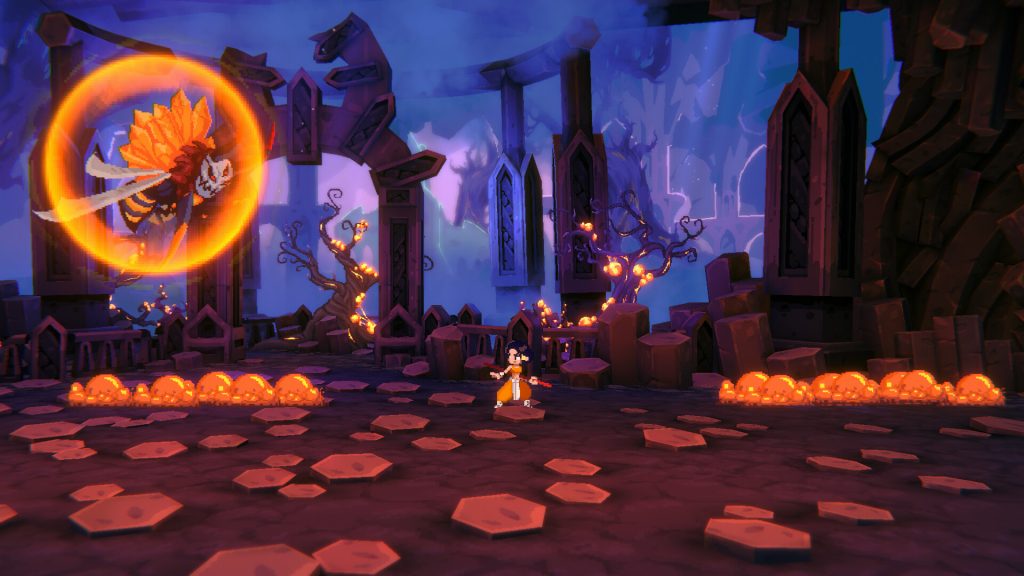
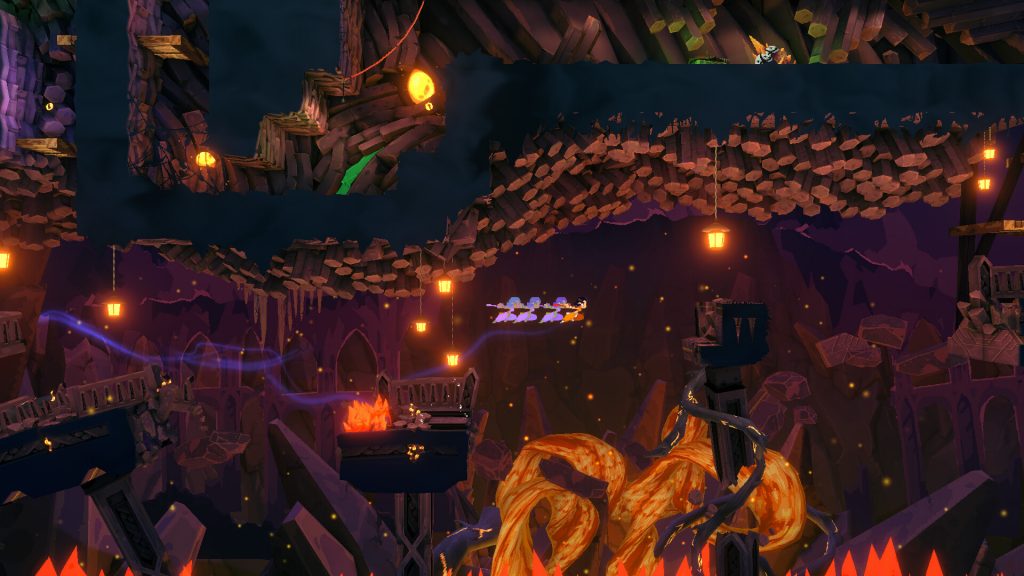
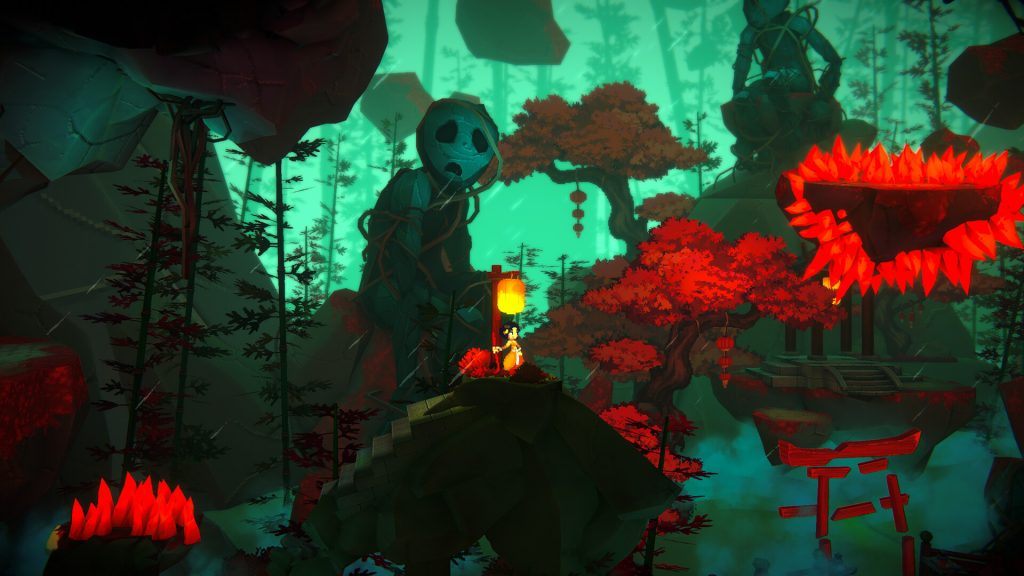
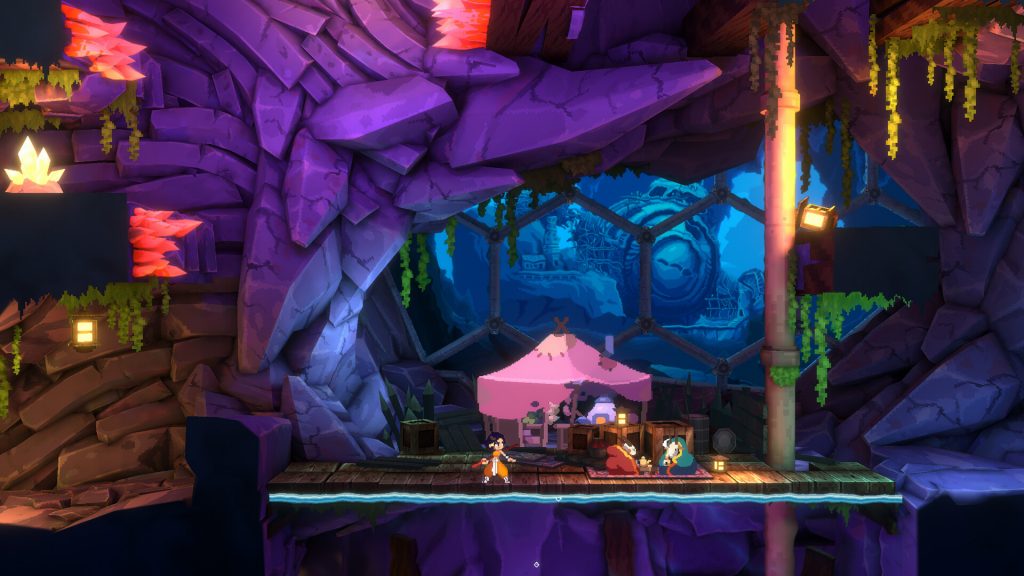
What’s in the 45-Minute Demo?
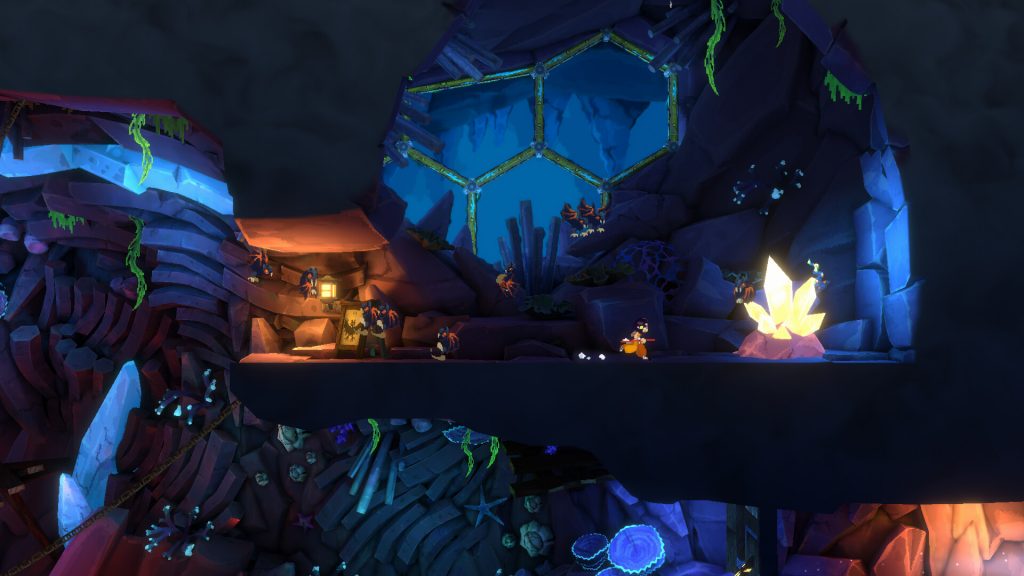
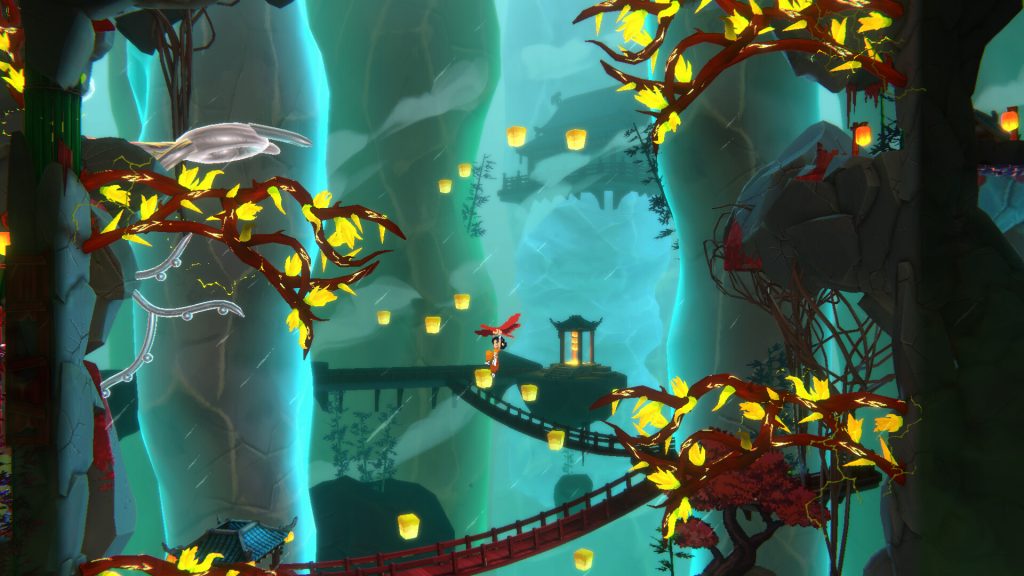
The demo offers a generous look at three distinct biomes, each testing a different aspect of the player’s skill set:
| Region | Primary Mechanic | Highlight |
| Monk Forest | Basic Combat & Flow | Learning the “feel” of the staff and basic combos. |
| Vertical Bamboo | High-Speed Climbing | Navigating swaying bamboo to reach high platforms. |
| Underwater Location | Breath Management | A tense survival sequence focused on oxygen and stealth. |
The demo culminates in a pulse-pounding chase sequence where Mako is pursued by a giant serpent, followed by a boss fight against the formidable Bumblebee.
The 2.5D Technical Challenge
Visually, Akatori stands out with its 2.5D aesthetic. By placing 2D pixel-art sprites into 3D environments, Contrast Games creates a sense of depth that is rare in the genre.
“Making a pixel-art metroidvania isn’t just ‘easier’ development,” says Art Director Stanislav. “Combining 2D and 3D elements while utilizing modern lighting tech was a massive challenge for us.”
Game Director Serge added that the hardest part was the “connective tissue” between worlds. “We have regions ranging from medieval Asian landscapes to floating bamboo islands and chaotic alien dimensions. Ensuring they all felt part of one cohesive journey was our primary goal.”
A New Era for Kazakh Indie Devs
Based in Almaty, Contrast Games is proving that Central Asian developers are ready for the global stage. Known for their experimental narratives and technical versatility, the studio has funneled their senior expertise into making Akatori a standout title for 2026.
While early feedback from playtesters has been overwhelmingly positive regarding the “flow” and visuals, some have noted a steep difficulty curve. Contrast Games is actively using the Steam Next Fest period to gather feedback for final balancing before the full release.
Steam Store Page: Akatori on Steam