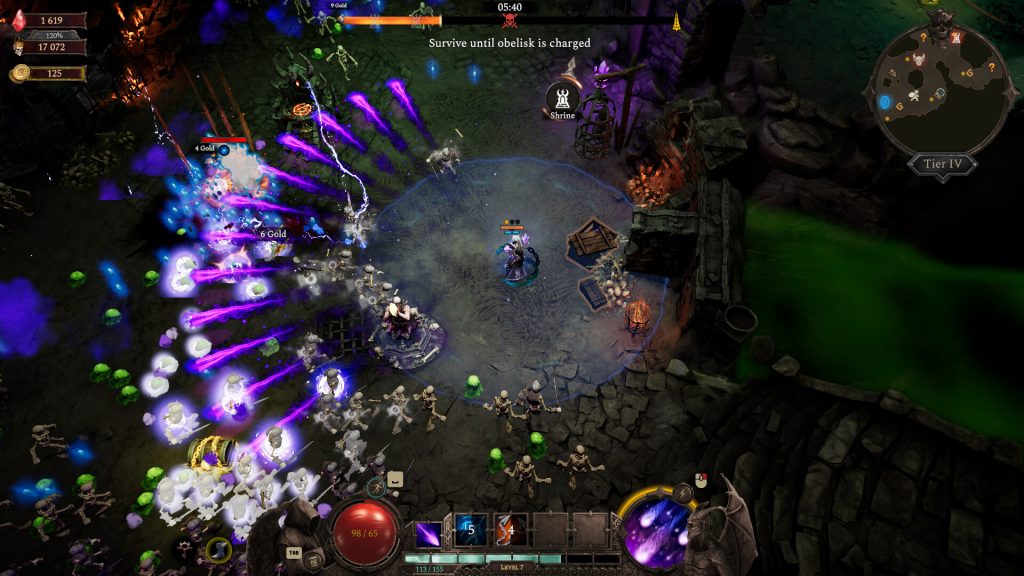
The genre combination that Hellforged is pursuing — bullet heaven auto-attack horde clearing merged with extraction mechanics — creates a specific creative tension that neither genre alone generates. Bullet heaven games (the Vampire Survivors lineage) satisfy through accumulation: you grow stronger, the screen fills with effects, the horde clears. Extraction games (Escape from Tarkov, Hunt: Showdown) satisfy through the specific anxiety of leaving: you have loot worth protecting, death means losing it, the question of when to stop is the game’s primary tension.
Putting these together produces a game where the bullet heaven’s “just one more wave” impulse and the extraction game’s “you should probably leave now” logic are in direct conflict — and that conflict is the design.
The Extraction Decision
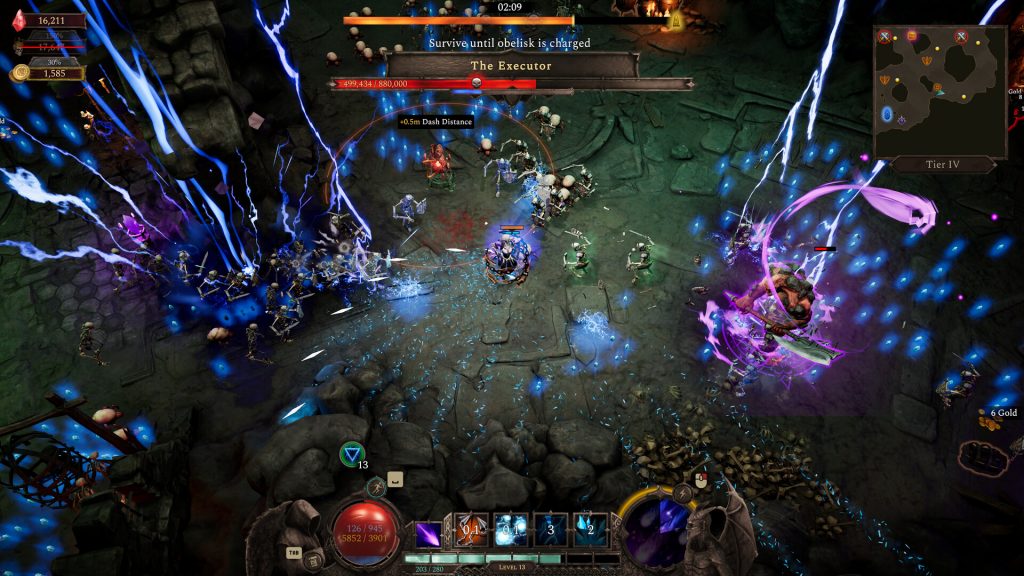
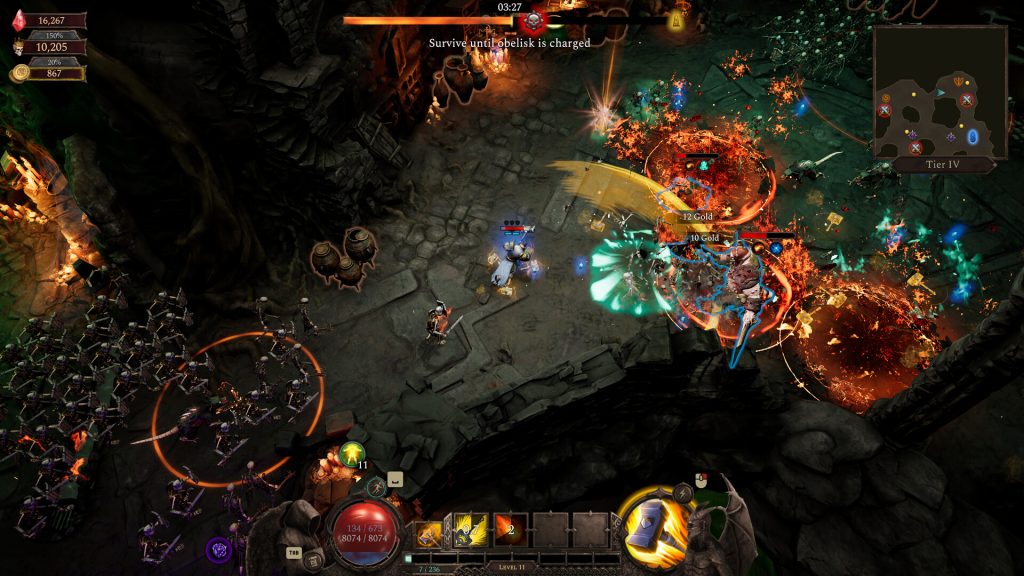
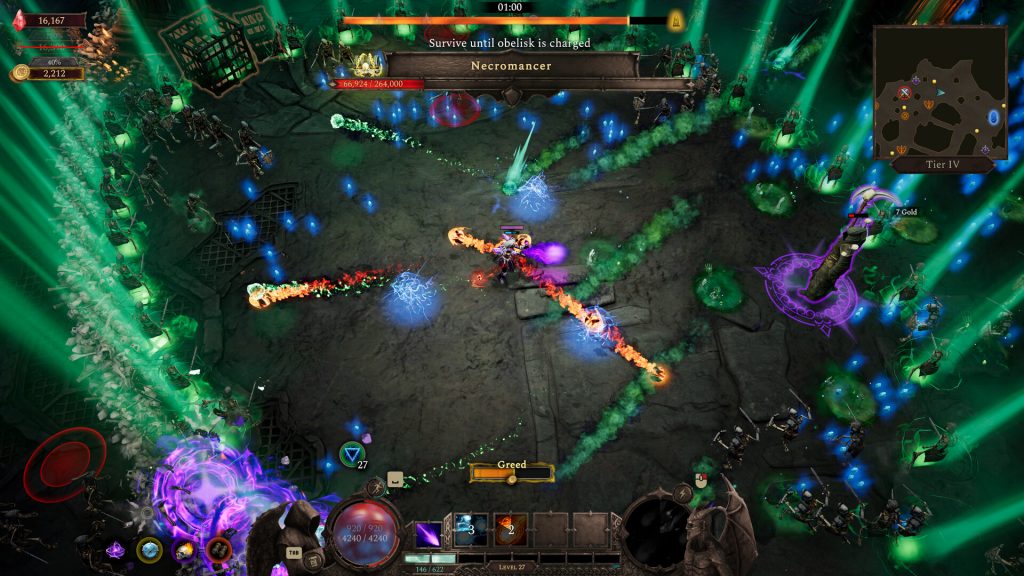
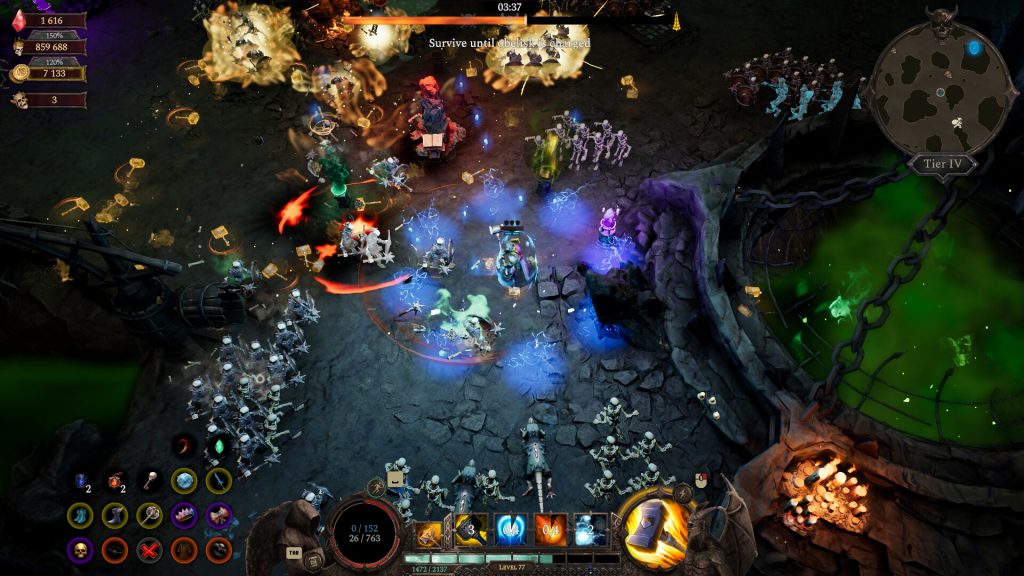
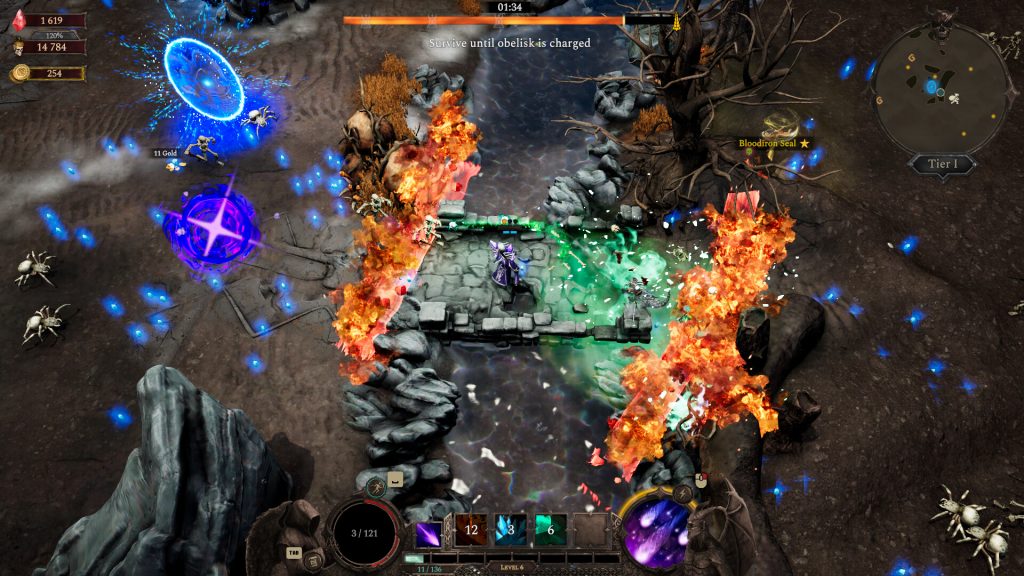
The most important moment in any Hellforged run isn’t the peak of the combat spectacle. It’s the moment immediately after, when the player has collected something valuable, is still alive, and has to decide: use the Extraction system to lock in what you’ve gained, or stay longer for better loot at greater risk?
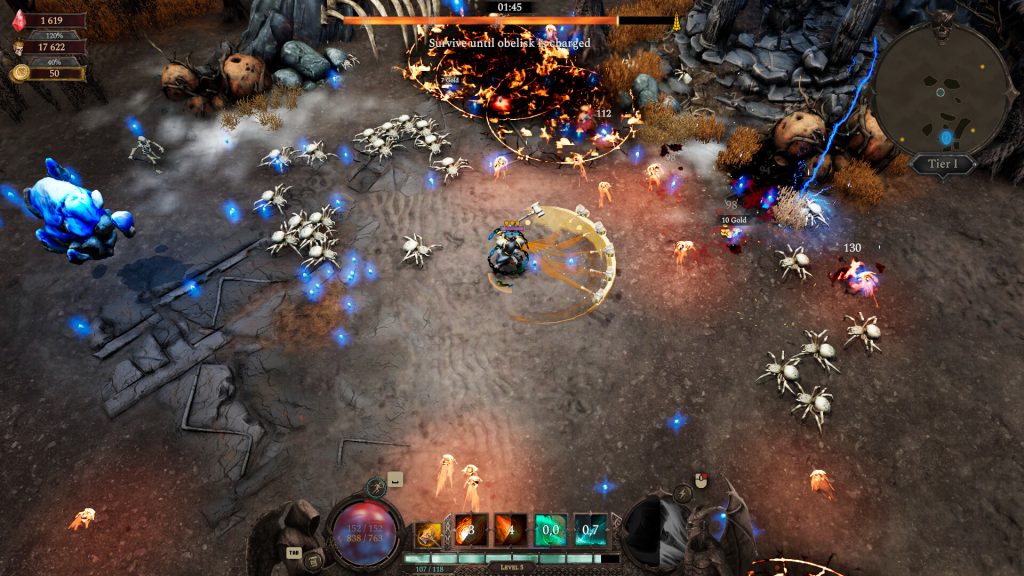
This is the choice the genre combination uniquely enables. In a pure bullet heaven, death is the run’s end, but loot carries forward (or the run simply continues). In a pure extraction game, combat is the means to loot but usually not the primary spectacle. Hellforged makes both the spectacle and the extraction decision its central experience simultaneously — the enemies and the scale of the horde are the bullet heaven’s domain; the “do I leave or push further” calculation is the extraction game’s domain.
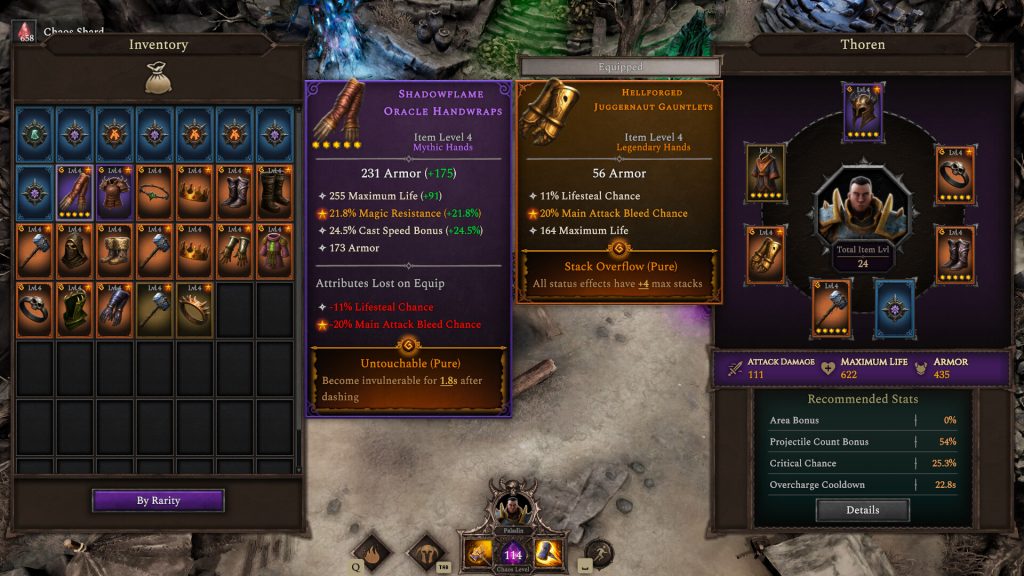
Death while extracting in progress loses everything gathered in that run. This permanence is what gives the extraction decision its weight. A game where death is a minor setback produces players who take risks casually; a game where death costs real accumulated progress produces players who weigh each decision carefully. The loot that a Hellforged run generates is valuable specifically because it can be lost.
The Arsenal and Eternal Tree Build Systems
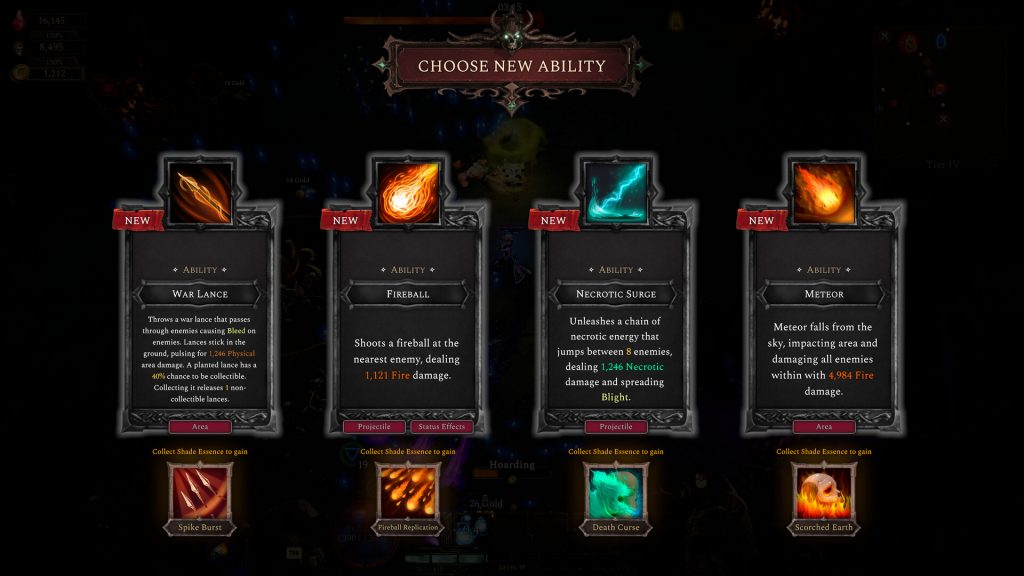
The Arsenal system — selecting which abilities will appear during a run before entering — addresses the randomness management problem that bullet heaven games face. Pure random ability selection frustrates players who have developed specific build strategies; fully predetermined ability selection removes the discovery dimension. Arsenal pre-selection narrows the random pool toward the builds the player wants to pursue without eliminating the run-to-run variety that roguelite engagement requires.
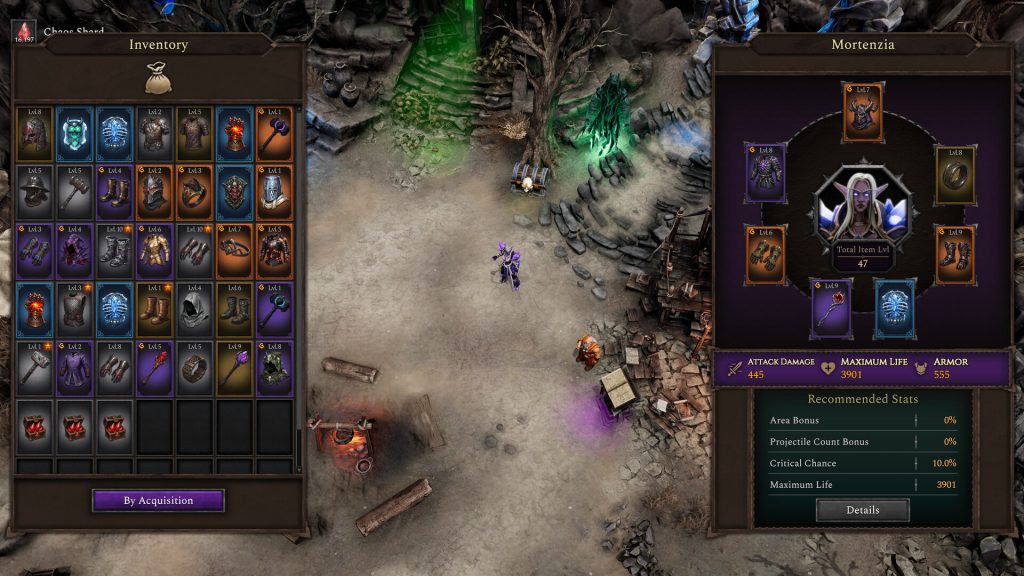
The Eternal Tree’s elemental combination system is the deeper build architecture that persists across runs. Different element combinations produce different specialized builds — a fire and chaos combination presumably creates a different combat identity than a lightning and frost combination. This long-term build investment distinguishes Hellforged from bullet heaven games where each run starts identically.
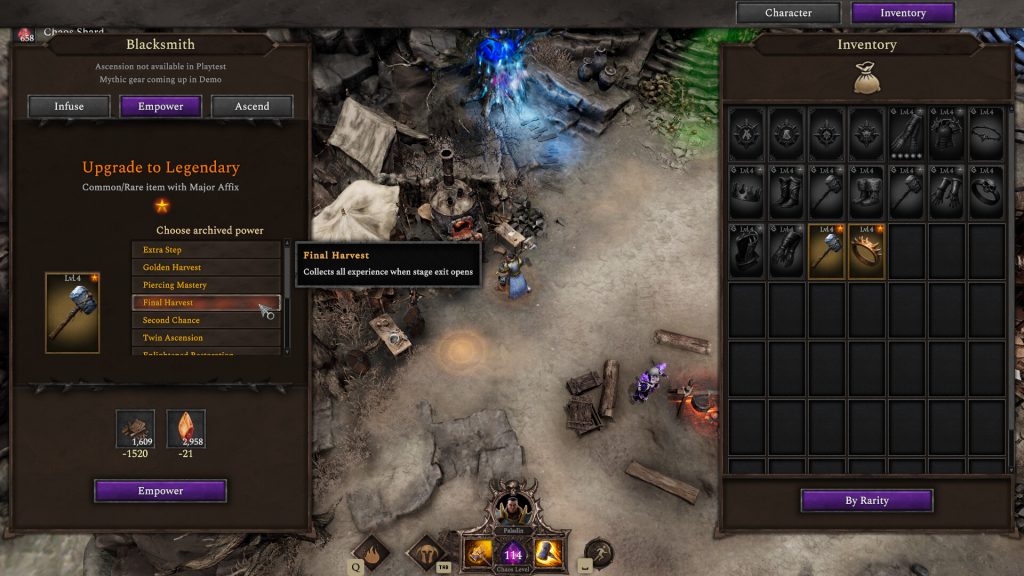
The Chaos mechanic — accumulating chaos value during combat to eventually summon powerful bosses — is the player-controlled escalation system. Summoning a boss is a choice: maximum risk for maximum loot. The boss is the fastest path to top-tier equipment, but engaging one while managing a horde of regular enemies requires the player to be sufficiently ahead of the difficulty curve to handle both.
The Monthly Trial Competitive Mode
The Monthly Trial events — different sin-themed challenges (greed, wrath, etc.) each month with a real-time global leaderboard and exclusive in-game titles for top performers — are the live service layer that gives the game ongoing competitive engagement beyond the campaign. The theming (seven deadly sins as challenge identities) is appropriate for a dark fantasy game whose aesthetic register is specifically that of classical theological horror imagery applied to demon-hunting.
Competitive leaderboards in extraction games have a specific dynamic that differs from standard competitive games: the player who is willing to take the most risk to accumulate more loot before extracting will rank higher, but also faces the highest probability of losing everything. The leaderboard competition is simultaneously a test of build quality, game knowledge, and risk tolerance.
The Moonpyre and Grindstone Context
Moonpyre, being founded by the co-founders of SquareNite (Darfall, 2025), is the studio pedigree that gave closed playtests the credibility to build 60,000 wishlists before a single public demo existed. That conversion — from closed playtests watched by a relatively small community to 60,000 wishlist registrations — required the playtest content to be compelling enough that early players became active advocates.
Grindstone, as a publisher, brings specific RPG and bullet-heaven genre credibility through Jotunnslayer: Hordes of Hel — demonstrating that the publisher understands what this genre combination requires commercially rather than publishing based on general indie game experience.
The second Slovak studio covered this month — Hordeguard: Winds of the North from Black Deer Games (Prešov), which appeared in yesterday’s coverage — confirms Slovakia’s indie game development scene is producing games with international commercial appeal across different genre combinations, though neither game explicitly connects its national identity to its content.
The Community Feedback
The Mythic difficulty balance concern — specific builds feeling mandatory rather than competitive alternatives — is the design problem that aggressive difficulty testing typically surfaces. If the greatest difficulty tier has a narrow viable build pool, it alienates players who want to succeed at maximum challenge through varied approaches rather than through optimization toward one solution. The development team’s active Discord engagement and stated commitment to incorporating feedback suggest this is being treated as a live balance issue rather than an intended design.
The question about demo progress carrying into the full game is the practical concern that demos with meaningful progression systems always generate. Players who invest time in building a demo character want to know whether that investment translates. The development team’s response to this will signal how the full game’s launch handles early player relationship management.
Who Is This For
Strong fit for: bullet heaven Vampire Survivors-lineage players who specifically want extraction-style risk-reward stakes alongside the horde-clearing spectacle; Path of Exile loot-build enthusiasts who want the looting and build construction in a faster-paced auto-attack context; players who enjoy the specific anxiety of “I should leave but the loot is right there”; dark fantasy aesthetic fans who want theological horror imagery in their demon-hunting game; competitive players who want monthly leaderboard challenge alongside the standard run content.
Cautious fit for: bullet heaven players who specifically want the genre’s low-stakes relaxation over extraction tension; players who need confirmed release dates before engaging; anyone who plays the demo and finds the Mythic difficulty balance concerns personally frustrating before the patch response.
Less ideal for: players who dislike automatic attack bullet-heaven structure; anyone seeking cooperative multiplayer rather than solo extraction; players who find permadeath loot loss more frustrating than motivating.
The Takeaway
Hellforged is testing whether bullet heaven’s satisfaction ceiling and extraction’s risk-reward tension enhance each other when combined or whether they undercut each other’s genre strengths. The 87% Very Positive demo rating from 163 players who experienced that combination suggests the former — that the “one more wave” impulse and the “you should probably leave now” calculation are creating a specific engagement that neither genre alone produces. The 60,000 pre-demo wishlists from closed playtests confirm this impression preceded the first public demo.
Release date TBA. Free demo live on Steam. The horde is clearing. The loot is good. The extraction prompt is available.
The question is whether you use it.
Information regarding ‘ Hellforged ‘
| item | detail |
|---|---|
| Developer | Moonpyre |
| Publisher | Grindstone |
| Genre | Loot-based Extraction Bullet Heaven Action RPG |
| platform | PC (Steam) |
| Release date | Undetermined (Under development) |
| demo | First public demo release (August 14, 2026) |
| Pre-reaction | Surpasses 60,000 on Steam Wishlist Based on Private Playtest Alone |
| Reactions/Evaluations | Steam ‘Very Positive’ based on demo (87% positive out of 163 user reviews) |
| Steam Page | Shortcut |