Having the best gear isn’t enough. Where it sits in your bag — and what’s next to it, and how much empty space surrounds it — decides whether you win. Pocket Legend, a roguelike deckbuilder from Korean indie studio Shading Box, launches on Steam on November 10.
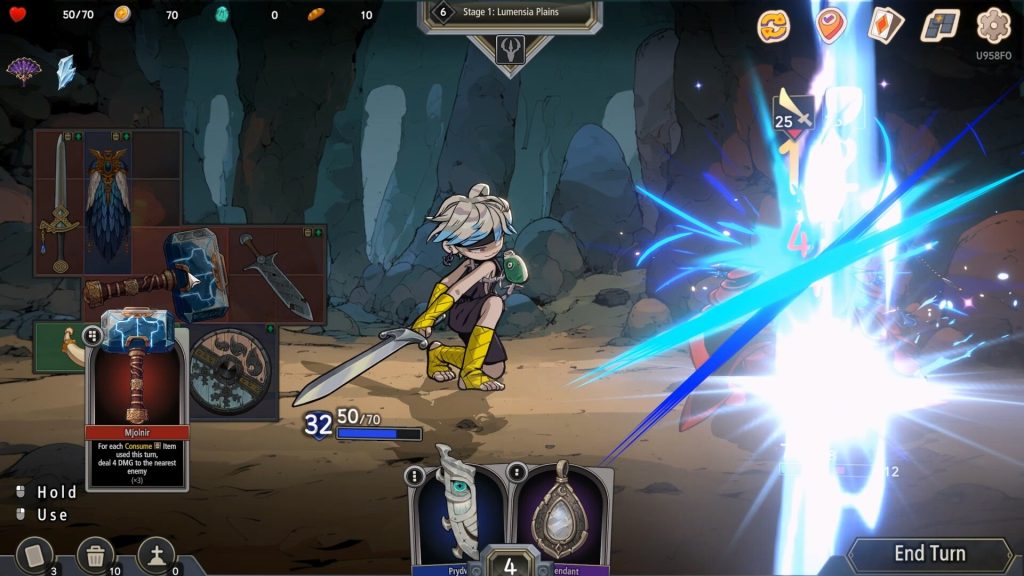
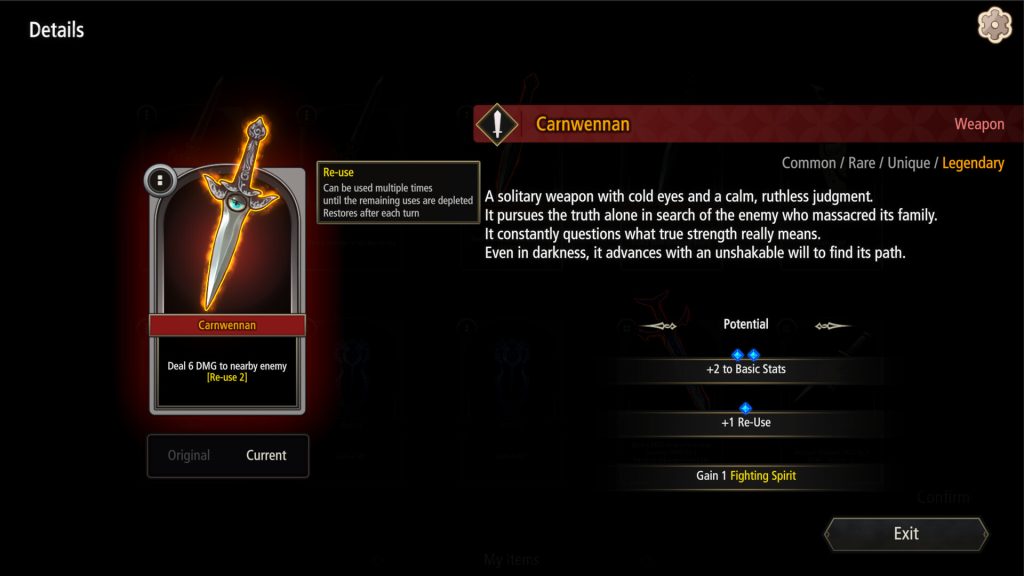
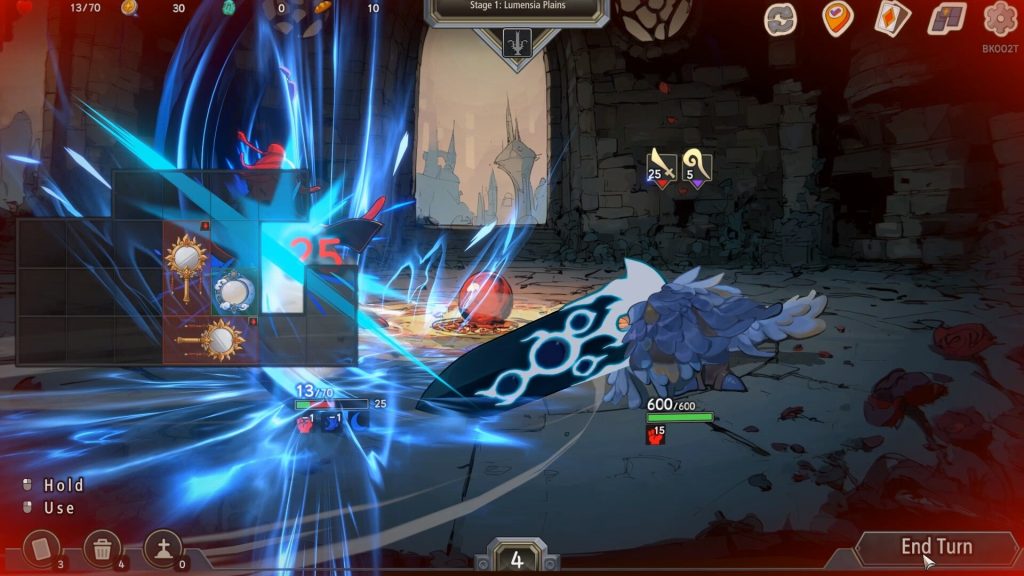
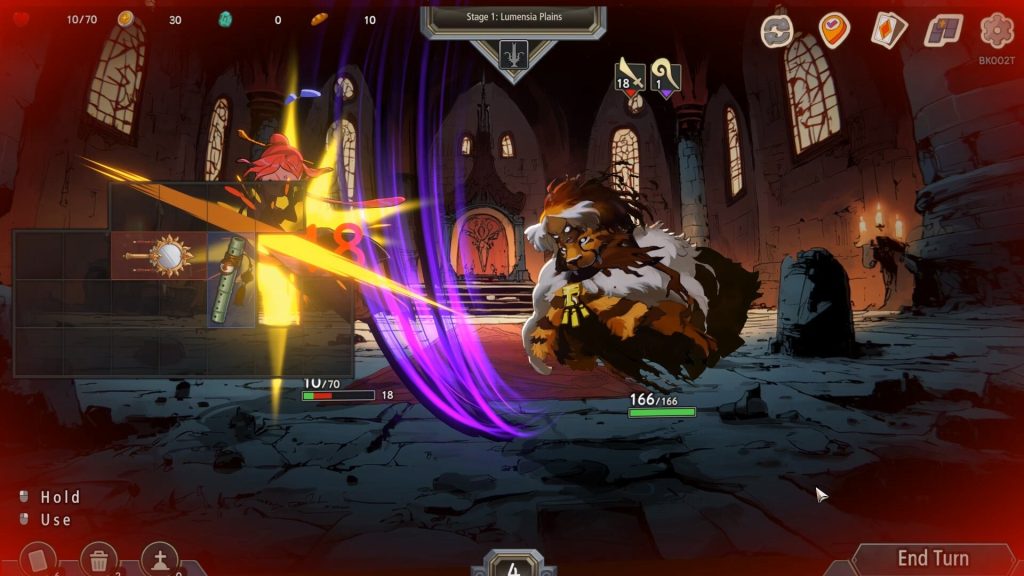
Pocket Legend is a turn-based strategy game in which players arrange items in a limited inventory and then use them like cards in battle.
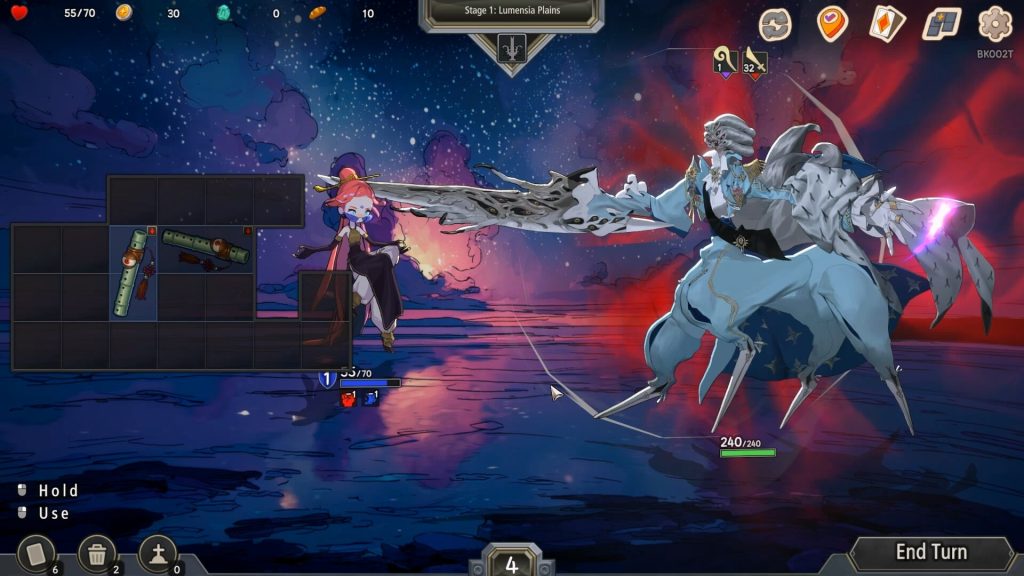
Victory depends not just on collecting strong items but on carefully planning where they go in your bag and in what order you use them. By fusing traditional deckbuilding with spatial puzzle mechanics, the game creates a fresh battle of wits every turn.
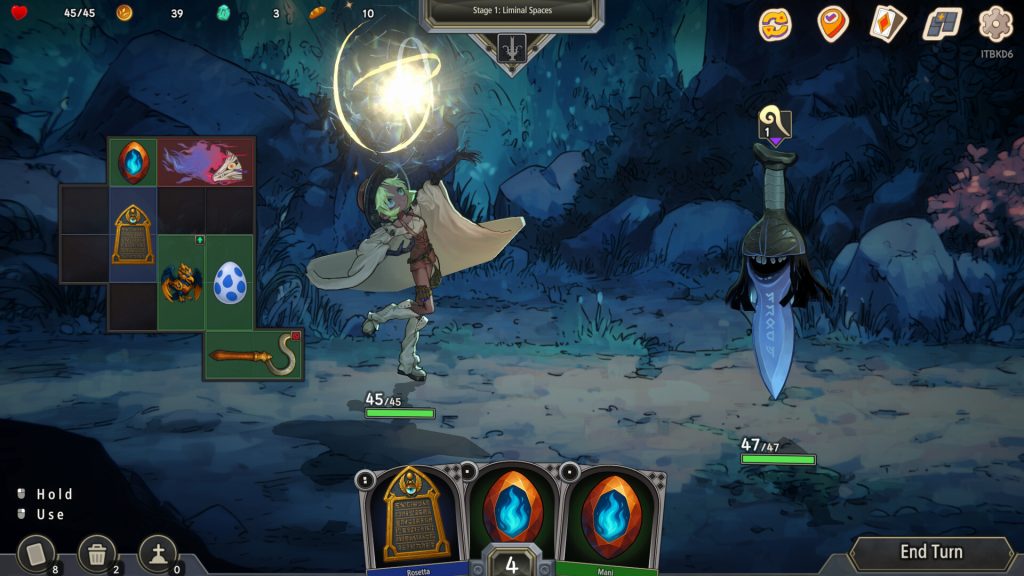
Positions and Empty Spaces: Tactics Through Inventory Management
The core of the game is collecting items and strategically placing them in a limited inventory.
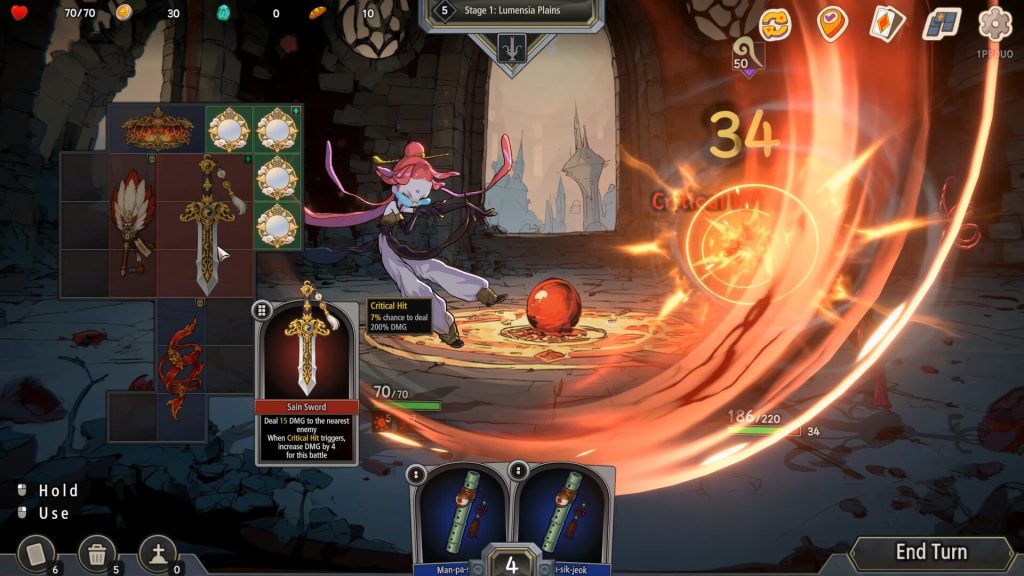
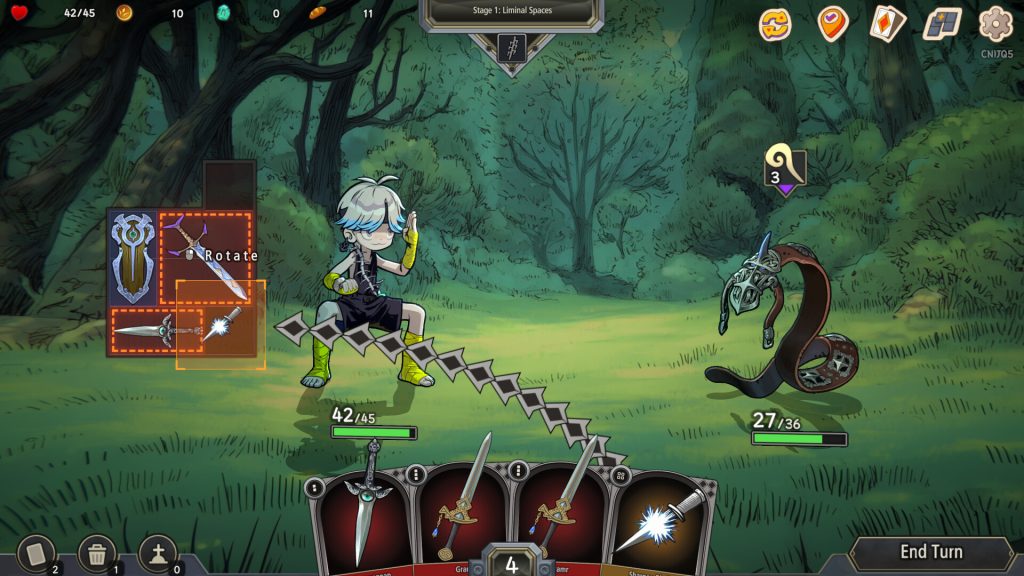
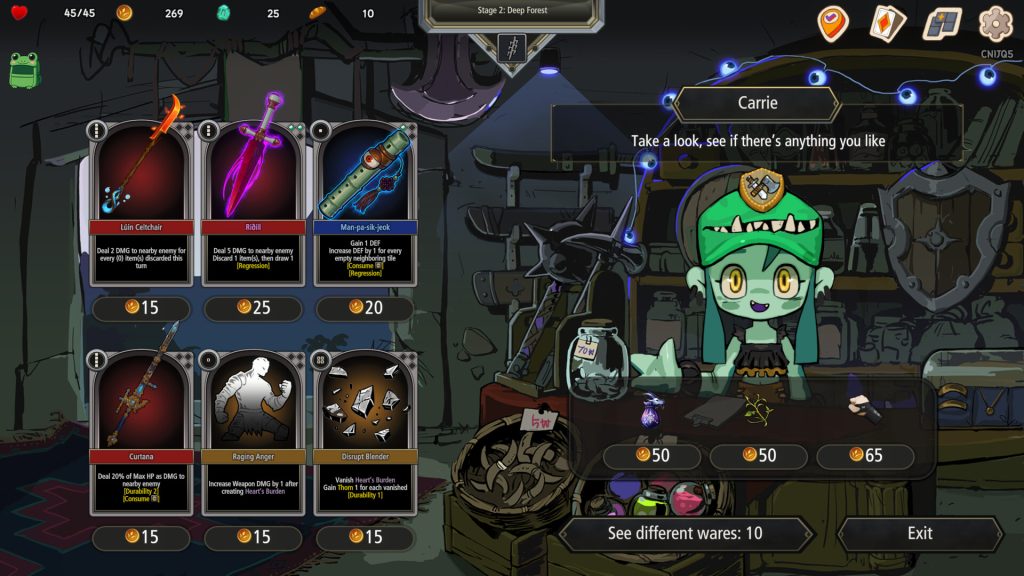
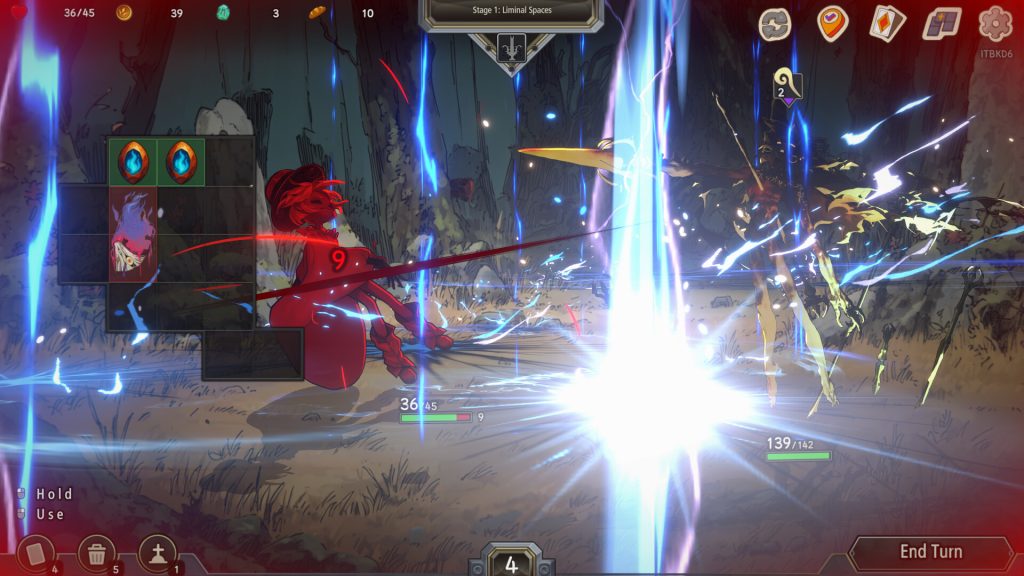
Squeezing the most out of each item within tight space matters as much as finding powerful weapons and armor. Every item has its own placement conditions, and the type of adjacent items — even the number of empty slots around them — directly affects the outcome of battle.
Sometimes it pays to fill every slot; other times, you need to leave some empty to trigger specific effects. The Steam page offers an example: a card that deals more damage the more empty spaces surround it, showing how the same item can enable completely different tactics depending on where it’s placed.
When players find new gear, they must keep deciding whether to stick with a reliable setup or sacrifice some items to try a new synergy. Cards come in five types: weapon, armor, skill, binding, and obstruction.
Each victory earns inventory pieces that expand the bag and new cards to collect, and reorganizing the inventory each turn becomes a key part of preparing for the fight.
Order of Play and “Obstruction” Cards: A Duel of Wits Every Turn
In battle, players must examine each card’s effect and carefully decide the order of attacks, defenses, and skills.
Even a brilliant item lineup can win or lose depending on how it’s used each turn. Players must plan synergies in advance while adapting to an ever-changing battlefield.
Along the way, obstruction items appear to complicate inventory management. According to the Steam page, obstruction cards are mostly generated by enemy attacks and patterns. Players have to build toward their ideal layout while also managing disruptions that throw off their plans.
Three Characters, Three Distinct Playstyles
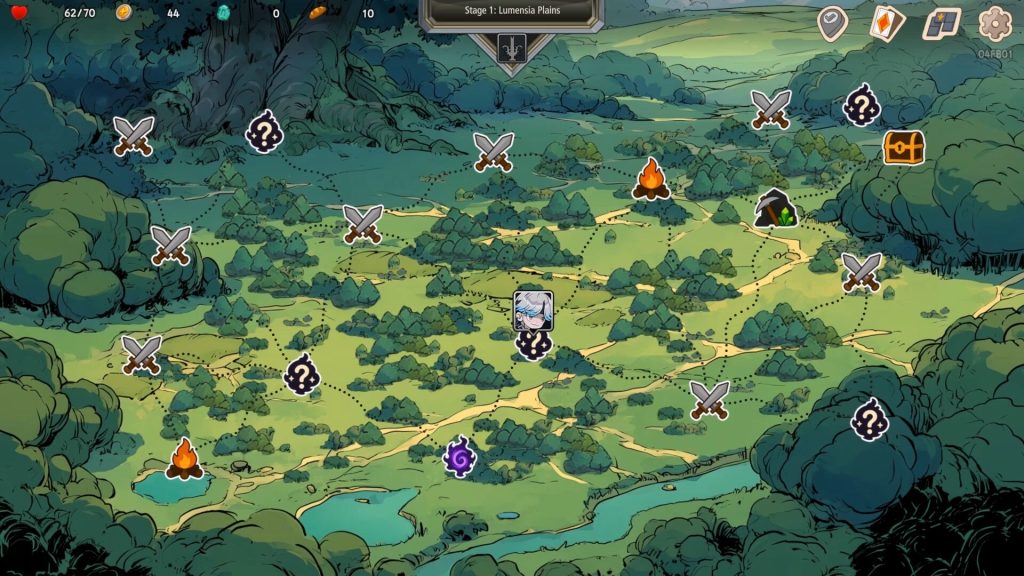
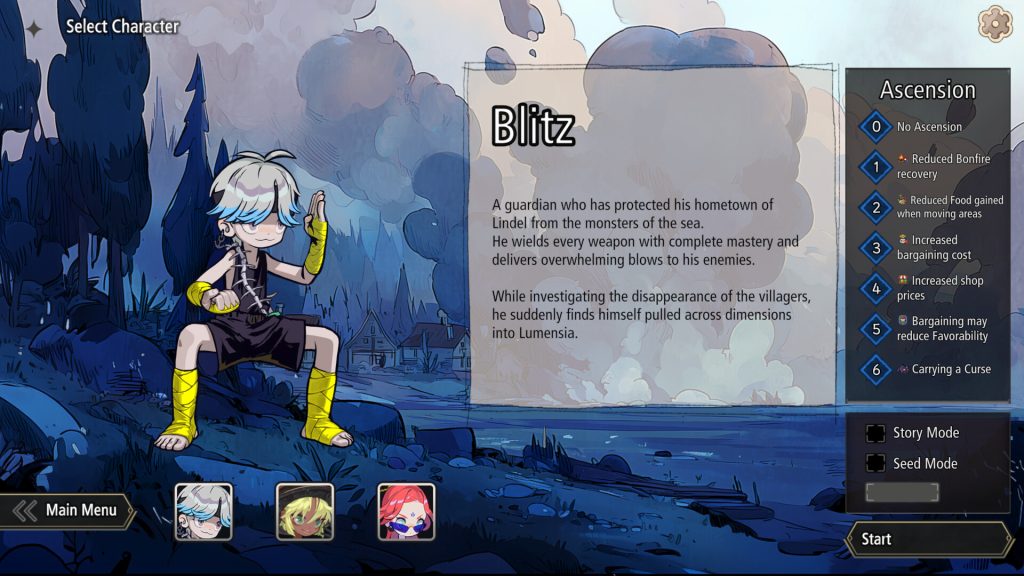
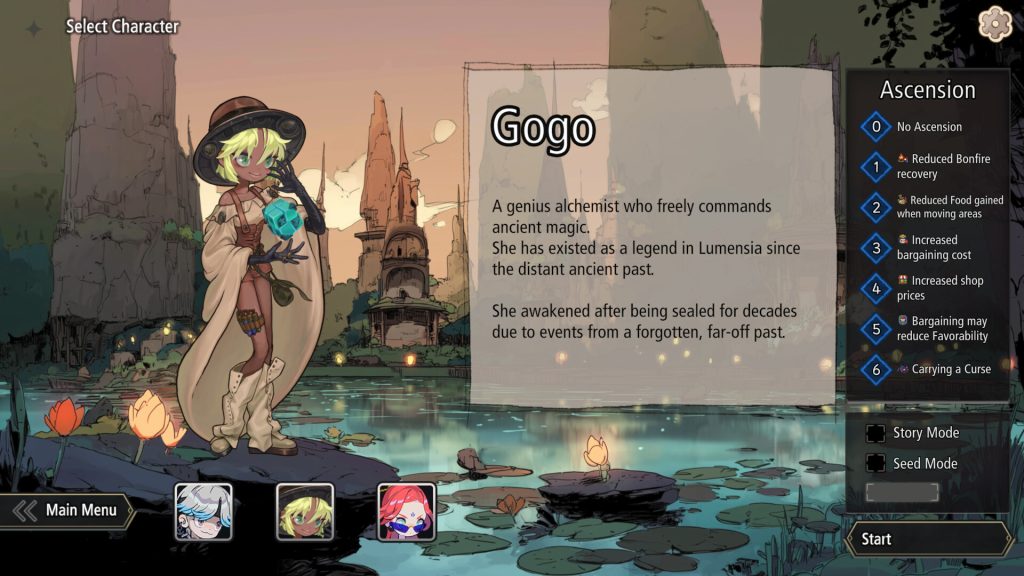
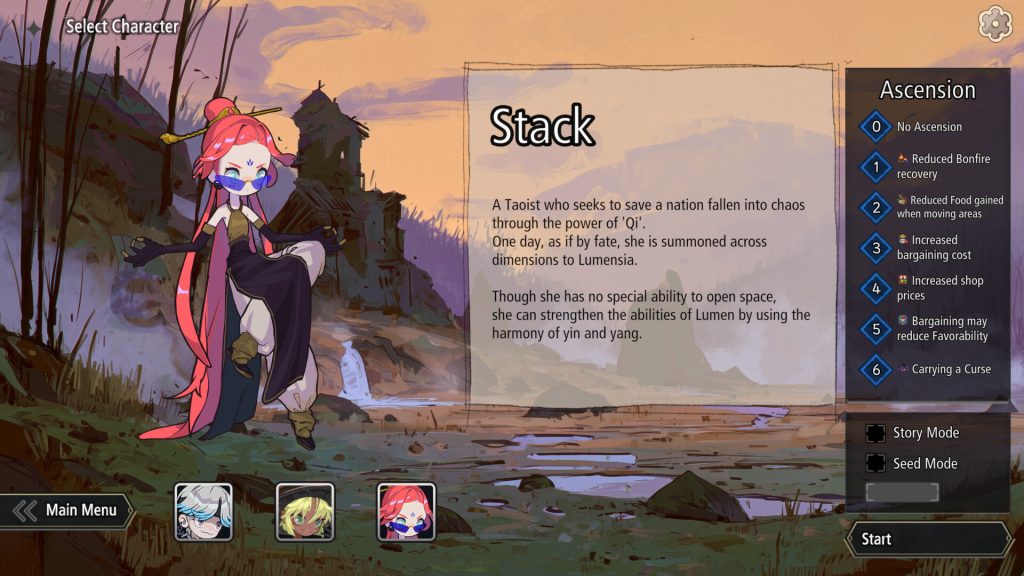
There are three playable characters: Blitz, Gogo, and Stack. Each has unique items and skills, delivering completely different ways to fight.
Blitz focuses on precise equipment combinations and inventory space management. Gogo leads the fight with eggs, summoned creatures, and mana stones, while Stack builds a unique combat flow around the harmony of qi and the sun and moon. The character you pick changes which items and effects matter, and the overall direction of your builds.
Across repeated runs, players must adapt to the items they find and the situations they face, deciding whether to strengthen a familiar combo or build something new around an unexpected find.
Food, Currency, and Non-Combat Events
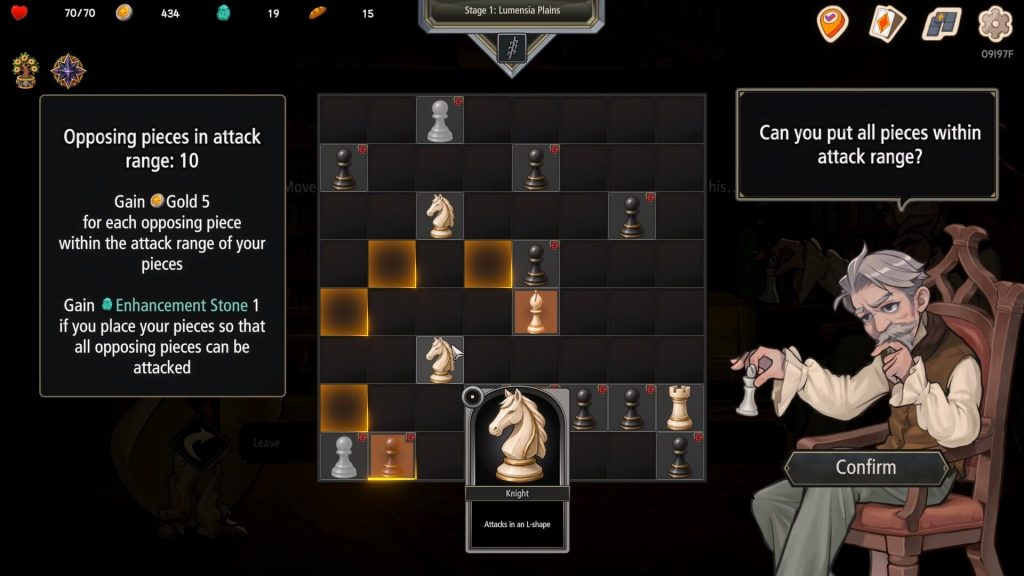
Adventures aren’t just one fight after another. Players manage food needed to travel and pass through shops, blacksmiths, events, and minigames to prepare for the next battle. Whether to spend limited currency on new items or upgrade existing gear shapes the run’s growth.
Balancing choices that get you through immediate danger against those that prepare you for late-game threats is crucial. Players shore up weaknesses revealed in earlier fights and reshape their strategy around new items as the journey continues.
The game is set in Lumensia, a fantasy world inhabited by Lumens, beings that shift between human and tool forms. According to the Steam page, the protagonist is summoned to this world of soul-bound legendary weapons and must defeat the powerful foe Tanebra to find a way home.
Famous legendary weapons appear throughout, including Gram, Fridwen, Gae Bolg, Arondight, Levatein, Tyrfing, and Failnaught.
The idea of a world where the line between tools and people blurs ties naturally into the game’s core loop of collecting, combining, and using items.
A Korean Trio, 20 Languages, and a Free Demo
Shading Box is a three-person Korean indie development team.
With Pocket Legend, the team blends inventory puzzles and roguelike deckbuilding so that acquiring, placing, and using items all form a single, unified strategy. The Steam page lists Shading Box and Paras Games as co-publishers.
The game supports 20 languages, including Korean, for interface and subtitles, with no voice acting.
Pocket Legend is single-player only and supports Steam Achievements, Steam Cloud, and Family Sharing. A free demo is available on Steam for anyone who wants a first look.
Who This Is For
Strong fit for: fans of Backpack Hero and Backpack Battles who love inventory Tetris; Slay the Spire-style deckbuilder players looking for a spatial twist; theorycrafters who enjoy adjacency synergies; players drawn to mythic weapons from Norse, Celtic, and Arthurian legend; Korean players, with full Korean support.
Cautious fit for: players who prefer real-time action over turn-based planning.
What to Watch For
Watch for early player reviews after launch, especially on balance between Blitz, Gogo, and Stack, and how well obstruction cards add challenge without frustration. The two-week launch discount makes the opening window the cheapest time to buy.
The Takeaway
Pocket Legend turns your bag into the battlefield: every slot, every neighbor, and every empty space counts. With three distinct heroes, five card types, legendary weapons like Gram and Gae Bolg, and 20 languages at launch, Shading Box’s inventory deckbuilder is one for puzzle-minded strategy fans to try, starting with the free demo.
Launches November 10, 2026, on Steam. Free demo available now.
Information regarding ‘Pocket Legend’
| item | detail |
|---|---|
| Title | Pocket Legend |
| Developer | Shading Box |
| Publisher | Shading Box, Paras Games |
| Genre | Inventory Roguelike Deckbuilding, Strategy, Card Battler |
| platform | PC (Steam / Windows) |
| Release date | November 10, 2026 |
| price | 17,500 won (10% discount for 2 weeks after launch, 15,750 won) |
| language | 20 languages including Korean (interface, subtitles) |
| Reactions/Evaluations | No Steam user reviews (as of writing), rated by 6 curators |
| Steam Page | Shortcut |