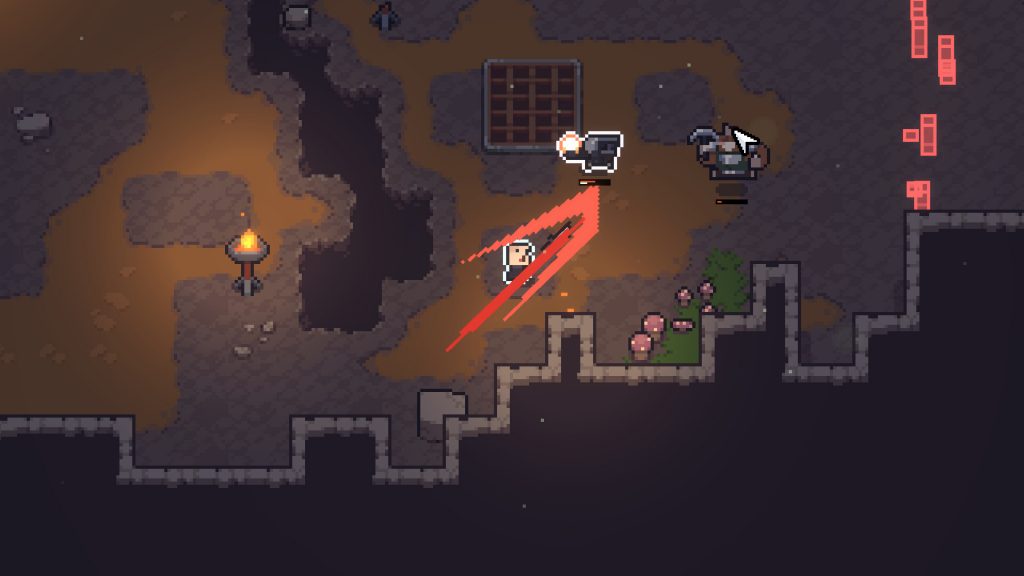
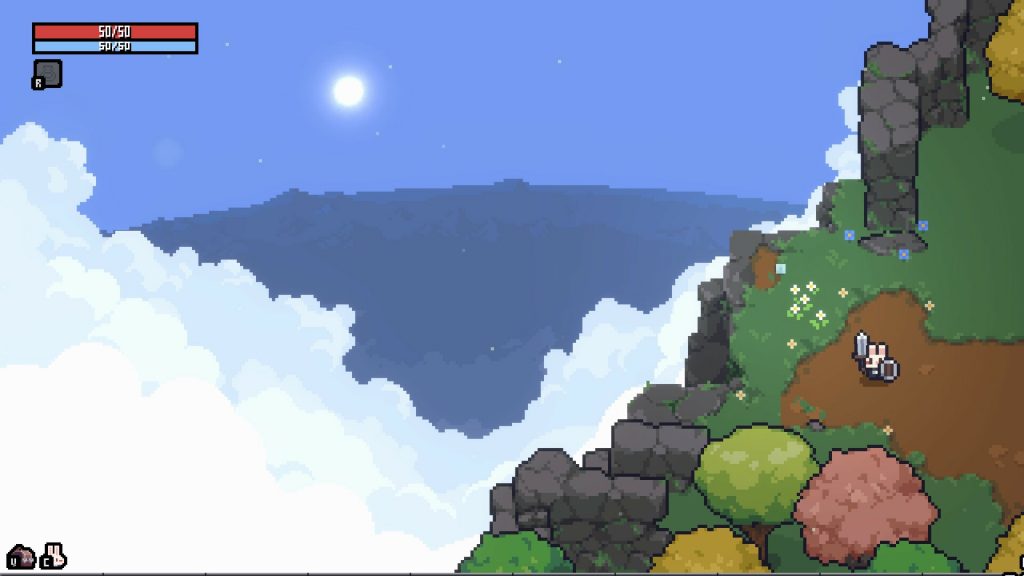
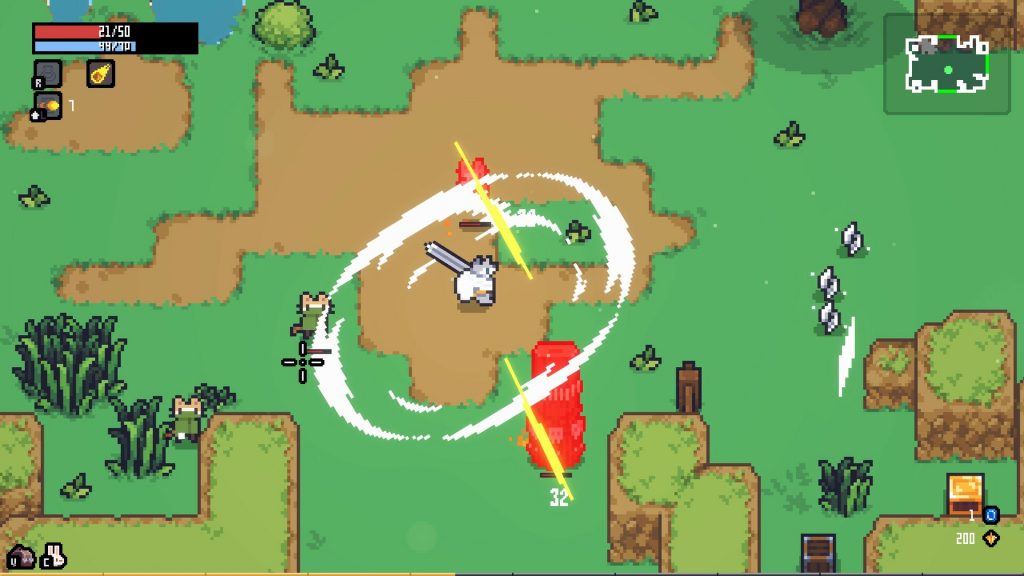
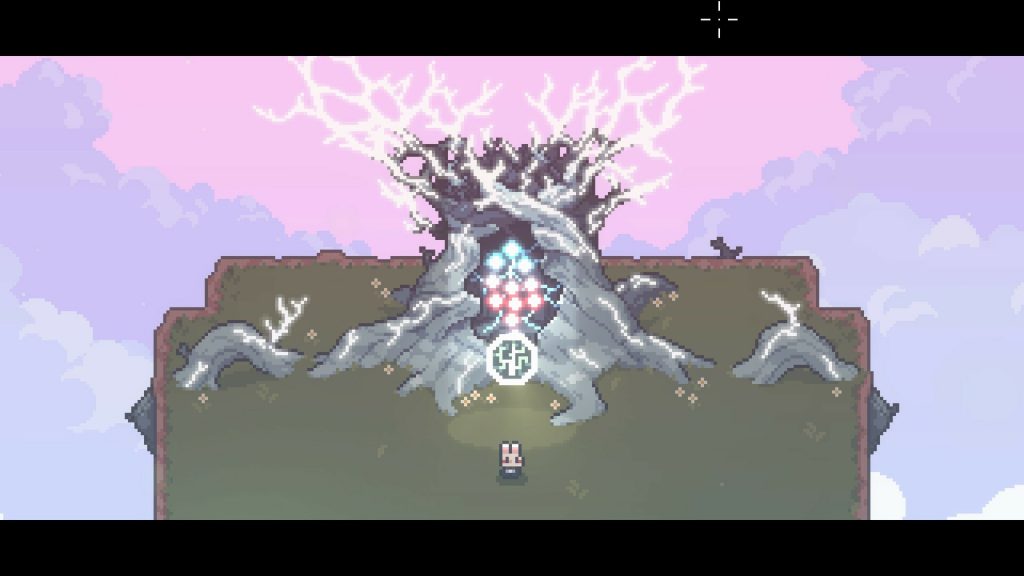
Cute chibi rabbits, cats, and foxes wielding weapons larger than themselves against demon armies. This visual contradiction — adorable characters, serious combat — is Sephiria‘s aesthetic identity, and TEAM HORAY has been developing what it means mechanically since April 2025’s Early Access launch. July 31 is the v1.0 full release, delivering the complete game the development team envisioned.
TEAM HORAY’s founding credential is Dungreed, their 2018 2D action roguelite that accumulated 14,000+ Steam reviews and a Very Positive rating over eight years — remarkable longevity for an indie roguelite. That game established the studio’s ability to build action roguelites with a satisfying moment-to-moment feel and sufficient depth to sustain long-term player engagement. Sephiria is the second test of that capability, operating at a larger scope.
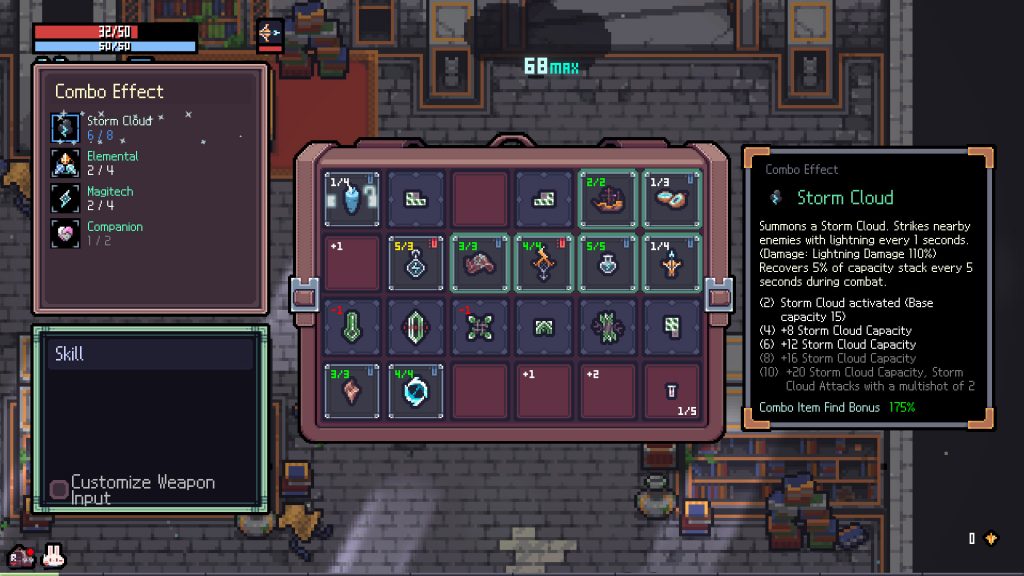
The Inventory Placement System
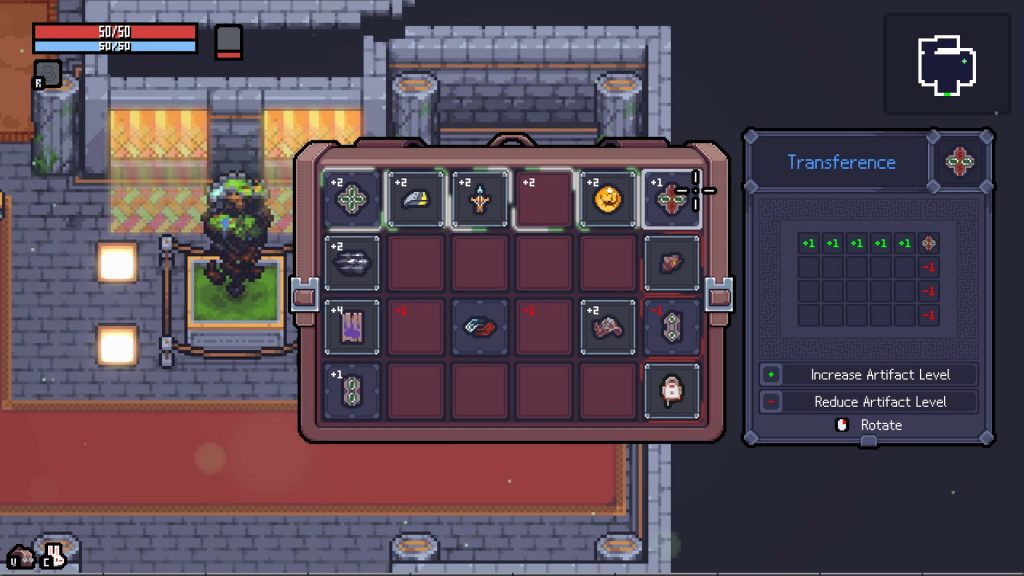
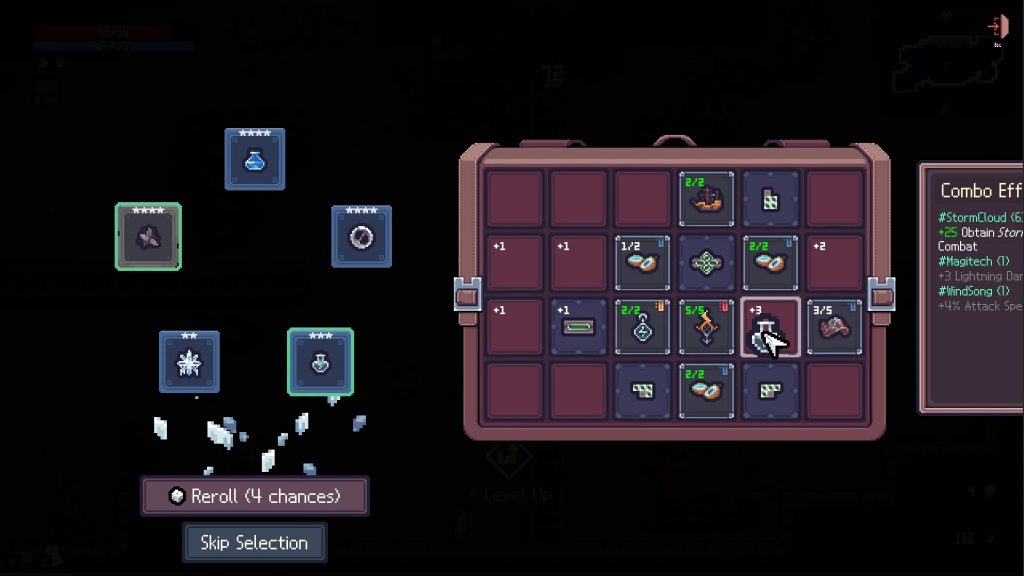
The strategic artifact inventory placement system is Sephiria‘s most distinctive design element, and it earns specific examination because it’s the mechanic that generates the most player commentary.
Standard roguelite artifact systems present artifacts as stackable modifiers — each acquisition adds to the player’s capability independently. Sephiria‘s system requires thinking about spatial relationships between artifacts within the inventory grid. Different placement configurations produce different effects — certain artifacts interact with neighboring artifacts, creating combinations that neither would produce in isolation.
This inventory puzzle layer runs parallel to the action combat, creating two simultaneous strategic domains: the tactical decisions of combat (positioning, timing, enemy prioritization) and the strategic decisions of build construction (which artifacts to acquire, how to arrange them, which Tablet enhancements to apply). The community feedback that “artifact placement strategy is deeper than expected” validates that this system is delivering genuine depth rather than the appearance of complexity.
The Talent unlock system adds a third progression layer. Talents — unlocked during play — provide additional combinatorial options that interact with weapon types and artifact configurations. The same weapon, with different Talents and artifact arrangements, produces meaningfully different playstyles rather than just different stat profiles.
Six weapons with 50+ upgrade options each represent substantial build variety at the weapon level before artifact and talent interactions are factored in. The combinatorial space this creates — weapon type × upgrade path × artifact configuration × talent selection — is genuinely large, which gives the roguelite structure genuine run-to-run variety rather than limited permutations of a small option set.
The Cute-vs-Heavy Aesthetic Contrast
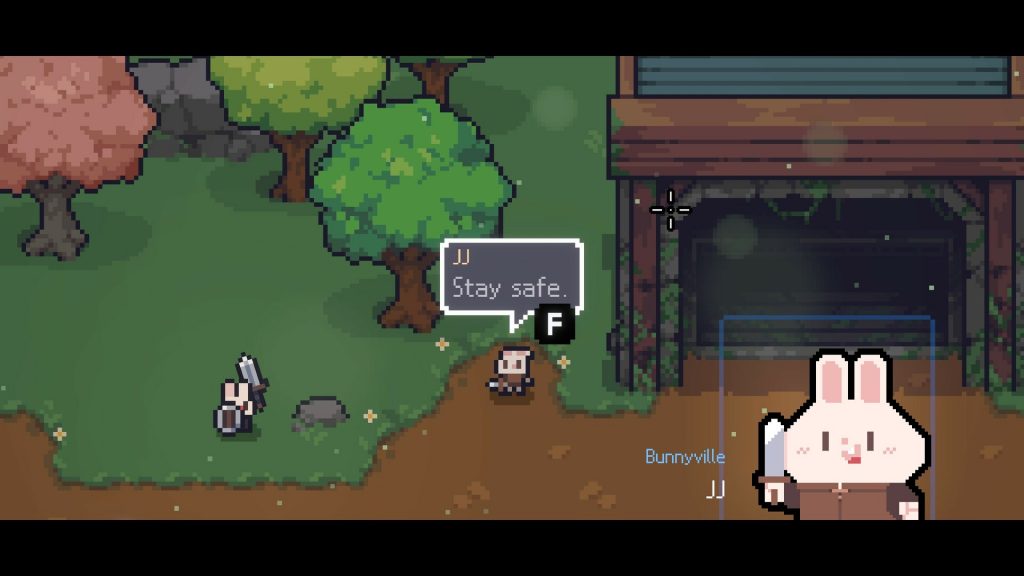
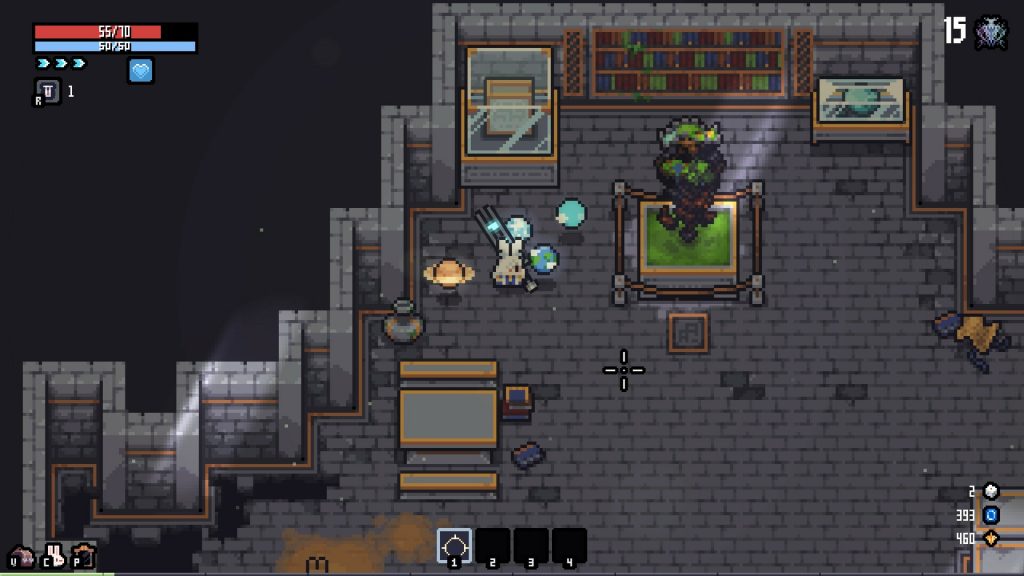
The chibi animal characters wielding oversized weapons against serious demon enemies is doing specific tonal work that extends beyond visual humor. The contrast creates permission for the combat to be heavier than the aesthetic would suggest — players are not being asked to take the violence seriously as drama, which allows the mechanical engagement to be intense without the accompanying emotional weight.
This is the same tonal approach that games like Magicite, Rogue Legacy, and numerous action roguelites have used effectively: character designs that signal playfulness, mechanics that demand genuine engagement, the combination producing a light-feeling game that is actually substantively demanding. The chibi presentation doesn’t reduce the strategic depth; it signals that the depth is for enjoyment rather than immersion.
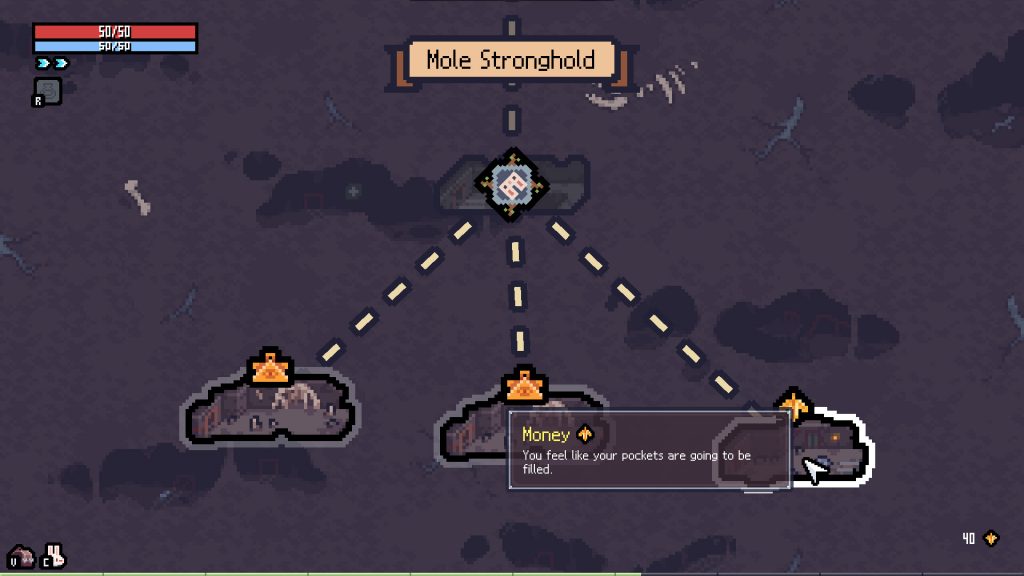
The 60+ enemy types and 10+ bosses across 6 chapters suggest that the escalating threat scale does become genuinely demanding despite the aesthetic register. Community commentary that the game is “a different game entirely with friends” implies that the cooperative play mode opens difficulty options or challenge scales that solo play makes different to access.
The Cooperative Design
Four-player cooperative roguelite with item sharing and revival systems creates specific team dynamics that solo play can’t replicate. The item sharing mechanic means party members can optimize builds collectively — a player who draws an artifact that complements another player’s current configuration can pass it rather than integrating it suboptimally. The revival system means high-risk play has a safety net that changes risk tolerance — players can push into dangerous positions knowing teammates can recover them.
These systems transform the roguelite from a solo optimization problem into a collaborative puzzle: how does this party’s composition and current build state address this challenge optimally, given that we can share resources and support each other?
The team dynamics that emerge from cooperative roguelites tend to produce their most memorable moments in crises — the close revival, the clutch item share, the coordination required to handle a boss that the current party configuration doesn’t cleanly counter. Whether Sephiria‘s cooperative design generates these moments consistently will determine how strongly it performs in the friend-group co-op gaming space.
The Early Access Trajectory
Fifteen months of Early Access from April 2025 to July 2026 represent substantial development time, and the full release being described as containing “all the content the developers envisioned” signals a complete product rather than an ongoing Early Access extension. This distinction matters for player expectation: players purchasing v1.0 are getting a finished game whose Early Access period was used to refine and complete rather than to sell access to an incomplete experience.
The specific content count — 6 chapters, 60+ enemies, 10+ bosses, 6 weapons with 50+ upgrades each — represents the deliverable of that 15-month development period. These numbers suggest a genuinely substantial game rather than a minimal complete experience, which positions the v1.0 release as a meaningful content milestone rather than a renamed Early Access.
Community response during Early Access — positive evaluation of artifact placement depth, appreciation for the chibi-vs-heavy aesthetic, favorable comparison to Dungreed‘s build depth — provides the pre-launch validation that converts the Early Access period from risk into evidence.
The TEAM HORAY Pedigree
Dungreed‘s 14,000+ Steam reviews and Very Positive rating over eight years are the specific commercial and quality validation that make Sephiria‘s release context different from most roguelite debuts. Players who found Dungreed through its sustained word-of-mouth over eight years have a known reference point for TEAM HORAY’s design philosophy — satisfying action feel, meaningful progression systems, depth that sustains long-term engagement.
The community assessment of Sephiria as delivering “deeper build and progression fun than Dungreed” positions the second game as an extension and deepening of what the first demonstrated rather than a change in direction. This is the optimal relationship between a studio’s first and second major works: building on established strengths with increased ambition.
Who This Is For
Strong fit for: Dungreed fans who have been following TEAM HORAY’s development; action roguelite enthusiasts who specifically enjoy build construction depth; cooperative roguelite players seeking 4-player options with meaningful teamwork mechanics; players who appreciate the aesthetic contrast of cute characters in serious combat contexts; Binding of Isaac and similar artifact-heavy roguelite enthusiasts who want spatial inventory strategy added to that framework; K-indie action game fans.
Cautious fit for: roguelite players who specifically prefer simple artifact systems over the complexity of spatial inventory management; players who want pure action without strategic build layers; anyone who found Early Access content insufficient and is waiting for v1.0 to return.
Less ideal for: players who dislike roguelite structure; anyone who specifically prefers narrative-driven over mechanically-driven games; players seeking competitive multiplayer over cooperative.
What to Watch For
The v1.0 full release question is primarily whether the complete content delivers the satisfying narrative arc — in gameplay terms — that the full chapter progression implies. Roguelites with 6 chapters need each chapter to feel distinct and progressively challenging; whether the 60+ enemies and 10+ bosses are distributed across the chapters in ways that create sustained escalation rather than difficulty spikes or plateaus will shape the full release reception.
The Steam review transition from Early Access to full release is also worth watching. Early Access reviewers are typically more tolerant of rough edges and incomplete content; full release reviewers apply standard complete-game standards. Whether the 15 months of refinement have addressed the issues that typically generate negative full-release reviews — balance concerns, technical problems, content gaps — will determine if the community reception improves or maintains from the Early Access period.
The Takeaway
Sephiria is TEAM HORAY’s expansion of the roguelite design vocabulary they established with Dungreed, adding spatial inventory strategy, 4-player cooperative play, and increased content scope to a foundation of proven action roguelite design competence. The 15-month Early Access refinement period has produced a v1.0 that the development team describes as their complete vision, and community engagement during Early Access has validated that the artifact placement system and cooperative design are delivering on their intended depth.
For Korean indie gaming specifically, Sephiria represents a studio following through on Dungreed‘s eight-year track record with a more ambitious second project — the development pattern of studios that build careers rather than single releases.
Cute rabbits. Big swords. Demon armies. Inventory puzzles. Four players share items and revive each other in crisis. And somewhere in the artifact placement grid, a configuration that turns the run from survival into domination.
July 31. The full game is ready.
Information regarding ‘Sephiria’
| item | detail |
|---|---|
| Developer | TEAM HORAY (Yongin, Gyeonggi-do, South Korea) |
| Genre | Action Roguelite |
| Release platform | PC (Steam) |
| Early Access | April 2025 |
| Official release date | July 31, 2026 (v1.0) |
| Play Mode | Solo / Online Co-op Up to 4 players |
| Weapon count | 6 types (over 50 upgrades each) |
| Enemy types | Over 60 types |
| boss | 10 or more types |
| Chapter number | 6 |
| core system | Strategic Artifact Inventory Placement / Talent Unlock / Item Exchange · Resurrection |
| Previous work | Dungreed (2018) |
| Main Keywords | Roguelite, Action, Co-op, Rabbit, Chibi, Artifact, Korean Indie |
| Steam Page | Shortcut |