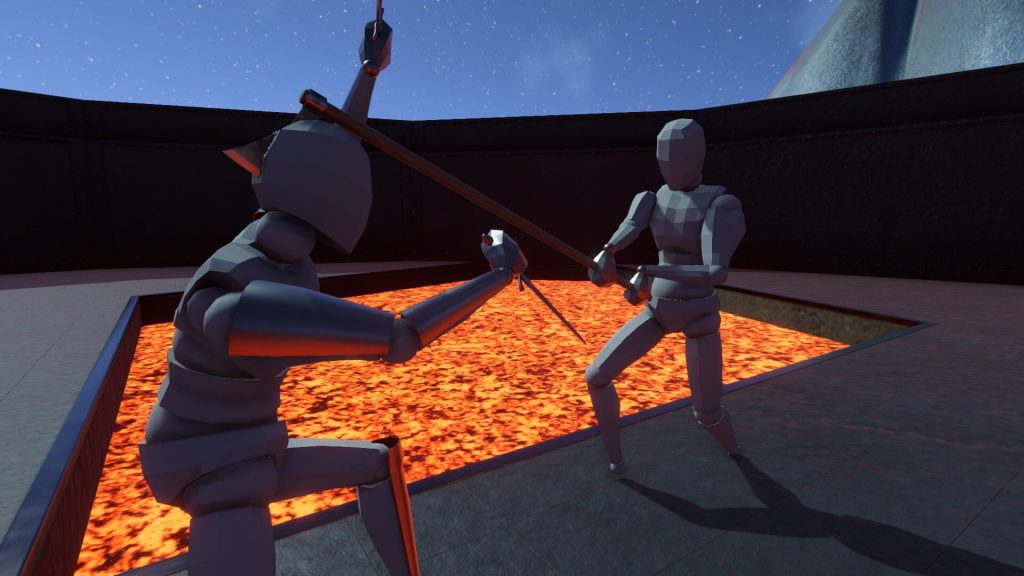
The standard fighting game contract: the developer designs the moves, the player learns them. Gladio Mori breaks this contract at its foundation. The Move Editor lets players animate attack sequences from scratch by controlling their character’s body, then save those sequences as usable techniques in actual combat. The developer provides the physics engine, the weapons, the gladiatorial arena, and the organic damage system. What the player does with all of that is entirely up to them.
A Finnish solo developer from Oulu has shipped this from Early Access into a full September 16 release across PC, PS5, and Xbox Series X|S. Two years of community-engaged development has produced 81% Very Positive from 997 Steam reviews, with the recent 30-day window tracking slightly higher at 85%. PC Gamer covered it as “a unique gladiatorial sandbox where you can animate your own attack moves.”
The Physics Damage System
No health bar. Instead, internal damage that reflects where you’ve been hit and what was hit. An arterial strike causes progressive bleeding toward death. A limb severed is a limb no longer functional. A precise strike to a vulnerable gap in plate armor — which effectively blocks slashing attacks on armored surfaces — can end a fight in a single connection.
This system changes the texture of every engagement. Standard fighting games with health bars abstract the consequence of hits into a declining number; Gladio Mori makes each hit a specific event with a specific anatomical consequence. The gladiator who has taken two non-lethal hits and one hit that clipped a major blood vessel is fighting a different fight than the numbers would indicate — and both they and their opponent know it from the visible evidence of what’s happened.
The tactical implication is that attack selection becomes anatomically specific rather than stat-optimal. Slashing an armored torso wastes the attack; finding the gap at the armpit or the throat changes the fight. The game rewards players who understand what they’re trying to do physically, not just mechanically. This is the specific design quality that makes physics-based combat feel genuinely different from parameter-based combat rather than just visually different.
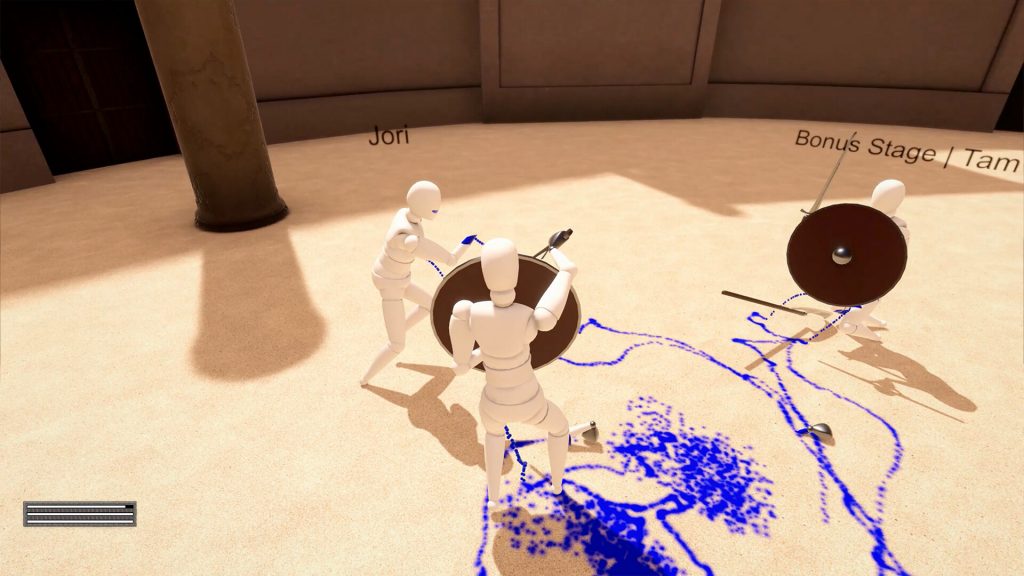
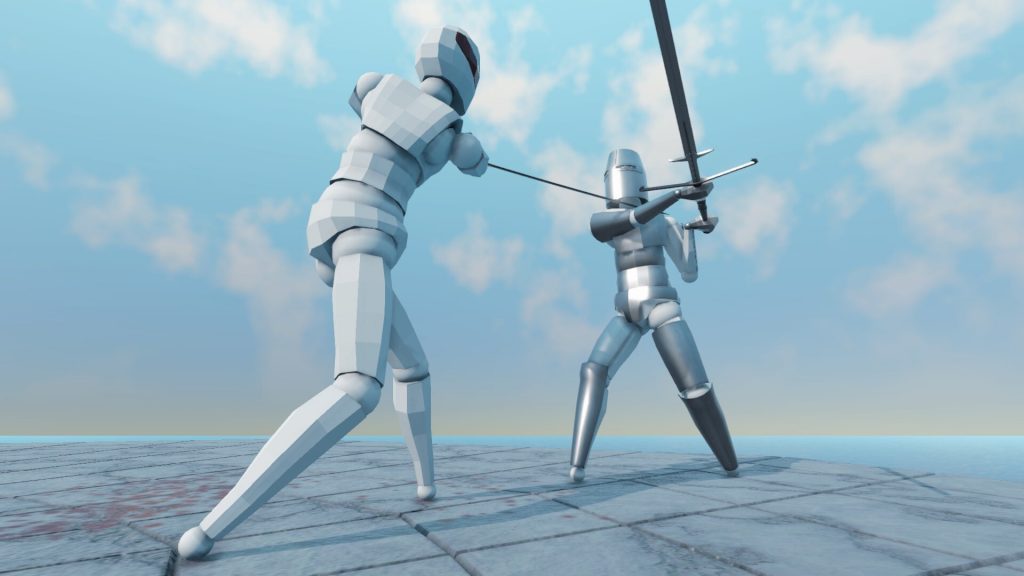
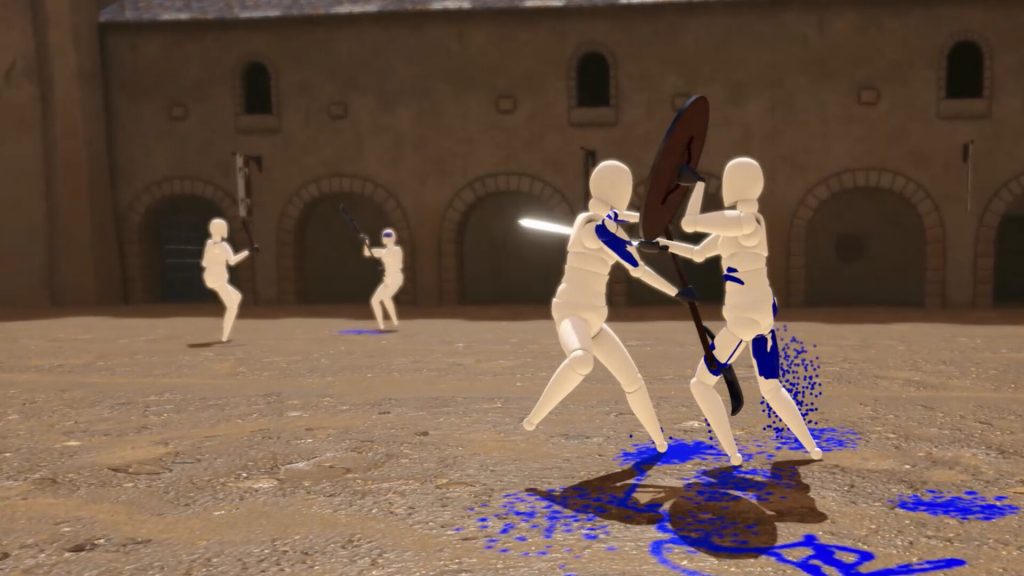
The Move Editor
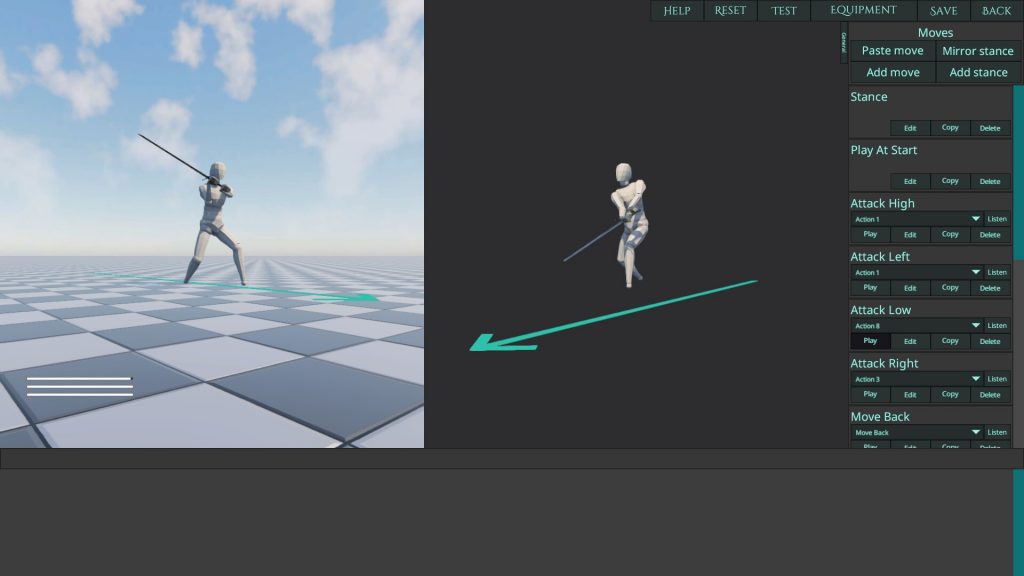
The Move Editor is the system that makes Gladio Mori unlike every other fighting game currently available. Players access the character’s body and animate attack sequences by positioning limbs, setting timing, and defining the arc of a strike — frame by frame if they want, or in broader strokes if they don’t. The resulting animation becomes a technique that can be assigned to an input and used in real combat, where the physics engine resolves whether and how it connects given the opponent’s position, armor, and movement.
The creative applications this enables are explicit in how the developer describes them: you can animate an efficient technique designed to exploit specific anatomical vulnerabilities; you can recreate a film action sequence to see how it performs against physics; you can animate something biomechanically absurd and observe what the physics engine does with it when deployed in an actual fight.
For players who don’t want to animate from scratch — or for console players for whom the interface is more challenging — the community Move Gallery provides techniques built by other players, organized and available for selection. A player can build their combat style entirely from community-created moves, partially from community moves and partially from their own, or entirely original. The combat identity the game enables ranges from “player who optimizes efficiently” to “player who creates distinctive techniques with their own aesthetic” to “player who experiments with biomechanical absurdity.” All of these are valid uses of the system.
The nearest comparison is the level design tools that sandbox games provide — not “here are 50 levels,” but “here is a level editor, here is a community of people who have made thousands of levels, choose what you want.” Gladio Mori applies this to combat technique rather than level geography.
The Two-Year Early Access Trajectory
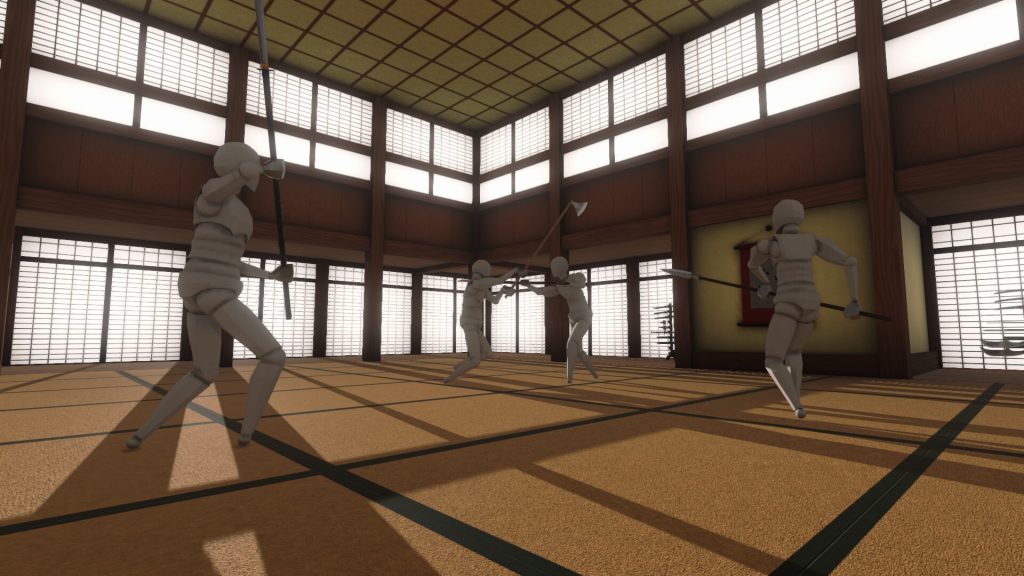
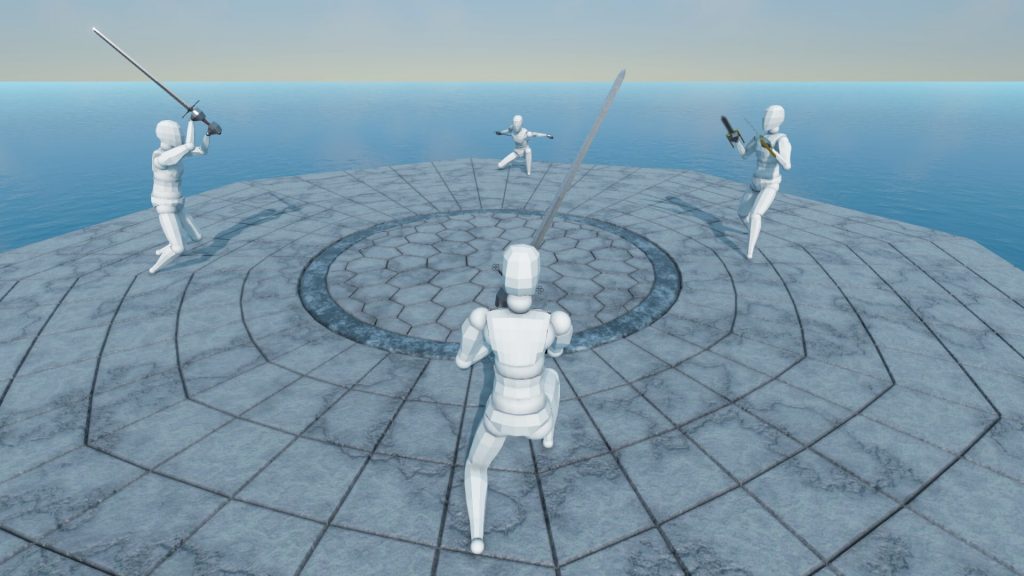
Launching Early Access in November 2024 with the Move Editor, Community Moveset Gallery, user-created skins, the organic damage system, 17 weapon sets, 10 armor elements, and 2 arenas — and delivering the 1.0 two years later with 81% Very Positive from nearly 1,000 reviews — is the Early Access model working correctly. The community that developed around the game during those two years is the community that shapes what fighting styles are considered creative, what moves become standard in the gallery, and what the competitive meta looks like for players who engage with the 4-player online.
The recent 30-day review window tracking higher than the all-time average (85% vs 81%) is the signal that the game’s quality has improved over the Early Access period rather than declining — the players who encounter it most recently are finding it more satisfying than the average across its full review history. This is the development trajectory Early Access is supposed to produce and frequently doesn’t.
The Full Release Additions
September 16 brings full cross-play between PC, PS5, and Xbox Series X|S — the technical capability that enables the online multiplayer to function as a single community rather than three platform-separated ones. For a 4-player online gladiator game built around community move sharing, a fragmented player pool by platform is a significant competitive disadvantage; full cross-play removes it.
Content Note
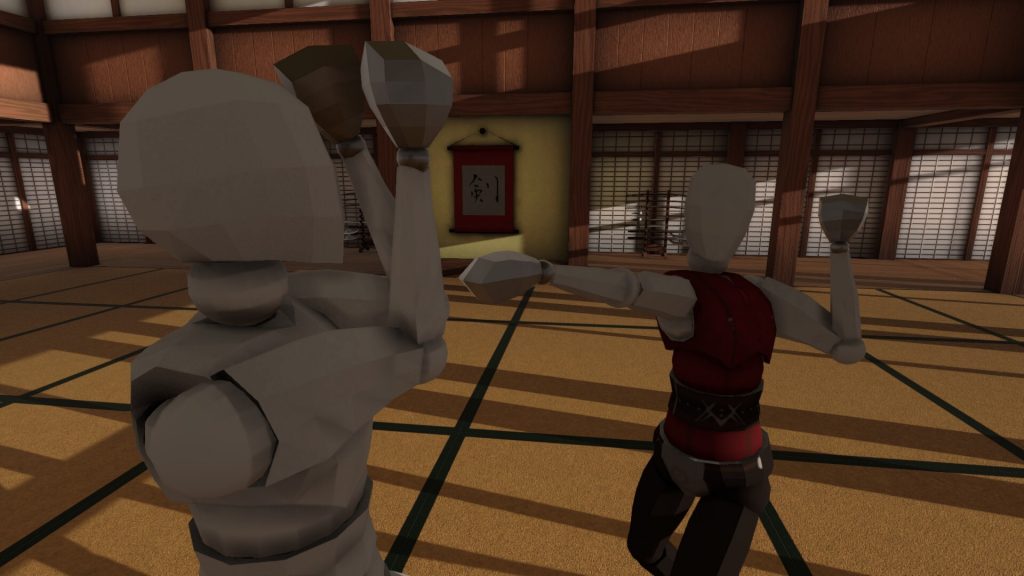
The organic damage system includes dismemberment, bleeding, and detailed depictions of physical injury. This is not incidental content — it’s the mechanical basis for how the game communicates what’s happening in combat. Players who are uncomfortable with this presentation should know that the game’s core systems are built around it rather than it being decorative.
Who This Is For
Strong fit for: physics simulation enthusiasts who want the genre applied to gladiatorial combat; players who have wanted fighting games to offer genuine creative expression rather than learning a designer’s predetermined moveset; sandbox game players who enjoy the creative possibilities of tools over the completion of content; PC Gamer readers who followed the original coverage; players who want the Early Access community’s accumulated moveset gallery alongside their own creation options; fighting game fans who want organic damage feedback over numerical health systems.
Cautious fit for: fighting game players who specifically prefer the genre’s traditional structure of learning designed techniques; players who find graphic violence and dismemberment content uncomfortable regardless of creative context; players who need established full-game reviews before purchasing.
Less ideal for: players who dislike physics-based simulation in their fighting games; anyone wanting narrative content alongside the combat; players seeking larger roster sizes than the current weapon and armor variety provides.
The Takeaway
Gladio Mori is a Finnish solo developer’s two-year Early Access graduation — a physics-based gladiator combat game whose Move Editor represents a genuine creative inversion of what fighting games normally offer. Two years of community development, 997 Very Positive reviews, and a full cross-platform release on September 16 are the data portrait of an unusual indie fighting game that found and sustained an audience for a design that no other game in the genre provides.
The arena is ready. The armored opponent is at the opposite end. And the technique you’re about to use is one you animated yourself, specifically designed to find the gap in the shoulder where the pauldron doesn’t quite meet the breastplate.
September 16 on Steam, PS5, and Xbox Series X|S.
Information regarding ‘Gladio Mori’
| item | detail |
|---|---|
| Developer | Plebeian Studio (Oulu, Finland, one-person studio) |
| Publisher | Bonus Stage Publishing, Korgi Digital (China) (Based on Steam page, no press release mentioned) |
| Genre | Action, Simulation, Physics-based Fighting |
| platform | PC (Steam), PlayStation 5, Xbox Series |
| Release date | September 16, 2026 (End of Early Access and Official Release) |
| language | Supports 12 language interfaces including Korean |
| Reactions/Evaluations | Steem ‘Very Positive’ (81% positive out of 997 total, 85% positive out of 75 recent) |
| Steam Page | Shortcut |