Human emotion is the most valuable energy source in the post-apocalyptic world of MAKINA. The city of Tempest runs on it. The four rulers who control it are addicted to it. And Cheshire — a rookie mech pilot whose simple mistake brought disaster to the underground settlement of Neo Sol — is coming to destroy what they’ve built.
KIRYON GAMES is a Korean indie studio established in August 2025. MAKINA is their debut title, selected for BIC 2026’s General Division competitive section fourteen months after the project’s conception. December 25 is the Steam launch date.
The Dual-State Design
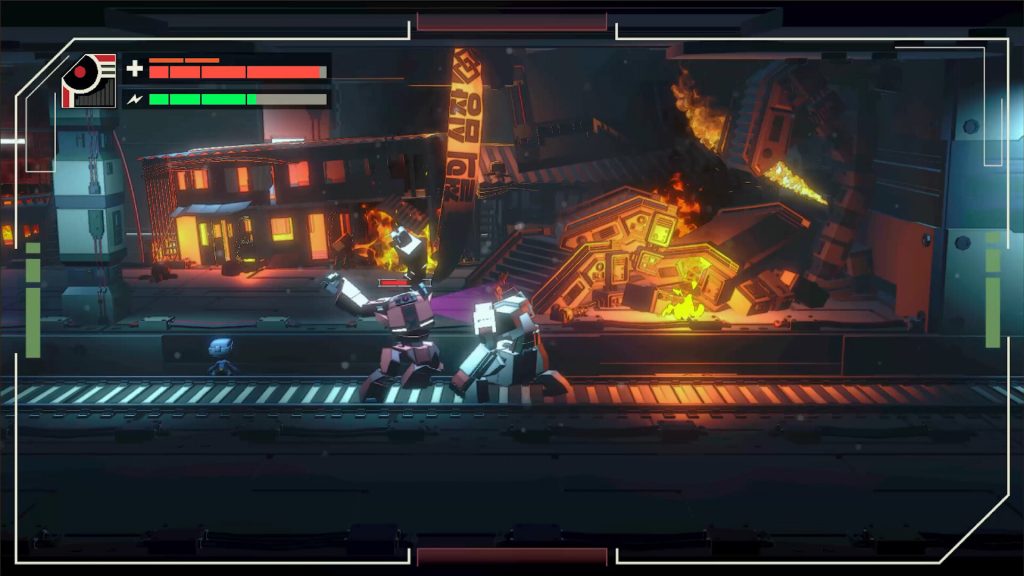
The game’s structural premise is as precise as the setting’s emotional energy metaphor: the mech and the pilot are inseparable, and neither can function without the other. The mech cannot move without the pilot inside. The pilot cannot survive outside without the mech nearby. The game oscillates between two completely different gameplay states that exist in direct dependency on each other.
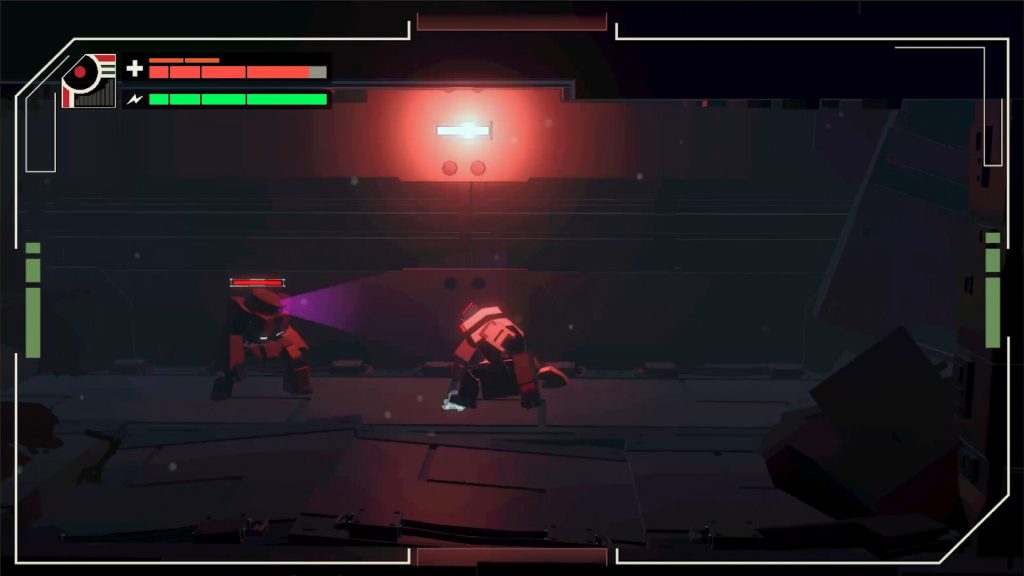
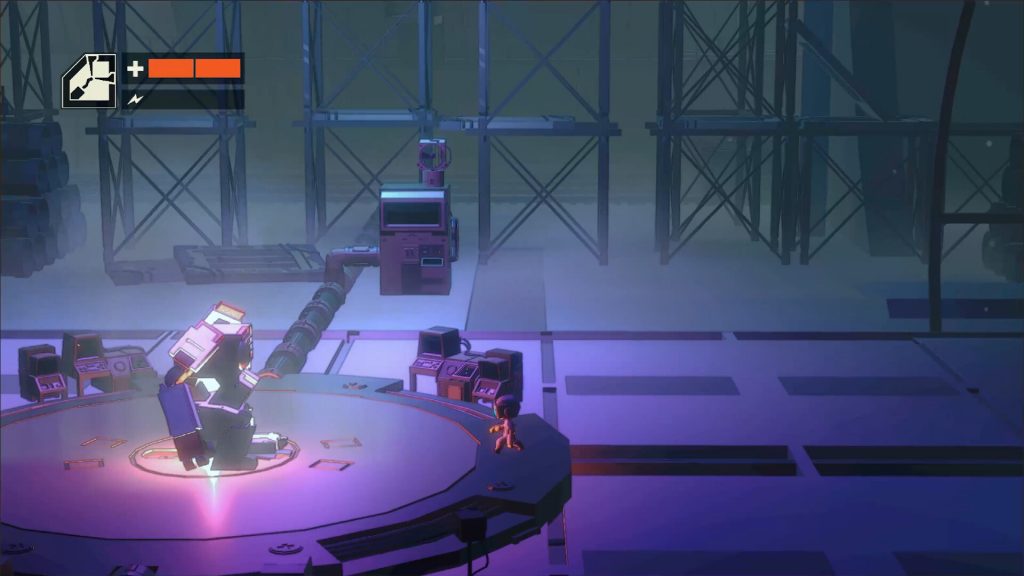
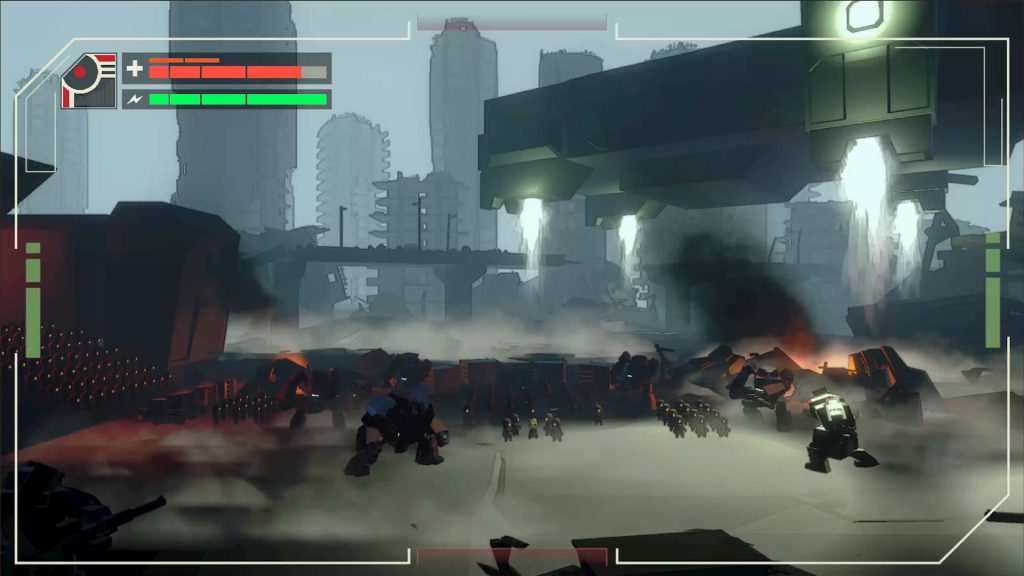
Inside the cockpit, Cheshire pilots Rasha — a dangerous mech that amplifies desire and emotion — through direct confrontation. Express Mode, Elbow Rocket, Rail Gun: devastating tactical capabilities against large enemies, the power fantasy of a machine that turns emotion into firepower. Inside the cockpit, Cheshire is nearly invincible in direct combat.
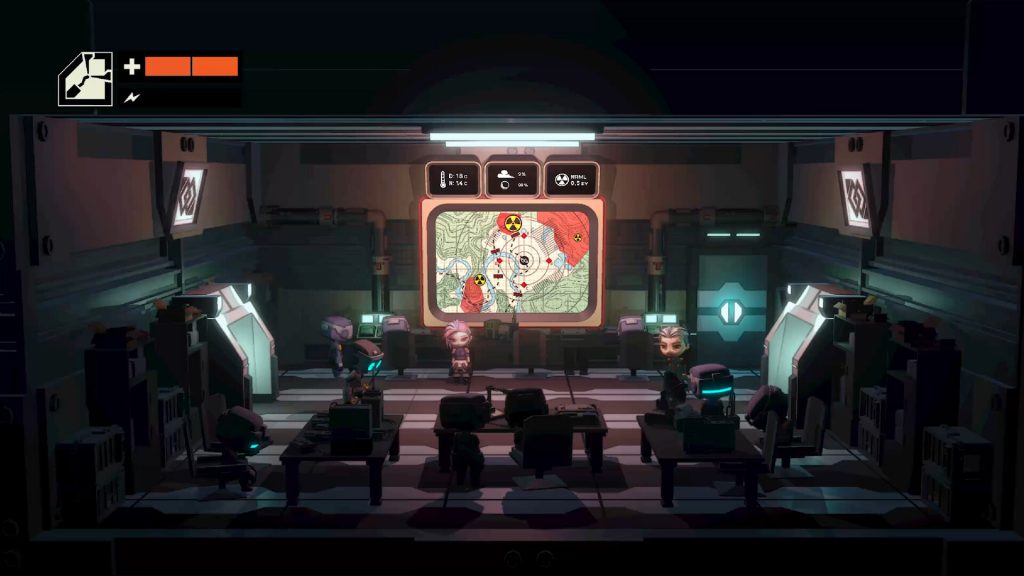
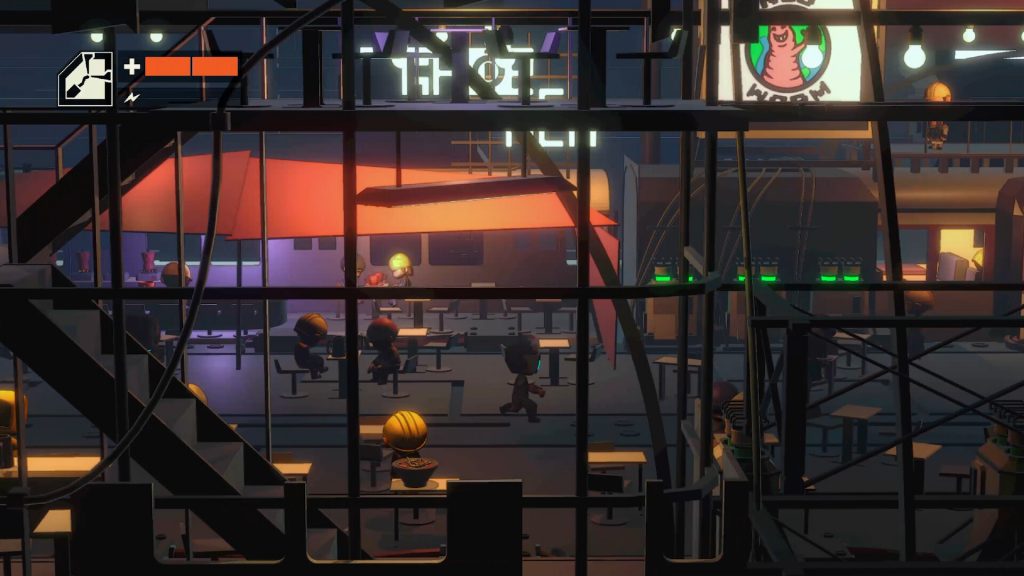
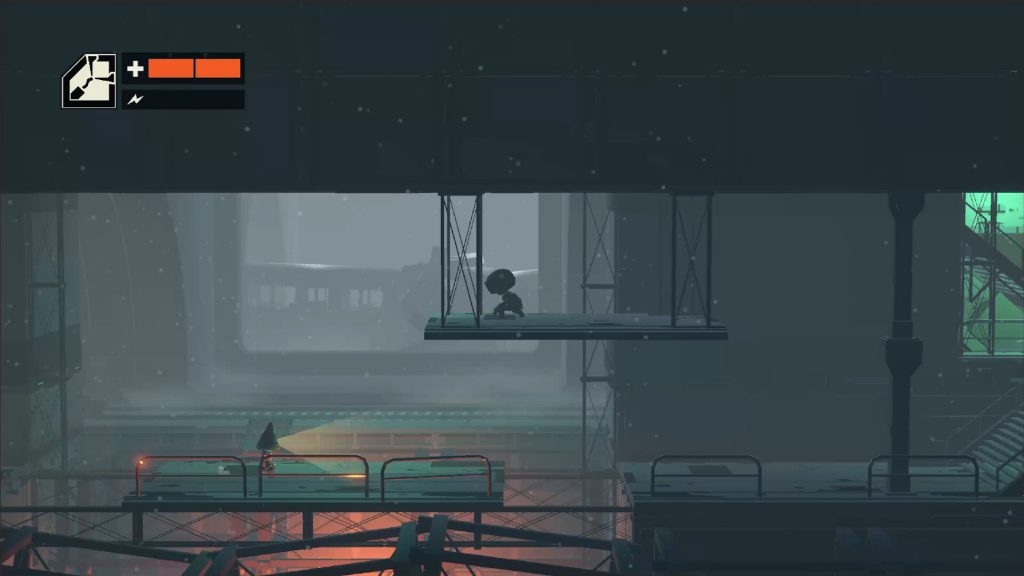
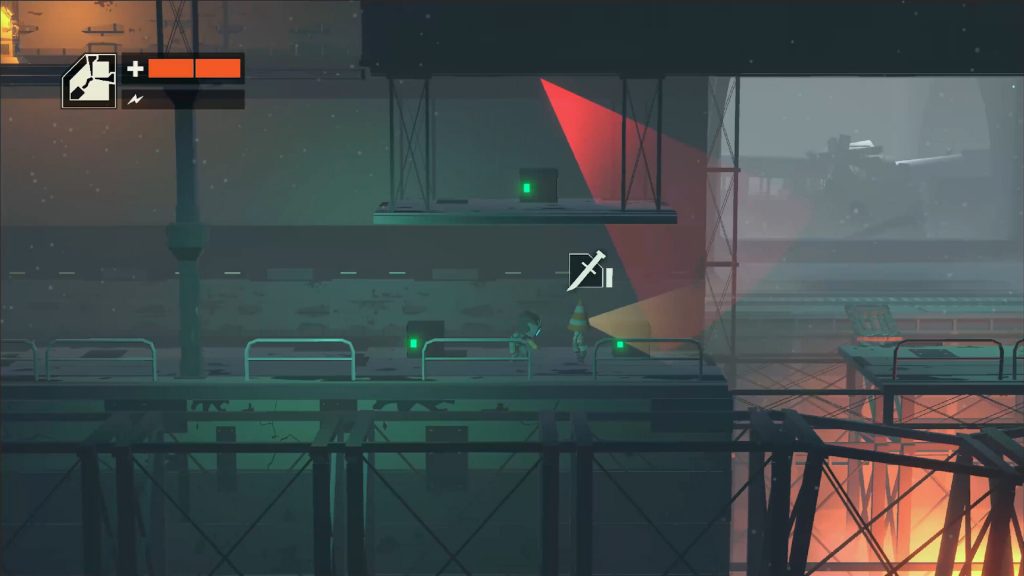
Outside the cockpit, Cheshire is a vulnerable human in a city that would kill him without hesitation. Stealth assassination using emotion gadgets. Environmental puzzles that require human-scale problem solving. Avoiding detection by enemies that the mech could have crushed. Outside the cockpit, the same pilot who pilots a devastating weapon is fragile, careful, and operating by completely different rules.
The design insight is that these two states are not merely different mechanics — they are dramatically opposed emotional registers. The mech cockpit is power; the pilot state is vulnerability. The transition between them is the game’s primary dramatic beat: leaving the cockpit is the decision to become vulnerable in order to accomplish something the mech cannot. Returning to the cockpit is the relief of power restored.
The Four Rulers as Boss Architecture
Four rulers — a scientist, an architect, a K-pop idol, and a director — are each addicted to different emotional drives in the city of Tempest. This is the boss design that gives the game its narrative structure and its specific cultural commentary: the figures of creative and intellectual authority (scientist, architect) alongside the figures of spectacle and emotional performance (idol, director) all become villains through the same mechanism — addiction to the very emotion that powers their world.
Targeting each ruler to understand their emotional addiction before confronting them is the infiltration game’s investigation layer. The multi-phase cinematic boss fights that follow are the confrontation that the infiltration has been building toward. The questions — why did the scientist become addicted? What does the architect crave? What consumes the idol? — are the narrative dimension that makes the post-apocalyptic setting feel specific rather than generic.
The K-pop idol as a ruler and antagonist within a Korean indie game’s SF post-apocalypse is the specific cultural grounding that gives MAKINA‘s setting its edge. Korean cultural production — its creative industries, its emotional economies, its specific relationship to performed and consumed emotion — is the context in which an idol becoming a ruler addicted to emotional energy reads as cultural criticism rather than arbitrary world-building.
The Cassette Futurism Aesthetic
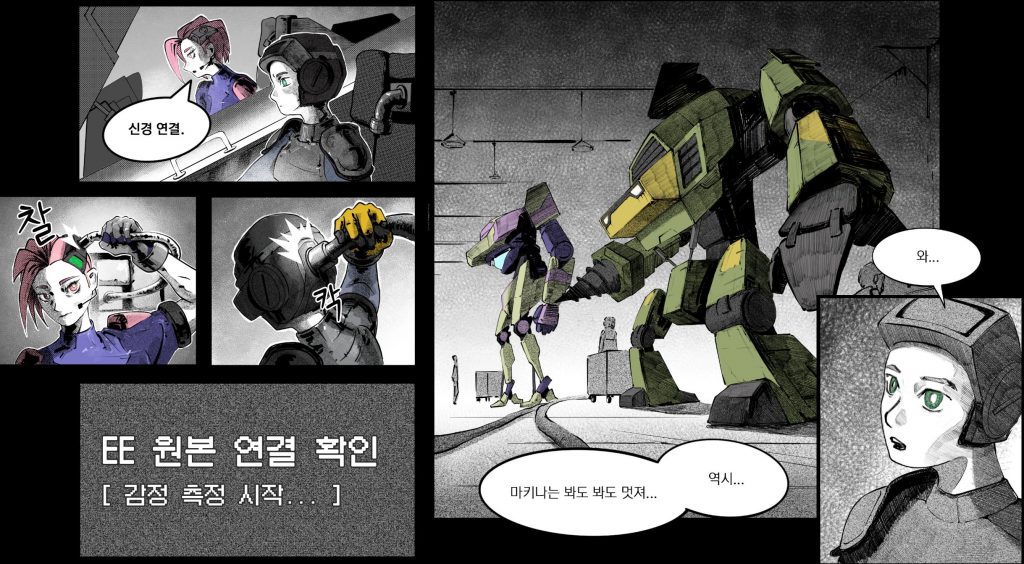
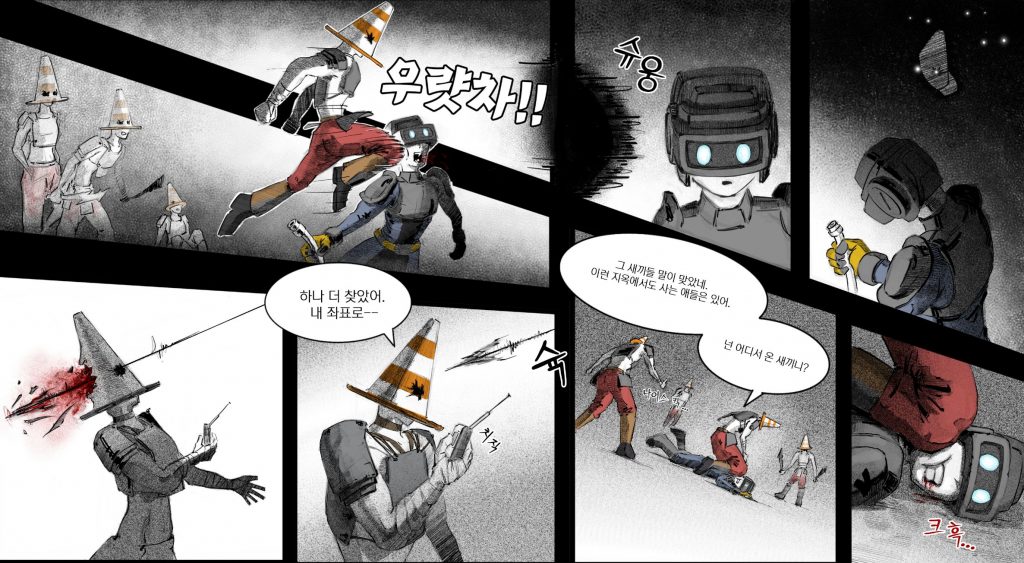
Cassette futurism — the retrofuturist aesthetic of analog-feeling machines imagined by the 1970s-80s as the future — is the visual tradition MAKINA is working in. VHS textures, CRT monitor aesthetics, the specific material quality of machines designed when digital was still tactile: this is the aesthetic that gives Cheshire’s world its distinct visual identity.
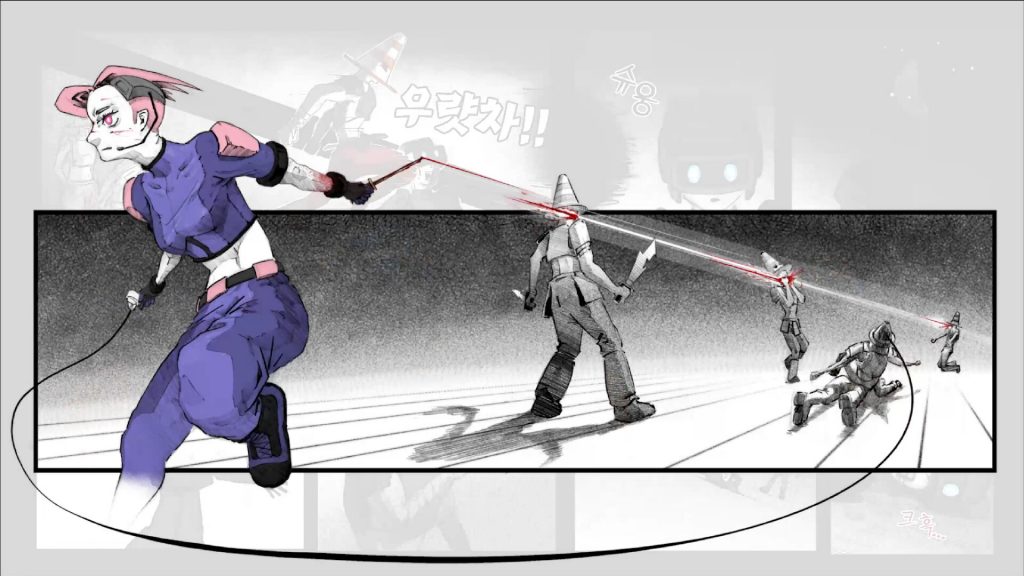
The combination of cassette futurism with manhwa/webtoon-influenced hand-drawn cutscene production is the specific Korean aesthetic synthesis that positions MAKINA beyond generic retrofuturism. Manhwa as sequential art has developed a specific line quality, panel composition, and emotional register over decades of domestic production. Hand-drawn cutscenes influenced by this tradition are not merely comic book style — they’re specifically the Korean version of comic book style, which is legible and distinctive to anyone familiar with the medium.
The transition between gameplay and graphic novel-style cutscenes — the developer’s described “cinematic SF” identity — is the formal commitment that places MAKINA in the tradition of games that treat their visual storytelling as continuous with rather than separate from their gameplay.
The KIRYON GAMES Development Trajectory
April 2025: project conception. August 2025: company established. October 2025: playable demo produced. December 2025: SBA STOVE Indie support program selection. March 2026: first teaser. May 2026: prologue. June 2026: Steam page. August 2026: BIC 2026 General Division selection. October 2026: Sweden Game Conference. November 2026: G-STAR. December 25, 2026: Steam launch.
This is twenty months from conception to commercial release, with institutional validation (SBA support, BIC selection) at key development milestones. The development progress reported at 65%+ with four months remaining to the December 25 launch is the realistic assessment of a team that has been iterating since October 2025’s first playable demo.
The planned Q1 2027 console expansion to PlayStation and Nintendo Switch indicates platform ambition beyond the December Steam launch — the PC release is the beginning rather than the entirety of the game’s commercial lifecycle.
Who This Is For
Strong fit for: mech action fans who want the genre’s combat power fantasy paired with stealth vulnerability mechanics; players who enjoy the dramatic oscillation between godlike power and fragile human capability; cassette futurism aesthetic enthusiasts who want the visual register applied to Korean SF; manhwa and webtoon readers who want hand-drawn sequential art style in an interactive form; BIC 2026 attendees who encountered the game on the festival floor; K-indie supporters following debut studios from their earliest stages.
Cautious fit for: players who want extended play time beyond the ~5 hour main story; anyone who needs demo availability before following (none announced yet); players who want multiplayer options alongside the single-player narrative.
Less ideal for: players who dislike stealth mechanics; anyone wanting open-world exploration rather than structured mission progression; players seeking longer-form action RPG systems.
The Takeaway
MAKINA is KIRYON GAMES’ debut: a 2.5D mech stealth action adventure set in a world where human emotion is energy and addiction is governance, with a design built around the precise dramatic tension between the power of the cockpit and the vulnerability outside it. The cassette futurism aesthetic, the manhwa-influenced cutscene production, and the four emotionally-addicted rulers that Cheshire must infiltrate and confront give the game a specific creative identity that twenty months of development have been building toward.
December 25, 2026. $9.99. The pilot is inside the cockpit until he has to step out. The city of Tempest runs on emotion. And somewhere in the difference between what Rasha can do and what Cheshire has to do alone, the game lives.
Information regarding ‘MAKINA’
| item | detail |
|---|---|
| Developer | Kiryon Games (KIRYON GAMES, Kiryon Co., Ltd., South Korea) |
| Publisher | Girion Games (Self-publishing) |
| Genre | Action, Adventure, Stealth, Mecha Action |
| platform | PC (Steam) and Console (PS/NS) expansion scheduled for Q1 2027 |
| Release date | December 25, 2026 |
| engine | Unity |
| price | $9.99 (USD) |
| language | Korean, English, Japanese, Chinese (Simplified/Traditional), etc. |
| Playtime | Up to about 5 hours |
| Reactions/Evaluations | Expanding recognition through festival stages, including participation in the BIC 2026 competition. |
| Steam Page | Shortcut |