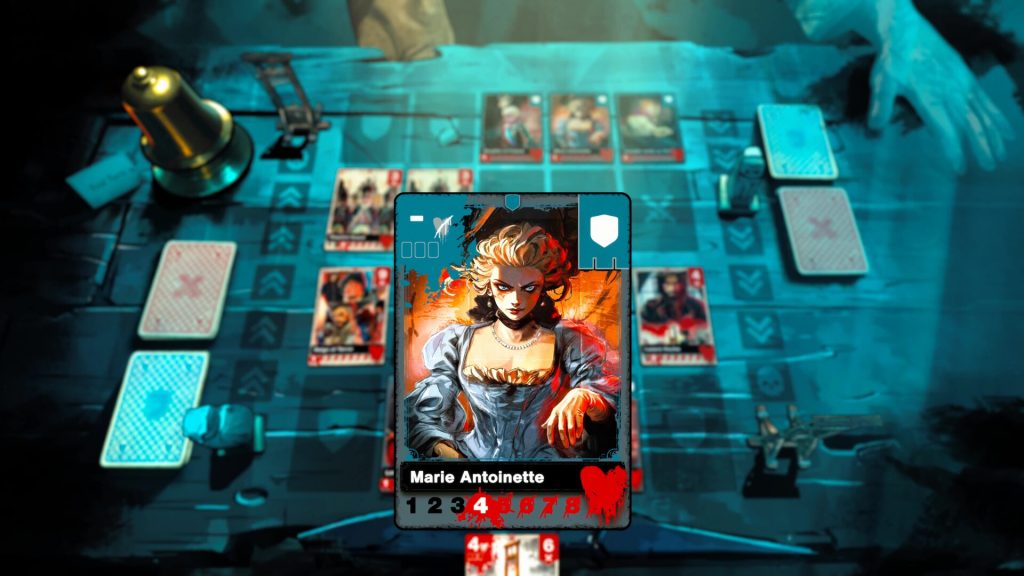
One night. One prison. One card game, and the loser goes to the guillotine. Lazare’s Sacrifice, from London studio Dream Reality Interactive and publisher Curve Games, was revealed at the Triple-I Initiative digital showcase. It is a narrative deckbuilder set during the French Revolution, built around a single, ruthless idea: to survive, you must sacrifice your cards, your board, and even your own life.
Adding weight to the announcement, Damien Monnier, a key figure behind the Gwent card game series, is co-designing the game. An official trailer accompanies the reveal, and the game is targeting a spring 2027 release on PC.
A Revolutionary Prison, and a Card Game That Ends at the Guillotine
The setting is the French Revolution, with the streets of Paris running red.
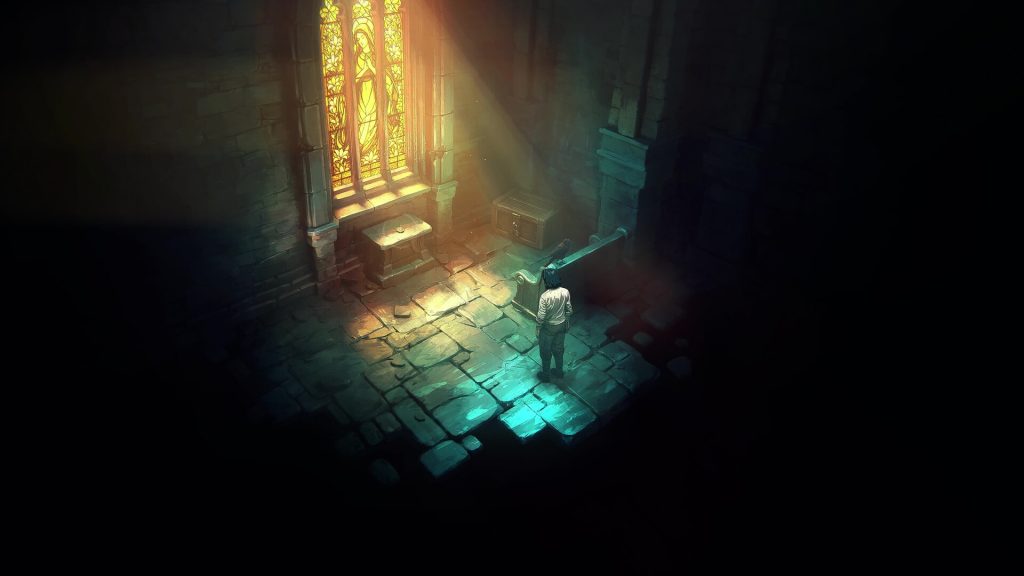
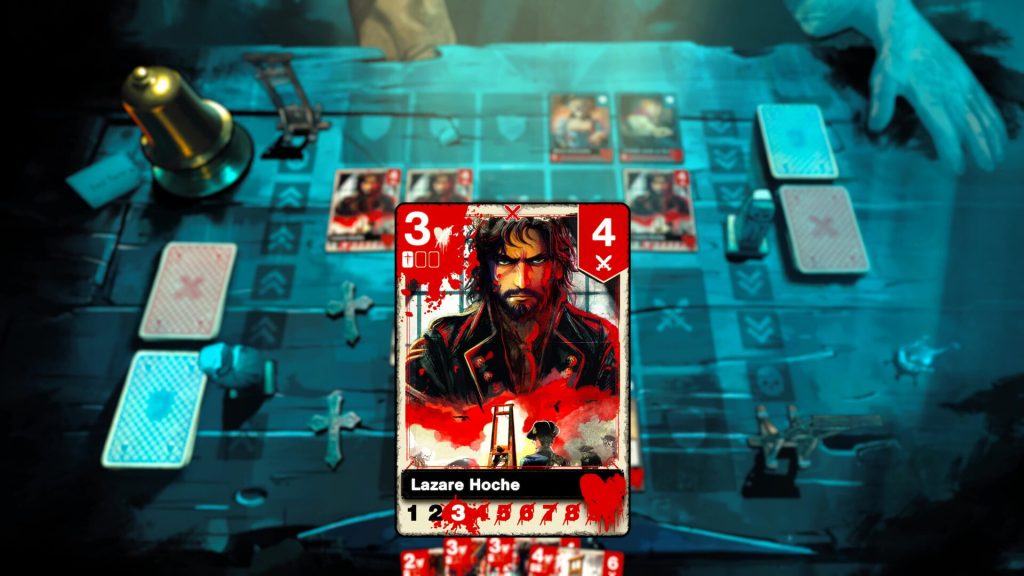
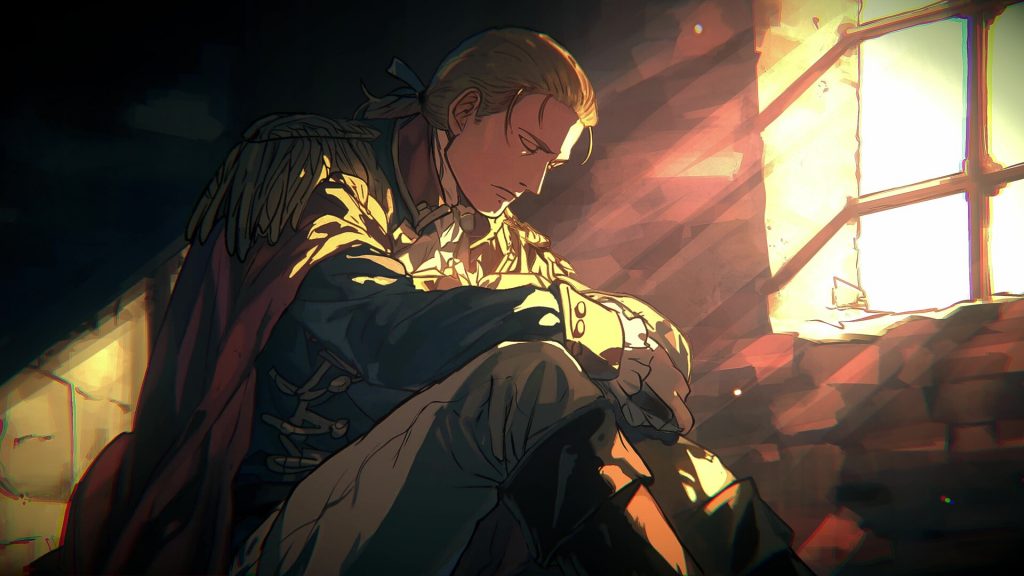
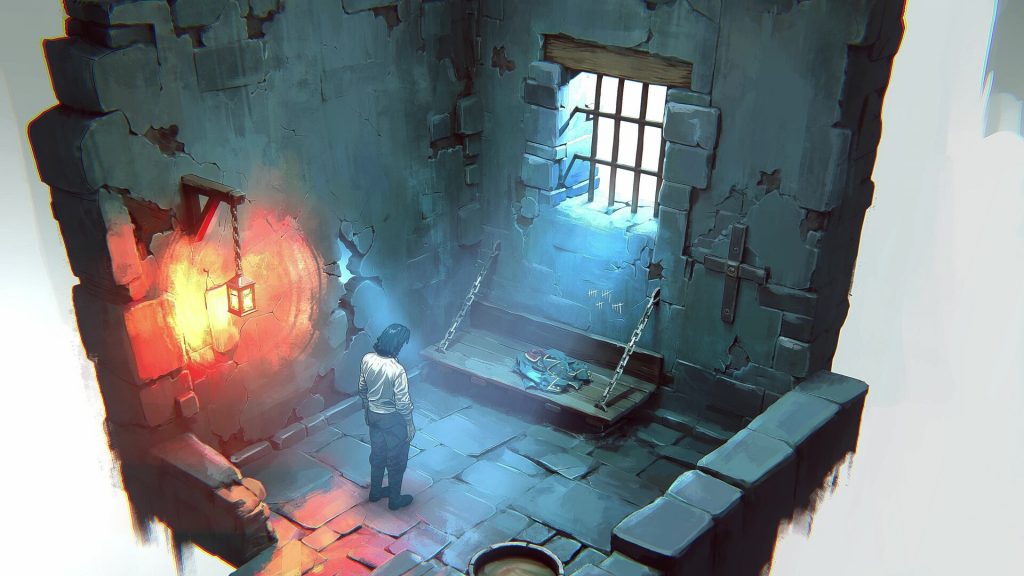
Players take the role of Lazare Hoche, a betrayed general who must survive the 18th-century Carmes Prison. He has a single night. The only way to live is to win deadly card games against his fellow inmates. Losing means the guillotine.
The prisoners Lazare faces are reinterpretations of real historical figures from the Revolution. All of them want out, but each has their own goals and methods.
Every opponent has a different playstyle and their own secrets, so winning at cards isn’t enough. Players explore the prison, build relationships with inmates, and decide who is an ally and who is a traitor. Along the way, the conspiracy that put Lazare behind bars gradually comes to light.
The developer highlights one principle running through the whole world: here, the currency is sacrifice.
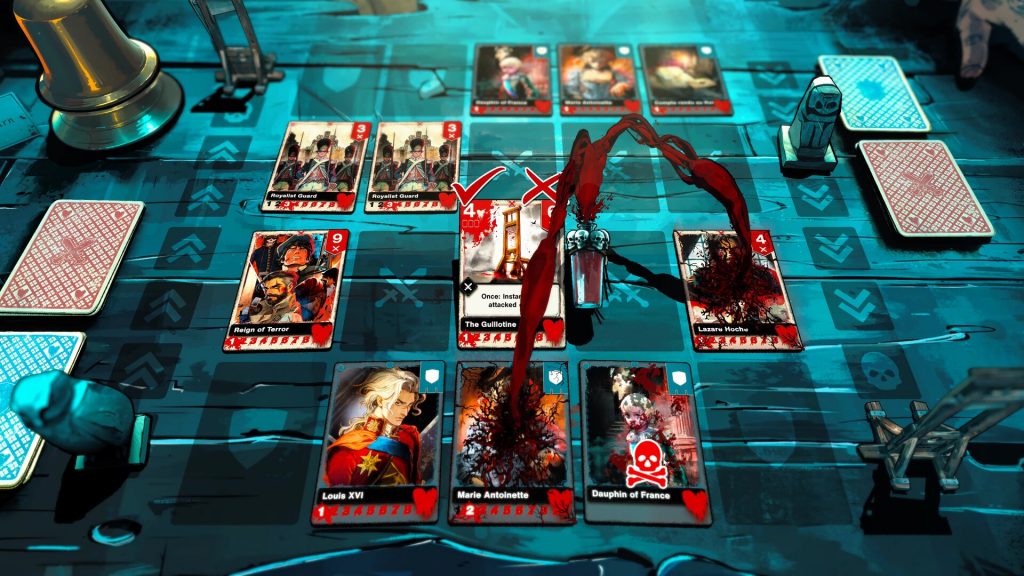
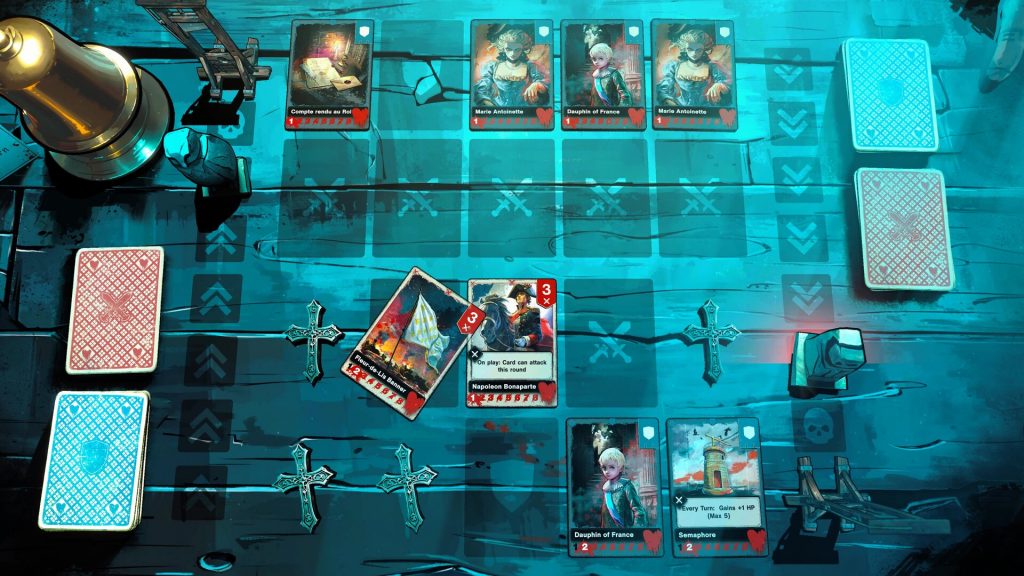
To Grow Stronger, Something Has to Go
Lazare’s Sacrifice is a deckbuilder in which victory always carries a steep price.
To summon powerful units or pull off decisive actions, players must give up what they have. You can sacrifice cards in your hand, give up board slots needed for combat, or spend your own health.
The bigger the sacrifice, the stronger the effect. But give away too much for an immediate win, and later fights become harder, or survival itself slips out of reach.
The core of strategy, in other words, is not what you gain but how much you are willing to lose.
The game features four factions with distinct traits. Players strengthen their decks by exploring Carmes Prison, uncovering hidden cards, and defeating other inmates.
Card battles and narrative exploration are connected. Relationships, choices, and battle outcomes with the prisoners Lazare meets all move him closer to the truth behind his imprisonment.
Story Mode and the Gauntlet
The game offers a story mode and a separate mode focused on deckbuilding and combat.
In story mode, players explore Carmes Prison, meet historical figures, and investigate why Lazare was betrayed and what conspiracy lies behind it, blending a historical thriller with card battles.
The Gauntlet, a tower mode, sends players into successive challenges with a deck they build themselves, focusing purely on card combat.
Learning the four factions, finding hidden cards, and making the right “Gambit” choices about which resource to sacrifice at each moment decide the outcome. Because health itself is a strategic resource, players constantly weigh how much risk they will take for one powerful play.
Gwent’s Designer Returns to Cards
Co-designer Damien Monnier worked on Gwent, the card game featured in The Witcher 3: Wild Hunt, and on Gwent: The Witcher Card Game, its later standalone version. On Lazare’s Sacrifice, he brings that card design experience to the task of combining narrative, deckbuilding, and a sacrifice system that relentlessly demands a price from the player.
Dream Reality Interactive CEO Dave Ranyard said the team wanted every strategic choice to carry weight, with brutal trade-offs required at key moments to move forward. He added that the studio wanted to retell a historical moment through the eyes of forgotten legends like Lazare, who gave everything to his dream of building a new France.
Curve Games’ VP of Publishing Rich Keen described the game as a dark, intense twist on a familiar genre, and said its choice of a setting rarely explored in video games stood out.
About the Studio
Dream Reality Interactive is a London-based developer founded in 2016 by former Sony PlayStation developers. It has worked on its own IP as well as co-development of a range of premium games.
Who This Is For
Strong fit for: deckbuilder fans looking for a mechanic that genuinely changes decision-making; Gwent players curious to see Monnier’s next design; history enthusiasts interested in a rarely used French Revolution setting; players who want card battles tied to a narrative with betrayal and conspiracy.
Cautious fit for: anyone who needs price, language support, or hands-on impressions, none of which are available yet; players who dislike high-risk systems where a single overcommitment can cripple a run.
Less ideal for: those seeking light, casual card play; console players, as only PC is announced.
The Takeaway
Lazare’s Sacrifice makes a sharp, thematically fitting bet: in a revolution where everyone pays a price, the most important decision in a deckbuilder becomes what you are willing to lose. A one-night prison thriller, historically inspired opponents, four factions, a Gauntlet mode, and Gwent pedigree in the design chair make it one of the more distinctive card games on the horizon. The guillotine waits until spring 2027.
Release: Spring 2027, PC (Steam). Price and languages TBA.
Information regarding ‘Lazare’s Sacrifice’
| item | detail |
|---|---|
| Developer | Dream Reality Interactive |
| Publisher | Curve Games |
| Genre | Narrative-focused deck builder |
| platform | PC |
| Release date | Scheduled for Spring 2027 |
| price | Unconfirmed |
| language | Unconfirmed |
| Joint design | Damien Monnier (creator of the ‘Guette’ series) |
| Steam Page | Shortcut |