The previous game was a haunted hospital. The streamer was then Yuna. The chat called her brave; the chat lied. She barely got out.
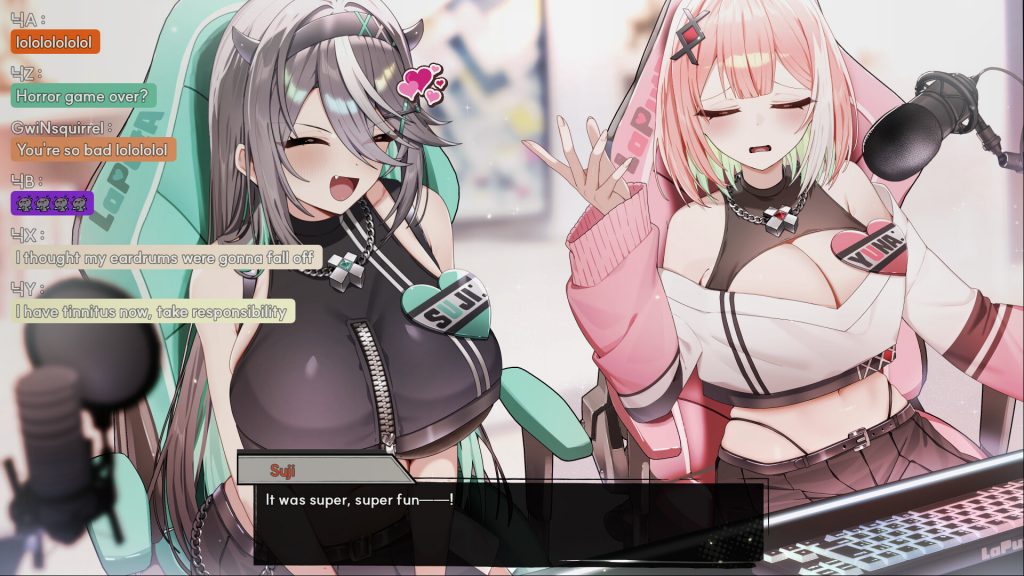
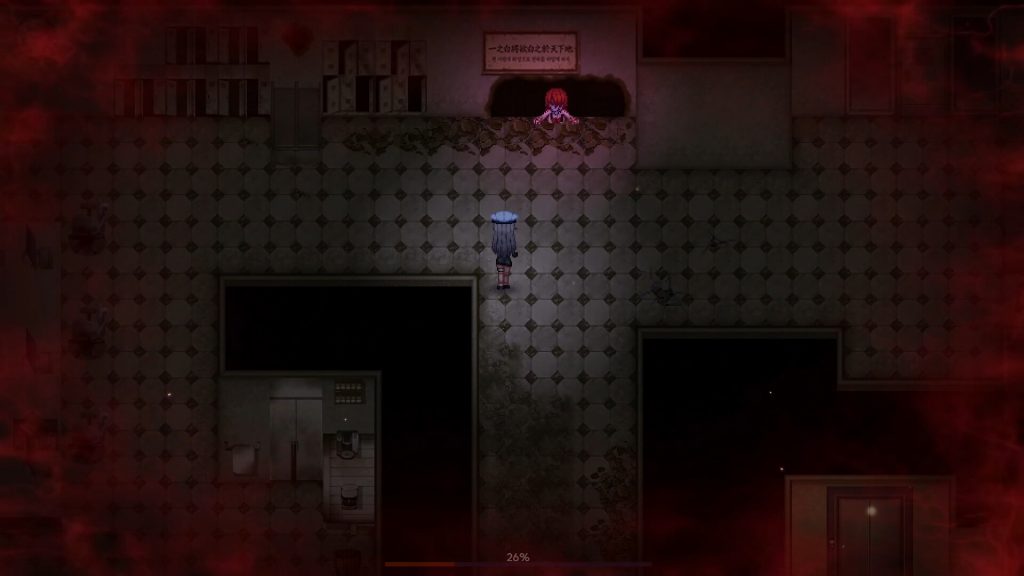
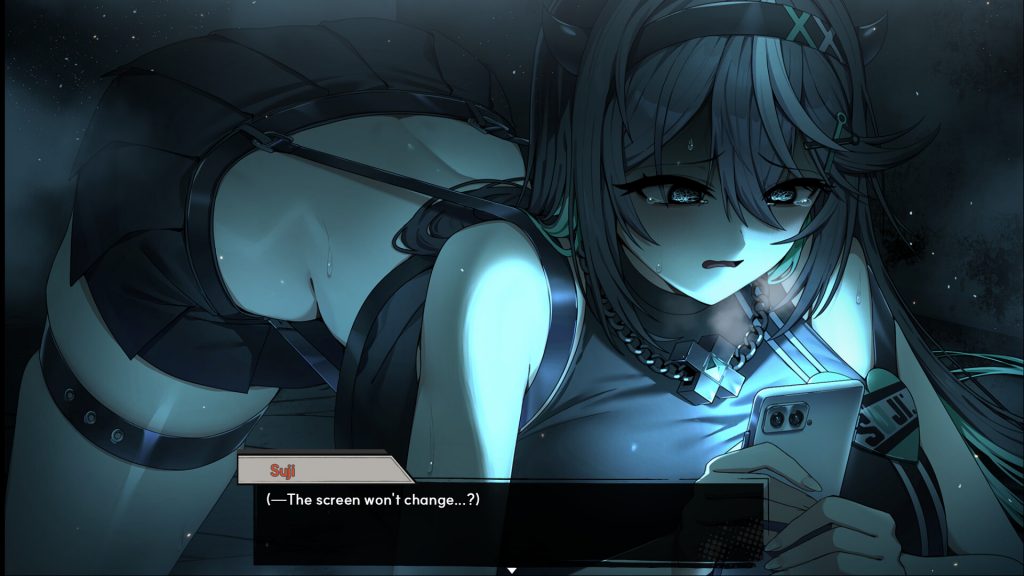
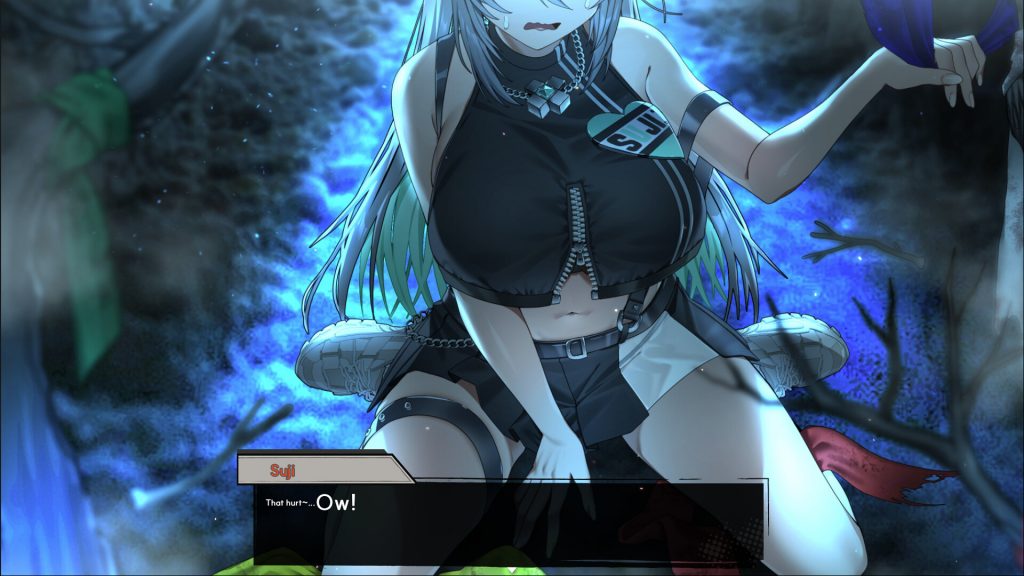
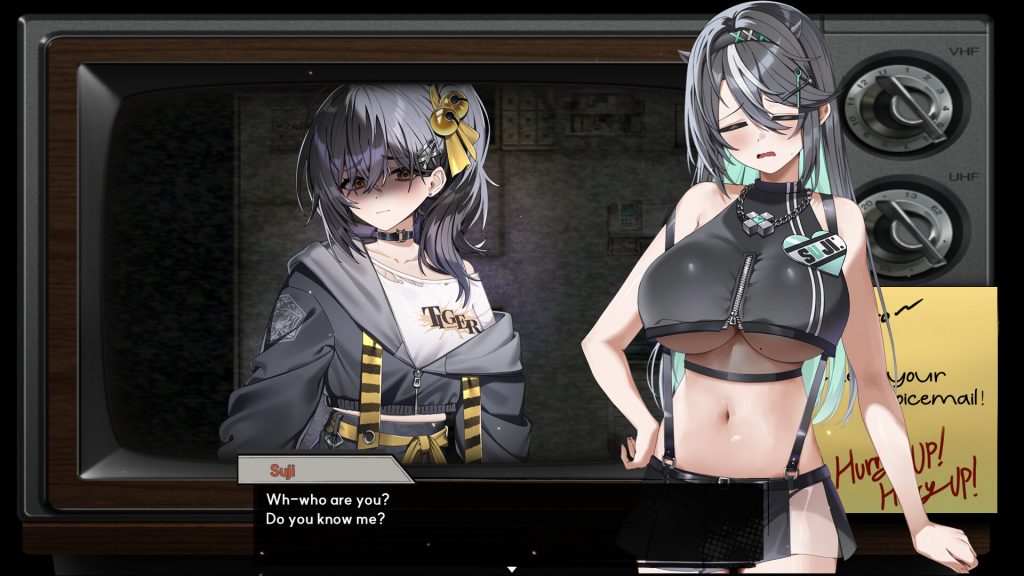
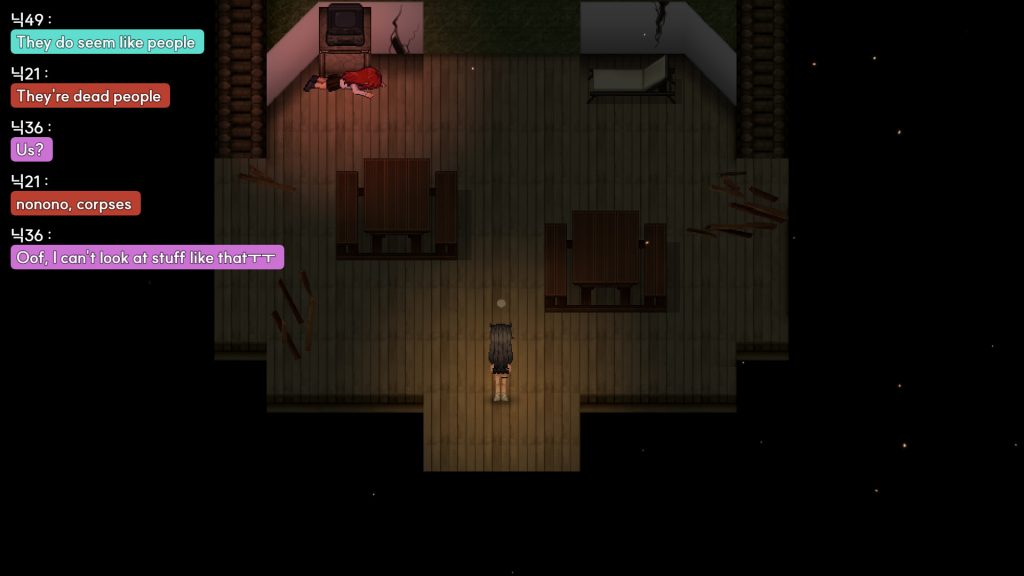
heXtreaming: Deep takes place in one of South Korea’s five most notorious abandoned locations: a decommissioned waterpark that hasn’t seen a visitor in years. The new streamer is Suji, whose bravado is equally unconvincing and whose chat — real-time, scrolling, donated to, reacted to — becomes progressively less explicable as the broadcast continues. Some of the people in that chat are not people.
The Design Insight
The most specific creative insight in heXtreaming‘s series is understanding that live streaming has already created a new kind of social space — one where the performer is simultaneously alone in a physical location and surrounded by a crowd that can observe, instruct, and respond in real time. That social architecture is inherently horror-adjacent before supernatural elements are introduced. You are isolated. You are watched. The watchers have requests.
heXtreaming: Deep takes this observation and applies it precisely. The missions that appear in the chat feel like normal streaming content early in the game — explore this room, react to this sound, check behind that door. The donations feel like viewer engagement. The chat feels like an audience enjoying a horror streamer’s performance. Suji’s “허세 가득한” (bluster-filled) reactions feel like the performed courage that streaming audiences expect from this genre of content.
The horror arrives not through jump scares first, but through the realization that the chat isn’t performing the role that a streaming chat performs. The responses are slightly wrong. The information is useful in ways that outsiders shouldn’t have. And eventually, these are not people watching a stream. These are something else, present in ways that chat shouldn’t allow.
This is the series’ central horror concept, and it works because it doesn’t require the audience to accept a supernatural premise from the opening. The horror grows from what is already recognizable and slightly wrong, rather than from an established fantastical threat.
The System Improvements Over the First Game
The first heXtreaming (2025) established the formula and earned 91% recommendation on STOVE. heXtreaming: Deep iterates on that foundation with specific quality-of-life and mechanical improvements that the sequel’s development — informed by that reception — addresses directly.
The costume system is the most notable change. Where the first game fixed Suji’s clothing based on story progression, the sequel allows players to change costumes freely from the inventory at any time. The mechanical dimension extends beyond aesthetics: specific costumes provide situational advantages in specific locations, which means the costume choice is a light tactical decision alongside its character expression function. This is a meaningful upgrade that respects player agency without overcomplicating the horror adventure’s core design.
The donation system’s integration into resource acquisition — using donation reactions and mission completions to access facilities like vending machines — is the economic design that makes streaming mechanics functional rather than decorative. You’re not just roleplaying a streamer; the streaming behaviors are necessary for survival. The parallel between the streamer’s performed relationship with their audience and the player’s strategic relationship with the game’s resource systems is the kind of system coherence that distinguishes heXtreaming‘s design from games that use streaming aesthetics as surface flavor.
The Laputa Games Commercial Track Record
The crowdfunding numbers for this series are worth examining specifically. The first heXtreaming‘s Tumblbuk campaign reached 500% of its funding goal in 14 days — a campaign that was projected to run for 30 days. This is the specific kind of community enthusiasm that indicates a fanbase rather than an audience: people who had been waiting specifically for this game and funded it the moment funding opened, rather than a general audience gradually discovering the project.
heXtreaming: Deep‘s 20,000 wishlists before launch and its own completed Tumblbuk campaign confirm the pattern is sustaining into the sequel. A fanbase that formed around the first game is following the series development and committing early. For a Korean indie game on Steam with no external publisher support, this trajectory from crowdfunding success to growing wishlists to 20,000 pre-launch commitments is the commercial pattern that sustains series development.
The Abandoned Waterpark Setting
The setting choice for the sequel is specific and deliberate. Abandoned waterparks occupy a distinct horror register that differs from the first game’s haunted hospital. Hospitals carry the horror of illness, medical procedures, and the specific institutional coldness of professional death management. Waterparks carry a different horror: the horror of spaces designed for joy that are now wrong. The slides that children were meant to use. The pools that were meant to be full. The specific wrongness of recreational infrastructure that has decayed is the uncanny dissonance that abandoned waterparks produce, and it’s different from the dread that medical facilities generate.
The waterpark is also inherently disorienting as a physical space for investigation. The layout is not the corridor-and-room architecture of a hospital but a more open, irregular geography of pools, slides, and outdoor-indoor transitional spaces. Navigation is less predictable; the geography is less immediately legible; the opportunities for concealment and for being found are differently distributed than in the previous game’s setting.
The Liberation Day Launch
August 14 as the launch date connects heXtreaming: Deep to the same Liberation Day cluster that brought The Newspapers of the Day and SURA: Shattered Star to Steam on the same day. The three games are entirely different — colonial press censorship documentation, cyberpunk sword action, and streaming horror — but all three are Korean works that chose the national holiday as their moment.
For heXtreaming: Deep, specifically, the date has no thematic connection to the content. The choice is presumably practical (a national holiday brings attention) and perhaps expressive (releasing on Liberation Day is a statement about being a Korean game). The effect is that August 14 became one of the more crowded K-indie release days in recent memory.
Who Is This For
Strong fit for: heXtreaming (2025) fans who followed Yuna’s story and want to continue in the same world with a new protagonist; Korean horror game enthusiasts who want horror that emerges from contemporary internet culture rather than traditional folklore or supernatural templates; players who find the streaming simulation format — chat, donations, missions, streamer reactions — a genuinely interesting horror vehicle; players who want full voice acting in Korean horror adventures.
Cautious fit for: players who haven’t played the first game and want full context before jumping into the sequel’s expanded world; horror players who want intense supernatural action over psychological accumulation; players who need established post-launch Steam review ratings before evaluating.
Less ideal for: players who dislike 2D pixel horror aesthetics; anyone wanting English-first or English-original horror; players seeking multiplayer options.
The Takeaway
heXtreaming: Deep is Laputa Games applying the formula that earned 91% recommendation and Tumblbuk 500% crowdfunding success to a new streamer, a new setting, and improved mechanics that the first game’s community feedback informed. The abandoned waterpark is the right horror register for a sequel that wants to establish its own atmosphere while maintaining the series’ core insight: that live streaming’s social architecture — isolated performer, observed by anonymous crowds, executing missions on request — is already horror-adjacent before anything supernatural enters the picture.
The chat is real-time. The donations are rolling in. The missions seem normal. And the people in the chat are not, quite, people anymore.
Available now on Steam. Four languages. Full voice acting.
Information regarding ‘HeXtreaming Deep’
| item | detail |
|---|---|
| Developer | Laputa Games |
| Publisher | Laputa Games (Self-publishing) |
| Genre | 2D Horror Adventure |
| platform | PC (Steam) |
| Release date | August 14, 2026 |
| language | Korean, English, Japanese, Chinese (Simplified · Traditional) |
| Previous work | Solitude Broadcast (heXtreaming, launching August 2025, highly recommended by Stove 91%) |
| Pre-reaction | Surpasses 20,000 on Steam Wishlist, Tumblbug Crowdfunding in Progress |
| Reactions/Evaluations | Steam user review figures unconfirmed as it is the fourth day since release |
| Steam Page | Shortcut |