A disgraced detective. A city where corpses come back to life. A few stolen dice and a talking rose for companions. This is the starting position in Netherveil City, and the dice in your pocket aren’t just probability tools — they’re ammunition, they’re bribes, and when everything else has failed, they’re the last lifeline between Howard and whatever the city has planned for him.
Celestial Return from Istanbul’s Metaphor Games (the digital game studio of award-winning TTRPG developer Metis Creative), published by Shoreline Games, launched July 14 on Steam after a December 2025 Kickstarter and a delay from the original May target. The 87% Very Positive rating from launch reviews establishes a strong foundation for a game that has been building its audience through demo appearances since its announcement.
The design reference points the development team cited in their Kickstarter campaign are both specific and revealing. Berserk and Akira alongside Blade Runner for visual and narrative inspiration places the game in the tradition of dark, philosophically serious manga translated into Western-adjacent cyberpunk contexts. Disco Elysium and Citizen Sleeper for gameplay inspiration identifies the specific lineage of dice-pool RPGs where character interiority and resource management are primary over combat. These aren’t casual references — they’re a design brief.
[Related Article: Cyberpunk Noir RPG ‘Celestial Returns’ Announces Steam Release]
The Dice as Resource Economy
In most RPGs, dice are resolution mechanics: roll to determine outcomes. In Citizen Sleeper — the most direct antecedent to Celestial Return‘s design — dice are managed resources that deplete and must be maintained, making the dice pool itself a survival system rather than just a randomizer. Celestial Return extends this framework in specific directions.
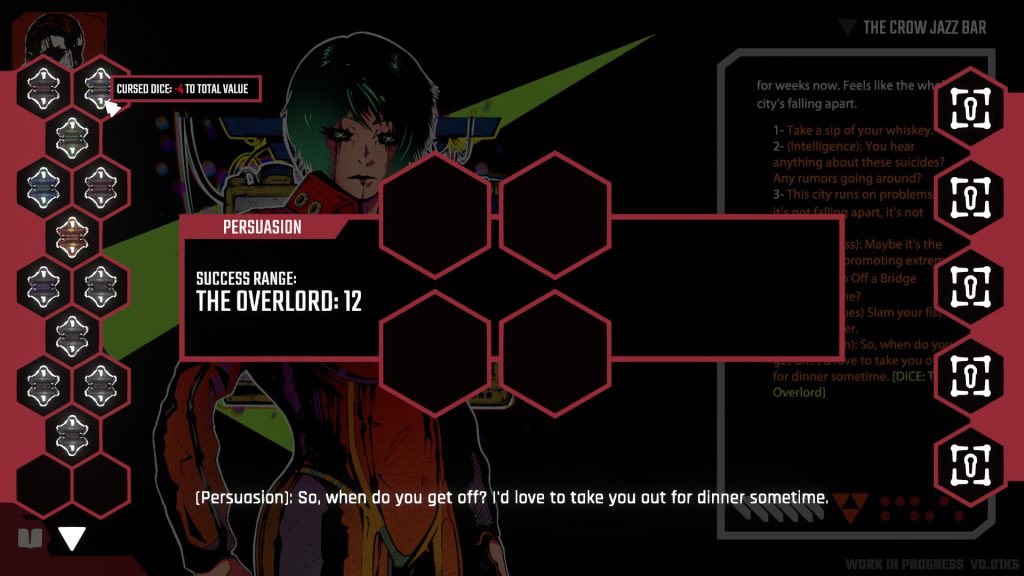
The description of dice becoming bullets, bribes, and lifelines in the same session captures what dice-as-resource design produces: a single pool of limited units that must serve multiple competing demands. Do you spend dice on a conversation that might yield information, or preserve them for a physical confrontation that might be unavoidable? Do you bribe your way past a checkpoint or attempt to talk through it?
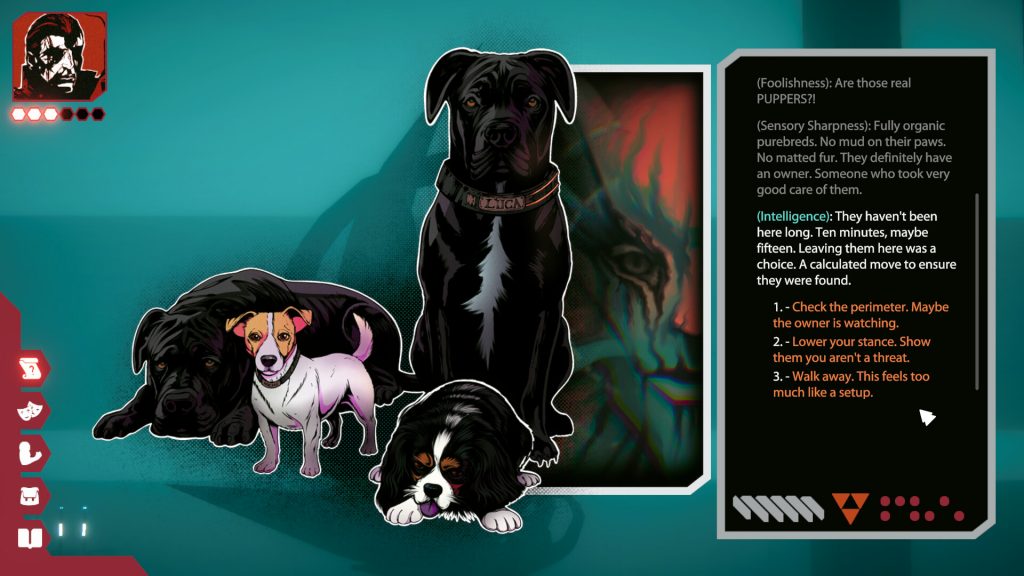
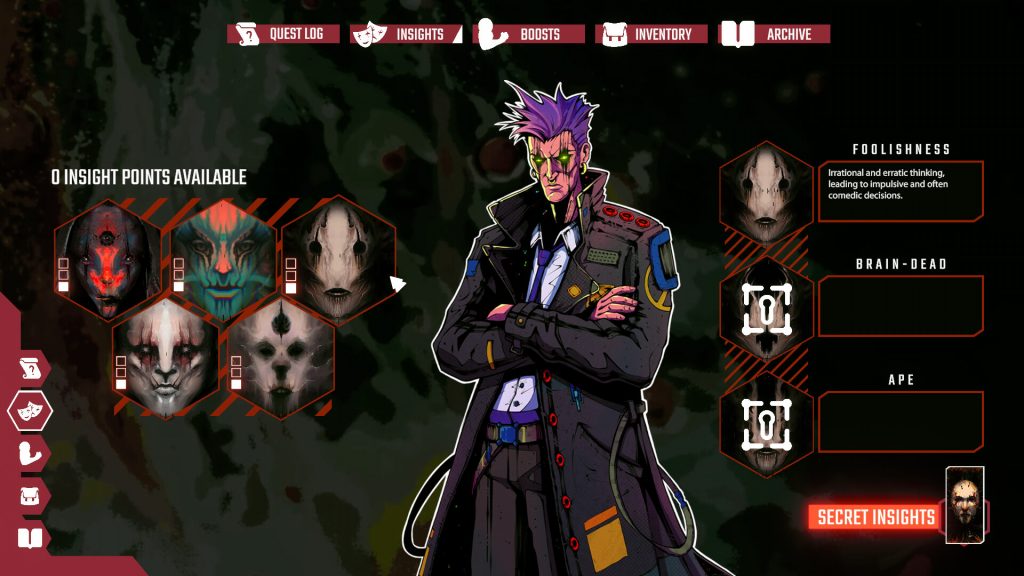
The dice also structure character development: gathering dice through exploration and spending them builds Howard’s personality traits and capabilities. The three internal dispositions that influence dialogue choices — foolishness, intelligence, virtue — create a character system where who Howard becomes is determined by how you’ve spent his dice across the game, not by a pre-game creation screen. This is the Disco Elysium influence most visible: character emerges through play rather than preceding it.
The dice replenishment limitation that GamingBoulevard identified as a weakness is a real design tension. Resource games live or die on whether players feel their choices meaningfully determine outcomes or whether running dry leaves them stranded. If dice can’t be recovered through play decisions at sufficient rates, the resource management becomes anxiety-inducing rather than engaging — a problem Citizen Sleeper‘s successive updates addressed through careful balance work. Whether Metaphor Games has calibrated Celestial Return‘s dice economy correctly will be one of the primary evaluation points as the player base grows beyond early adopters.
The Berserk-to-Cyberpunk Visual Synthesis
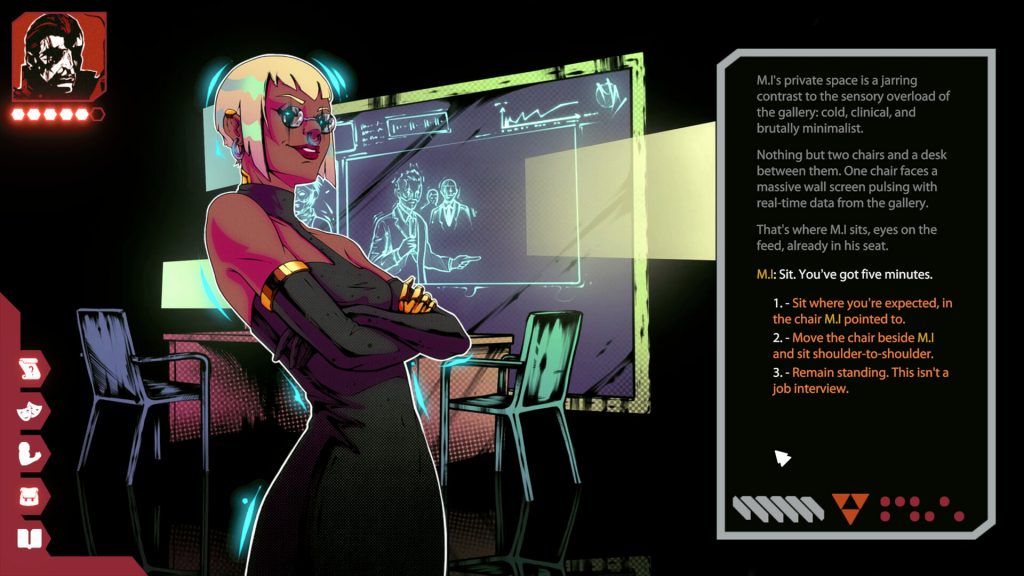
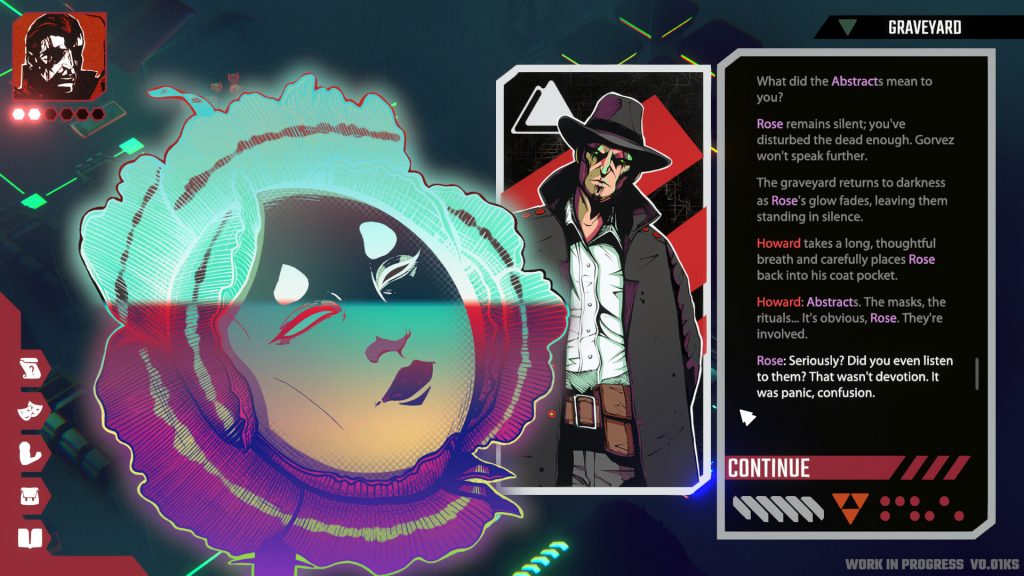
The specific combination of Japanese manga’s linework precision with American comics’ rougher expressiveness that the game’s visual description identifies produces a specific aesthetic that neither tradition alone achieves. Berserk’s influence is visible in the willingness to render ugliness and corruption with the same care as beauty — Kentaro Miura’s work depicted extraordinary violence and cosmic horror through extremely precise artistic craft, which produces a different effect than either the abstraction of graphic violence or its photorealistic rendering.
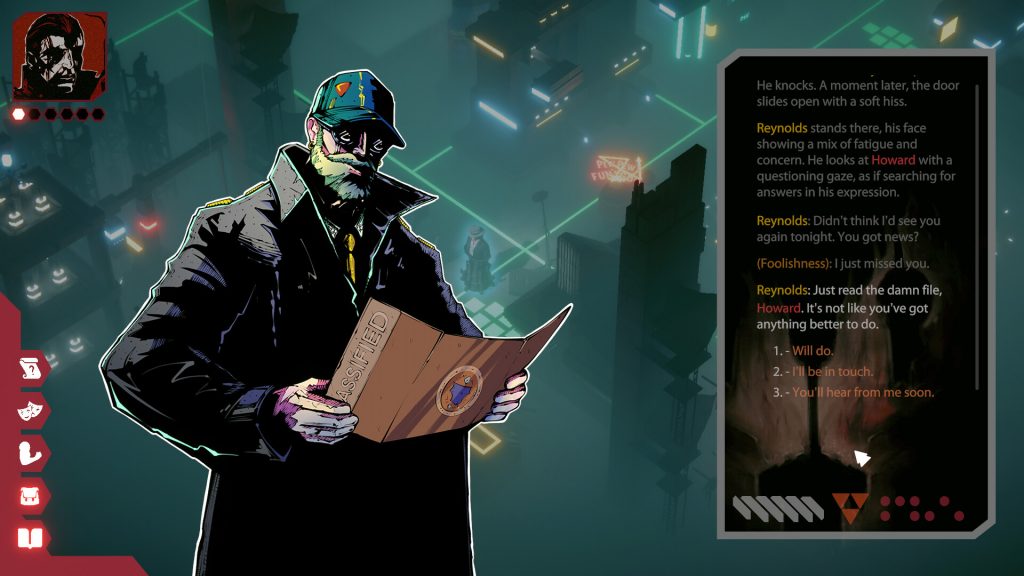
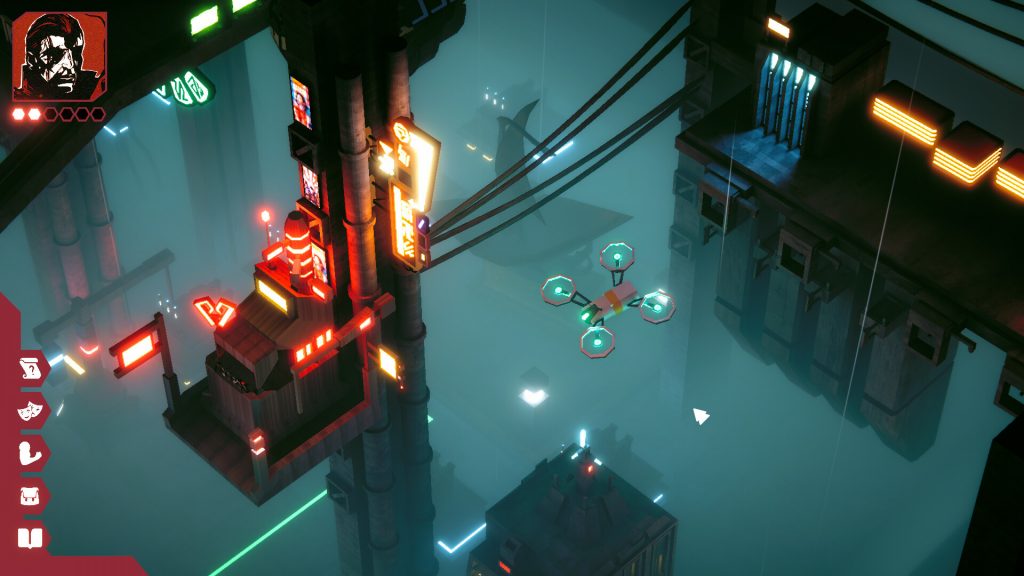
Applied to cyberpunk — a genre that has developed its own visual vocabulary of neon, rain, chrome, and darkness — the manga-comics hybrid brings character expressiveness that photorealistic or stylized-3D cyberpunk sometimes lacks. Noir characters need faces that communicate their damage; Howard as a fallen detective in a city of cosmological corruption needs a visual register that makes his deterioration legible.
The talking rose companion is the deliberately absurd element in this serious aesthetic register — a tonally dissonant detail that suggests the game has a dark comedy awareness alongside its grimdark ambitions. The best Berserk-adjacent works understand that cosmic horror and sardonic humor can coexist; the rose implies Celestial Return may be operating in that territory.
The TTRPG-to-Digital Translation
Metaphor Games existing as the digital arm of Metis Creative, an award-winning TTRPG studio, provides specific creative advantages that pure video game studios lack. TTRPG design is fundamentally about creating systems that generate interesting stories from player decisions rather than directing predetermined narratives — the dice pool management, the disposition system, the character-building-through-play philosophy are all deeply TTRPG in origin.
The translation challenge is that TTRPG play happens in social contexts with human game masters who adapt to player decisions in real time; digital games must anticipate the branching space players will explore and pre-author responses to it. The reputation that Disco Elysium and Citizen Sleeper built demonstrates that this translation is achievable, but it requires writing quality and branching architecture that matches the ambition. The early reviews’ specific praise for “distinctive writing” and “personality” suggests Metaphor Games’ TTRPG background is producing text that doesn’t feel like functional placeholder content.
The Netherveil City World
A city where corpses reanimate and corruption extends from street level to cosmological horror is a specific kind of world that noir detective fiction is particularly well-suited to explore. Noir’s DNA is the investigator who pursues truth through a world that punishes truth-seeking — the genre’s formal convention of the hardboiled detective encountering systemic corruption translates to Celestial Return‘s literal corruption of reality itself.
The “decayed megacorporations and cosmic horror” world description positions Netherveil City in the Lovecraftian-cyberpunk territory where capitalist infrastructure and existential threat operate at the same scale. The investigator pursuing a conspiracy discovers not just human corruption but the deeper wrongness underlying it — a narrative structure that gives detective fiction the stakes it sometimes lacks when the conspiracy is merely human.
Howard’s specific characterization — fallen, operating with stolen tools (the dice), accompanied by something absurd (the rose) — places him in the detective fiction tradition of protagonists who are already compromised at the story’s start. His investigation of Netherveil’s corruption is simultaneously an investigation of his own situation.
The Launch Context
The December Kickstarter to July launch timeline — approximately seven months — is notably fast for a narrative RPG with original artwork, written dialogue, music, and dice system design at Celestial Return‘s scope. The May delay suggests the initial timeline was too optimistic rather than the development pace being exceptional; the additional time produced a launch-state product that’s earning 87% positive reviews.
The IGN Fan Fest trailer appearance and the console Q1 2027 target indicate the publishing partnership with Shoreline Games is providing platform access that indie studios typically can’t arrange independently. Console releases for narrative RPGs significantly expand potential audience reach, and the Q1 2027 target gives the PC version approximately two quarters of market before the console version expands the player base.
Who This Is For
Strong fit for: Disco Elysium players who want a different setting with similar character-interiority RPG mechanics; Citizen Sleeper fans who want dice-as-resource management in a cyberpunk detective context; Berserk and Akira readers who want their aesthetic influences in interactive form; noir detective fiction enthusiasts who want RPG systems supporting investigation; cyberpunk visual style appreciators who want something other than mainstream AAA aesthetics; TTRPG players who want digital translations of tabletop narrative design philosophy.
Cautious fit for: players who want robust combat systems alongside narrative choice; anyone who found Citizen Sleeper‘s dice management frustrating rather than engaging; players who want photorealistic or pixel art over the manga-comics hybrid aesthetic.
Less ideal for: players who dislike reading-heavy RPGs; anyone seeking action-focused gameplay; players who want clear mechanical feedback over narrative ambiguity.
What to Watch For
The dice economy balance is the primary post-launch evaluation point. The 87% positive launch rating is strong but the dice replenishment concern that reviewers have identified needs to be addressed through either balance updates or the player community finding resource accumulation strategies that the early reviewers missed.
Console availability in Q1 2027 will expand the audience for a narrative RPG significantly — this genre tends to find larger console audiences than the PC indie space alone provides.
The Takeaway
Celestial Return is a specific kind of rare thing: a narrative RPG that has been built by people who understand tabletop RPG design from the inside and are applying that understanding to a digital medium with specific visual and tonal ambitions (Berserk’s precise darkness, Akira’s urban scope, Blade Runner’s atmosphere). The dice-as-resource system, the character-building-through-play philosophy, and the cosmic-horror-meets-noir-detective premise give the game a design identity that doesn’t feel assembled from genre conventions.
The 87% positive launch rating, the critical praise for distinctive writing and atmosphere, and the specific pedigree of the creative references all suggest a project that is achieving what it set out to achieve. Whether the dice economy balance holds up across the full player base and whether the writing sustains quality across its full scope are the remaining evaluation questions.
Netherveil City is waiting. The dice are already burning through faster than Howard would like. The rose has opinions about everything. And somewhere in the corruption, there’s a truth that the city has been trying very hard to keep buried.
$14.99 with the launch discount. The investigation starts July 14.
Information regarding ‘Celestial Return’
| item | detail |
|---|---|
| Developer | Metaphor Games (Istanbul, Turkey, under Metis Creative) |
| Publisher | Shoreline Games |
| Genre | Dice-based narrative RPG |
| Release platform | PC (Steam) and consoles (PS, Xbox, Nintendo) are scheduled for the first quarter of 2027. |
| Release date | July 14, 2026 |
| price | $14.99 (20% launch discount) |
| Demo evaluation | Very positive (87% positive, based on 62 cases) |
| Development Background | Kickstarter launching in December 2025, IGN Fanfest trailer released |
| Steam Page | Shortcut |