Harebrained Schemes has a specific place in the RPG community’s affection. The Shadowrun trilogy — Returns (2013), Dragonfall (2014), Hong Kong (2015) — demonstrated that isometric RPGs with strong writing, genuine cyberpunk world-building, and tactical combat could find substantial audiences when the creative vision was clear and the execution matched the ambition. BATTLETECH (2018) extended the studio’s strategic depth credibility into a different genre. Then came the Paradox acquisition, the restructuring, Lamplighters League‘s commercial failure, and the studio’s 2024 return to independence.
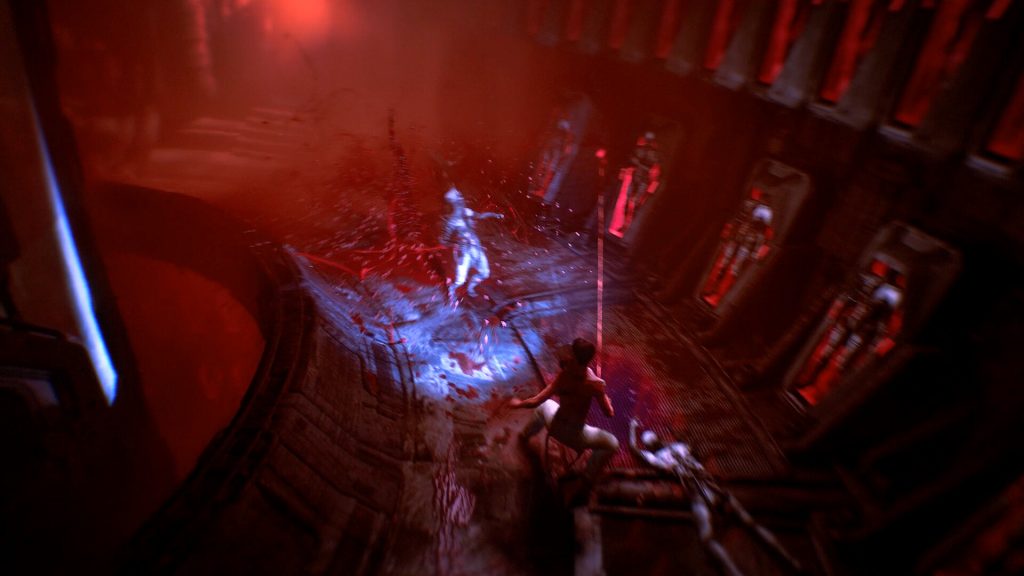
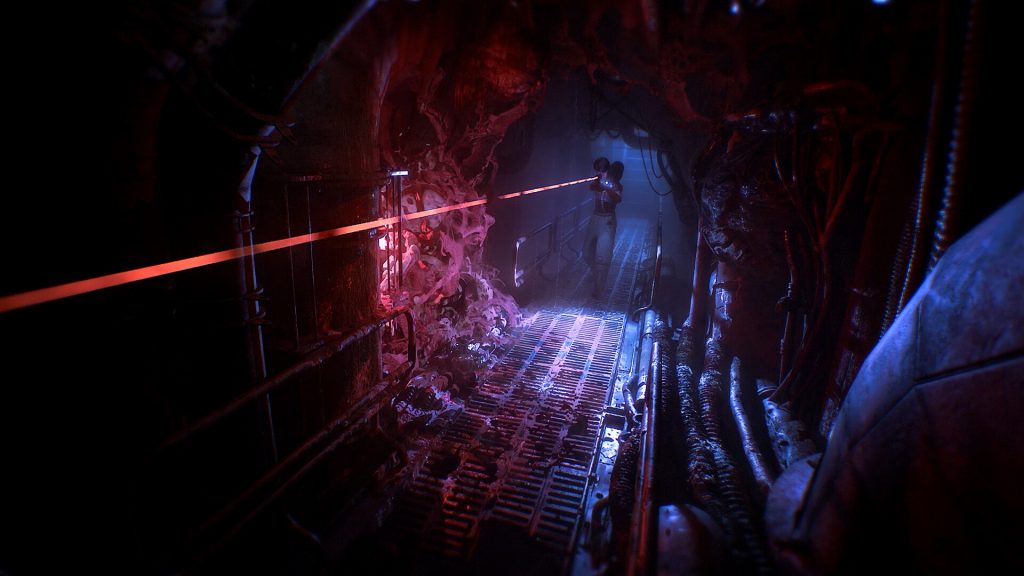
GRAFT is the first game Harebrained Schemes has announced as an independent studio. The story trailer revealed at Convergence Games Showcase 2026 on July 17 introduces both the setting — the Arc, a dying space station of vast scale — and the mechanic that defines the game’s identity: the Graft system, which lets players implant body parts from fallen enemies and discovered sources to gain their abilities, their weapons, and fragments of their memories.
No release date has been announced. The game is accepting wishlists on Steam and the Epic Games Store. What’s visible now is a studio announcement that this is where they’re going, and a community that has been waiting since the independence announcement to find out what Harebrained Schemes builds when it answers only to itself.
The Graft System
The body implantation mechanic is doing more than providing a progression system — it’s posing a philosophical question that the game seems genuinely interested in exploring rather than using as window dressing.
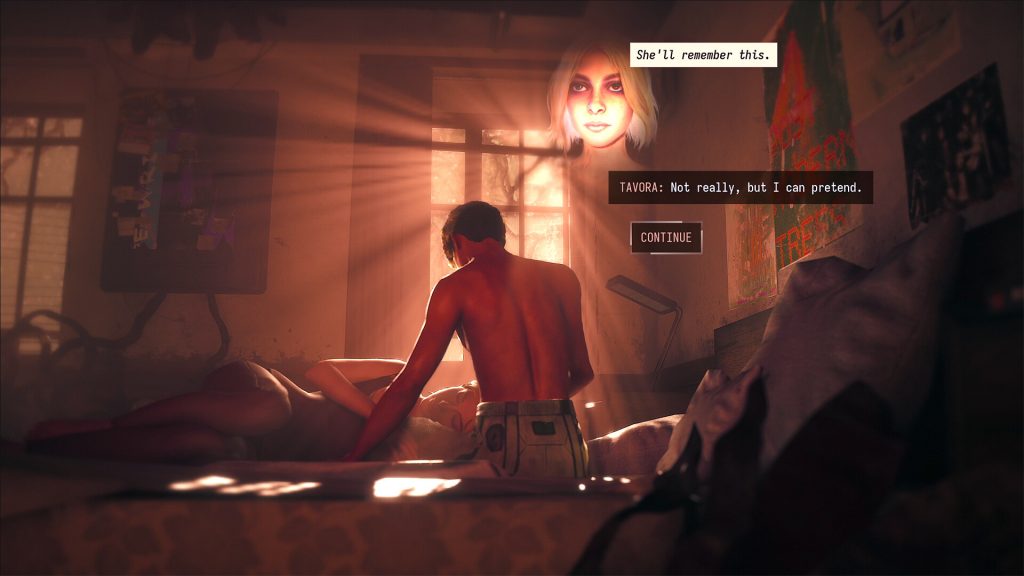
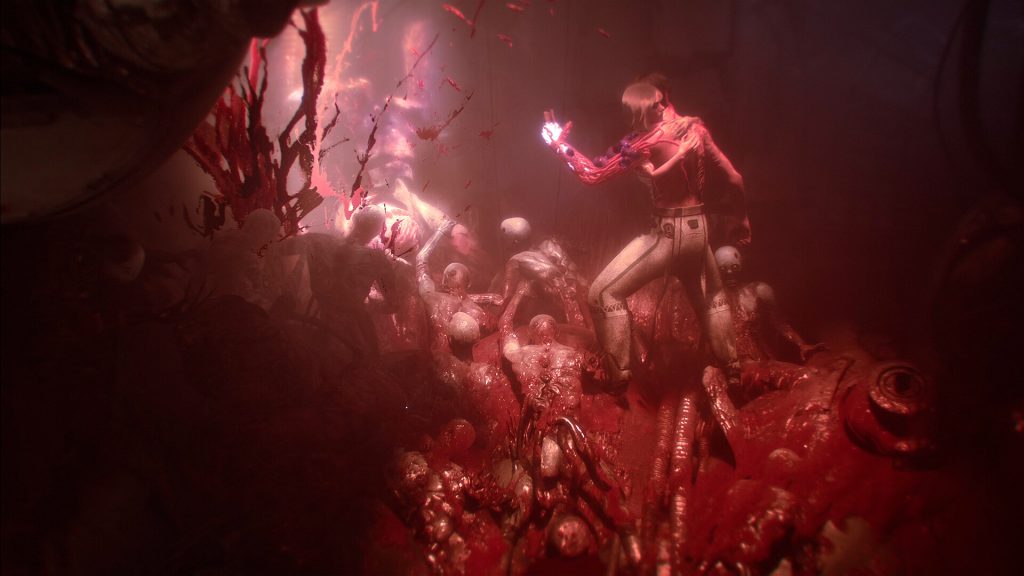
The arm or organ that becomes a weapon after implantation is the mechanical layer. The stranger’s memories and emotions that arrive with it are the philosophical layer. The character who grafts an enemy’s arm doesn’t just gain that arm’s physical capabilities; they gain the experiential residue of whoever that arm belonged to — grief for people never met, violent impulses without understood origin, emotional states that don’t belong to the player character’s own psychology. The implanted capabilities come with the cognitive contamination of prior ownership.
This creates a genuinely interesting tension between power acquisition and identity coherence. Standard RPG progression asks, “What abilities do I want?” GRAFT adds “what am I willing to become to have them?” — where “becoming” means something more literal than metaphorical. Each graft makes the character more capable and less purely themselves, accumulating fragments of other people’s inner lives.
The Ship of Theseus reference in the game’s materials isn’t decorative. That paradox — at what point does a ship whose parts have all been replaced become a different ship? — maps directly onto GRAFT‘s progression structure. At some point in the game, the player character may be more accumulated than their original self. Whether this is loss, transformation, or something more ambiguous is presumably what the narrative is exploring.
This thematic ambition is exactly what you’d expect from Harebrained Schemes. The Shadowrun trilogy was praised not for its combat systems but for its writing — the specific quality of its world-building, character work, and ethical questions embedded in faction choices. GRAFT is operating in a different genre but with the same apparent interest in using game mechanics to pose meaningful questions rather than merely generate satisfying feedback loops.
The Arc as Setting
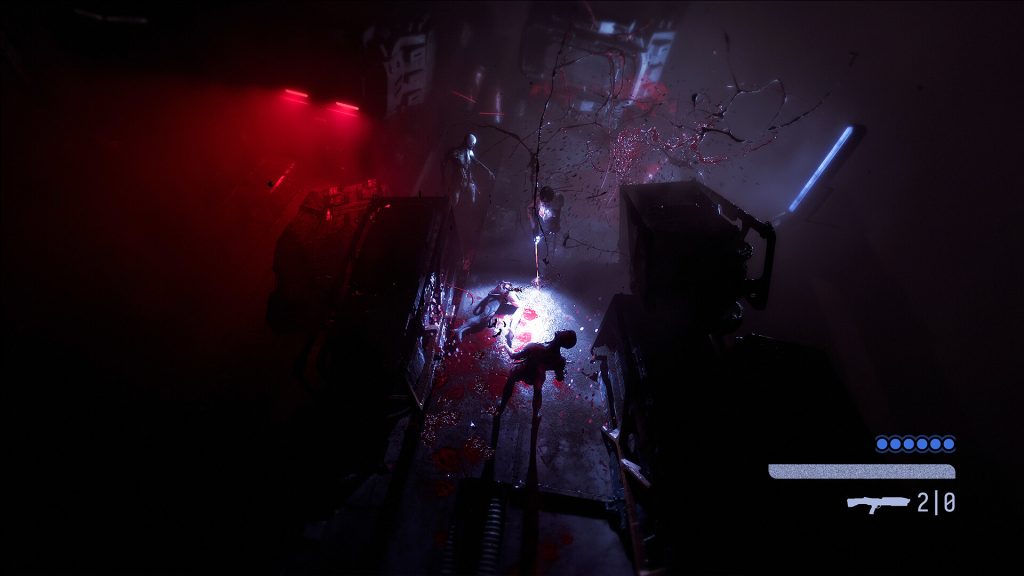
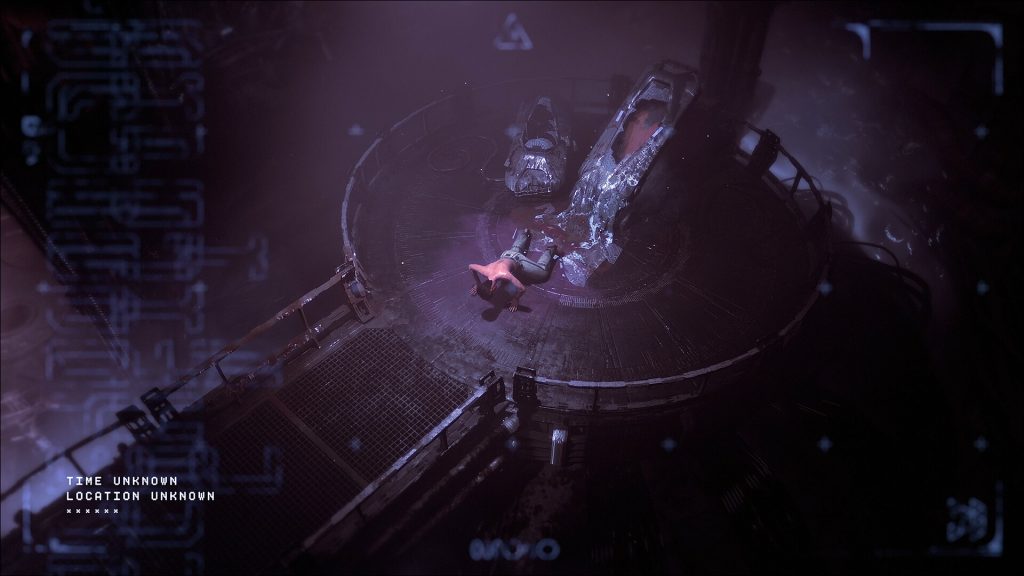
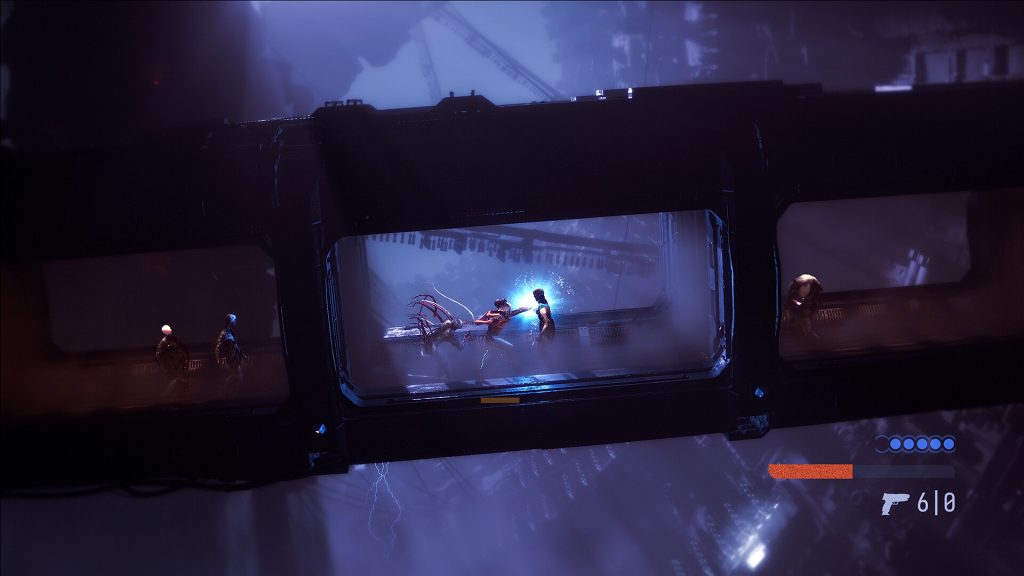
A dying space station of enormous scale is a specific kind of setting with specific narrative and mechanical affordances. The Arc isn’t just a location; it’s a protagonist of sorts — a structure that is actively deteriorating, whose spaces are “endlessly mutating,” whose original purpose and population have been replaced by whatever the catastrophe left behind.
Dying space stations in science fiction carry a specific aesthetic tradition: Dead Space‘s Ishimura, System Shock‘s Citadel, Alien‘s Nostromo in extended form. The tradition involves isolation, the specific claustrophobia of enclosed spaces that can become traps, the horror of systems that were designed to sustain life now operating outside their designed parameters. GRAFT’s Arc fits this tradition while adding the specific RPG element of surviving other humans alongside the environmental and creature threats.
The “ancient test subjects, grotesque monsters, and AI henchmen maddened by the catastrophe” enemy taxonomy reflects how space station horror works: the threats are products of whatever went wrong, human and non-human alike, contaminated or transformed by the event that killed the Arc. The AI that turned is the specific cold threat; the transformed humans are the horror that asks what could happen to the player character.
The endlessly mutating spaces suggest procedural or semi-procedural level design — a station whose layout changes prevents the spatial memorization that makes static environments feel safe after multiple visits. If the Arc reconfigures itself, each trip through familiar-seeming corridors might lead somewhere unexpected, maintaining the disorientation that survival horror depends on.
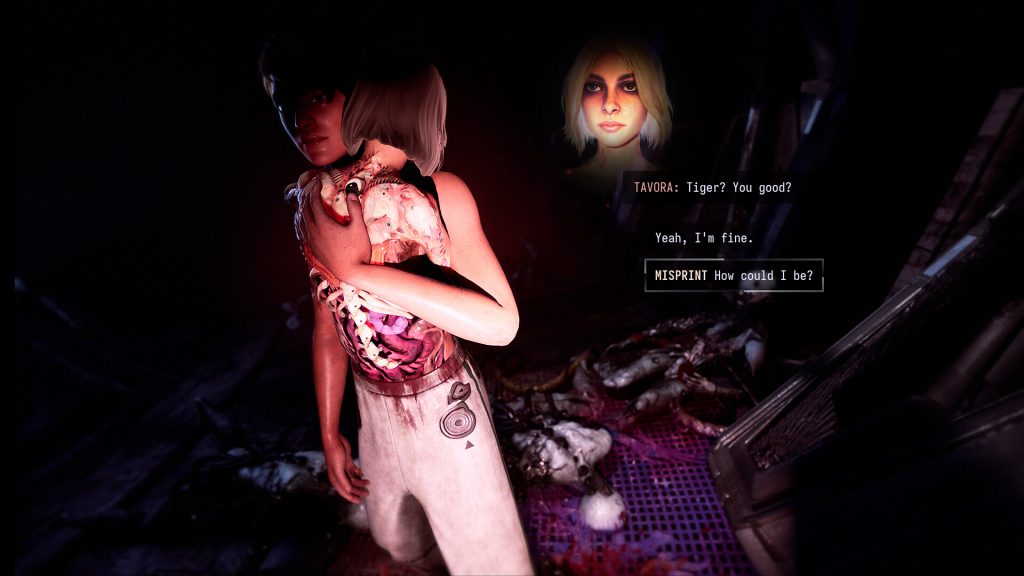
The Survivor Relationship System
The choice-driven narrative with survivor relationships is the Shadowrun trilogy’s design language applied to survival horror’s social dynamics. In the Shadowrun games, companion relationships and faction choices shaped narrative outcomes and created genuine emotional investment in character fates. GRAFT appears to be bringing this design to a smaller, more intimate survivor community under extreme pressure.
The “every survivor has their own agenda and secrets, and any could become a traitor” design is the social paranoia layer that complements the body horror layer. External threats (monsters, the station, environmental hazards) require physical survival skills; internal threats (the people you’re surviving alongside) require social navigation and trust assessment. The player who optimizes for combat capability through grafting might accumulate memory fragments that make them less able to read the social dynamics that betray them.
This creates genuine design complexity: the same resource that makes the player more capable of surviving physical threats (the Graft system) potentially compromises their capacity for the social intelligence that surviving human threats requires. A character who has implanted enough foreign memories might find their judgment of other survivors clouded by emotional states that don’t correspond to anything about the current situation.
The “player is not exempt from betrayal” note in the game’s materials is interesting. Choice-driven narratives sometimes create a specific player identity as the moral compass among morally compromised NPCs; GRAFT seems to be positioning the player character as potentially morally compromised themselves — a character whose increasing biological alterations and memory contamination might make them as unpredictable to the survivor community as the survivors are to them.
The Genre Shift from Shadowrun to GRAFT
Harebrained Schemes built its reputation on a specific genre combination: isometric TTRPG-adapted RPGs with tactical turn-based combat, deep narrative, and strong systemic worldbuilding. GRAFT retains the isometric 3D perspective and the narrative ambition but shifts the genre register substantially — from tactical strategy RPG to survival horror.
This is a meaningful creative risk. The studio’s core audience values them for specific things (writing quality, narrative depth, systemic richness) that survive genre translation, but the combat feel, pacing, and tone of survival horror are significantly different from tactical RPG, and players who loved the Shadowrun trilogy for its combat might find the resource-scarce, tension-sustained survival horror engagement unfamiliar.
The risk is worth taking precisely because it signals what the studio is interested in building with creative freedom. A direct Shadowrun successor or another BATTLETECH-adjacent game would be safe but creatively static. GRAFT is Harebrained Schemes asking what they can do with their narrative and worldbuilding capabilities in a genre that creates different kinds of tension than tactical combat does — where the threat is constant and environmental rather than encounter-bounded and turn-based.
The Paradox chapter’s ending is the relevant context. Lamplighters League‘s commercial failure under Paradox’s publishing constraints apparently represented a version of Harebrained Schemes that wasn’t fully expressing their creative vision. The independence decision and the GRAFT announcement together suggest the studio has specific things they want to make that external publishing relationships weren’t enabling.
The Community’s Waiting
The community response to the Convergence Games Showcase 2026 trailer confirms what the studio’s reputation would predict: the GRAFT announcement is being received as a return worth celebrating, with specific praise for the art direction and atmosphere. “Trust the art direction” as a community response to Harebrained Schemes reflects their established visual credibility — the Shadowrun trilogy’s aesthetic was specific and consistent, and the GRAFT trailer appears to be doing something similar in a different register.
The survival with concerns note — “hoping they can do well again after the difficulties with Paradox” — is the community’s acknowledgment that the studio’s capability and the studio’s commercial situation have sometimes been in tension. GRAFT, as a self-published project, removes the commercial filter that shaped Lamplighters League; the question is whether that freedom produces the best version of what Harebrained Schemes can make, or whether the resources that a publisher provides are underwriting quality the studio can’t fully match independently.
Who This Is For
Strong fit for: Shadowrun trilogy fans who have been waiting for Harebrained Schemes’ next narrative-driven project; survival horror enthusiasts who want RPG depth alongside the genre’s tension — resource management, enemy encounters, environmental storytelling; players drawn to body horror that operates philosophically as well as viscerally; followers of the studio’s post-independence trajectory who want to see what creative freedom produces; science fiction fans who appreciate the dying-space-station tradition and want isometric RPG engagement with it.
Cautious fit for: players who loved the Shadowrun trilogy specifically for its tactical turn-based combat and may find survival horror’s real-time tension a different kind of engagement; survival horror enthusiasts who prefer the genre’s console-standard over-the-shoulder presentation to isometric 3D; players who need confirmed release dates before investing emotional energy in anticipated games.
Less ideal for: players who specifically want tactical strategy over survival horror; anyone who finds body horror imagery uncomfortable regardless of philosophical framing; players seeking multiplayer options.
What to Watch For
The release date announcement will be the first major signal about GRAFT‘s development timeline. The trailer at Convergence Games Showcase 2026, without a release window, suggests either early-stage development or a studio carefully managing announcement timing. How Harebrained Schemes paces the information release — Early Access versus direct launch, development update frequency, demo availability — will reveal its publishing strategy as an independent studio.
The Graft system’s balance between power acquisition and identity coherence is the most interesting design question the game raises. If memory accumulation is purely atmospheric — a narrative flavor applied to mechanical progression — the system loses its philosophical weight. If it creates genuine psychological or systemic consequences that affect gameplay decisions, GRAFT achieves something that survival horror games rarely manage: a progression system that is also a moral and existential question.
The Takeaway
GRAFT is the first post-independence announcement from a studio whose history justifies attention — Harebrained Schemes has demonstrated over three Shadowrun games and BATTLETECH that they understand how to build RPG systems that serve narrative ambitions rather than existing independently from them. The body implantation mechanic, the Arc’s dying space station environment, and the survivor relationship system together describe a game that is using survival horror’s structural elements to pose questions about identity and trust that the genre usually doesn’t get to ask.
No release date. A story trailer. A wishlist is open on Steam and Epic. And a community that has been hoping this studio gets to make the game they actually want to make, under their own terms, without the constraints that produced Lamplighters League.
The Arc is dying. The grafts are available. Someone else’s arm, someone else’s memories, and the question of whether the person who walked into the Arc is still the person making decisions halfway through it.
Wishlist now. The story trailer is out. The release date is when it’s ready.
Information regarding ‘GRAFT’
| item | detail |
|---|---|
| Developer | Harebrained Schemes (Seattle, USA) |
| Publisher | Self-publishing (independent release) |
| Genre | Post-cyberpunk survival horror RPG |
| Release platform | PC (Steam, Epic Games Store) |
| Release date | Undetermined (Can be added to wishlist) |
| Developers’ previous work | Shadowrun Trilogy, BattleTech, Rampwriters League |
| core system | Graft-based ability enhancements, survival horror combat, relationship and choice-based narrative |
| Steam Page | Shortcut |
| Epic Games Page | Shortcut |