Ten years. That’s how long Stellar Jockeys have been building Brigador Killers. The original Brigador earned a devoted following through its isometric tactical destruction and grim corporate dystopia atmosphere. The sequel launches Early Access with 100,000 wishlists, a returning composer, and a structural ambition that significantly expands on the original formula — infantry combat, vehicle commandeering, extraction mechanics, base development, resource management, and a redesigned progression system.
The problem is that the demo earned 93% Very Positive, and the Early Access launch sits at 62% Mixed. That gap is the most important number in the game’s launch story, and it requires direct engagement.
What the Game Is
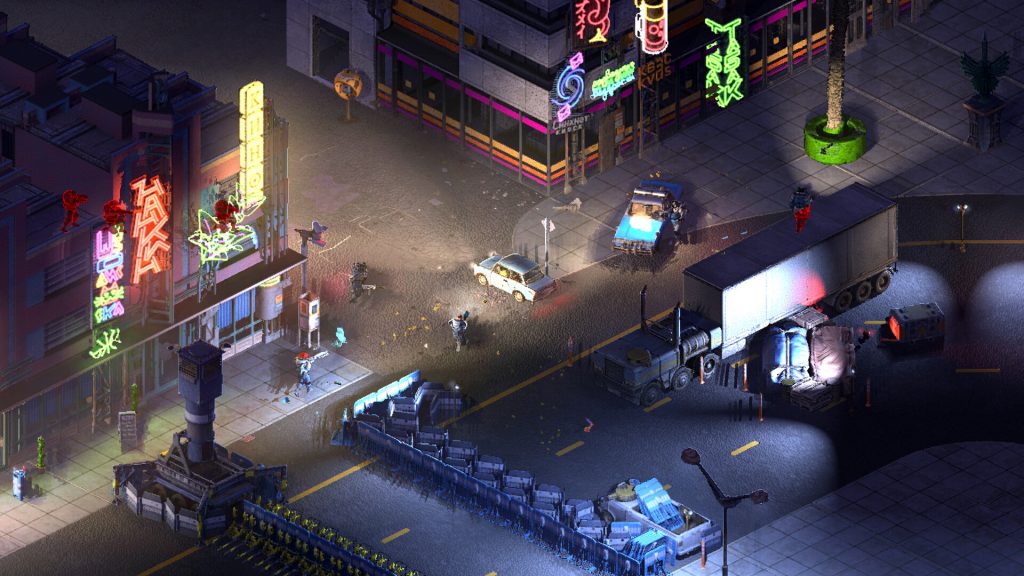
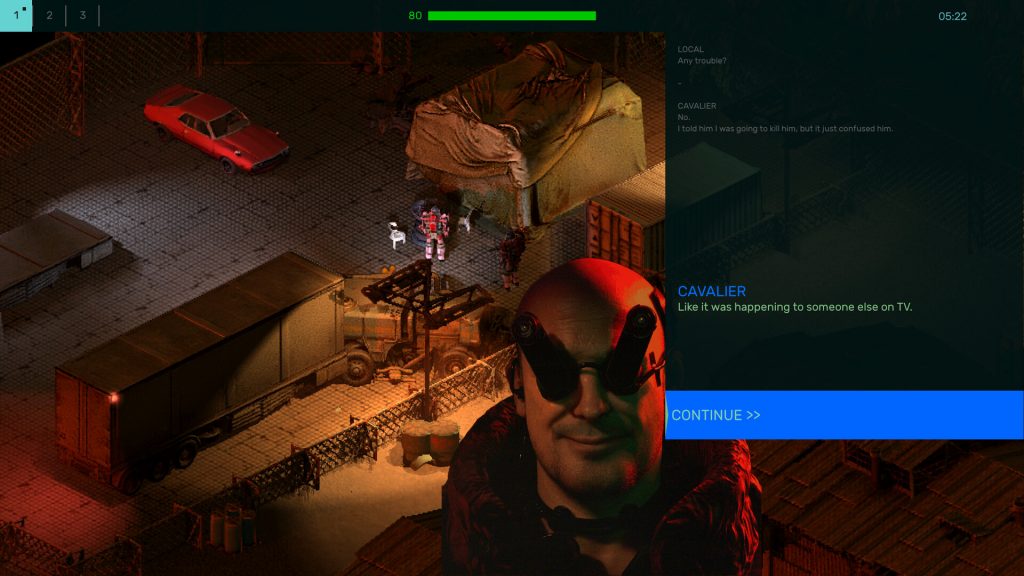
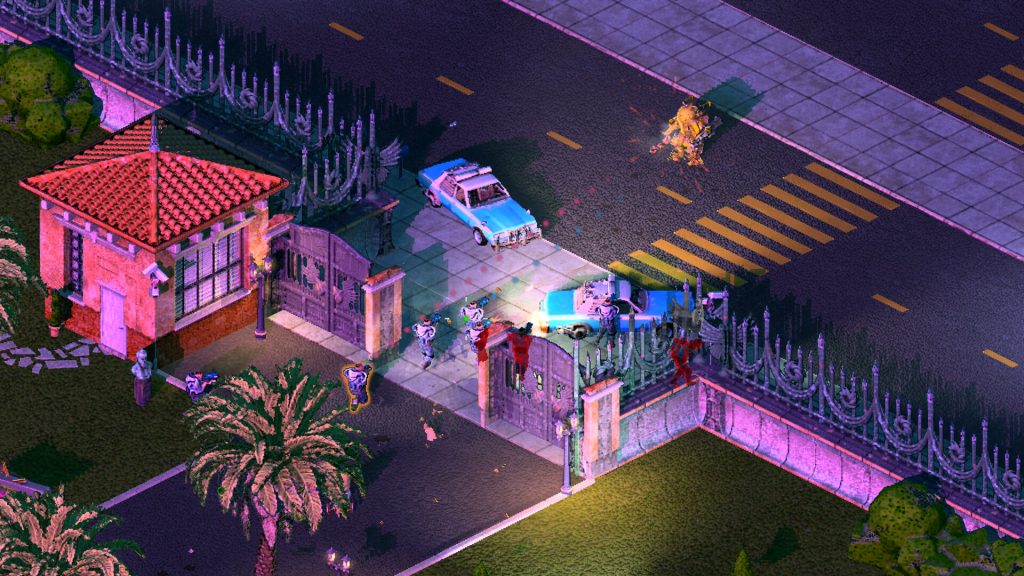
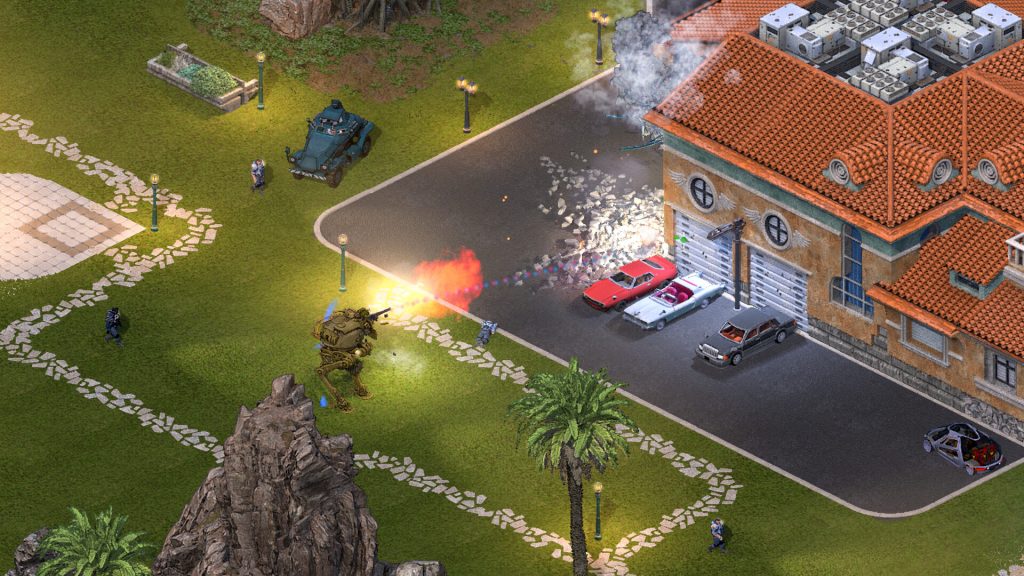
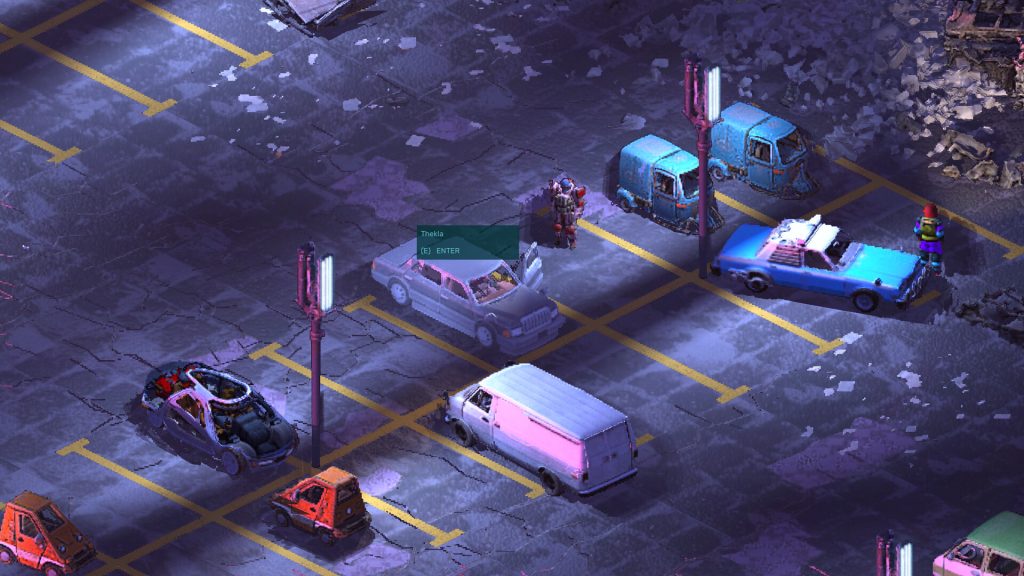
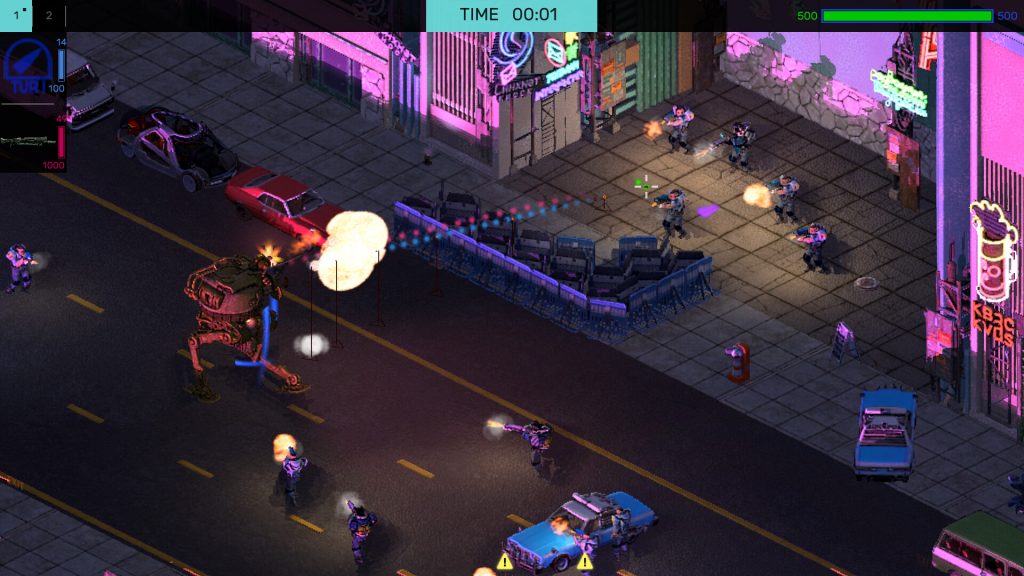
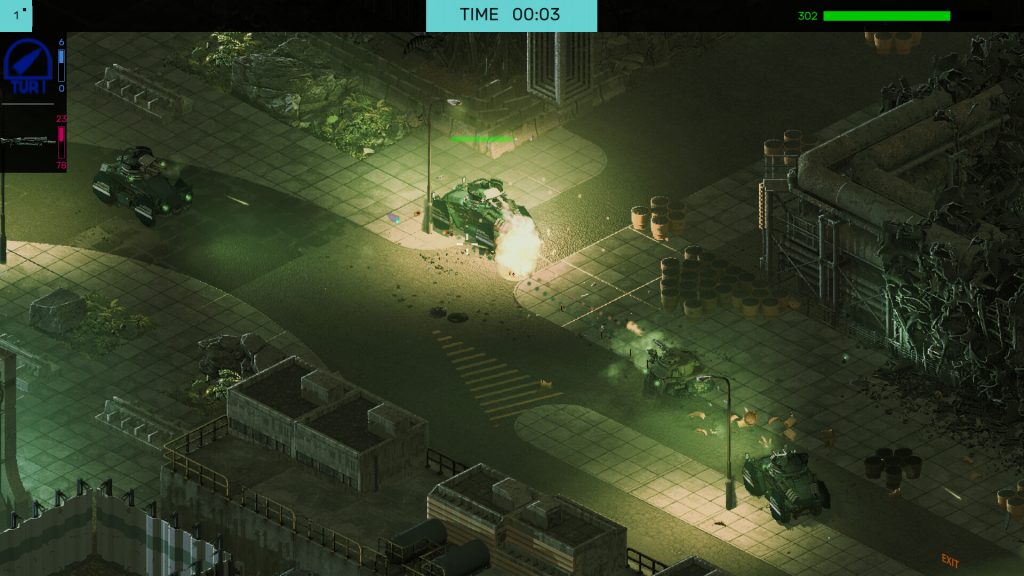
Mar Nosso is a planet under corporate occupation. Team Anchor is the rebel unit operating behind enemy lines. As a member, you fight on foot through diverse enemy engagements, commandeer or capture vehicles when the situation allows, and build out your arsenal and Angel Base between missions. The signature Brigador feeling — isometric tactical destruction with overwhelming firepower that reduces urban environments to rubble — is present and expanded.
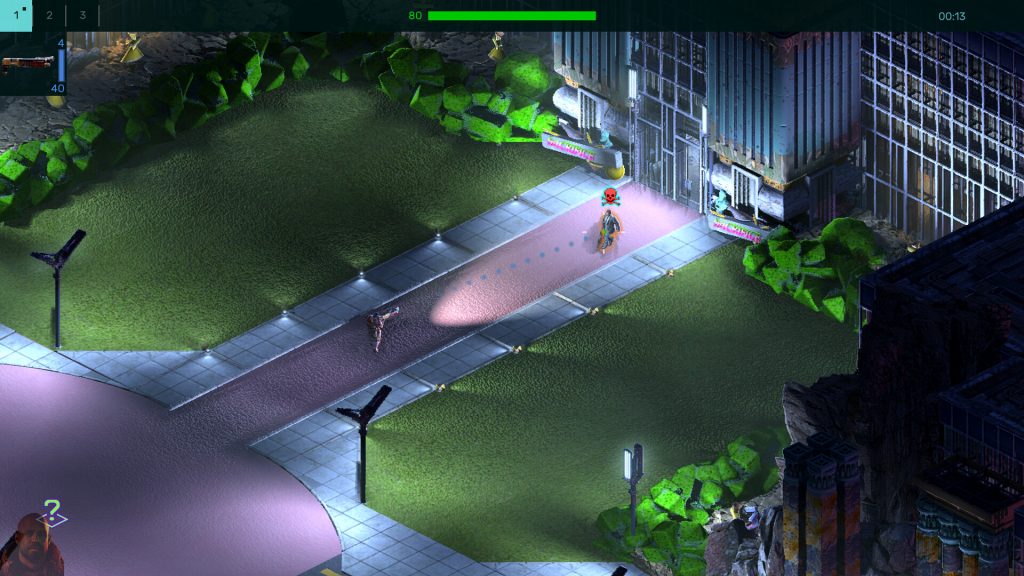
The infantry-to-vehicle switching is the most significant structural addition over the original. The original Brigador was vehicle-focused; adding on-foot combat as a core mechanic rather than a transitional state changes the game’s tactical vocabulary significantly. The moment-to-moment combat of a soldier navigating a firefight before commandeering a heavy vehicle and using it to clear the area the soldier alone couldn’t is the specific power fantasy the game is pursuing.
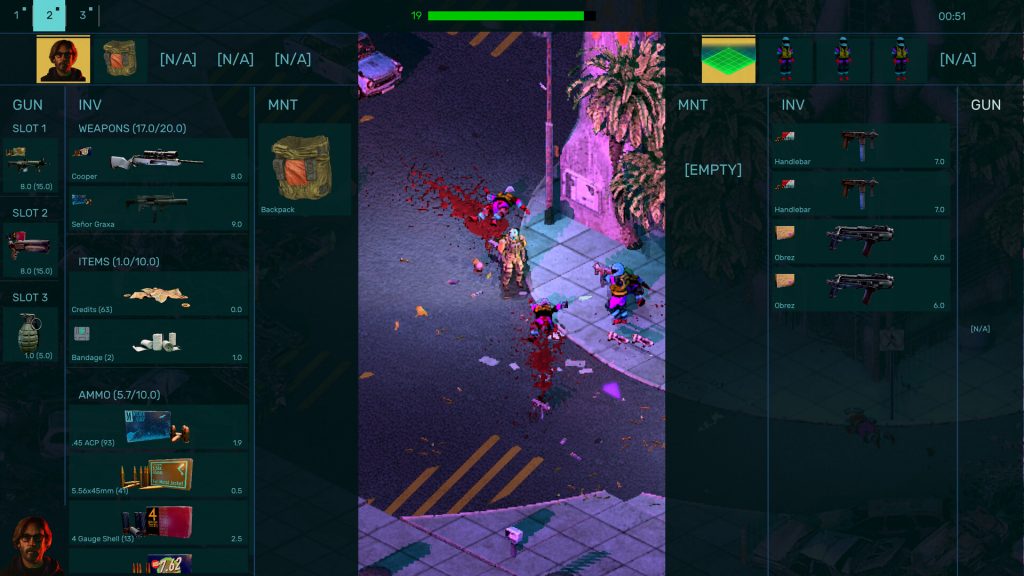
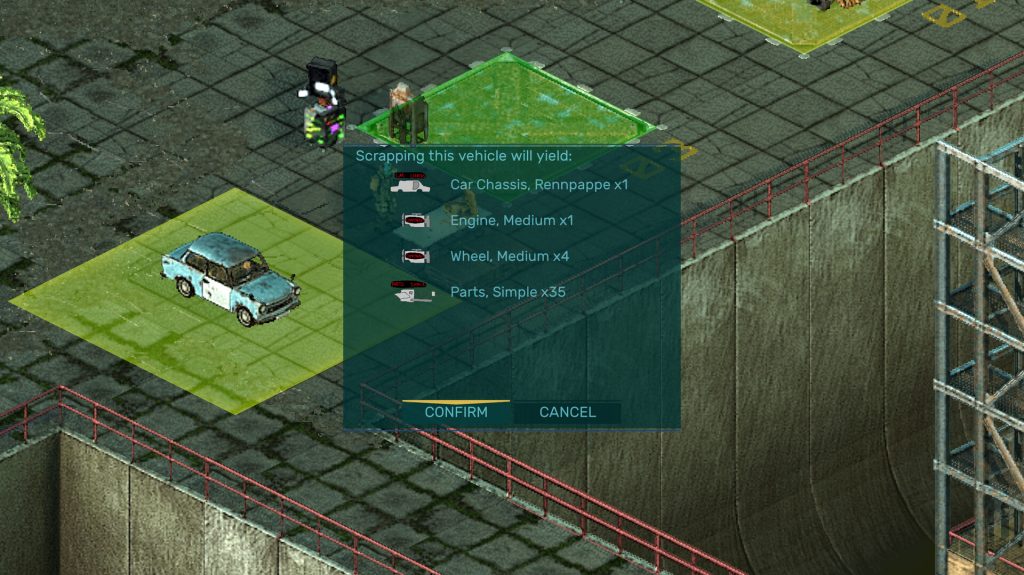
Extraction mechanics — limited inventory management, resource collection in hostile zones, the tension of deciding when to leave — sit alongside the tactical action. The base development between missions (Angel Base expansion, equipment crafting and upgrading) gives the sessions strategic continuity. Makeup and Vanity Set’s returning industrial soundtrack reinforces the corporate dystopia atmosphere that made the original’s aesthetic identity so distinct.
The 62% Problem
The 93%-to-62% rating drop from demo to Early Access is not best explained as “the community changed” or “Early Access audiences are harsher.” It’s explained by specific changes that the Early Access build made to the progression system that the demo didn’t have.
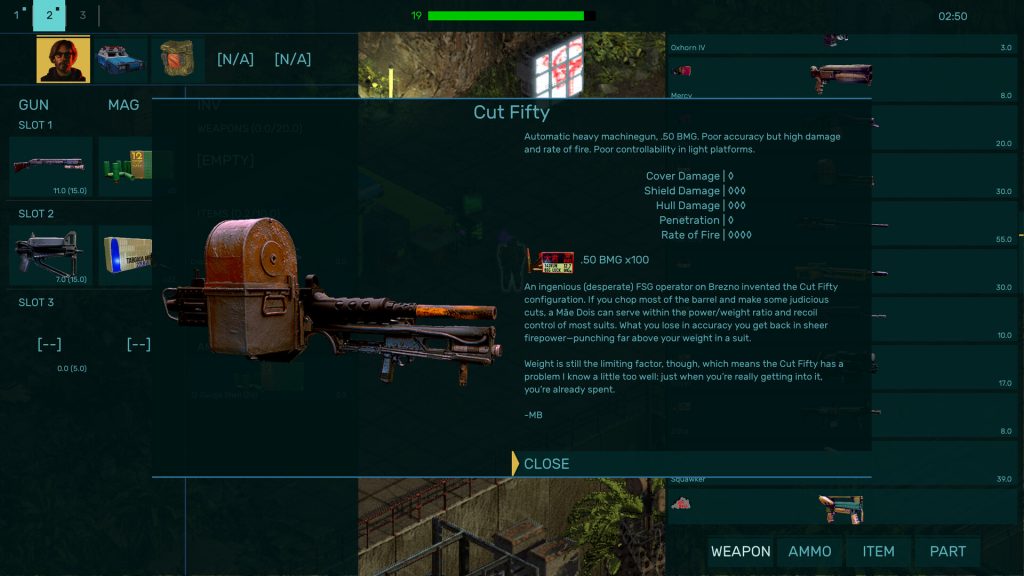
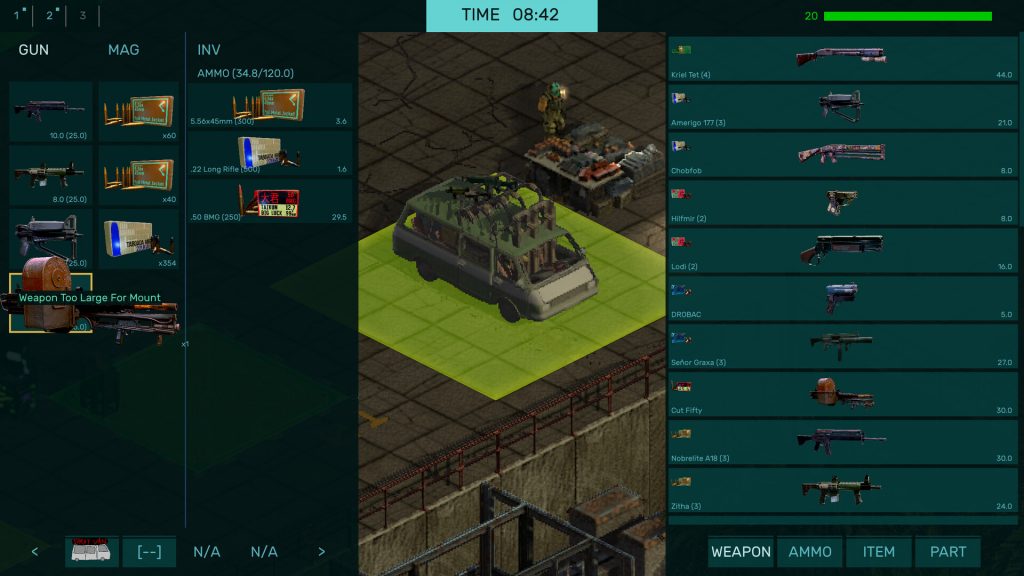
The Early Access version redesigned the equipment progression specifically to address a balance problem identified in earlier alpha and demo builds: players were getting access to mid-to-high-tier equipment too quickly, which undermined the growth curve and made early progression feel meaningless. The redesign requires clearing higher-difficulty missions to unlock better weapons, and vehicle access now requires completing initial Angel Base missions rather than being available from the start.
These changes are the correct direction for the design problem they’re addressing. A tactical game where powerful equipment is freely available from the beginning has no meaningful progression; the redesign creates the dependency relationship between mission completion and gear access that gives the progression structure weight.
The problem is that redesigning a system between the demo and Early Access produces exactly this rating outcome: players who tried the demo under the old system, liked it, and purchased the Early Access version expecting a similar experience now find a more restrictive version that doesn’t match their expectations. Their negative reviews reflect a genuine experience discrepancy between what they tried and what they purchased, even when the design change is an improvement.
The game that Stellar Jockeys shipped on August 20 is, by design intent, better balanced than the game most buyers tried in the demo. Whether it’s better balanced in execution — whether the redesigned progression curve actually creates satisfying difficulty rather than friction — is what the next several months of Early Access will determine.
The Long Development Context
Ten years for a sequel is an unusual development timeline that deserves honest examination. Stellar Jockeys is a small team for whom Brigador was itself a years-long labor. The sequel’s scope expansion — adding infantry combat, extraction mechanics, base building, and a redesigned mission structure to the original’s vehicle combat — is a genuine design ambition that explains some of the timeline. Whether the execution across all of these dimensions is ready for Early Access evaluation is the question that the 334 reviews are beginning to answer.
Game8’s positive assessment — that “even basic resource gathering missions have genuine weight thanks to the game’s relentlessly high-pressure atmosphere” — is the correct read of what Brigador‘s core qualities give to any activity that happens within them. The atmosphere does real work regardless of what the mission structure asks you to do.
Who This Is For
Strong fit for: Brigador series devotees who have been waiting for the sequel and understand Early Access as the beginning of a development relationship rather than a finished product evaluation; isometric tactical action fans who want the genre’s destructive satisfaction combined with extraction mechanics and progression depth; industrial dystopian SF atmosphere enthusiasts who respond to Makeup and Vanity Set’s soundtrack as a selling point in itself; players specifically willing to engage with a post-system-redesign build and provide feedback during the progression’s development.
Cautious fit for: players who tried the demo and want to evaluate whether the Early Access build matches that experience before purchasing (it currently doesn’t, by design); anyone who needs positive review consensus before buying; players who want the combat experience without the progression and resource management systems.
Less ideal for: players who dislike isometric perspective; anyone wanting cooperative multiplayer alongside the tactical action; players who require a complete game rather than an active Early Access development process.
The Takeaway
Brigador Killers has launched Early Access with a rating discrepancy that’s explained by a progression system redesign made between the demo and launch — a design improvement that created a mismatch for players who expected the demo experience. The underlying game has the atmospheric weight, the tactical destructive satisfaction, and the expanded mechanical ambition that ten years of development and 100,000 wishlists implied. The question the Early Access period needs to answer is whether the progression redesign produces the satisfying difficulty curve it’s aiming for, and whether the additional systems (infantry combat, extraction, base development) cohere into the experience Stellar Jockeys has been building toward.
The monthly development logs that Stellar Jockeys has committed to will be the most useful tracking tool for players watching the 62% Mixed rating and waiting to see where it goes.
Mar Nosso is under corporate occupation. Team Anchor is in position. The equipment progression is more demanding than the demo was. And ten years of development are waiting to prove themselves through the Early Access process.
Information regarding ‘Brigador Killers ‘
| item | detail |
|---|---|
| Developer | Stellar Jockeys (Chicago, USA) |
| Publisher | Stellar Jockeys |
| Genre | Isometric Action, Tactical Shooter, Extraction, Sci-Fi |
| platform | PC (Steam, GOG, Itch) |
| Release date | August 20, 2026 (Early Access, scheduled to run until at least the end of 2026) |
| Wishlist | Over 100,000 copies at the time of launch |
| language | English (at launch), French, German, Japanese, Russian, Chinese (Simplified/Traditional), and Spanish are scheduled to be added. |
| Reactions/Evaluations | Demo: 93% Positive (over 400) → Official Early Access: 62% Positive, ‘Mixed’ (334) |
| Steam Page | Shortcut |