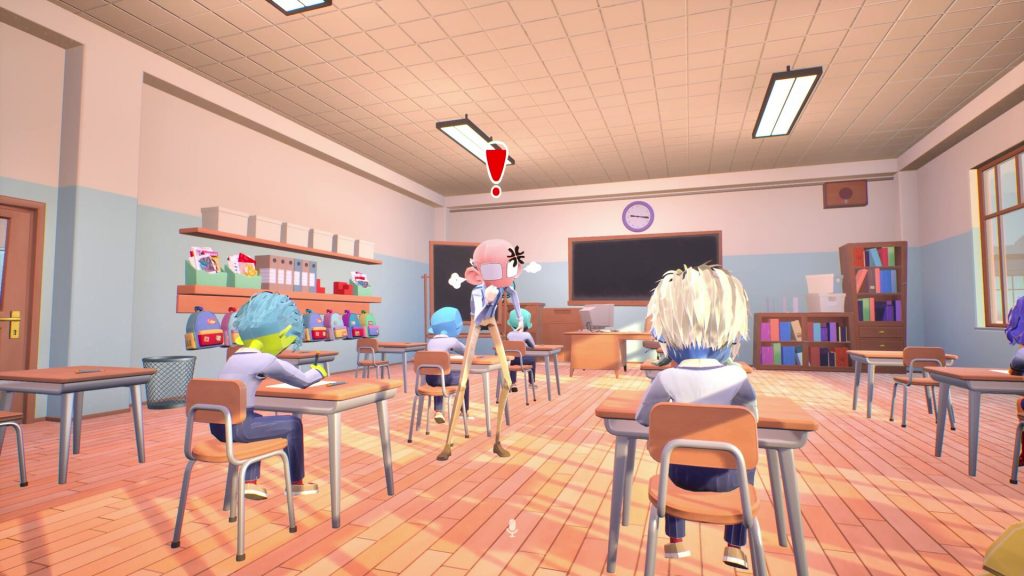
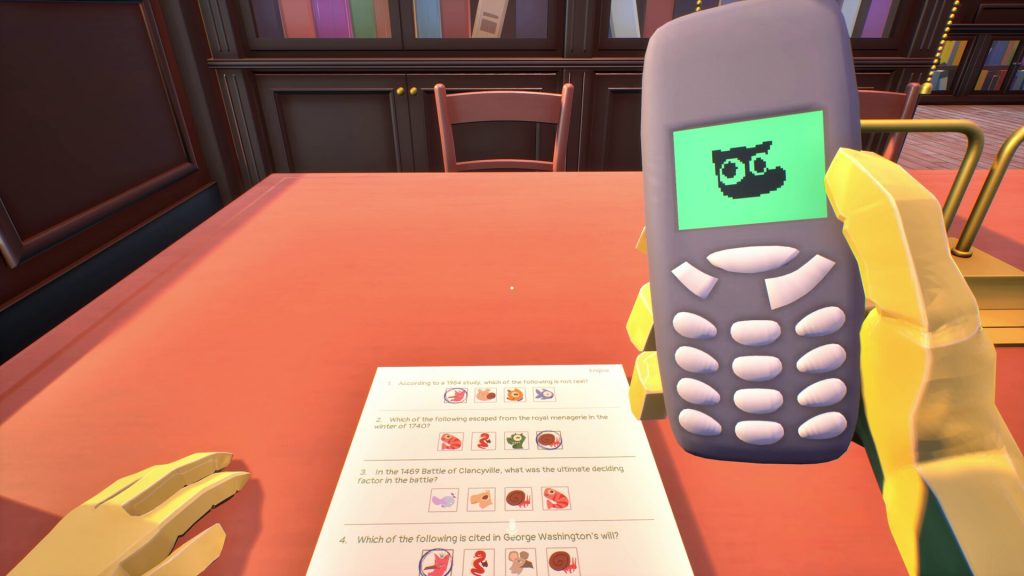
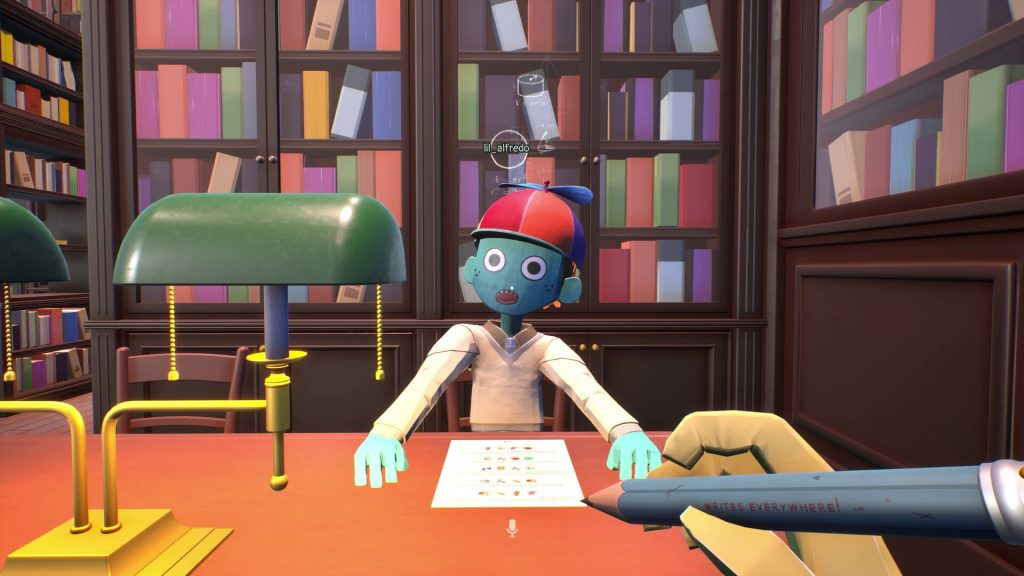
The concept: you and up to five friends have not studied. Finals are today. The invigilator is walking the aisles, listening for whispers. You have walkie-talkies, old mobile phones, binoculars, and the answers hidden in a textbook somewhere across the room.
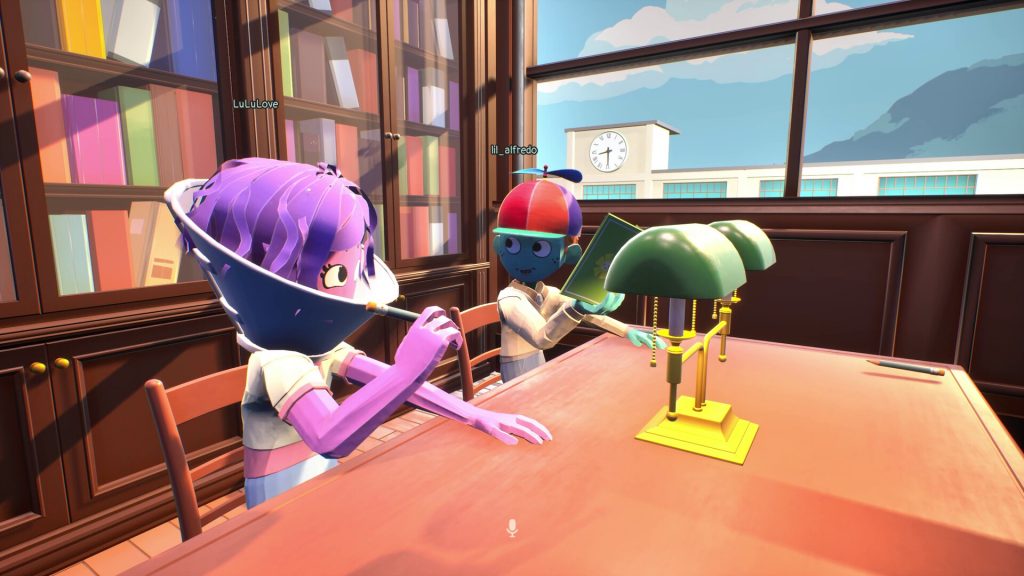
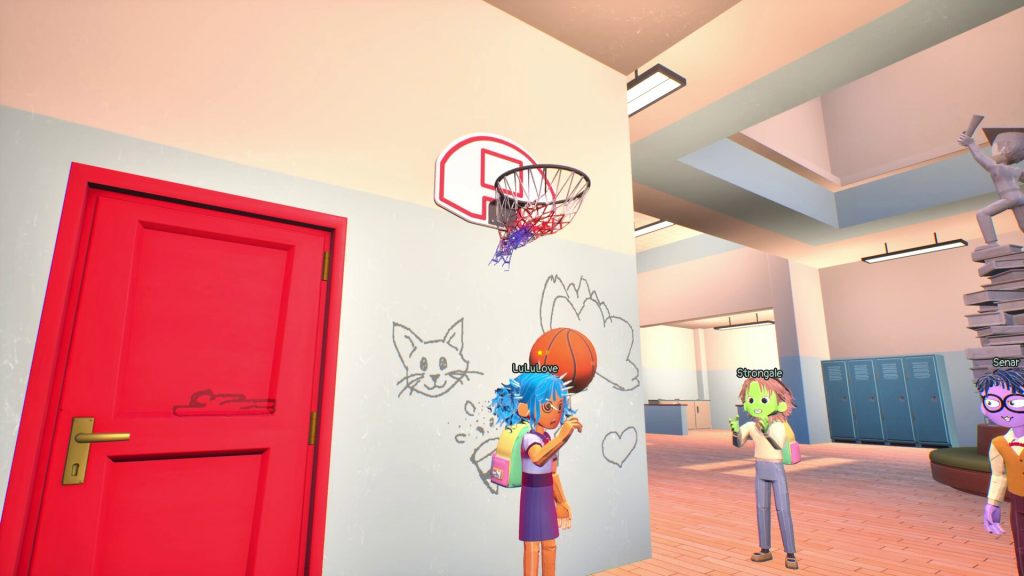
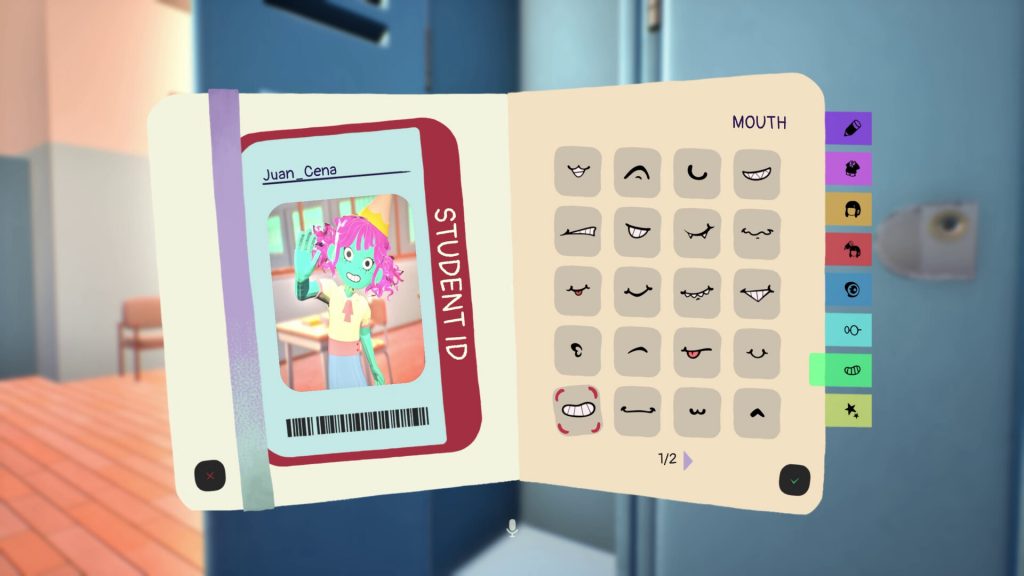
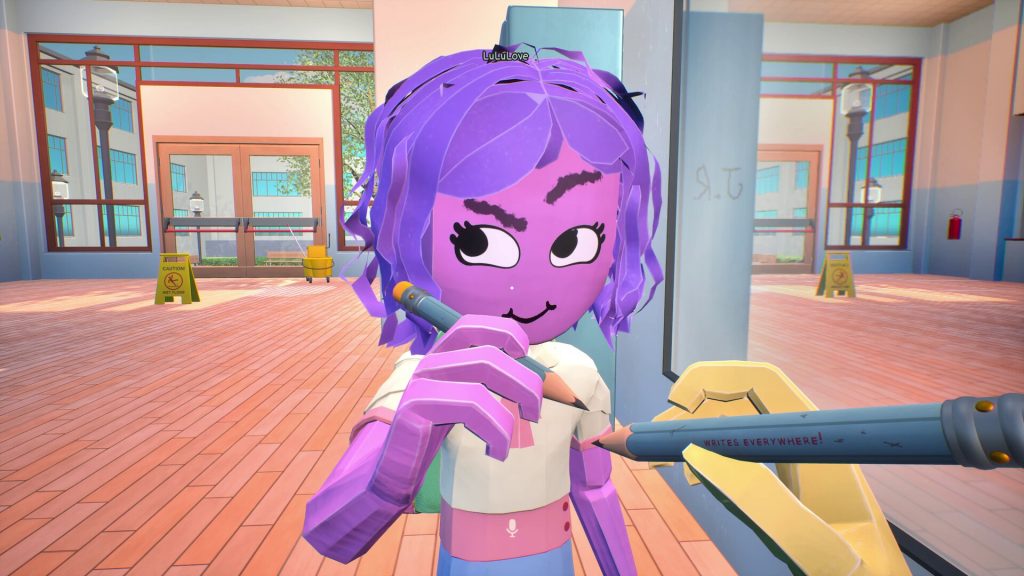
Finals Week from Studio Cimosa — the experimental sub-label of Italian developer DESTINYbit — has gone viral on social media within days of the announcement, before a price, specific release date, or detailed gameplay reveal exists. The Steam page is live. The trailer shows 90s-era analog cheating tools, students passing answers by writing on each other’s faces, and the “Cone of Shame” that gets clamped around players who are caught. H2 2026 is the release window.
The Design Premise
The International Center for Academic Integrity data point that Studio Cimosa cites — over 60% of university students have admitted to exam cheating — is the cultural universal that makes the concept immediately accessible regardless of nationality. Exam anxiety and the fantasy of beating the system through collective ingenuity are school experiences that cross geographic and cultural lines. The specific setting (final exams, a strict invigilator, the stakes of passing or failing) has the specific quality that great co-op premises have: everyone already understands what they’re supposed to do and why it matters.
The 90s analog tool set is the aesthetic choice that determines the game’s tone. Walkie-talkies, binoculars, and old mobile phones are both period-specific and absurdist — these are tools that predate the digital cheating methods that actually became prevalent, which makes them simultaneously nostalgic and comedic. Nobody is running an AI answer generator in Finals Week; they’re squinting through binoculars at a book across the room. The low-tech solutions to a low-stakes problem are the specific comedy the game is building.
The Stealth Co-op Structure
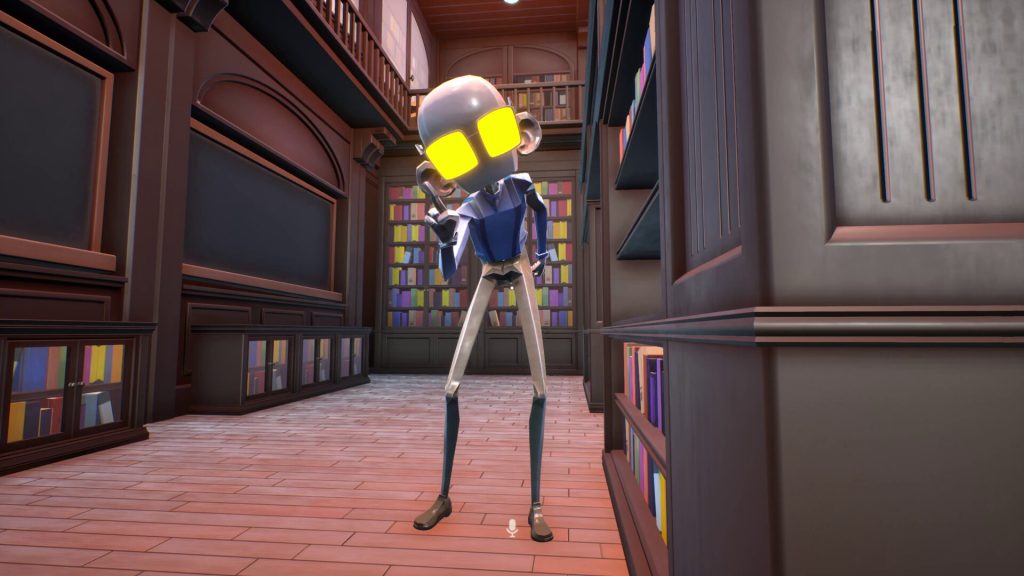
The invigilator, as the primary obstacle, is the stealth game’s antagonist translated into a classroom context. Moving when they’re not looking, communicating when they can’t hear, distributing information through the network of co-operating students while the authority figure tries to detect the network — this is the classic stealth co-op structure (Monaco, Clandestine, various heist games) applied to the exam room.
The escalating difficulty — harder exams with more intense surveillance — provides the progression structure that sustains engagement across sessions. Finding the answers, transmitting them reliably, and not getting caught all become harder simultaneously as the game progresses.
The punishment for getting caught — the Cone of Shame and other penalty tools — is the social consequence mechanic that distinguishes Finals Week from stealth games with mechanical failure states. In most stealth games, detection means starting over or losing progress. In Finals Week, getting caught means wearing a humiliating object while trying to continue the mission, which keeps the caught player in the game while making their situation visibly more difficult and comedically charged. This is the correct design choice for a co-op comedy game: failed players shouldn’t be removed from the session; they should be visibly humiliated in ways their friends can see and laugh at.
The Italian Context
Studio Cimosa is the fourth Italian indie project featured in this month’s coverage — alongside ORPHEUS: TO HELL AND BACK (Studio Loading × Kibou Entertainment), Phantom Tower (Horien Studio), and Soul Merger (Keya Labs/Bologna). Each is working in a completely different genre and tonal register; Finals Week‘s comedy stealth co-op has nothing in common with Soul Merger‘s auto-battler necromancy or Phantom Tower‘s dark hack-and-slash. The Italian indie scene this month has demonstrated unusual breadth.
DESTINYbit as the parent studio and Studio Cimosa as the experimental sub-label is the organizational structure that gives the project space to be frivolous and conceptually loose without requiring the parent studio’s commercial reputation to carry it. Sub-labels for experimental or lighter projects are a sensible organizational structure for developers who want to pursue both ambitious and playful projects without tonal confusion in their catalog.
The Social Media Virality Before Content
The viral traction Finals Week achieved before detailed gameplay mechanics, pricing, or release dates are confirmed is the specific discovery pattern of concept-first games: the premise communicates in a single image or short video and generates the “I need this” response before the game itself is available to evaluate.
This pattern is the same one that Sandcastle (covered in July) demonstrated with its physics-based beach-building concept — 165,000 wishlists before the first demo existed. The cheating simulator premise is even more inherently social than sandcastle building, because it’s explicitly about doing something forbidden in a group, which makes sharing the concept feel like sharing in the transgression.
The key commercial question for concepts that go viral before release is whether the actual game delivers what the concept implies. Viral concepts sometimes produce disappointing games because the concept communicates more richness than the implementation contains. Whether Finals Week‘s execution of 90s cheating tools and escalating exam stress creates the sustained co-op entertainment the trailer promises is what the H2 2026 release will determine.
Who This Is For
Strong fit for: co-op comedy players who specifically want the “doing something forbidden in a group” premise that the cheating simulation provides; friend groups who respond immediately to the concept and want to coordinate their transgressive exam survival; players who found Lethal Company‘s lo-fi aesthetic and comedy emergency situations compelling and want a classroom-set equivalent; streaming groups whose audiences would enjoy watching six people attempt increasingly desperate cheating strategies.
Cautious fit for: co-op players who want mechanical depth and strategic complexity over comedy situations; players who need gameplay details and reviews before engaging; anyone who wants more than the concept before adding to the wishlist.
Less ideal for: players who dislike stealth mechanics; anyone wanting single-player content; players seeking the genre’s serious expressions over its comedy registers.
The Takeaway
Finals Week went viral because the concept is universal, the tools are absurdist, and the social dynamic of coordinating cheating with five friends is immediately funny before the game has been played. Studio Cimosa’s sub-label positioning and DESTINYbit’s Italian indie background give the project the creative permission to be exactly this: a comedy game about a forbidden universal experience, built for six players, with a Cone of Shame for anyone who gets caught.
H2 2026. Steam page live. The answers are somewhere in that textbook. The invigilator just turned around. Now is the time.
Information regarding ‘Finals Week’
| item | detail |
|---|---|
| Developer | Studio Cimosa (Italy, sub-label under DESTINYbit) |
| Publisher | Studio Cimosa |
| Genre | Cooperative Action, Stealth, Comedy, Adventure |
| platform | PC (Steam) |
| Release date | Scheduled for the second half of 2026 (specific schedule TBD) |
| language | english |
| Reactions/Evaluations | No official reviews (immediately after release), generating significant buzz on social media and international media |
| Steam Page | Shortcut |