The most important fact about Soulbound: Online‘s Steam Early Access launch is not its 100-hour content scope, its overhauled combat system, or its 25 roguelite dungeons across 6 difficulty tiers. The most important fact is that this game was previously called Worldwide Webb and operated as an Ethereum-based Web3 MMO with avatar and virtual apartment NFT sales — and that SpiderWare has since rebranded, removed all blockchain elements, reset player data, and relaunched as a conventional paid PC game.
This history explains the 51% positive Mixed Steam rating more accurately than any content evaluation could. Players who encountered Worldwide Webb in its NFT-selling phase and formed negative impressions of SpiderWare’s business practices are reviewing the game through that lens. Players who are evaluating the current product on its own terms — 60-level pixel art MMO with roguelite dungeons, guild content, and 200+ relic builds — are responding differently. The divergence in the review pool reflects two genuinely different objects of evaluation.
Gaming Nexus described the situation as warranting “a second chance,” specifically noting that the direction correction and game rebuilding demonstrate meaningful commitment. That framing is fair: studios that pivot away from Web3 business models and rebuild their games as conventional products are doing something worth acknowledging, particularly when the pivot includes removing NFT content rather than repositioning it. Whether Soulbound: Online earns that second chance through its actual game quality is the question the Early Access period needs to answer.
[Related Article: 1 Million Users via Browser and Discord Alone… ‘Soulbound’ Steam Demo Released]
The Content Scope
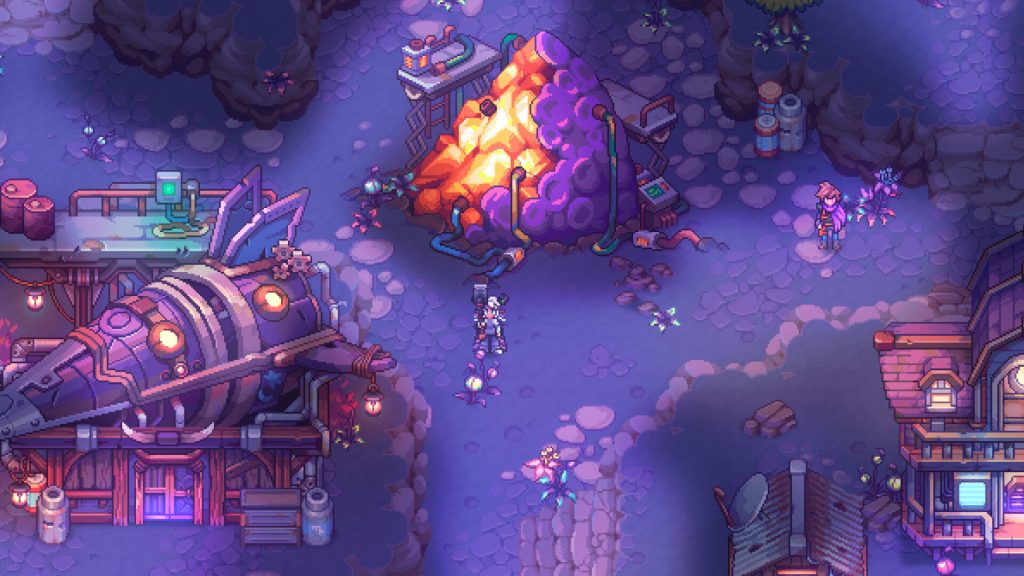
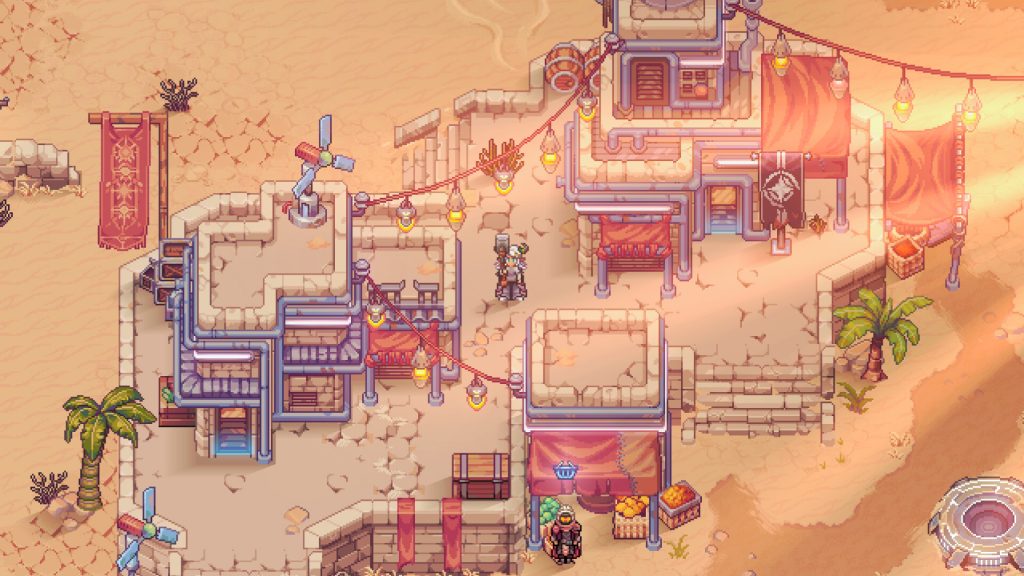
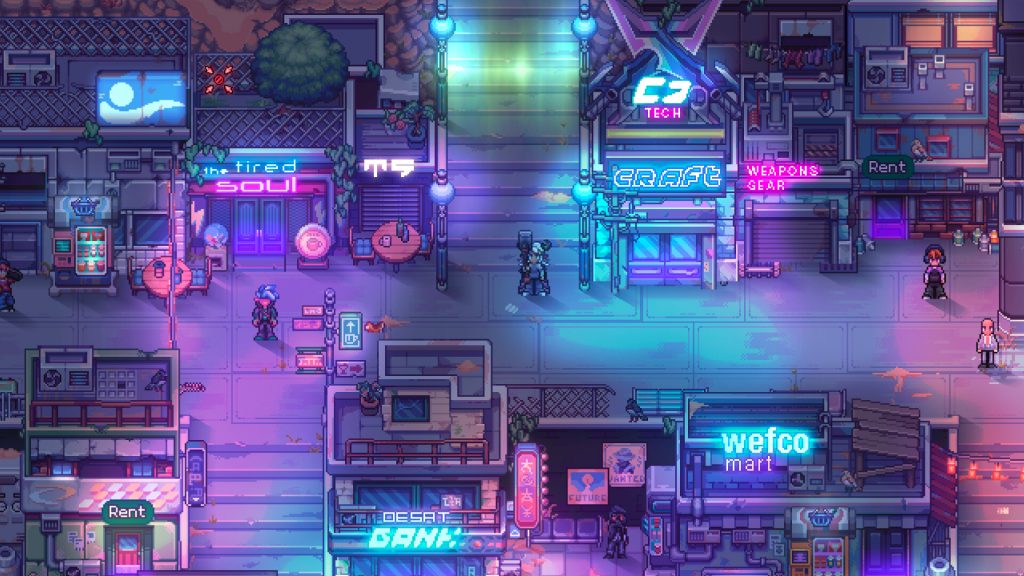
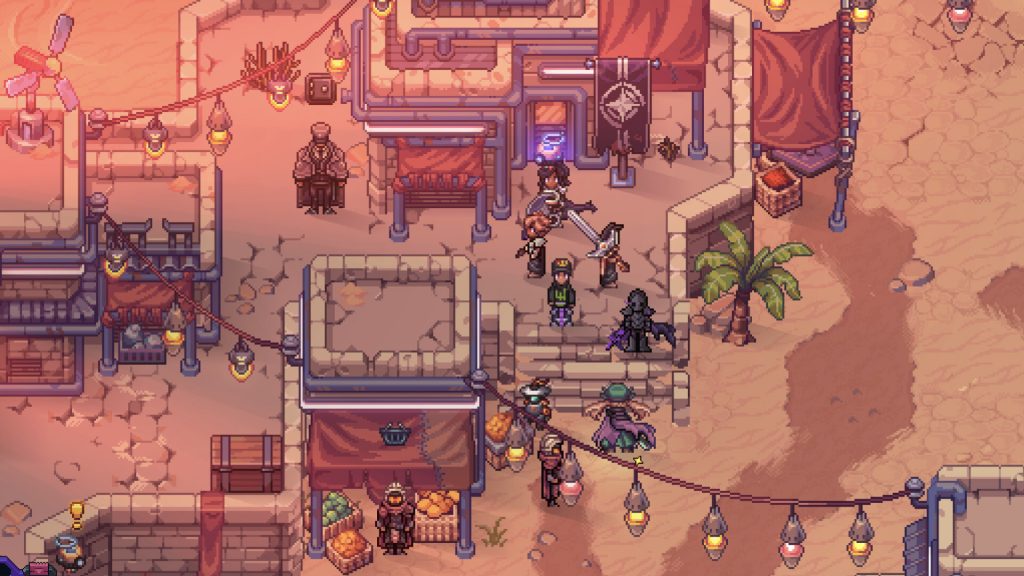
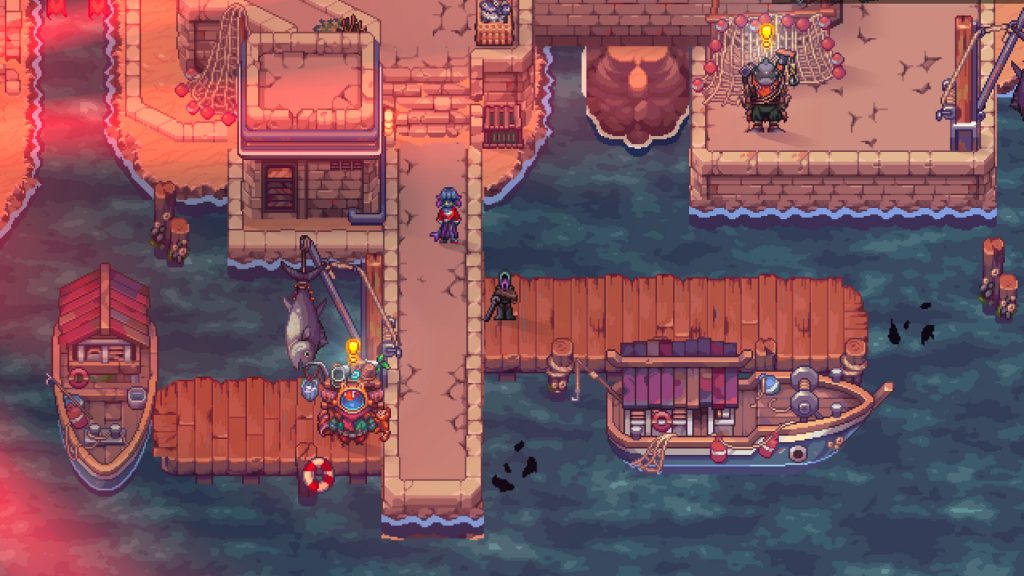
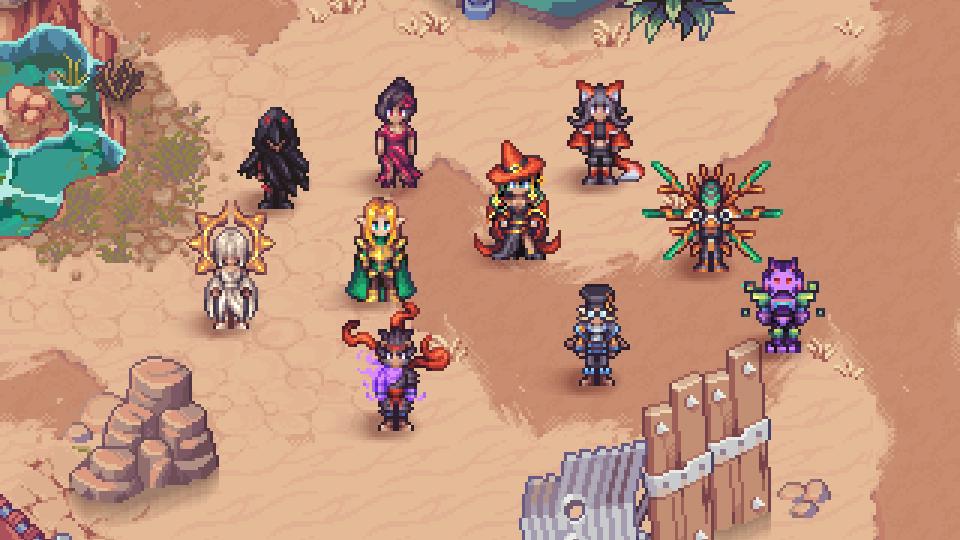
The Early Access launch content is substantial for a pixel art MMO: 100+ hours of designed content, 60 levels of progression (with levels 51-99 planned for subsequent updates), 25 roguelite dungeons across 6 tiers, 200+ relic system for build construction, randomly-generated equipment with thousands of stat variations, and endgame raid boss content. The dungeon finder for quick matching, 500+ achievements, live events, and an overworld with farming, crafting, and life skill content round out the launch feature set.
The combat system overhaul is the most significant pre-launch development decision SpiderWare made. Rather than transitioning from browser to Steam with the existing combat feel, the team redesigned the combat responsiveness and tempo — which suggests recognition that the browser-optimized combat wasn’t appropriate for a PC game expected to compete with other PC MMOs. Whether the rebuilt combat actually delivers PC-quality feel versus updated browser-game feel will be the central gameplay evaluation at launch.
The 12+ ability types and upgradeable skill trees across tank, healer, and DPS roles provide the class differentiation that MMO players expect for meaningful character distinction. The relic tree system (200+ relics) is the build depth layer that extends beyond class selection into specific character optimization — the difference between a healing build and an aggressive support build, or between a single-target tank and an AoE control tank, is determined by relic choices as much as class.
The 1,000,000 Player Number
The 1,000,000+ player count that SpiderWare cites requires specific contextualization. This figure covers the game’s entire operational history across browser and Discord — which includes the Worldwide Webb NFT era, when “players” may have included NFT purchasers and cryptocurrency speculators whose engagement with the game itself was minimal or zero. The Steam Early Access launch represents a genuinely new product in a new commercial context, and the pre-existing player count doesn’t directly indicate Steam launch audience.
The 2024 Discord “Adventure Together” app pitching contest win is the more relevant credential for the current product: SpiderWare demonstrating game development capability to a game-specific evaluation context, rather than the crypto speculation audience that Worldwide Webb attracted. The Discord version’s real game player base — people who played the actual MMO rather than the NFT economy surrounding it — is the legitimate audience precursor to the Steam launch.
The Web3 Pivot’s Significance
SpiderWare’s decision to completely remove blockchain elements and reset player data is more significant than it might appear. Many Web3 gaming projects have attempted to transition by keeping existing NFTs playable or by rebranding without substantively changing the economics. SpiderWare’s approach — full data reset, complete blockchain element removal, rebrand — represents a cleaner break that acknowledges the previous product’s problems rather than attempting to carry them forward.
The community criticism that persists despite this pivot reflects a legitimate trust concern: studios that pivoted to Web3 business models during the 2021-2023 NFT gaming boom often did so with promises of player value that subsequently evaporated when NFT markets collapsed. Players who participated in the original Worldwide Webb ecosystem and felt burned by the outcome have reasons to approach the rebrand skeptically that go beyond simple bias against blockchain games.
Whether those concerns are disqualifying for the current product depends on what the concern is specifically about. If the concern is “SpiderWare will abandon this game when it’s no longer profitable, as they abandoned the Worldwide Webb economy” — that’s a studio trust question that the Early Access period’s development cadence will answer. If the concern is “the current game contains NFT mechanics” — that’s addressable by simply verifying the current product’s actual content, which by all available evidence no longer contains blockchain elements.
The Current State Evaluation
The 51% positive rating from 248 reviews at this coverage’s writing time is a genuinely difficult number to interpret because the review pool is heterogeneous. Reviews written by Worldwide Webb players evaluating SpiderWare as a studio and reviews written by players evaluating Soulbound: Online as a current game are both present, and aggregate review scores don’t differentiate between them.
The content and features that the positive reviews address — the automated tool switching in the farming system, the dungeon variety, the build flexibility — are evaluating a game that received substantial development investment for the Steam launch. The negative reviews that reference past service history are evaluating SpiderWare’s track record rather than the current product specifically.
For players without prior Worldwide Webb exposure, the most honest evaluation path is the current product’s actual content: Does the combat system feel good to play? Do the roguelite dungeons provide satisfying challenge and variety? Does the relic build system create the build diversity it promises? These are questions that the game itself can answer for new players without the historical baggage affecting the evaluation.
Who This Is For
Strong fit for: pixel art MMO enthusiasts who want roguelite dungeon content alongside traditional MMO progression; players with no prior Worldwide Webb exposure who can evaluate the current product on its own terms; guild-oriented players who want to progress through dungeon content cooperatively; build optimization enthusiasts who want the 200+ relic system to express character identity; players who appreciate browser-to-PC MMO conversions that add significant content for the platform transition.
Cautious fit for: players who had negative experiences with Worldwide Webb and aren’t ready to extend trust to SpiderWare based on the current rebrand; MMO players who specifically want full game releases rather than Early Access; players who want AAA MMO production values rather than the pixel art indie register.
Less ideal for: players who specifically distrust any game with Web3 history regardless of current product state; anyone who wants competitive PvP as a primary MMO engagement mode; players seeking narrative-driven MMO experiences over content-loop progression.
What to Watch For
The most important post-launch signal for Soulbound: Online is the Steam review trajectory over the next 60-90 days. If the review percentage improves as the Worldwide Webb-aware review cohort is diluted by new players evaluating the current product, the content quality is resonating with players who don’t carry the historical baggage. If the review percentage stays Mixed or drops further, either the content quality has real problems beyond the historical concerns or the trust deficit is more widespread than the original player base alone.
The level 51-99 content update timing will also be critical. 100 hours of content and 60 levels is a reasonable Early Access scope, but MMO players reach level caps relatively quickly in Early Access environments — the gap between content completion and the next content update is where early player retention breaks down. How quickly SpiderWare delivers the next progression tier will determine if the launch audience stays through the content drought or disperses.
The Takeaway
Soulbound: Online is a game you need to evaluate knowing its history rather than despite it. The Web3-to-conventional pivot is real and substantive — the blockchain elements are gone, the data was reset, the product has been rebuilt for PC. Whether that history matters to your evaluation of the current product is a personal decision based on how much you weigh studio track record versus current product quality.
Gaming Nexus’s “second chance” framing is probably the most accurate way to approach the launch. SpiderWare made business decisions with Worldwide Webb that created legitimate negative impressions, and they’ve since made decisions that represent genuine course correction. Whether the course correction produces a game that earns sustained player engagement and reviews that reflect the current product rather than the historical one is what the Early Access period will determine.
The pixel art MMO with roguelite dungeons exists. It has 100+ hours of content. The NFTs are gone. The review pool is split between people evaluating those two facts.
Early Access is live. The relic builds are waiting. And the question of whether SpiderWare’s second chance becomes a legitimate second chapter is what the next several months will answer.
Information regarding ‘Soulbound: Online’
| item | detail |
|---|---|
| Developer | SpiderWare (London, UK) |
| Publisher | SpiderWare (Self-publishing) |
| Genre | Pixel Art MMO / Roguelike Action RPG |
| Release platform | PC (Steam) |
| Early Access Release Date | July 21, 2026 |
| Content at launch | Over 100 hours, level 60 progression, 25 types of dungeons (Tier 6) |
| Steam Review | Mixed, 51% positive (248 cases) |
| Previous service history | Browser and Discord-based (transferred from the former Worldwide Webb, Web3/NFT project) |
| Cumulative Players | Over 1 million (browser and Discord combined) |
| Steam Page | Shortcut |