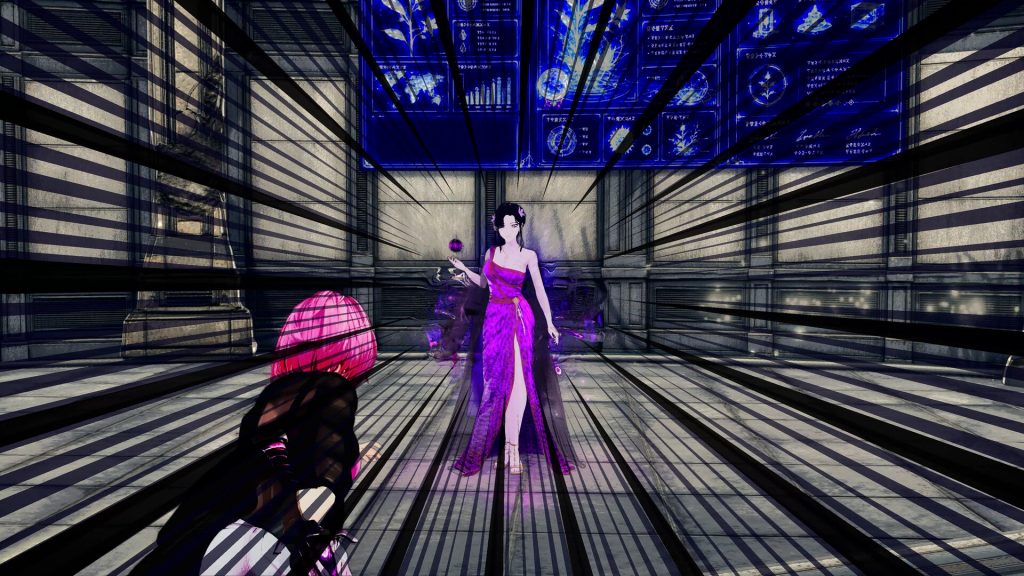
The DDP. Gwanghwamun. Namsan. Coex. These are not generic post-apocalyptic landmarks — they are specific Seoul locations that Koreans recognize immediately and that international players will recognize from photographs and media as distinctly, unmistakably the Korean capital. SoulForged: Ashborn is building these actual spaces into dungeons in an anime-style quarter-view hack-and-slash RPG where an alien civilization called ARCHALIS has destroyed the near-future Seoul that players may know from reality, and a humanoid called Ash is fighting to take it back.
Rockinforged brings this to Tokyo Game Show 2026’s indie game corner on September 17, the studio’s first public showcase since its founding in April 2026 — five months from company formation to TGS booth, with a June 2027 release target and a team assembled from Nexon Games, NCsoft, Netmarble, Naughty Dog (The Last of Us Part II), and 2K Games.
The Design Combination
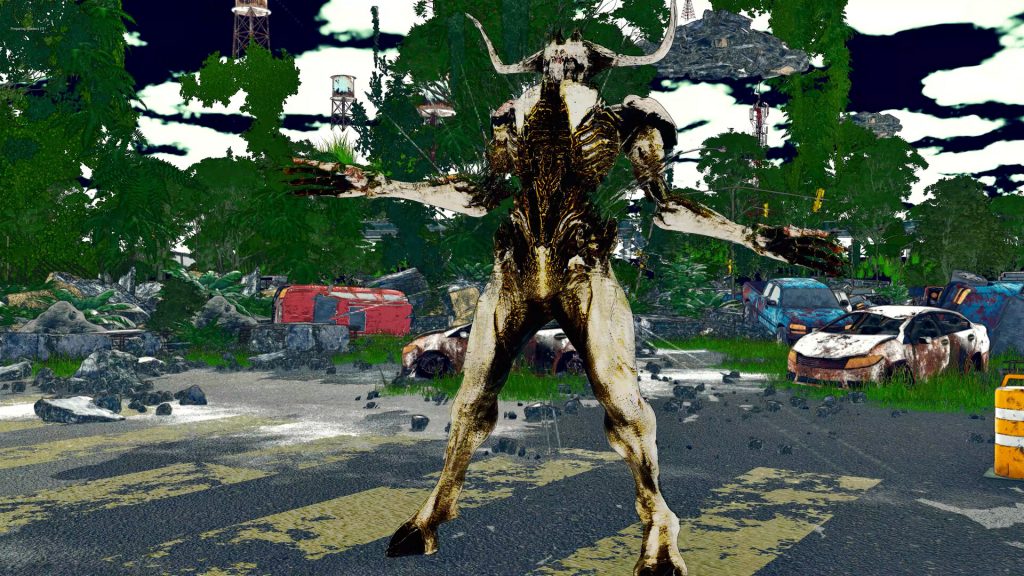
Quarter-view hack-and-slash and soulslike boss design are usually in creative tension with each other. Hack-and-slash thrives on fluidity — fast clearing of numerous enemies, momentum, the satisfaction of clearing a screen in a single sustained assault. Soulslike boss design thrives on deliberation — reading patterns, timing parries, the weight of individual decisions in extended single-encounter engagements.
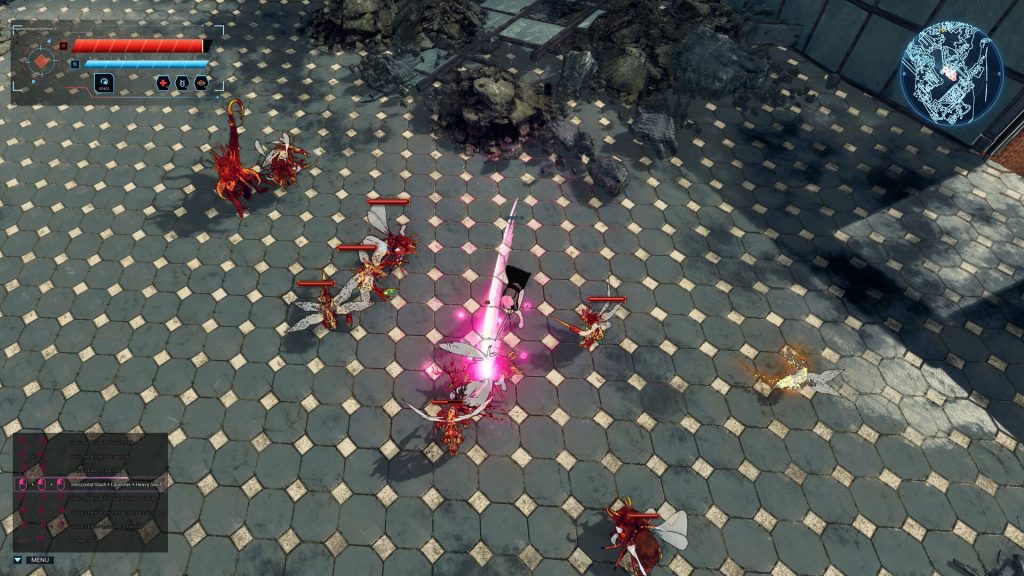
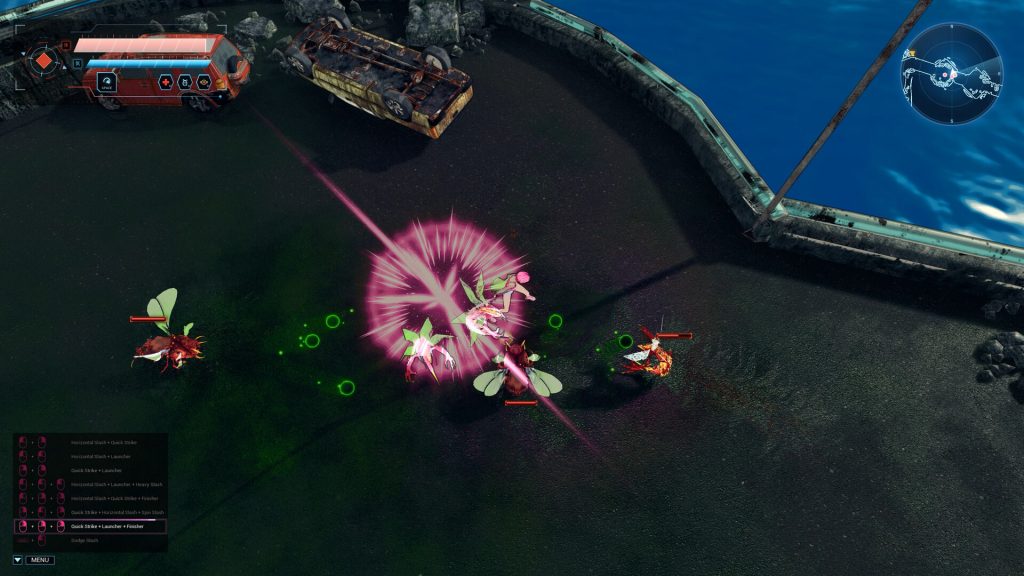
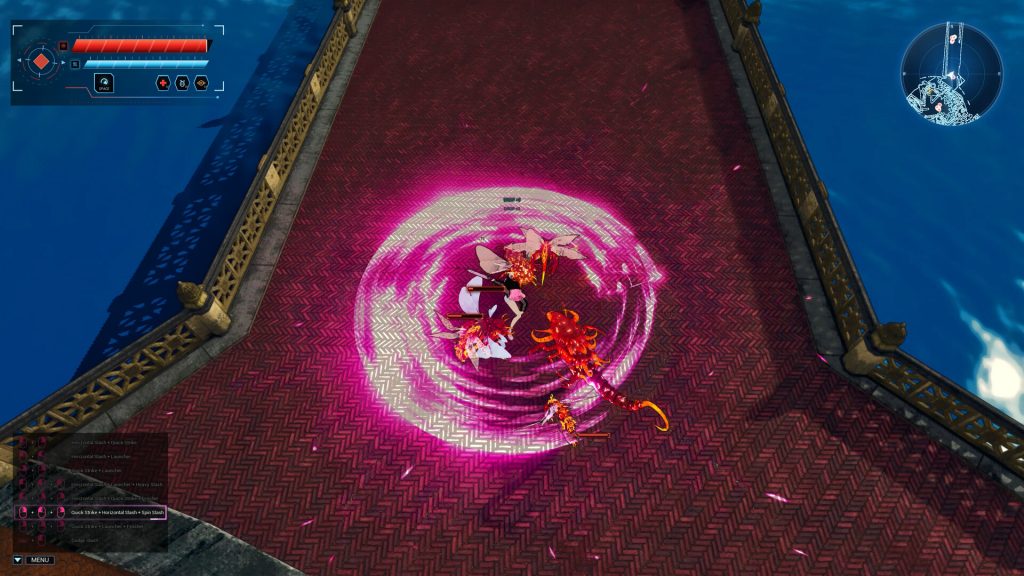
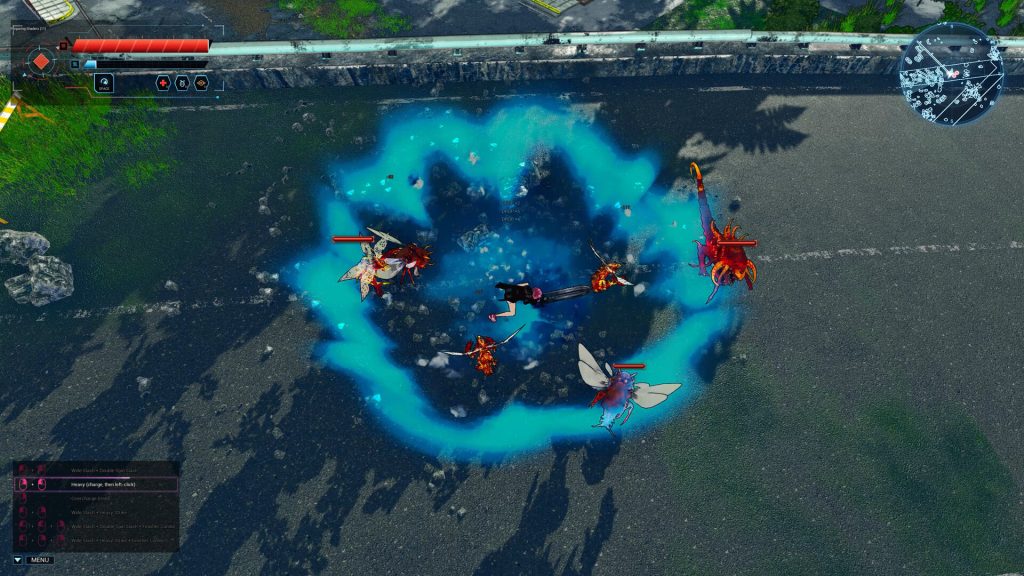
SoulForged: Ashborn is specifically pursuing both registers and making them complement rather than undermine each other. The regular combat is hack-and-slash: five weapon types (longsword, dagger, katana, greatsword, laser blade) that can be switched freely, fast enemy clearing with the genre’s characteristic momentum. The boss encounters are soulslike: parry-centric, pattern-reading, high-stakes individual engagements.
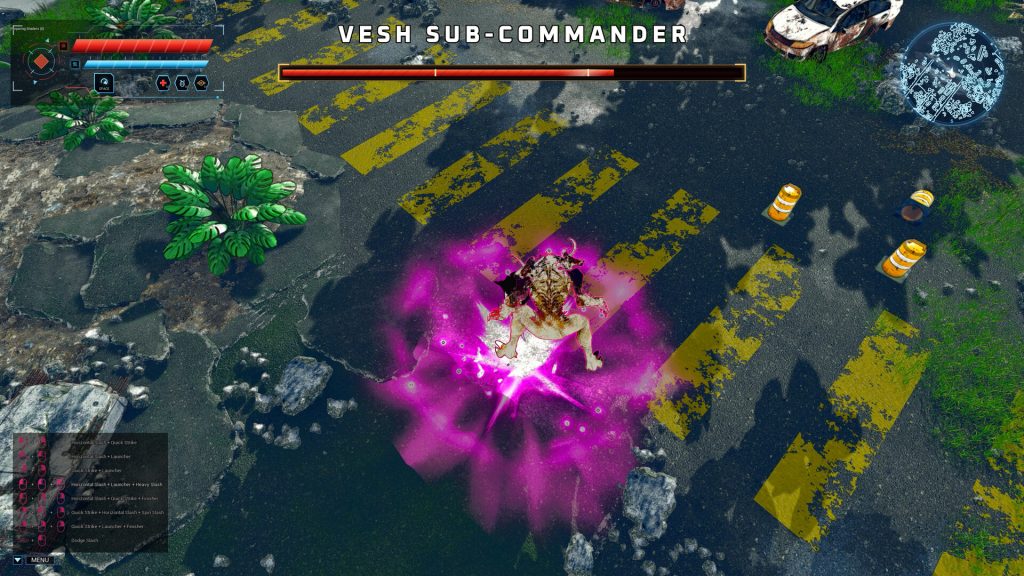
The parry system is where the two registers meet in a specific way: a successful parry against a boss activates a weapon-specific ultimate ability. The parry is both the soulslike’s core defensive mechanic and the gateway to the hack-and-slash’s most spectacular offensive moments. This design creates a natural rhythm between the deliberate and the spectacular rather than forcing them to alternate as separate experiences.
The Growth System Inversion
Standard action RPGs use level-up systems: spend experience to improve numerical stats. SoulForged: Ashborn replaces leveling with research and crafting. New combo sequences and evasion techniques are acquired rather than numbers being increased.
This is a meaningful design distinction. Level-up systems increase the player’s power; research-and-craft systems change the player’s capabilities. A higher-level character does the same things more effectively. A character with new combos and evasion techniques does different things — the playstyle itself evolves rather than the existing playstyle scaling upward.
The practical experience is that character development feels like genuinely learning new techniques rather than numerically surpassing existing challenges. This suits the soulslike dimension of the game specifically: soulslike progression is fundamentally about learning and understanding rather than grinding past obstacles.
The Roguelite Structure
The 30-day time limit is the strategic pressure that gives the game’s world a sense of urgency beyond mission-to-mission progression. Liberate territory within the time limit; fail to protect your base, and it comes under attack; manage the limited time to make the most of each sortie. Rescued survivor NPCs become base researchers who prepare resources for subsequent runs.
This creates the roguelite loop where each run is finite, decisions have cumulative consequences, and the base develops over time rather than resetting. For a game targeting 50–150 hours of playtime, the roguelite structure provides the replay framework that sustains extended engagement rather than treating the campaign as a linear fixed experience.
The AI-Native Studio
Rockinforged describes itself as an “AI-native” studio — using AI for repetitive production tasks and redirecting the saved time toward testing, polishing, and balance work. CEO Song Jin-su, with 15 years of balance and system design experience across Nexon Games, NCsoft, and Netmarble, is applying the specific knowledge of what good game balance requires to a studio architecture designed to allocate human attention appropriately.
This approach is distinct from AI disclosure patterns this coverage has tracked throughout the year — studios using AI for specific asset types (music, concept art, localization) while maintaining human authorship of core content. Rockinforged is positioning AI as a development methodology across production rather than a tool for specific asset categories. The June 2027 timeline for a 50–150 hour action RPG from a studio founded in April 2026 suggests the methodology is enabling scope that the team size alone wouldn’t otherwise support.
The TGS Debut
Tokyo Game Show is the international showcase where the Japanese industry’s attention is concentrated. For a game with anime-style toon rendering targeting a subculture-adjacent aesthetic, TGS is the correct first international showcase — the audience that encounters SoulForged: Ashborn at booth 09-C30 is precisely the audience that the game’s visual direction and genre combination are designed to appeal to.
The boss-fight-inclusive demo build is the correct content choice for TGS: showing the soulslike boss design alongside the hack-and-slash combat gives players the clearest picture of what the game’s genre fusion actually means in practice.
Who This Is For
Strong fit for: action RPG players who want Seoul’s actual landmarks as dungeon environments; hack-and-slash enthusiasts who want soulslike boss design alongside rather than instead of the genre’s momentum; players drawn to anime-style toon rendering applied to near-future Korean SF settings; TGS 2026 attendees who want to try the demo directly at booth 09-C30; K-indie game supporters tracking ambitious debut studios.
Cautious fit for: players who specifically want one or the other genre register (pure hack-and-slash or pure soulslike) rather than the hybrid; anyone who wants established demos or trailers before following an alpha-stage game; players who need the AI-native development methodology to be validated by final product quality before investing attention.
Less ideal for: players who dislike quarter-view perspective; anyone wanting gacha or mobile-style monetization (explicitly excluded); players seeking a 2026 release rather than June 2027.
The Takeaway
SoulForged: Ashborn is Rockinforged’s debut — a studio founded five months ago by AAA veterans using an AI-native development methodology to pursue a quarter-view hack-and-slash action RPG set in a destroyed near-future Seoul, with soulslike parry-centric boss design, a research-and-craft growth system, and 9 languages at the June 2027 global launch. Tokyo Game Show September 17–21 is the first public evaluation of whether the design combination works as described.
The DDP is a dungeon. Gwanghwamun is a dungeon. Namsan is a dungeon. Ash is fighting through familiar places that are wrong now, one parry-triggered ultimate ability at a time.
TGS 2026: Booth 09-C30, September 17–21. Steam page live. Global launch: June 2027.
Information regarding ‘SoulForged: Ashborn’
| item | detail |
|---|---|
| Developer | Rockinforged (Rockinforged CO., LTD., Seoul, South Korea) |
| Publisher | Rockin’ Forged (Self-Publishing) |
| Genre | Quarter-view hack-and-slash action RPG, Soulslike boss battles |
| platform | Scheduled for PC (Steam) and console releases |
| Release date | June 2027 (Targeting simultaneous global release, currently in alpha development) |
| engine | Unreal Engine 5 (Toon Rendering) |
| price | $29.99 (Sell-only, major DLC sold separately, no gacha or auto-battle) |
| language | Simultaneous support for 9 languages at launch (Japanese, English, Korean, etc.) |
| Volume | 50~150 hours |
| Steam Page | Shortcut |