최근기사

    A New Challenge from the Developers of the Horror Game ‘DEVOUR’ That Sold 7 Million Copies, ‘Sunset Summit’ Released

    2026년 09월 11일

    Pangyo is colored with indie games: GXG x Indiecraft opens on the 11th.

    2026년 09월 10일

    Inspired by the Muville Cave in Romania, Solo Develop ‘Mubilia’ Unveiled

    2026년 09월 10일
    Facebook Twitter Instagram
    인디게임닷컴
    • News

      Pangyo is colored with indie games: GXG x Indiecraft opens on the 11th.

      2026년 09월 10일

      Gravity Reversed Preview: Korean Studio’s Ceiling-Flipping Speedrun Platformer Signs GaniTani for Nintendo Switch — December 2026 Target

      2026년 09월 09일

      Merge Champions Wins Grand Prize at Korea’s First HTML5 Minigame Makers Challenge — Sublevelgames’ Puzzle Beats 90 Entries Across Seven-Judge Industry Panel

      2026년 09월 08일

      OFFBEAT “Studio Essentials” Update: The World’s Smallest Violin Joins Whetstone Games’ Working Music Production Toy Box

      2026년 09월 06일

      Roblox Game to be Developed Using ‘Kungya’ IP… Chungkang University of Culture & Industry and Netmarble M&B Collaborate

      2026년 09월 02일
    • Recommendation/Promotion

      Inspired by the Muville Cave in Romania, Solo Develop ‘Mubilia’ Unveiled

      2026년 09월 10일

      Necro Pop Preview: Brazilian Studio’s Second Neo Geo-Native Game Coins “Arcadevania” as a Genre — Playable at Tokyo Game Show 2026

      2026년 09월 10일

      Au Revoir Console Launch Review: Brazilian Debut Studio’s Blade Runner-Inspired 32-Bit Neo-Noir Adventure Arrives September 17 With a “Very Positive” PC Track Record

      2026년 09월 10일

      Mayday: The Survival Island Preview: Brazilian Trio’s Hand-Drawn 24-Island Survival Game Sets November 2 Release at PAX West

      2026년 09월 09일

      Wood Goes BRRR Preview: The Studio Behind Survival Horror Dimmed Light Turns Beaver Logging Into a Battle Royale for Your Job

      2026년 09월 08일
    • Game Review

      A New Challenge from the Developers of the Horror Game ‘DEVOUR’ That Sold 7 Million Copies, ‘Sunset Summit’ Released

      2026년 09월 11일

      Shoe It All! Review: Swiss Studio Trades Meditative Underwater Idle Games for Punk-Rock Shoe-Slinging Physics Puzzles — 8 Platforms at Once

      2026년 09월 06일

      BOMBANANA! Review: Turkish Studio’s Exactly-Three-Player Bomb Defusal Comedy Converts 6 Million Demo Players Into 1 Million Wishlists — and Delivers on Launch

      2026년 09월 06일

      Veiled Edge Review: Korean Studio ONW’s Chapter-Shifting Cyberpunk Action Adventure Arrives on Nintendo Switch September 3

      2026년 08월 31일

      Garden of Witches 1.0 Review: Team Tapas’ Mobile-to-PC Leap Completes Its 15-Month Early Access With a Combat System Built Entirely Anew

      2026년 08월 28일
    • Featured article

      The Journey Home Preview: Belgian Husband-and-Wife Studio’s Meditative Side-Scroller Made Gamescom Visitors Cry — Free Demo Now Live

      2026년 09월 02일

      Gamescom dev Awards 2026: Six Winners Across Indie Expo and Speakers’ Choice — Stop-Motion WWII Horror, Totalitarian Press Puzzle, and Blue Prince Among Recipients

      2026년 08월 25일

      [Column] How Indie Artists Should Utilize Offline Exhibitions

      2026년 08월 19일

      How Indie Developers Should Use Offline Exhibitions — And What Most Are Getting Wrong

      2026년 08월 19일

      Dawnkeep Preview: A Korean High School Senior Built This Dark Fantasy Defense Game Solo in Six Months — BIC 2026 Rookie Selection

      2026년 08월 10일
    • Contests/Support

      1.44MB Game Development Contest Expands to 8 Special Awards — Submissions Close September 4

      2026년 08월 26일

      BIC x Google Play IndieFest Awards Concludes: Bojonggye Takes ₩30M First Prize, PengPong Earns Second

      2026년 08월 19일

      Korea’s First AI Game Sound Design Challenge Opens With ₩17.45M+ Prize Pool — Submissions Due August 23

      2026년 07월 28일

      Gyeonggi Game Audition 2026 Opens Applications Through August 20 — ₩200 Million Prize Pool With New Student Division

      2026년 07월 22일

      KOCCA Is Funding Flights to Sweden Game Conference 2026 — Applications Close July 27

      2026년 07월 14일
    • GameCollege
    • 한국어
    • 日本語
    • 中文 (中国)
    Facebook
    인디게임닷컴
    • 한국어
    • 日本語
    • 中文 (中国)
    Recommendation/Promotion

    ORPHEUS: TO HELL AND BACK Review: Italian Developers’ Game Boy Color Cartridge Comes to Steam July 13

    이탈리아 인디 개발사와 일본 애니메이션 스튜디오 협업작
    By Editorial Team2026년 07월 10일Updated:2026년 07월 12일9 Mins Read

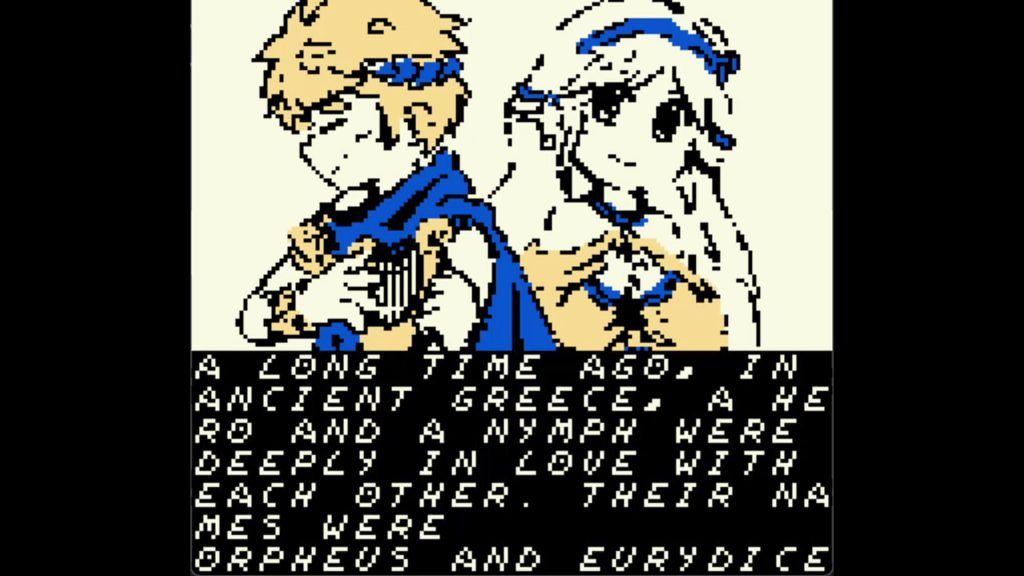
    Orpheus descended into the underworld armed with a lyre. Not a sword, not a shield — a lyre. He played music so beautiful that Hades himself wept, the Furies stopped spinning their threads, and Persephone interceded on his behalf. The myth is one of antiquity’s most enduring stories about the power of art over violence, and it has been waiting for a game design that honors its central premise.

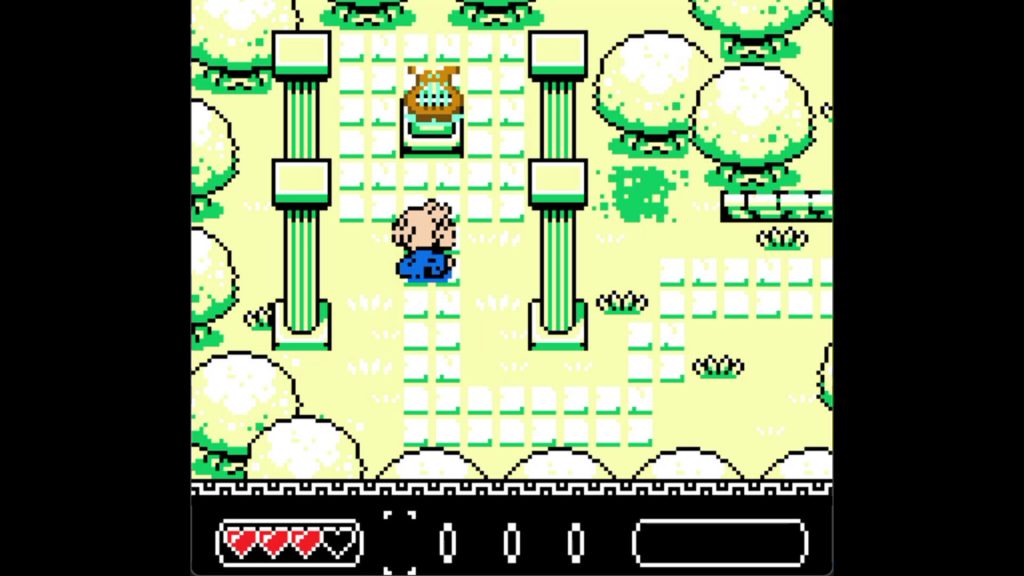
    ORPHEUS: TO HELL AND BACK, developed by Italian studios Studio Loading and Kibou Entertainment and published by Tokyo-based animation studio Alunite Inc., arrives on Steam on July 13. It earned the right to exist in game form by first existing as an actual Game Boy Color cartridge — released on physical hardware, played on hardware from 1998, before making the journey to Steam. The Kickstarter that funded the expanded development raised over €16,000 against its goal, more than doubling the target. The approach worked.

    The Lyre as a Combat System

    The three-melody combat system is the game’s central design achievement, and it earns specific examination because it’s doing something relatively rare: building a complete combat and puzzle vocabulary from a mythologically authentic foundation.

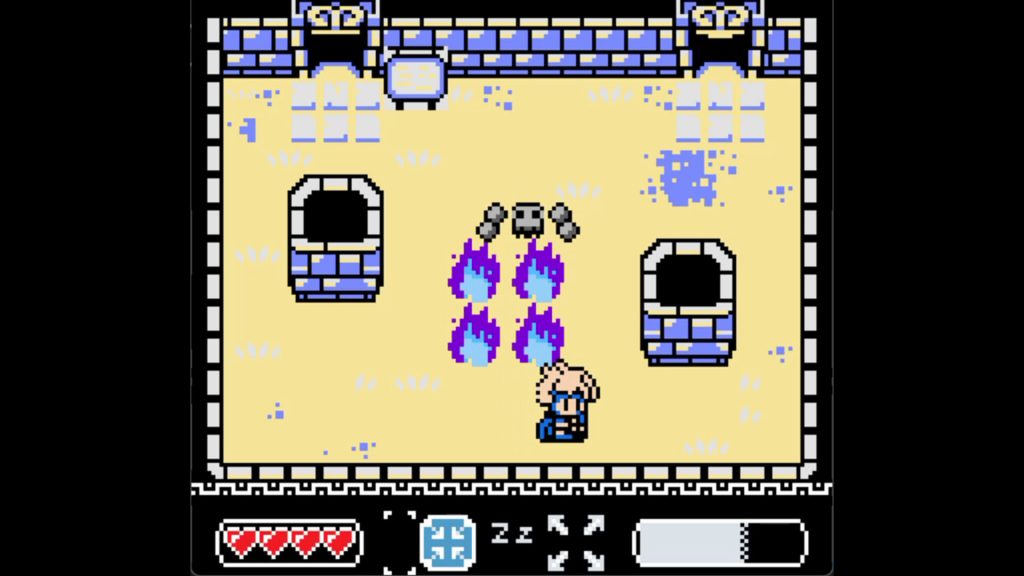
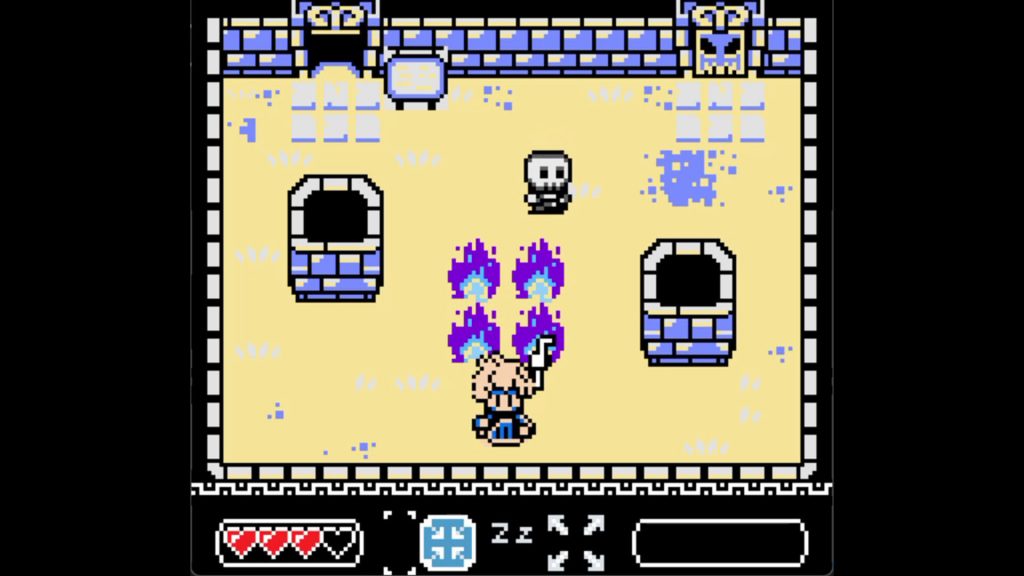
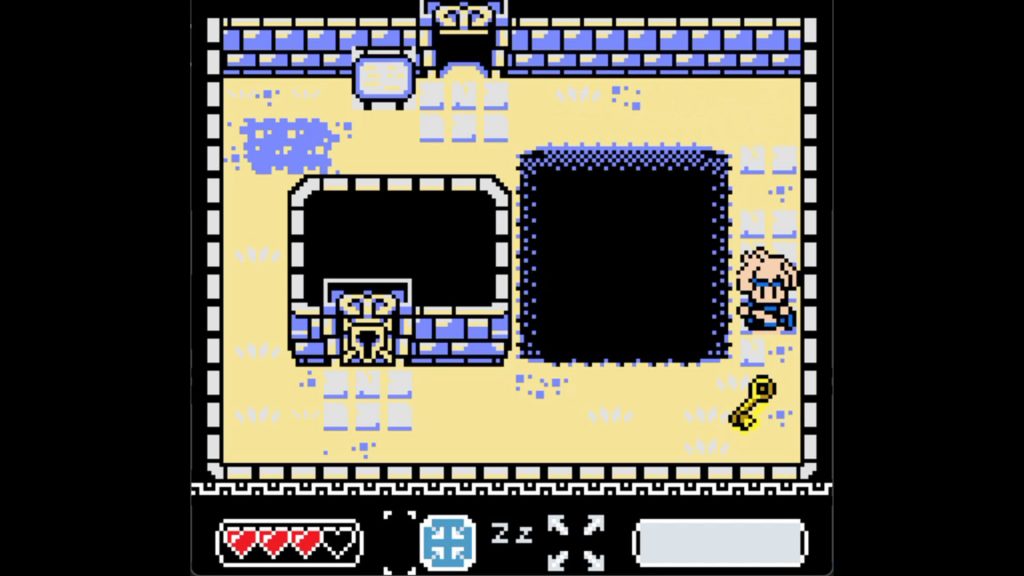
    Orpheus didn’t fight. He charmed. The three states his lyre can induce — Charm (make the enemy an ally), Sleep (immobilize), Fear (cause flight) — are all non-lethal. They’re states of mind, emotional conditions, the specific powers that music exerts over willing and unwilling listeners. Not “hit for X damage” but “cause the enemy to feel Y emotion.”

    This design choice is philosophically coherent with the myth in ways that matter experientially. Playing as Orpheus with a sword would be technically functional but thematically false — Orpheus wasn’t a warrior, and a game that turned him into one would miss the point. The lyre-as-weapon insists on the myth’s actual claim: that music, properly wielded, is more powerful than violence.

    Each state creates different tactical applications. Charmed enemies become temporary allies — turning opponent resources into player resources. Sleeping enemies become static obstacles or platforms — blocking paths, serving as surfaces, creating opportunities for other manipulation. Fearful enemies move predictably away from the player — steerable, directable, useful for triggering switches or walking into hazards.

    The puzzle dimension emerges from combining these states. Sleep an enemy, use them as a platform to reach a ledge. Fear an enemy into walking across a switch. Charm an enemy to fight a stronger enemy you can’t otherwise reach. The same three tools, the same limited vocabulary, create situations the designer can elaborate indefinitely through different enemy types, spatial configurations, and timing requirements.

    The Game Boy Color Origin

    Studio Loading releasing ORPHEUS first as an actual Game Boy Color cartridge is a specific creative and commercial commitment that deserves attention beyond novelty. Game Boy Color operates under genuine hardware constraints: limited color palette, low resolution, specific audio chip characteristics, processing limitations that force specific design choices. Building a game for this hardware isn’t aesthetic cosplay; it’s working within a real technical system.

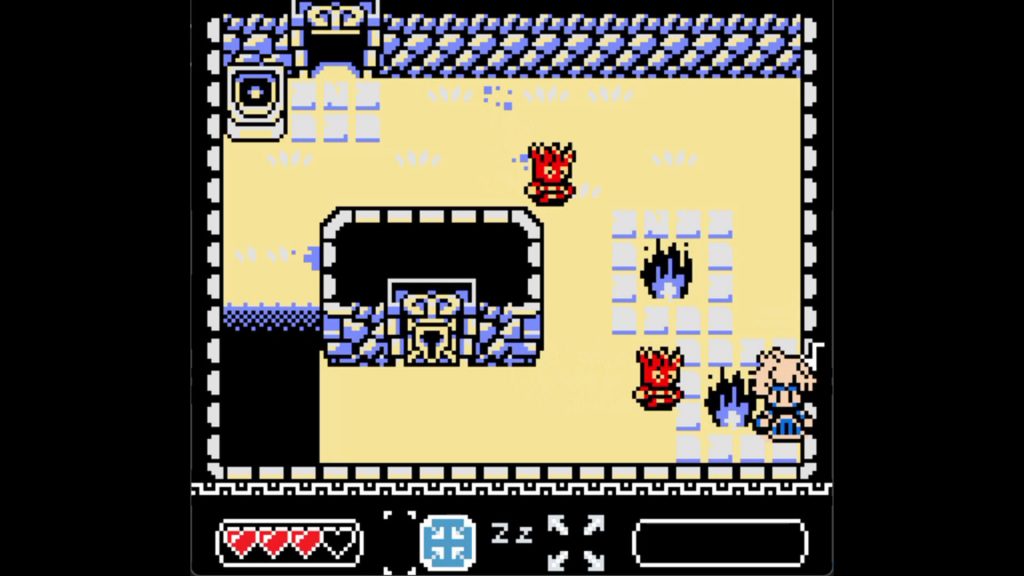
    This matters for the Steam version because the design discipline of hardware constraints produces a different game design than digital development without those constraints. Games developed for limited hardware tend toward clarity and elegance — when you have limited space, limited colors, and limited audio channels, every element must earn its inclusion. The chibi 8-bit aesthetic isn’t decoration applied over a differently conceived game; it emerged from designing for hardware that required it.

    The Kickstarter physical cartridge component also speaks to a specific community: retro hardware enthusiasts who play new games on old hardware, who have a specific appreciation for development work constrained by the original technical limits, who understand what it means to make something work on a 1998 device. This community gave ORPHEUS its initial audience and commercial validation before the Steam development was funded.

    The Italian-Japanese Production Partnership

    Studio Loading’s identity — stated as aiming to “revive the sensibility of the classic era, gaming’s golden age” — positions it within the Italian indie tradition of studios with specific historical gaming reference points. Italy has produced several notable indie developers with a deep appreciation for specific gaming eras, and Studio Loading’s Game Boy Color cartridge release reflects a genuine rather than performed retro commitment.

    Kibou Entertainment’s prior work with PLAYISM and Kadokawa provides the distribution relationship context: these are specifically the publishers who serve the intersection of Japanese gaming culture and international indie gaming, and Kibou’s experience with them gives ORPHEUS a distribution path that connects Italian retro development to Japanese gaming community reception.

    Alunite Inc., as publisher, brings the specific Japanese animation industry context. Credits on The Apothecary Diaries, Digimon BeatBreak, and Pokémon productions represent mainstream Japanese animation work — the visual tradition that chibi character design comes from, made by professionals who understand that tradition’s conventions and audience expectations. Their involvement gives the 1980s chibi aesthetic credibility as genuine engagement with that visual tradition rather than pastiche.

    The result is a game where the Italian retro gaming sensibility (the Game Boy Color development, the classic era aesthetic commitment) and the Japanese animation visual tradition (chibi characters, the specific warmth of 1980s anime character design) combine through a publishing relationship that connects them to Japanese gaming markets specifically.

    The Greek Myth in 8-Bit

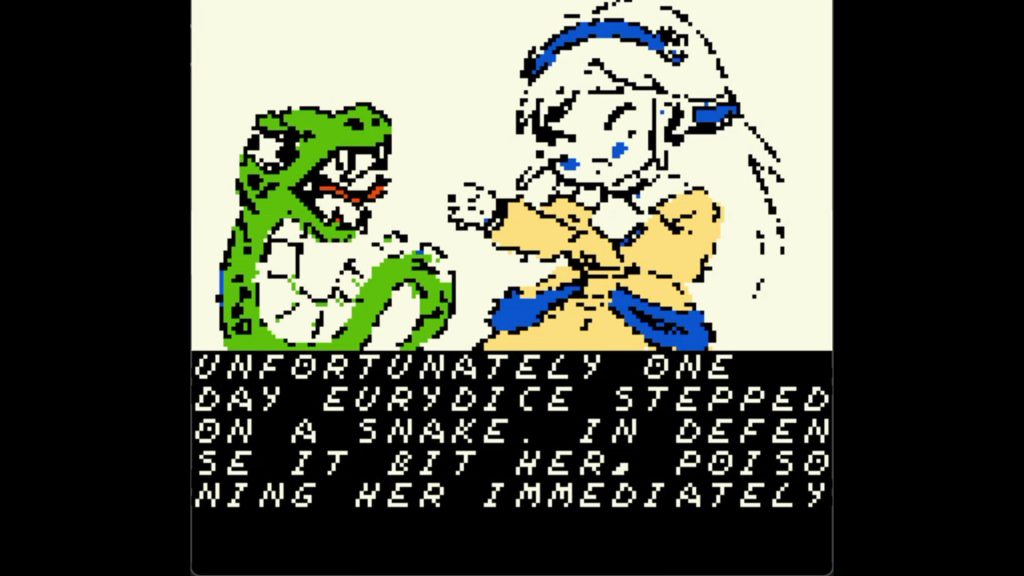
    The chibi 8-bit treatment of ancient Greek mythology creates a tonal register that community reviewers have specifically noted: “1980s chibi animation sensibility and Greek mythology surprisingly work well together.” The surprise is the expected reaction, but working well together is the interesting observation.

    Greek mythology rendered in grim epic register has enormous precedent — God of War, Hades, Apotheon all engage with Greek material seriously. Chibi 8-bit Greek mythology is much rarer, and the specific combination works because chibi aesthetic’s warmth — the rounded forms, the large eyes, the specific cuteness that makes characters immediately lovable — doesn’t diminish the mythological content but creates safe emotional distance from it.

    Orpheus descending into the underworld to retrieve his dead wife is fundamentally a tragedy. Persephone ate the pomegranate seeds. Orpheus looked back. The myth doesn’t end well for anyone. Chibi 8-bit Orpheus engaging with these events maintains the emotional core while making the presentation approachable — the player can invest in characters rendered as lovable without the weight of epic-scale grief that realistic rendering would carry.

    The chiptune music descending in tone as Orpheus goes deeper into the underworld is the specific design elegance that makes this aesthetic combination function: the music is doing the mythological weight-carrying that the visual style is releasing the player from needing to carry consciously.

    The Puzzle-Combat Integration

    Player feedback from the demo has specifically noted that the lyre mechanics are “simple but strategic” — which is precisely the quality that distinguishes elegant puzzle-combat from either simplistic mechanics or overwhelming complexity.

    Simple: the three states are immediately understandable. Charm, Sleep, Fear — three emotional conditions, three buttons, three types of result. No stat tracking, no cooldown management, no resource economy beyond the basic question of which melody to use.

    Strategic: the three states create different tactical applications depending on enemy type, spatial configuration, and puzzle requirements. A Charmed enemy fighting for you in a corridor is a different use of Charm than Charming an enemy on a pressure plate to keep a door open. The same three tools, the same three buttons, different situations that require different applications.

    This is the design ideal for puzzle-action games: a vocabulary small enough to internalize immediately yet flexible enough to generate varied situations throughout the game’s length. The three-melody lyre achieves this.

    Who This Is For

    Strong fit for: retro gaming enthusiasts who specifically appreciate Game Boy era design sensibility; Greek mythology fans who want interpretation beyond the epic-combat tradition; 8-bit and chiptune music enthusiasts; players who appreciate puzzle-integrated combat over pure action; Kickstarter supporters of the original physical release who want the expanded digital version; fans of chibi aesthetic who appreciate it applied to mythological content; players who enjoyed Hades and want a tonal opposite that engages similar mythology.

    Cautious fit for: players who specifically want action-oriented combat rather than puzzle-integrated enemy manipulation; anyone who finds 8-bit resolution limiting for extended play; players expecting the narrative depth and voice performance of contemporary mythology games.

    Less ideal for: players who dislike puzzle mechanics; anyone who finds retro aesthetics uninviting; players seeking the epic-scale presentation of major mythology games.

    What to Watch For

    The primary question for ORPHEUS: TO HELL AND BACK‘s Steam reception is whether the game’s content scope — the number of puzzle situations the three-melody system generates — provides satisfying complete-game value for PC players who haven’t engaged with the physical Game Boy version.

    The puzzle-variety question is particularly important because the three-melody vocabulary, however elegant, has a finite creative space. Whether Studio Loading and Kibou have found enough distinct applications of Charm, Sleep, and Fear across the full game to sustain engagement without mechanical expansion will determine the experience’s staying power.

    The Takeaway

    ORPHEUS: TO HELL AND BACK is a project with genuine creative coherence across all its elements: the mythologically faithful lyre-as-weapon design, the chibi 8-bit aesthetic that makes the tragedy emotionally approachable, the chiptune music that serves the narrative’s descent, and the physical Game Boy Color origin that makes the retro commitment authentic rather than performed.

    The game that resulted from Italian developers building for a 1998 Japanese gaming platform, funded by Kickstarter at double its goal, published by a Japanese animation studio with credits on mainstream anime, tells a Greek myth through three musical moods. This is an unlikely creative partnership that apparently worked exactly as well as the Kickstarter response suggested it would.

    Orpheus has his lyre. The underworld has its denizens. Three melodies exist. And the myth’s central promise — that music, properly applied, can move even the dead — has finally found a game that believes it.

    July 13. Three strings. Three emotions. One descent.


    Information regarding ‘ORPHEUS: TO HELL AND BACK’
    item detail
    Developer Studio Loading × Kibou Entertainment (Italy)
    Publisher Alunite Inc. (Tokyo, Japan)
    Genre Retro Action Puzzle Adventure
    Release platform PC (Steam) / Game Boy Color Cartridge (Previously Released)
    Release date July 13, 2026 (Steam)
    demo Free Steam demo available
    graphic style 8-bit pixel art / 80s chibi animation
    sound Original Chiptune music
    core system Lyre 3-Melody Based Combat (Charm, Sleep, Fear) / Action Puzzle
    Supported languages English, Japanese
    Funding performance Achieved €16,000+ on Kickstarter (more than double the goal)
    Main Keywords Retro, 8-bit, Greek Mythology, Orpheus, Music Battle, Game Boy, Indie
    Steam Page Shortcut
    Editorial Team
    • Website
    • Facebook

    Empowering your game to go global. Promote your game via indiegame.com #Since2003 #IndieGame

    Related Posts

    Inspired by the Muville Cave in Romania, Solo Develop ‘Mubilia’ Unveiled

    2026년 09월 10일

    Necro Pop Preview: Brazilian Studio’s Second Neo Geo-Native Game Coins “Arcadevania” as a Genre — Playable at Tokyo Game Show 2026

    2026년 09월 10일

    Au Revoir Console Launch Review: Brazilian Debut Studio’s Blade Runner-Inspired 32-Bit Neo-Noir Adventure Arrives September 17 With a “Very Positive” PC Track Record

    2026년 09월 10일

    Mayday: The Survival Island Preview: Brazilian Trio’s Hand-Drawn 24-Island Survival Game Sets November 2 Release at PAX West

    2026년 09월 09일
    Editors Picks

    Shiba Sweet Preview: A Taiwanese Solo Animator Hand-Draws Every Frame of a Grandmother’s Dessert Shop — September 18 Launch

    2026년 09월 07일

    SlashZero New Demo Preview: Skystone Games’ David Brevik-Backed Anime Roguelite Debuts a Robot Swordsman at Sony’s State of Play

    2026년 09월 07일

    Dupery: A Game of Solo Deduction Preview: Bristol Trio Reinvents Social Deduction as a Single-Player Roguelite — October 15 Release Through PlateUp!’s Publisher

    2026년 09월 07일

    BOMBANANA! Review: Turkish Studio’s Exactly-Three-Player Bomb Defusal Comedy Converts 6 Million Demo Players Into 1 Million Wishlists — and Delivers on Launch

    2026년 09월 06일
    Demo
    Demo
    인디게임닷컴
    Facebook RSS
    ㈜플레이앱스 | 발행인: 정무식 | 편집인: 임재청 | 연락처: desk@indiegame.com | 주소: 서울시 송파구 거마로 9길27 202호 | 청소년보호책임자: 임재청
    © 2026 indiegame.com All Rights Reserved.

    Type above and press Enter to search. Press Esc to cancel.