You have one ball. But if that ball can ricochet off walls and bumpers to obliterate an entire mob of enemies in seconds, the math changes entirely. Furyball: Rogue Revenge, the in-development action roguelite from French studio Rebound CG, has released a free Steam demo — and it’s one of the more genuinely surprising genre experiments in the current indie wave, both for what it is and for who’s making it.
Because here’s the twist: Rebound CG isn’t an action game studio. They built the Tennis Manager series and co-developed TopSpin 2K25 with 2K Sports. Furyball is their tenth project and their first full-on action roguelite — a dramatic genre pivot for a studio known for sports management. But as we’ll see, the pivot is less of a departure than it first appears.
A Studio Reinventing Itself — Without Abandoning Its DNA
The most interesting framing of Furyball: Rogue Revenge is that it represents both a complete genre transformation and a continuation of Rebound CG’s core design philosophy. Founded in 2017, the 15-person French studio built its reputation in sports management — the self-published Tennis Manager franchise established their position in the simulation genre, and their recent co-development work on TopSpin 2K25 extended its tennis pedigree.
Furyball looks, on the surface, like a total break from that history. Sports management to hardcore action roguelite is about as dramatic a genre shift as a studio can make. But Rebound CG has framed the project around continuity rather than rupture — the studio’s signature design DNA of “ball,” “rebound,” and “trajectory” carries directly into the new genre.
This is a genuinely clever reframe, and it’s more than marketing spin. Tennis, at its mechanical core, is about ball physics, trajectory prediction, positioning, and the geometry of rebounds. Furyball takes those exact concerns — where will the ball go, how do you position to maximize its path, how do you turn a single ball’s trajectory into a chain of consequences — and applies them to action combat. The studio isn’t abandoning its expertise; it’s expressing the same fundamental design interests through a radically different genre lens.
That’s the kind of pivot that works. Studios that completely abandon their accumulated knowledge to chase a trendy genre usually struggle. Studios that find a way to apply their existing expertise to new territory tend to produce something distinctive. Furyball is clearly the latter — a sports-physics studio realizing that ball physics could power an action game, and building something only they would think to build.
The “Rogue Beat ’em Ball” Pitch
Rebound CG calls Furyball: Rogue Revenge the world’s first “Rogue Beat ’em Ball” — a genre coinage that’s either going to stick or become a charming footnote, but either way captures the project’s distinctiveness.
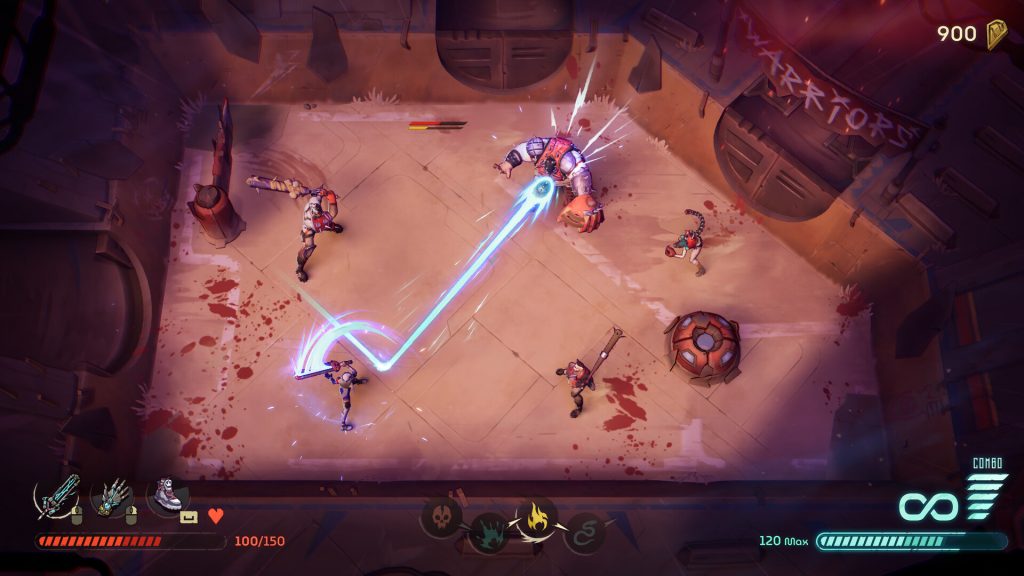
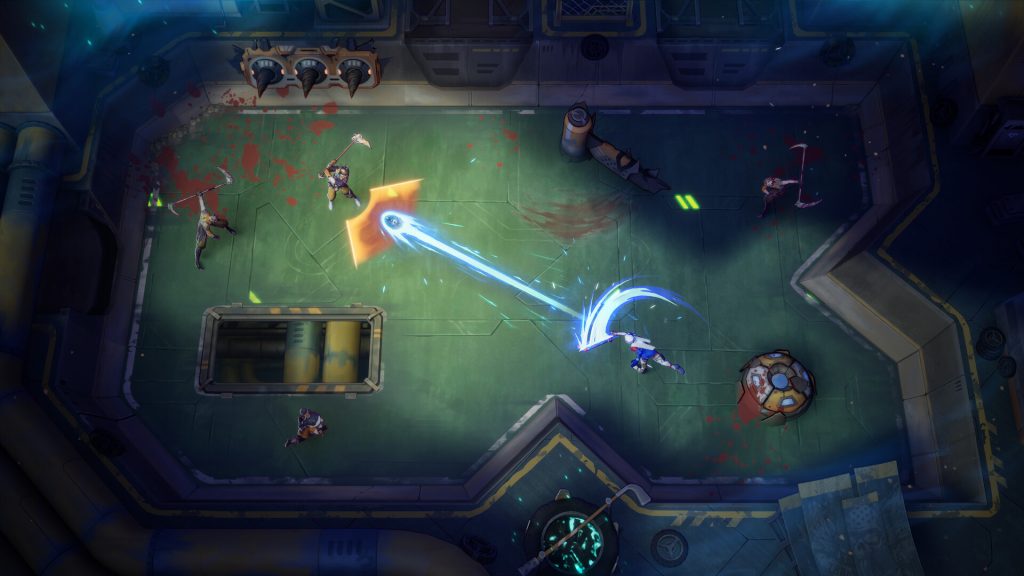
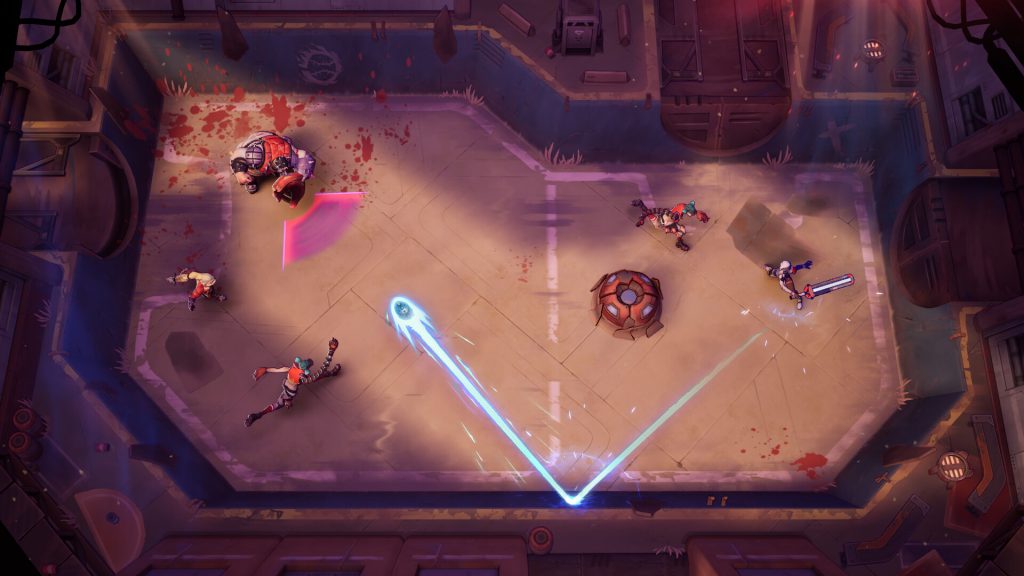
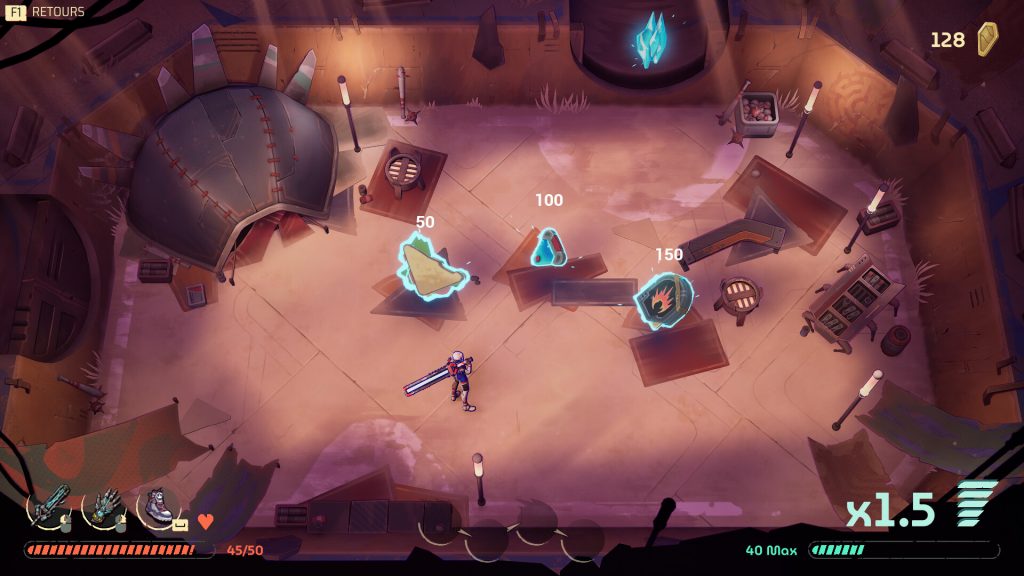
The combat revolves around the physics-governed Furyball. Players launch the ball precisely, use walls and environmental elements to ricochet it, induce chain reactions, and eliminate enemies. The structure prioritizes positioning and movement management as much as raw aiming skill — it’s not just about pointing the ball at an enemy, it’s about understanding how the ball’s path will unfold across the entire battlefield.
This is where the pinball influence becomes structural rather than aesthetic. Each combat zone is designed like a pinball machine, with bumpers, ramps, traps, and obstacles, and both enemies and the environment respond to the ball’s movement. The battlefield isn’t just a space where combat happens — it’s an active physics playground that amplifies, redirects, and complicates every shot.
The genius of this design is that it makes the environment a weapon and a hazard simultaneously. Bumpers and ramps can amplify your attacks into screen-clearing devastation, but the same physics elements can also end a stage in a single chaotic moment when things go wrong. The player has to read the battlefield like a pinball table, predicting how their single ball will interact with everything around it.
The Roguelite Layer
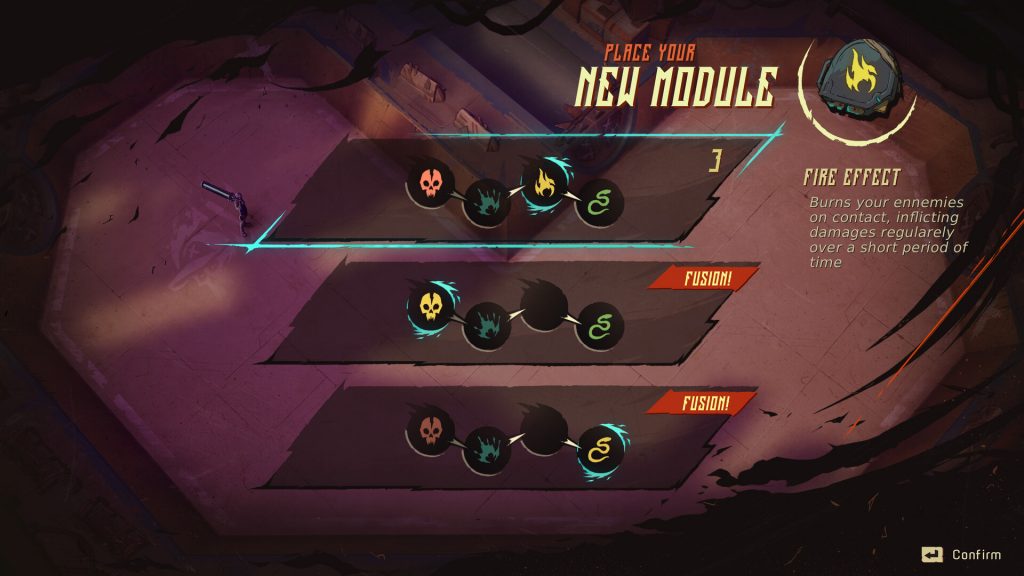
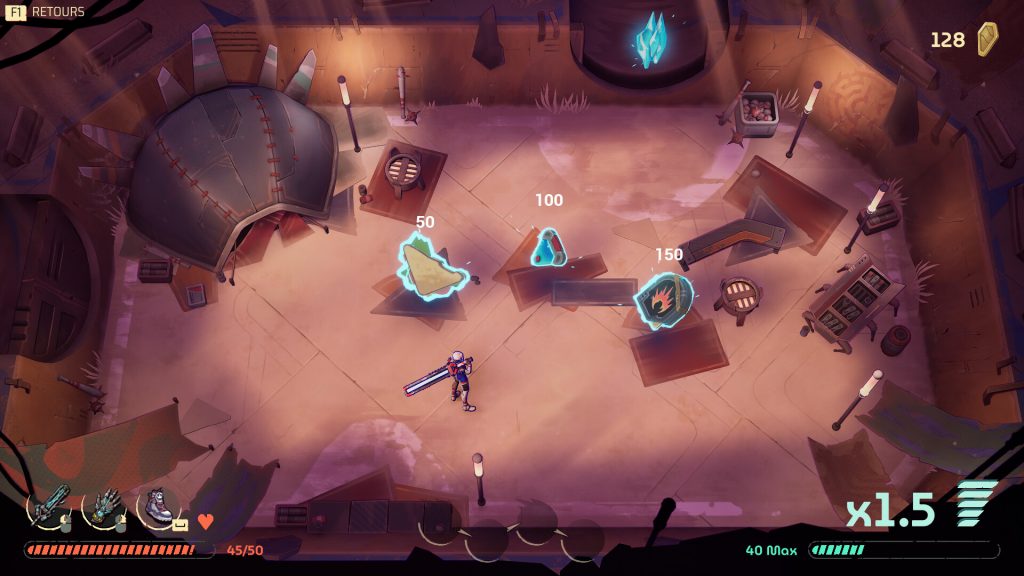
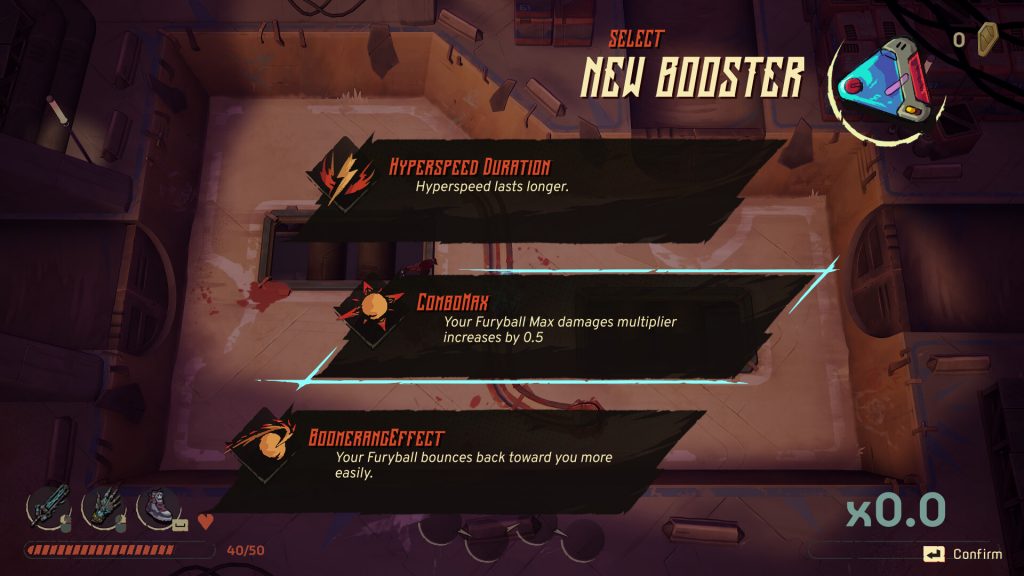
The roguelite structure adds the build-variety engine. Each run, players equip various modules that grant the ball special effects. Combining attribute effects like Burn, Bleed, and Destruction enables powerful synergy builds where a single volley can sweep every enemy on screen.
This is the right way to layer roguelite progression onto the physics combat. The module system means each run develops its own combat identity — a Burn-focused build plays differently from a Destruction-focused build, and discovering powerful synergy combinations is the kind of experimentation that gives roguelites their replay engine. When a build comes together, and a single shot clears the screen, that’s the dopamine hit that sustains the genre.
The combination of physics-based combat and roguelite build variety produces something genuinely novel. Most action roguelites derive their build variety from weapon and ability combinations applied to relatively standard combat. Furyball applies build variety to a physics system where the builds change how the ball itself behaves — which means each build doesn’t just change your stats, it changes the fundamental physics puzzle of every encounter.
The Grindhouse Aesthetic
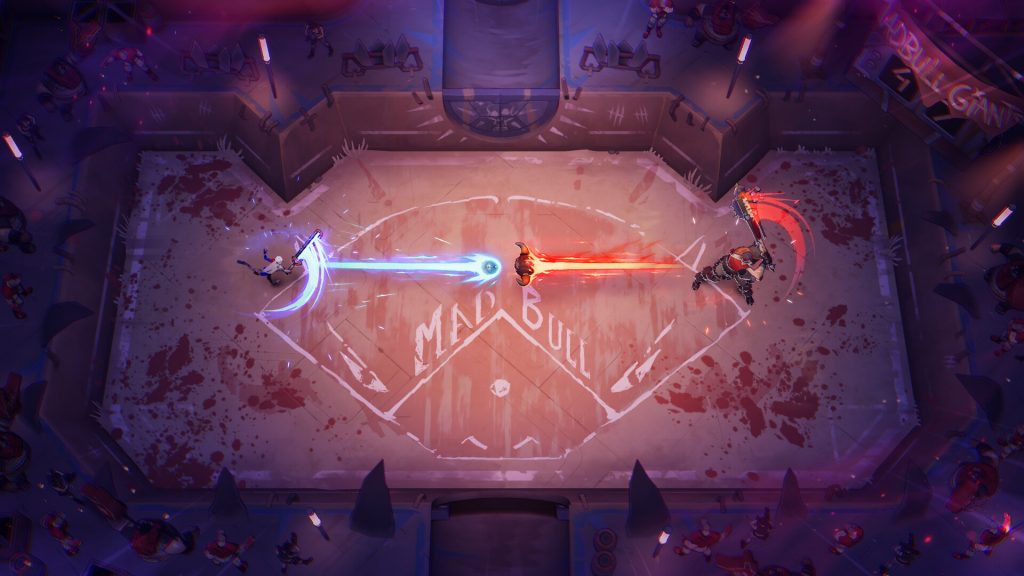
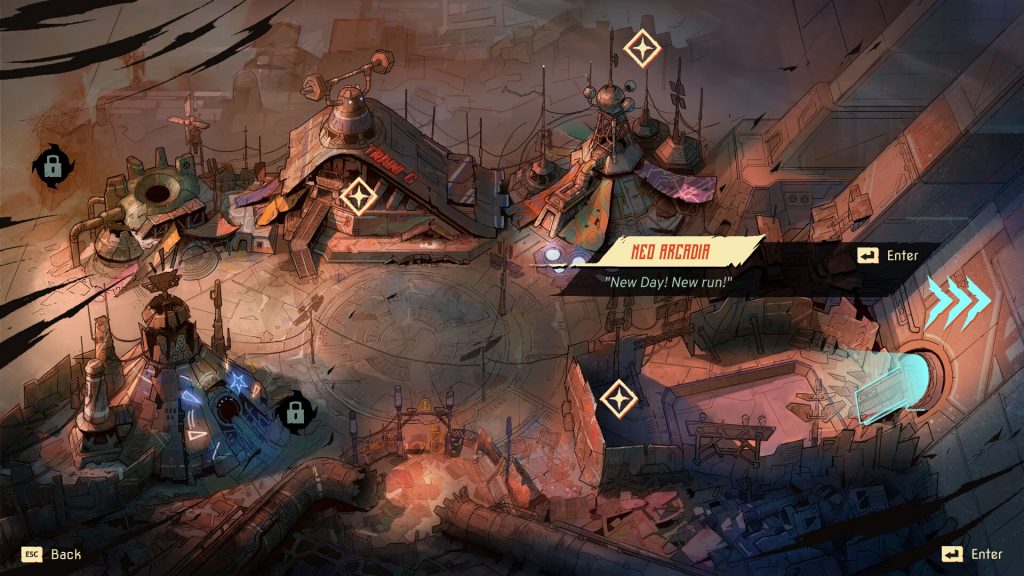
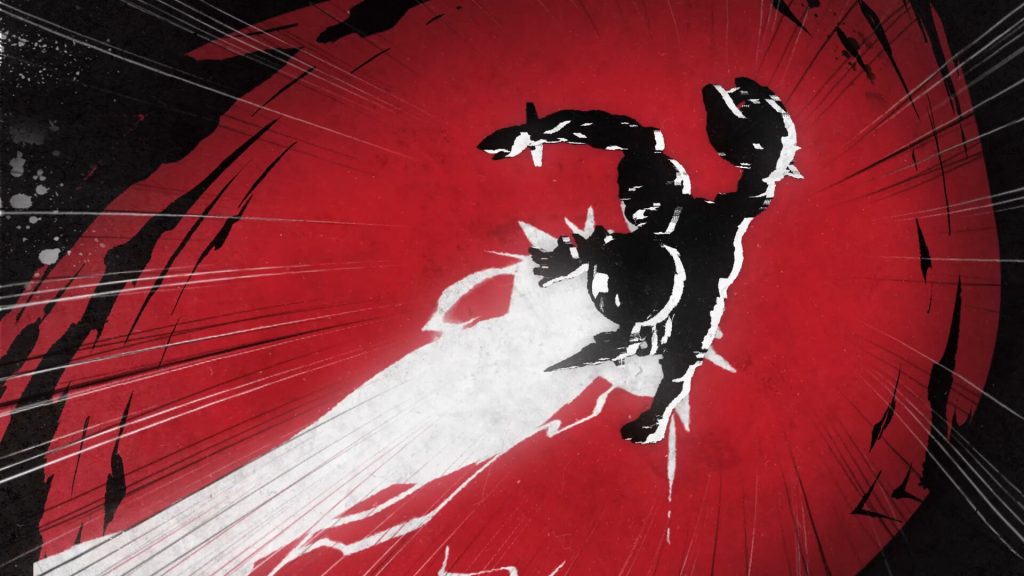
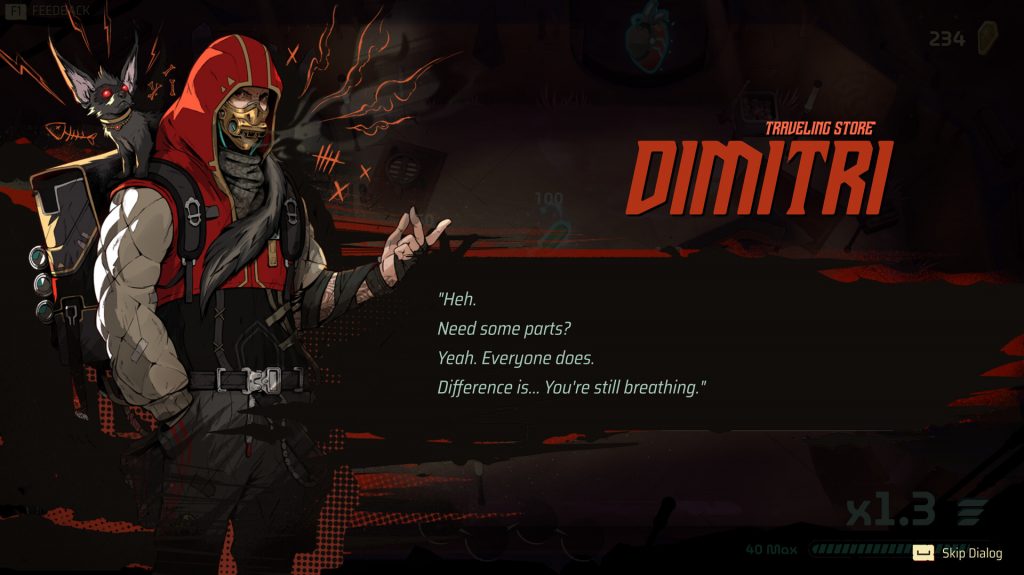
The visual and sonic identity is fully committed to its references. Furyball: Rogue Revenge takes place in the ruined retro-future world of Neo Arcadia, with a visual style paying strong homage to 70s B-movie sensibilities and grindhouse aesthetics. The rough, exaggerated energy of Mad Max, Rollerball, Akira, and Fist of the North Star gets reinterpreted through modern game visuals — blood-splatter, exaggerated violence, and neon-soaked wasteland-city atmosphere.
This is a specific and confident aesthetic register. The 70s grindhouse / Tarantino-violence / anime-dystopia combination is the kind of stylistic cocktail that signals exactly what the game is going for: over-the-top, stylized, cathartic violence in a deliberately trashy-cool register. It’s not trying to be tasteful. It’s trying to be the video game equivalent of a midnight grindhouse double feature, and the references make that intention clear.
The soundtrack seals it. Original disco-punk music by French artist The Toxic Avenger underscores the action, with the fast ricochet of the ball’s collisions and continuous rebound combos syncing to the disco-punk beats to create a distinctive arcade-action rhythm. This is the right musical choice — disco-punk’s driving, propulsive energy matches the fast ricochet rhythm of the combat, and having a known artist like The Toxic Avenger handle the score gives the audio a coherence and identity that elevates the whole package.
The synesthetic combination — ball physics syncing to disco-punk beats — is the kind of audio-visual integration that turns good action games into memorable ones. When the combat rhythm and the music rhythm align, the whole experience develops a flow state that’s hard to achieve through gameplay alone.
What the Demo Shows
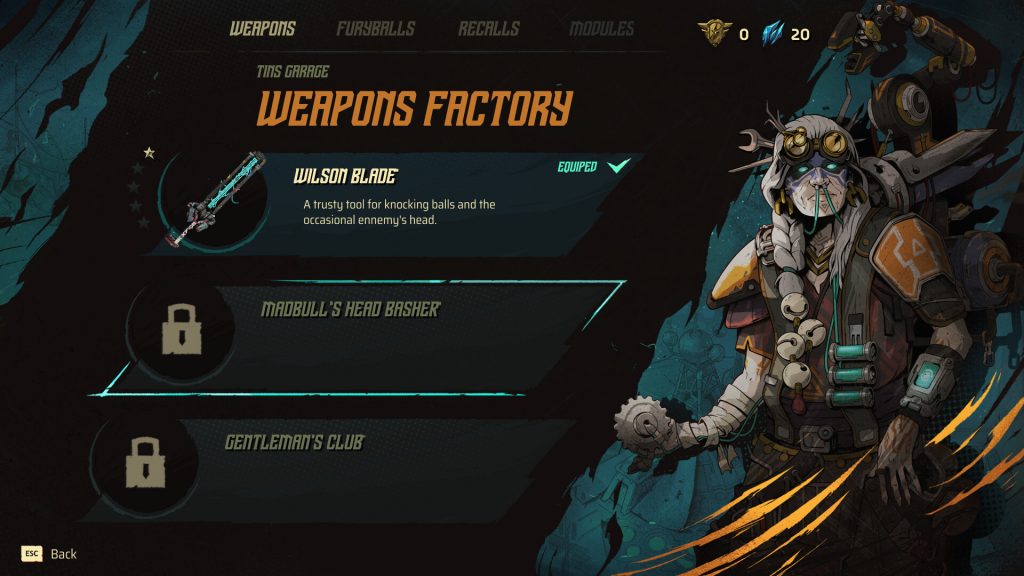
The current demo includes the protagonist Azami, the Furyball and blade weapon systems, Neo Arcadia’s first region, the first gang faction (the “Madbull Warriors”), various module builds, training mode, three difficulty levels, and boss battle content.
That’s a substantial demo — enough to communicate the core combat loop, the module-based build variety, the difficulty range, and the aesthetic identity. The inclusion of a training mode is particularly smart for a physics-based game, where players need space to understand the ball mechanics before the combat pressure ramps up. The three difficulty levels suggest the team is thinking about accessibility across skill ranges, which matters for a physics-skill game that could otherwise alienate less precise players.
The Showcase Circuit and Development Approach
Furyball: Rogue Revenge first appeared at the Games Made in France 2026 showcase in April, followed by a Steam public playtest that incorporated user feedback into ongoing improvements. The gameplay trailer premiered as an IGN world exclusive, and the demo launch coincided with featuring at the ActuGaming French Direct 2026 showcase. Steam Next Fest 2026 participation in June is also planned.
That’s a thorough showcase and feedback strategy, and it reflects a studio applying its commercial experience to indie marketing. The feedback-driven development approach has earned specific recognition — Games Press noted that the game “makes players feel they participated in shaping the development process, not just playing it.” That kind of community involvement is exactly what helps genre-experiment projects find their audience.
International coverage has been notably positive about the genre experiment. IndieGame.com described the project as “like Akira meets pinball,” highlighting Rebound CG’s bold genre transition and original action structure. The “Akira meets pinball” framing is probably the cleanest summary of what Furyball is — and the kind of high-concept pitch that immediately tells players whether they’re interested.
Who This Is For
Strong fit for: action roguelite fans seeking genuinely novel combat structures; physics-puzzle enthusiasts who want their puzzles fast and violent; players drawn to grindhouse / Tarantino / Akira aesthetic registers; pinball fans curious about the format applied to action combat; build-crafting roguelite players who want experimentation that changes core mechanics rather than just stats.
Cautious fit for: players who prefer precise, deterministic combat over physics-driven chaos; anyone who finds heavy stylization (blood, neon, exaggerated violence) off-putting.
Less ideal for: players who want traditional action combat without physics-puzzle elements; anyone seeking realistic or restrained aesthetics; players who dislike roguelite run-based structures.
What to Watch For
A few questions will shape Furyball: Rogue Revenge‘s path to its 2026 release.
The first is whether the physics combat maintains depth across a full game. Physics-based systems can be exhilarating in short bursts but difficult to sustain — the challenge is ensuring that the ricochet combat stays engaging across dozens of hours rather than revealing its limits after the novelty fades. The module system and roguelite variety are designed to address this, but full-game execution will be the test.
The second is the difficulty balance. Physics-skill games walk a fine line between rewarding mastery and frustrating players who can’t predict chaotic ball physics. The three difficulty levels in the demo suggest awareness of this, but tuning physics-based difficulty is notoriously hard.
The third is whether the “Rogue Beat ’em Ball” genre claim holds up. Coining a new genre is a bold marketing move, but it only sticks if the game genuinely feels like something new rather than a recombination of existing elements. Early reception suggests the novelty is real, but the full release will determine whether the genre coinage earns its place.
The fourth is content variety. Roguelites need substantial content — enough enemy types, environmental variety, module combinations, and boss encounters — to support long-term engagement. Whether Rebound CG delivers that variety across Neo Arcadia’s full scope is the practical question behind the creative ambition.
The Takeaway
Furyball: Rogue Revenge is one of the more genuinely surprising indie projects of the current wave — a sports management studio reinventing itself as an action roguelite developer while cleverly preserving the ball-physics expertise that made them successful in the first place. The “Rogue Beat ’em Ball” pitch is audacious, the grindhouse aesthetic is confidently committed, the disco-punk soundtrack from The Toxic Avenger gives it a distinctive sonic identity, and the physics-meets-roguelite combat structure is genuinely novel.
The risks are the standard risks for physics-based genre experiments — whether the combat sustains depth, whether the difficulty balances correctly, and whether the novelty translates into lasting engagement. But Rebound CG’s demonstrated design competence (and the clever way they’ve extended their existing expertise rather than abandoning it) makes these risks worth betting on.
For action roguelite fans, physics-puzzle enthusiasts, and anyone drawn to the Akira-meets-pinball aesthetic, the free demo is the fastest way to discover whether Furyball clicks. It’s on Steam now, with Steam Next Fest 2026 participation coming in June and a full release targeted for 2026.
One ball. A neon wasteland full of gang warriors. A pinball-table battlefield where every ricochet could clear the screen or end your run. As genre-bending indie pitches go, Furyball: Rogue Revenge is one of the boldest of the year — and the fact that it comes from a tennis management studio only makes it more interesting.
Information regarding ‘Furyball: Rogue Revenge’
| item | detail |
|---|---|
| Developer / Publisher | Rebound CG (Angoulême, France / 15-person team, founded in 2017) |
| Genre | Action Roguelite / Rogue Beat ’emball / Top-down Pinball Action |
| Release platform | PC (Steam) |
| Scheduled for release | 2026 (Scheduled to participate in Steam Next Fest 2026) |
| demo | Free Steam demo available |
| Soundtrack | The Toxic Avenger (Disco Funk Original) |
| inspiration | Tarantino Grindhouse / Mad Max / Rollerball / Akira / Fist of the North Star |
| Developer’s previous work | Tennis Manager series / TopSpin 2K25 (co-developed with 2K Sports) |
| Public history | Games Made in France 2026 / IGN World Exclusive / ActuGaming French Direct |
| Main Keywords | Pinball, Grindhouse, Roguelite, Disco Funk, Tangu, Gang, Retrofuture |
| Official Channel | Discord · YouTube · Bluesky · X · TikTok · Instagram · Reddit |
| Steam Page | Go to Wishlist |