The Orishas have been forgotten. The ancient mythology that once ordered the world has faded from memory, and as it fades, the legends distort — twisting into something dangerous, pulling the world out of balance. A young warrior who remembers the old faith steps into the breach, drawing on the powers of the divine figures whose names others have stopped speaking, to fight the corrupted spirits and warped legends that the forgetting has unleashed.
Talaka, the roguelite action game from Brazilian studio Potato Kid (published by Acclaim), opens its closed beta July 16 with two worlds available for the two-week test period. The beta registration window closes July 16 through the PlayAcclaim Discord server’s #talaka-beta-request channel. Full release targets early 2027 on Steam and other modern platforms.
For a genre — action roguelite — that has exhausted European fantasy, Greek mythology, East Asian folklore, and countless other cultural settings, Talaka‘s grounding in Afro-Brazilian and African mythological tradition is the kind of source material that immediately distinguishes a project from its contemporaries. The Orishas aren’t decorative mythology applied to standard action game structure; they’re the conceptual foundation from which the game’s narrative, combat powers, and emotional stakes are built.
The Mythology
The Orishas — divine figures from Yoruba religious tradition, carried through the diaspora to Brazil through Candomblé and other traditions — are among the most dramatically rich mythological systems available to game design. Unlike Greco-Roman mythology, which games have engaged with so extensively that individual Orishas carry no cultural default meaning for most players, the Yoruba-Candomblé divine figures are simultaneously underrepresented in gaming and genuinely complex. Each Orisha has specific domains, personalities, associated colors, rhythms, and relationships with other Orishas that create a web of meaning that differs substantively from the pantheon structures most gaming audiences have encountered.
The game’s narrative premise — that forgetting mythology causes it to corrupt — is philosophically resonant with how diaspora cultures have historically experienced their sacred traditions. The forced disruption of West African religious practice through the Atlantic slave trade created exactly the kind of fragmented, partially-remembered mythology that Talaka is dramatizing. The young warrior who remembers when others have forgotten is a figure who resonates with real cultural history, not just fantasy narrative convention.
Potato Kid CEO Paulo Luis Santos described the project’s intentions without extensive elaboration, letting the material speak: the game tracks “the truth behind why forgotten myths have started to break the world’s balance.” The premise trusts players to find the weight in this without needing it explained.
The Hand-Painted Aesthetic
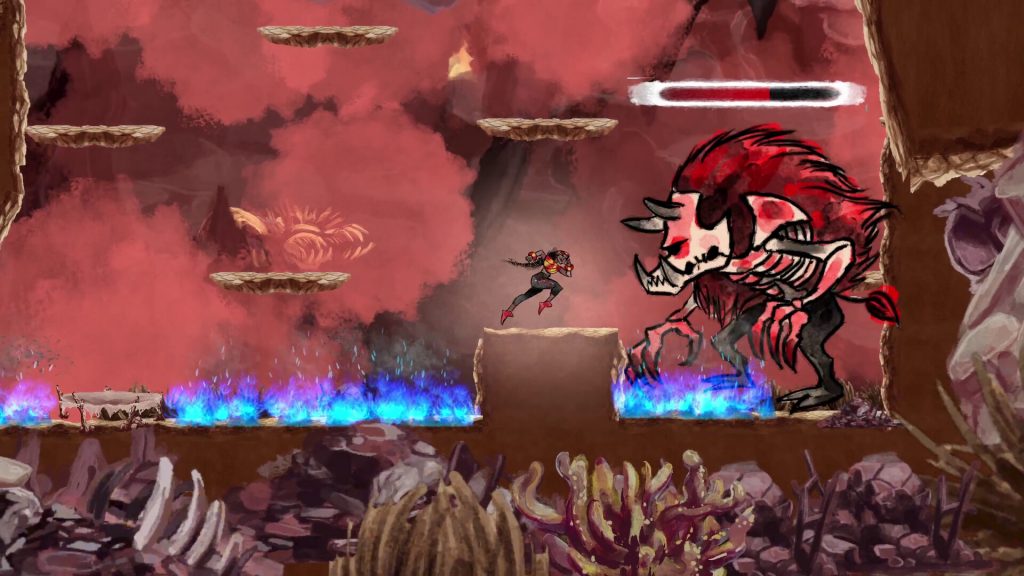
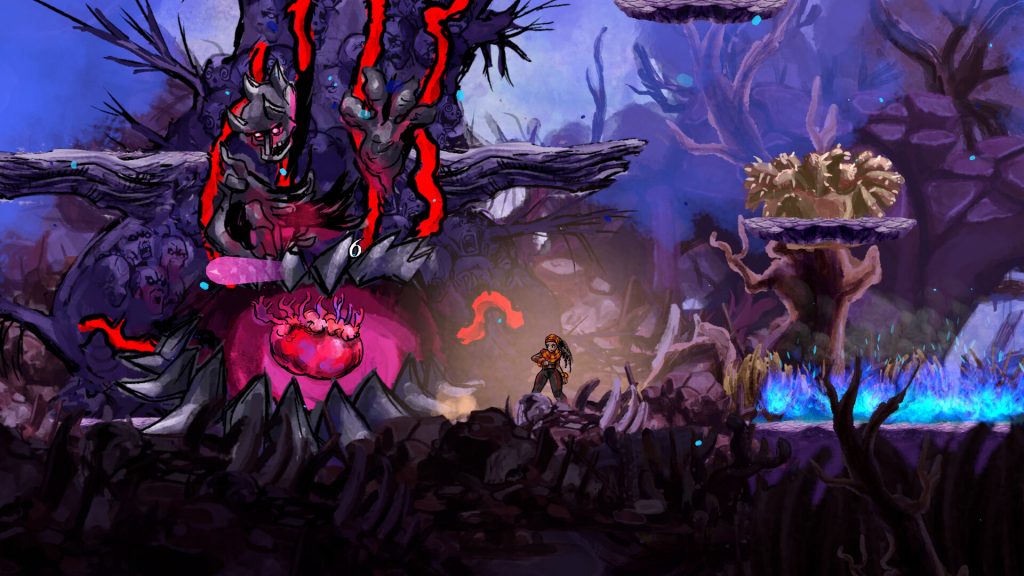
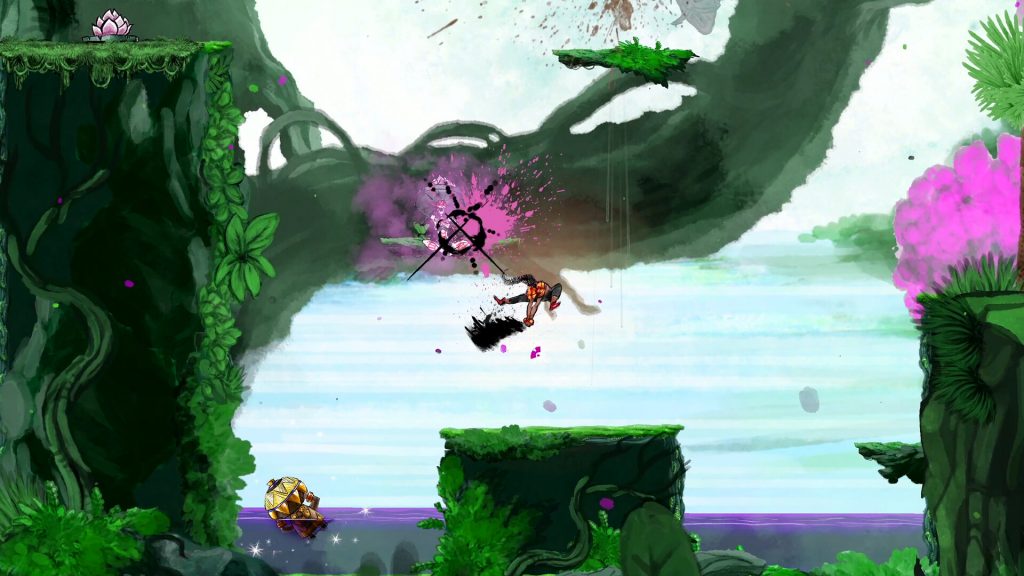
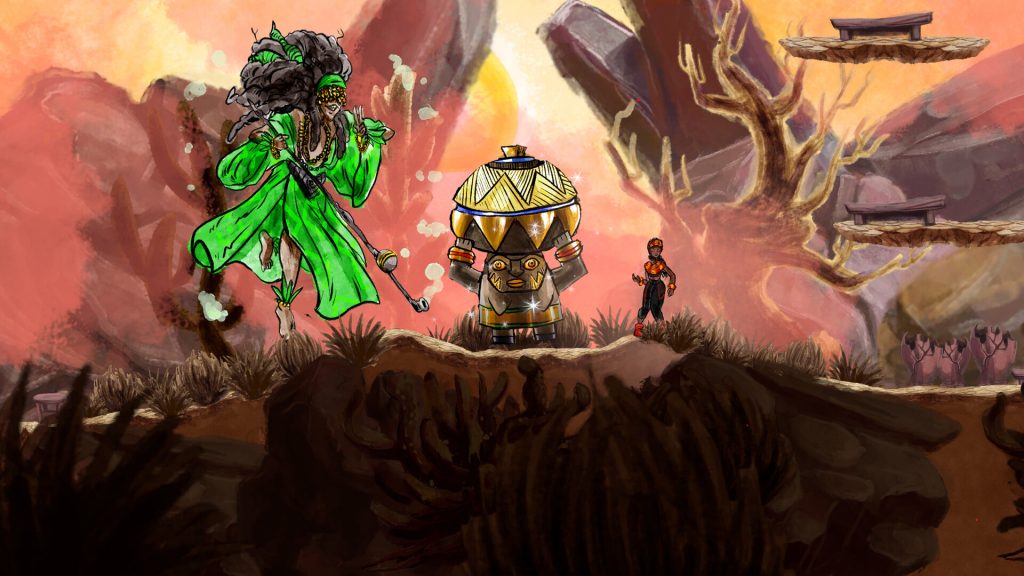
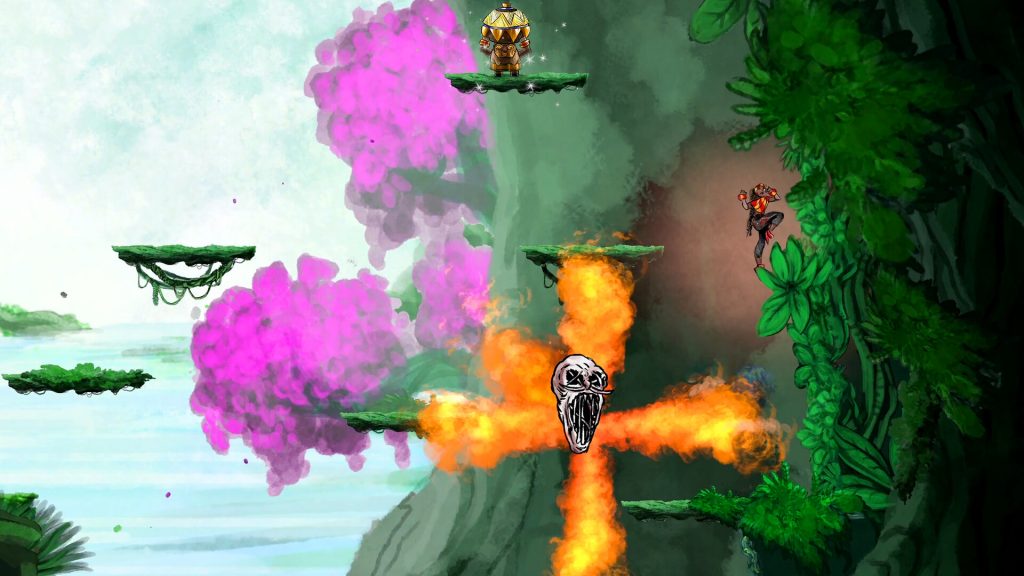
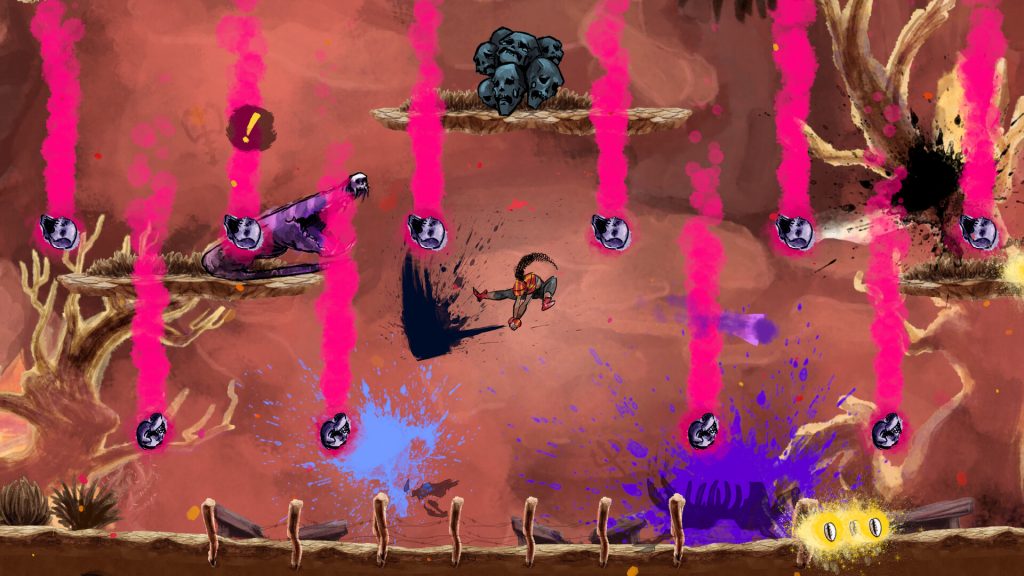
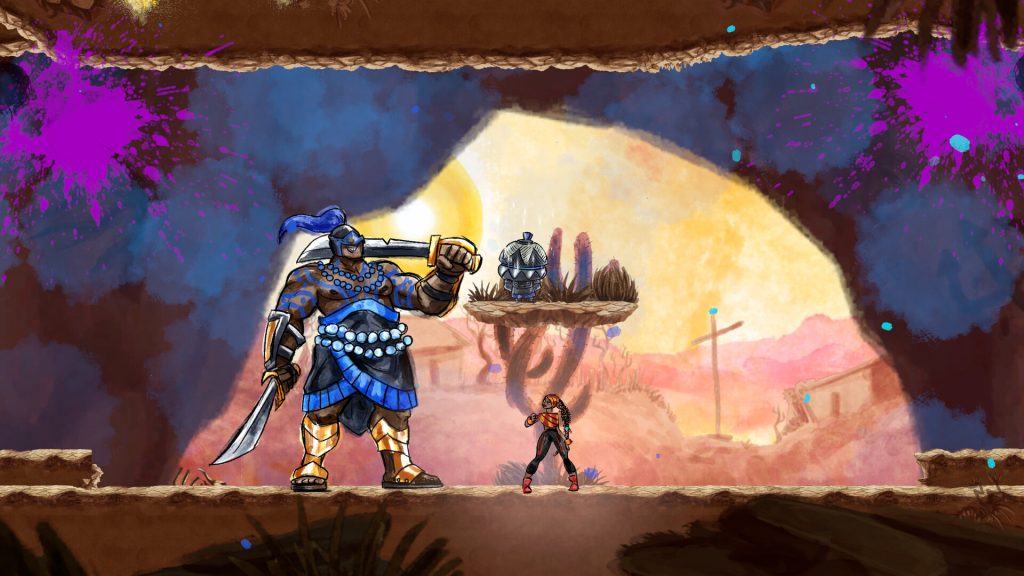
The hand-painted watercolor-adjacent visual style is the correct artistic register for this mythology, and the reasoning deserves attention. Candomblé and related traditions have their own visual traditions — intricate patterns, specific color associations with each Orisha, the beadwork and textiles of ritual practice. These aren’t traditions that translate naturally into the pixel art or cel-shaded 3D that dominates action roguelites. Hand-painted work, with its visible brushwork and organic color relationships, connects the visual presentation to an artisanal tradition of making rather than a digital tradition of rendering.
Fast combat that retains the hand-drawn texture in both backgrounds and effects is a specific technical accomplishment. Most games with painterly aesthetics achieve the look in static environments but lose it when particle effects and combat animations take over the screen. Talaka‘s commitment to maintaining this quality during action sequences means the mythological sensibility the aesthetic establishes doesn’t disappear precisely when the gameplay intensity peaks — which would be the worst possible failure point.
The sound design completes this cultural commitment. Percussion and vocal elements from African and Brazilian musical traditions create an audio identity that reinforces rather than undermines the visual and narrative material. This is not generic fantasy music applied over culturally specific content; it’s audio that comes from the same traditions the game is drawing on.
The Combat and Roguelite Structure
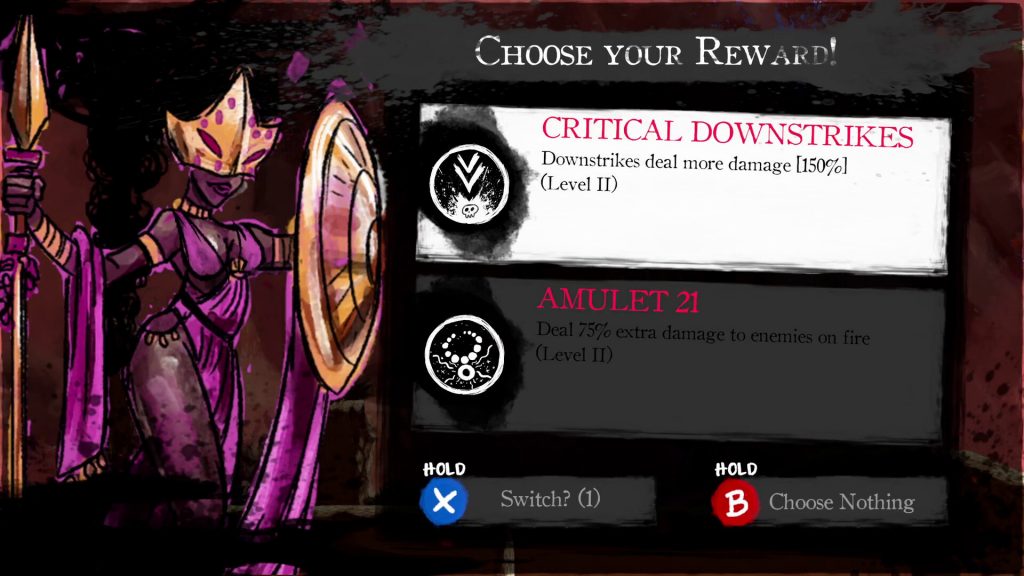
The Orisha-power-based combat is the mechanic that must translate the mythology into gameplay without reducing complex divine figures to ability button labels. Talaka‘s approach — a young warrior drawing on Orisha powers to fight corrupted spirits — frames the divine powers as something borrowed and channeled rather than personally owned, which maintains the sense of the Orishas as genuinely other entities rather than character builds.
The roguelite structure suits this material in specific ways. Roguelites work best when the repetition of runs has thematic meaning rather than purely mechanical justification. A warrior repeatedly attempting to restore corrupted mythology, learning more about what went wrong with each run’s revelations, accumulating understanding across failures — this is thematically coherent in ways that random dungeon action without narrative framing isn’t. The mythology is distorted; restoring it takes repeated attempts; each attempt reveals more of the truth. The genre structure and the story logic align.
The two worlds available in the closed beta — the first two of presumably more — will allow beta participants to evaluate whether the combat systems create the variety and escalation that roguelite structure requires, and whether the Orisha power set translates into meaningfully different tactical approaches rather than primarily aesthetic variation.
The Beta’s Purpose
Santos was precise about why the beta matters at this stage: “We can confirm parts that are easy to miss during the development process from a fresh perspective, so players’ opinions will be a great help in raising the game’s level of completion.”
The specific acknowledgment that development creates blind spots — things the team has worked on so long that they can no longer see them as players do — reflects the genuine epistemological challenge that closed betas address. A studio that has spent years building a game cannot evaluate its own difficulty curve, its own pacing, or its own clarity of instruction the way a player encountering it fresh can. Beta feedback doesn’t replace design vision; it supplements it with data that the team’s own perspective cannot generate.
Santos also invoked the studio’s own relationship to the genre: “We’re also players who enjoy roguelite games, so we understand how important balance is.” For a studio whose first public project targets a genre they know from the player side, this is meaningful context — they understand what they’re being evaluated against because they’ve evaluated other games from the same position.
The Latin American Mythological RPG Context
Talaka arrives as part of a wave of Latin American indie games engaging seriously with their own mythological and cultural traditions. Earlier in our coverage this year, Brazilian studio Liminal Road’s Doctor Viscera demonstrated Brazilian horror sensibility; this month, Colombian studio RipRed’s Graphite drew on a school-notebook Latin American childhood aesthetic. Talaka goes deeper into cultural specificity, building an entire game around African diasporic religious mythology that Brazilian culture has carried and transformed.
This is valuable creative territory not because non-Western mythology is inherently superior material for games, but because underrepresented traditions bring fresh dramatic possibilities to genres that have exhausted familiar mythological territory. The Orishas as game protagonists and power sources carry associations that no amount of Greek mythology variation can replicate, because the cultural history they bring with them is genuinely different.
For the broader Latin American indie scene, Talaka represents the kind of work that builds international credibility: deeply culturally specific in its sources, globally communicable in its genre execution, and honest enough about its origins to invite rather than avoid the cultural conversation its material opens.
Who This Is For
Strong fit for: action roguelite enthusiasts seeking genuinely fresh cultural and mythological territory; players who have exhausted European and East Asian fantasy settings in the genre; Afro-Brazilian culture and Candomblé tradition enthusiasts who want to see their heritage seriously represented in games; players drawn to hand-painted aesthetic work in games; developers and players interested in the growing Latin American indie scene; anyone who found Hades‘ Greek mythology roguelite satisfying and wants to know what another tradition’s divine figures feel like in the same structural frame.
Cautious fit for: players who prefer finished games to closed betas; roguelite enthusiasts who want to wait for the full content scope before evaluating; anyone primarily interested in the mythology rather than the action gameplay.
Less ideal for: players who dislike roguelite structure regardless of setting; anyone seeking narrative-heavy experiences without significant action components; players who want familiar Western fantasy settings in their roguelites.
What to Watch For
The closed beta’s two worlds provide the first genuine player data on Talaka‘s most important questions. Does the combat system translate Orisha powers into mechanically distinct approaches, or do the divine associations remain primarily aesthetic? Does the roguelite run structure generate the run-to-run variety that the genre requires to sustain engagement? Does the difficulty curve reflect the studio’s stated commitment to fair balance, particularly in the early game where first impressions form?
Post-beta, the development path toward early 2027 needs to demonstrate how much of the remaining content is built versus planned. The gap between a two-world beta and a complete roguelite release is substantial, and how Potato Kid communicates progress through that development period will affect the community’s confidence in the timeline.
The Takeaway
Talaka is among the most culturally ambitious roguelite projects currently in development — a Brazilian studio engaging seriously with Afro-Brazilian and African mythological tradition through hand-painted aesthetics, culturally appropriate sound design, and a narrative premise that treats the forgetting of mythology as genuinely dangerous rather than as backdrop. The Orisha-power combat, the corrupted-legend enemies, and the young warrior’s quest to understand what went wrong give the roguelite structure specific cultural weight that purely aesthetic mythology games can’t achieve.
The closed beta is the first opportunity for external validation of whether these ambitions are being realized in play. Santos and Potato Kid enter the beta knowing what they want to hear — not praise but an honest response, a perspective that development proximity makes impossible to generate internally.
The Orishas have been forgotten. The world is out of balance. The warrior remembers. And somewhere in the first two worlds of the closed beta, players will begin to understand whether Talaka can make that premise feel as significant in play as it sounds on paper.
Beta opens July 16. Registration closes the same day. The PlayAcclaim Discord’s #talaka-beta-request channel is where it starts.
Information regarding ‘Talaka’
| item | detail |
|---|---|
| Developer | Potato Kid (Brazil) |
| Publisher | Acclaim |
| Genre | Roguelite / Action |
| Release platform | PC (Steam) and modern platforms |
| Scheduled release date | Early 2027 |
| Closed Beta Registration | ~July 16, PlayAcclaim Discord (#talaka-beta-request channel) |
| Closed beta period | July 16–30, 2026 (First two worlds revealed) |
| First reveal | PlayAcclaim Showcase (2025) |
| Steam Page | Shortcut |