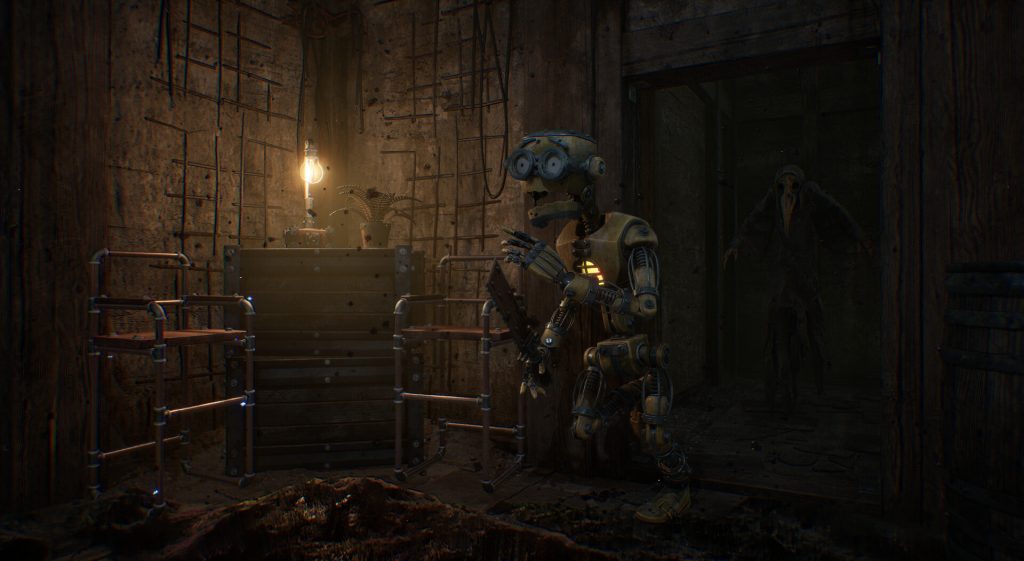
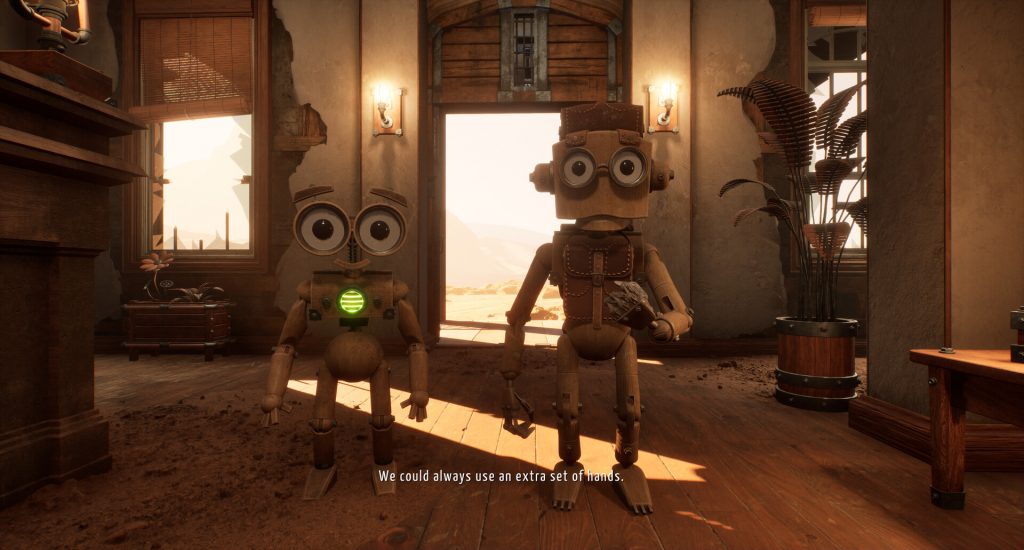
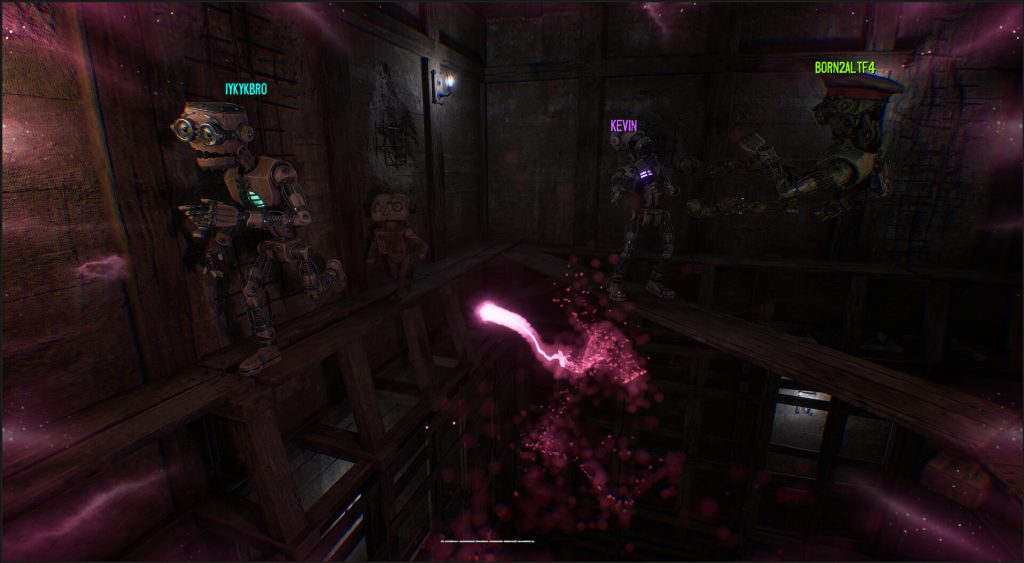
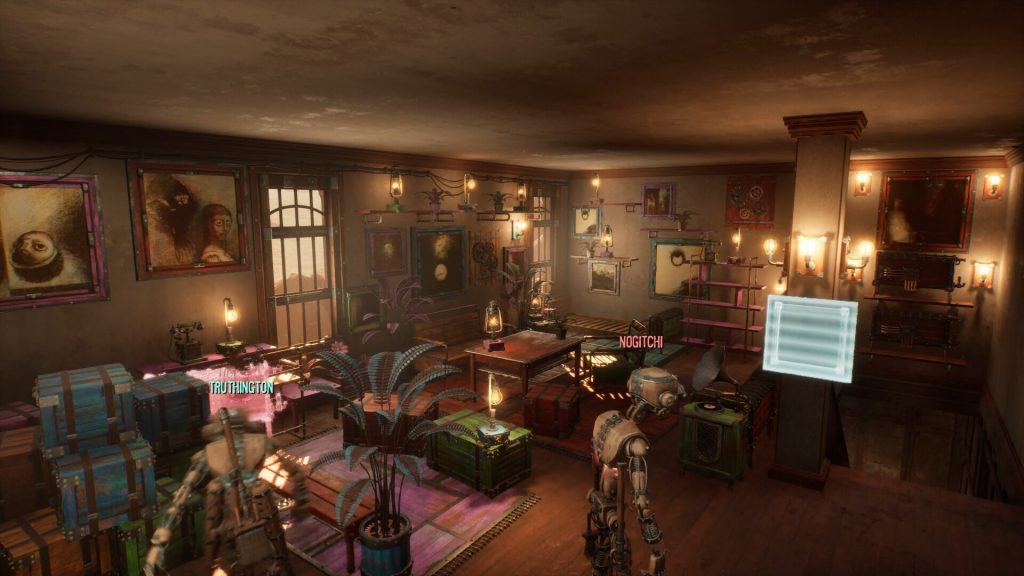
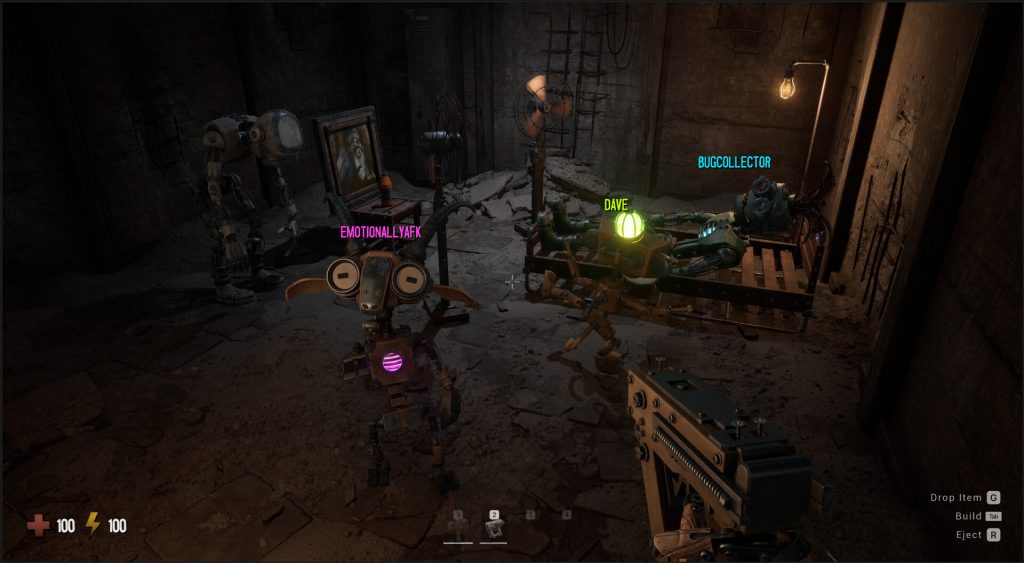
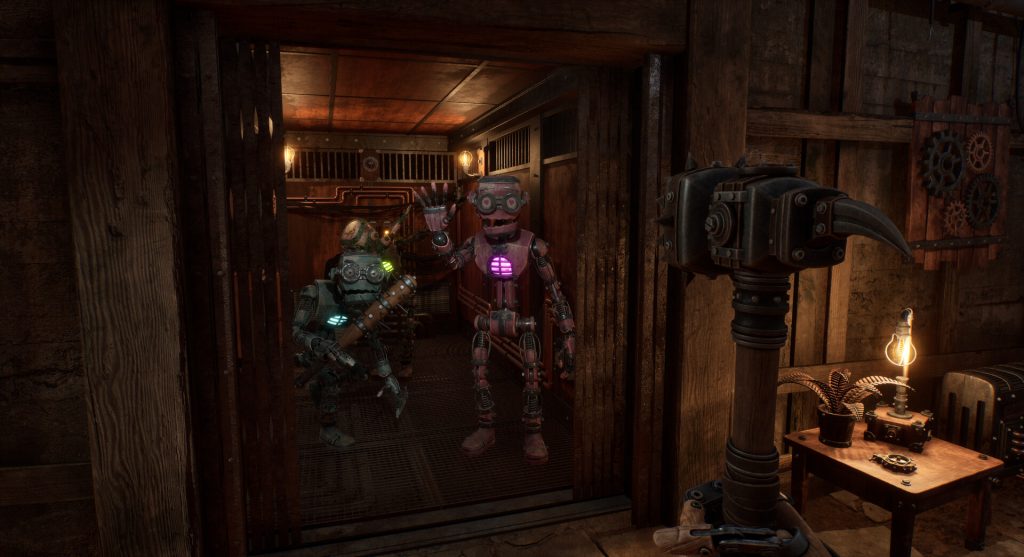
You are a Living Spark — a soul inhabiting a wooden body that catches fire. Your body is structurally compromised by default. The underground ruins you’re descending into via cursed elevator are full of monsters that respond to sound and movement. Your teammates can push your Spark out of your body. They can also trap you in corridors with the monsters. And the developers’ description of the game includes the phrase “who needs enemies when you have friends like these.”
Grain Rot from Stockholm-based two-person studio Beck & Branch Games, launches August 7 on Steam. The June Next Fest demo accumulated 350,000+ downloads and 200,000 wishlists while reaching the top 15 most-played demos during the event — numbers that a two-person studio’s debut project rarely achieves, which suggests the concept is communicating with unusual clarity.
The premise is the explanation. Co-op horror extraction with friendly fire mechanics, body-swapping soul possession, and flammable wooden bodies in a dungeon full of fire hazards and sound-sensitive monsters: this is the specific combination of stressors that makes co-op gaming produce the absurd emergencies that streaming content rewards.
The Living Spark Mechanic
The soul-inhabiting-a-wooden-body design is doing several things simultaneously. The wooden body’s flammability creates environmental danger independent of the monster threat — fire is everywhere in a ruined dungeon, and your body burns. The body’s destructibility means “death” in Grain Rot is temporary rather than terminal: when your body is destroyed, you find a new one and continue. But if all party members lose their bodies simultaneously, all unextracted loot disappears.
This design produces a specific kind of tension that combat-health systems don’t. It’s not “am I about to die?” but “am I about to lose my body?” with the consequence being dispossession rather than elimination. The soul persists; the material form is temporary. The threat is to the extraction run rather than to the character’s existence.
The body-swapping possibility — pushing a teammate’s Spark out of their body to take it yourself, or finding a new body while a teammate is displaced — creates the social betrayal mechanics that the game’s marketing leans into. The cooperative goal (extract as much loot as possible before everyone’s bodies are destroyed simultaneously) is theoretically aligned for all players, but the moment-to-moment interactions create opportunities for self-interested decisions that harm teammates. This is not accidental design; it’s the specific tension that makes co-op games generate the most memorable moments.
The Extraction Structure
Descending via cursed elevator, exploring procedurally varying underground ruins, collecting resources by destroying furniture and processing materials through grinders for gold, expanding a surface outpost with extracted wealth — this is the roguelite extraction loop that Grain Rot is building around. The dungeon modifier system adds run-specific complications that prevent the loop from becoming routine.
The “Living Spark” soul persistence through body loss creates a specific extraction dynamic. In most extraction games, player death is the terminal event that ends the run; in Grain Rot, losing a body is survivable as long as other bodies are available. This means the run’s true failure state is the simultaneous body loss of the entire party — a collective catastrophe rather than individual elimination. Team survival and individual resource maximization become genuinely different objectives, which is where the betrayal mechanics find their most interesting expression.
The Corrupted monsters’ sensitivity to sound and movement creates the stealth layer that prevents Grain Rot from being pure extraction chaos. Some moments require coordination and quiet; others degenerate into the physics-comedy destruction that Unreal Engine 5’s realistic physics simulation makes spectacular. The contrast between “we need to be very quiet right now” and “my friend just threw me into a burning bookcase, and now The Corrupted are coming” is precisely the tonal range that makes this kind of game work for extended sessions.
The Physics and Unreal Engine 5
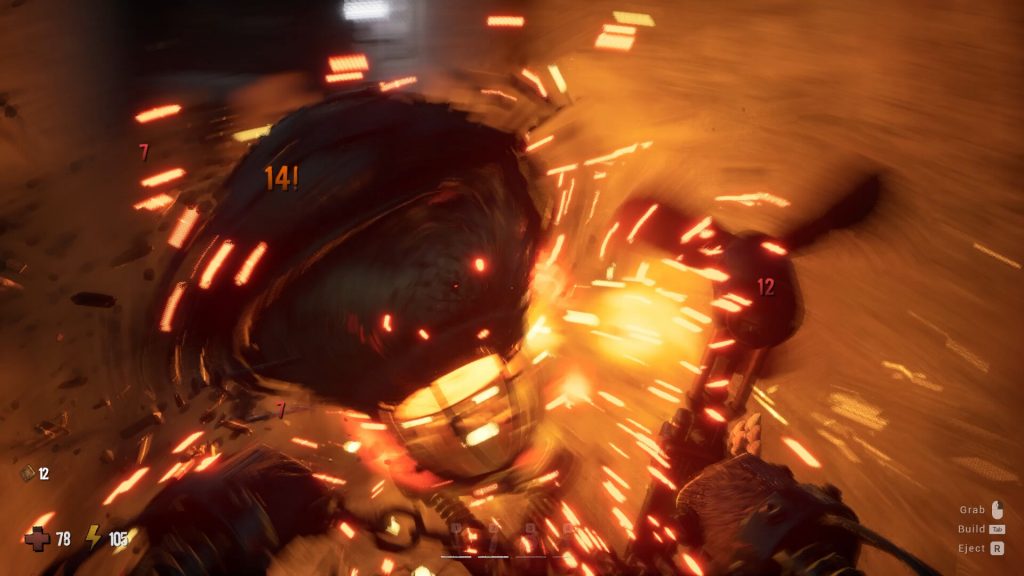
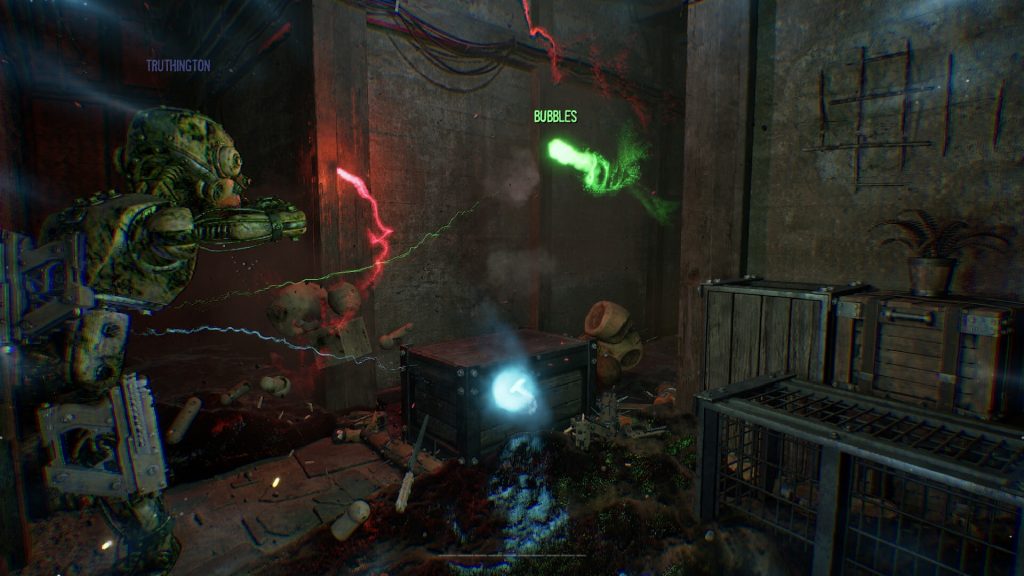
Realistic physics applied to destructible wooden furniture in a fire-prone environment with four players taking physical actions that affect each other creates the emergent comedy that no scripted set piece could reproduce. Furniture shattering, bodies catching fire, the chain reactions of physical interactions between players and environment — these are the situations where co-op chaos becomes memorable rather than merely frustrating.
Unreal Engine 5’s physics capabilities are specifically well-suited to this kind of environmental destruction spectacle. The developer’s description of “realistic physics effects showing furniture shattering and wooden bodies engulfed in flames” suggests they’re using the engine’s capabilities for the right application: not photorealistic character rendering but physically plausible object interaction in a chaotic environment.
The demo reviewer who said “I thought it would be a light game to enjoy with friends at first, but within a few hours I was much more deeply immersed than expected” describes the specific discovery pattern that good co-op games produce: the apparent simplicity of the concept gives way to the emergent complexity of four people trying to coordinate in an environment that keeps making coordination difficult.
The Demo Numbers in Context
350,000 demo downloads and 200,000 wishlists for a two-person studio’s debut is exceptional by any measure. For context: most well-received indie game demos during Steam Next Fest accumulate wishlists in the tens of thousands. Grain Rot hitting 200,000 suggests the concept isn’t just finding its audience but spreading beyond it — the numbers imply players are sharing the game with friends, which is the correct viral pattern for a co-op game that’s better with more participants.
The Top 15 most-played Next Fest demo position reflects engagement rather than just downloads — players who downloaded the demo actually played it for meaningful time, which is the metric that converts wishlists to purchases.
The 80% Very Positive demo rating on a 35-minute-to-understand premise with four-player coordination requirements is a strong foundation. The 20% negative response likely reflects technical issues or co-op coordination frustration that the full release can address — the 80% who responded positively were clearly engaging with the experience the game intended.
The Beck & Branch AI Disclosure
The studio’s statement that “AI support tools may be used in parts of the development process, but all decisions about gameplay, creative direction, and final assets are made by us directly” is the third such disclosure framework we’ve encountered in recent coverage, and the phrasing is notably more specific than some. The distinction between using AI tools in the development process and AI making creative decisions is the relevant one — the disclosure acknowledges tooling reality while asserting human creative ownership of the output.
For a two-person studio building with Unreal Engine 5 — a technically demanding engine that creates specific production challenges at a small team scale — AI assistance in specific development tasks (texture work, placeholder asset generation, code review) is the kind of tooling that helps small teams produce at quality levels otherwise requiring larger teams. The transparency is appropriate, and the framing is honest.
Who This Is For
Strong fit for: Lethal Company and Phasmophobia players who want a new co-op horror premise to explore with friend groups; players who specifically enjoy the betrayal-adjacent mechanics of games where friendly fire or teammate trolling is possible; extraction game enthusiasts who want horror atmosphere alongside the loot loop; physics sandbox fans who want their destruction in a purposeful horror context; streamers seeking games that generate unpredictable entertaining moments with audiences; friends looking for a new shared experience that produces stories worth retelling.
Cautious fit for: solo players (4-player co-op design makes solo play a notably diminished experience); players who find friendly-fire mechanics frustrating rather than funny; horror players who want sustained atmospheric dread over horror-comedy chaos.
Less ideal for: players seeking single-player depth; anyone who dislikes extraction game structure; players who want clear narrative content rather than emergent storytelling through physics chaos.
What to Watch For
The full release needs to deliver the content expansion it promises — new zones, monsters, bosses, quests, weapons, NPCs, and expanded outpost progression — at a quality and scale that justify players moving from the demo’s free content to a paid purchase. The demo’s exceptional performance creates an expectation gap that full release content must fill.
The base progression loop’s long-term depth is the other primary question. Extraction games sustain engagement through the combination of run-to-run variation and meta-progression investment. Whether Grain Rot‘s dungeon modifier system creates sufficient run variety and whether the outpost progression creates sufficient meta investment will determine if the August 7 launch converts 200,000 wishlists into a sustained player community.
The Takeaway
Grain Rot is 2026’s most impressive small-team pre-launch demo performance — 350,000 downloads and 200,000 wishlists for a two-person Stockholm studio’s debut reflect a concept that found its audience immediately and spread beyond it. The soul-possession-in-flammable-wooden-body premise, the friendly-fire betrayal mechanics, the Unreal Engine 5 physics destruction, and the horror extraction loop combine in ways that produce both genuine tension and involuntary comedy — which is precisely the combination that makes co-op gaming produce its most memorable shared experiences.
Beck & Branch Games built something that 350,000 people tried and 200,000 want more of. August 7 is when they find out how many of those 200,000 want to pay for what comes after the demo.
The cursed elevator is descending. The wooden body is already slightly on fire. Your teammates have that look. And The Corrupted are listening for exactly the kind of noise you’re about to make.
August 7. Try not to burn.
Information regarding ‘Grain Rot’
| item | detail |
|---|---|
| Developer | Beck & Branch Games (Stockholm, Sweden, 2-person studio) |
| Publisher | Neem Interactive |
| Genre | Cooperative Horror Extraction Builder |
| Release platform | PC (Steam) |
| Release date | August 7, 2026 |
| engine | Unreal Engine 5 |
| Demo results | Over 350,000 downloads, around 200,000 on wishlists, Top 15 Most Played Demos at Steam Next Fest |
| Demo evaluation | Very positive (80% positive) |
| Maximum number of people | 4-player co-op |
| Steam Page | Shortcut |