A rundown farm inherited from a grandfather. A village that’s lost its spark. And four elemental dragons — fire, water, earth, and electric — who become, as trust builds, active partners in bringing both back to life. Wild Forest Studio and Curve Games have launched Dragon Shelter on Steam, and the reception arc since launch tells its own specific story about what a strong opening week doesn’t guarantee.
The Loop
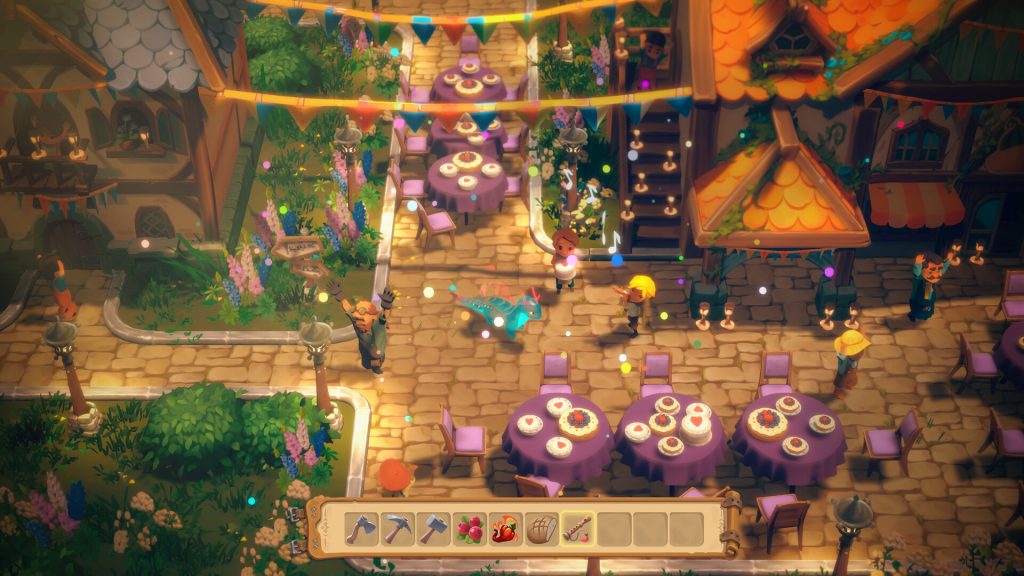
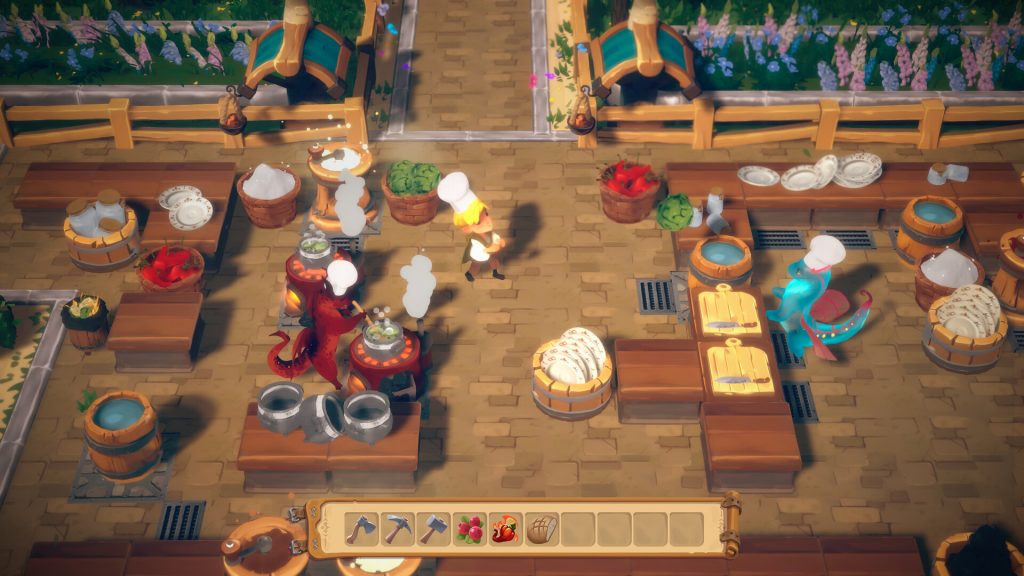
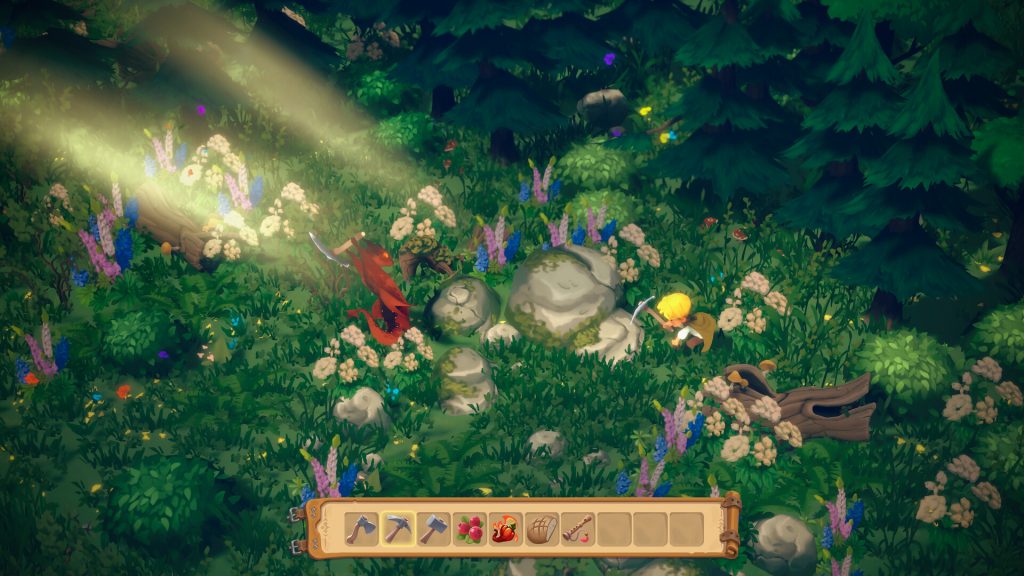
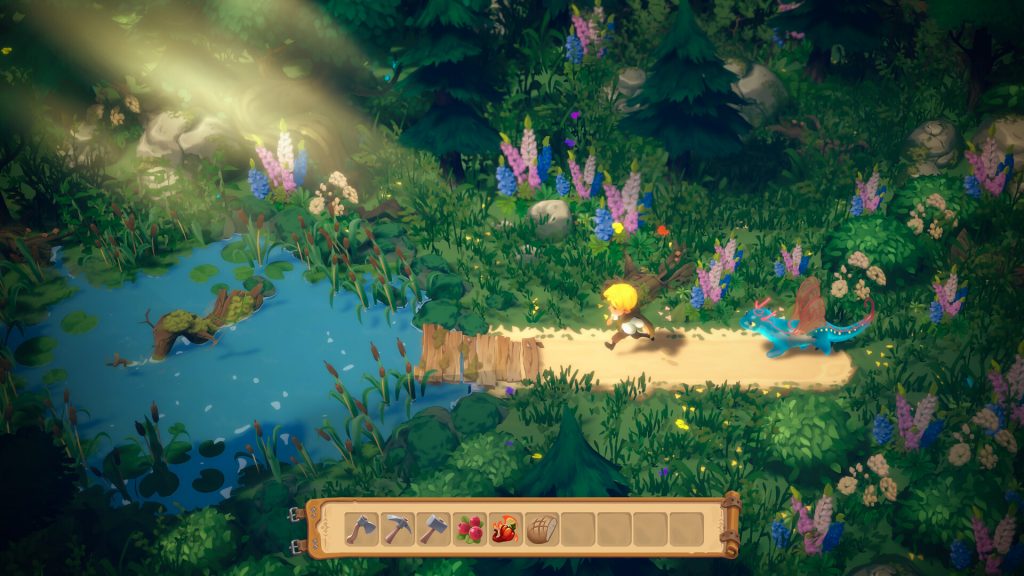
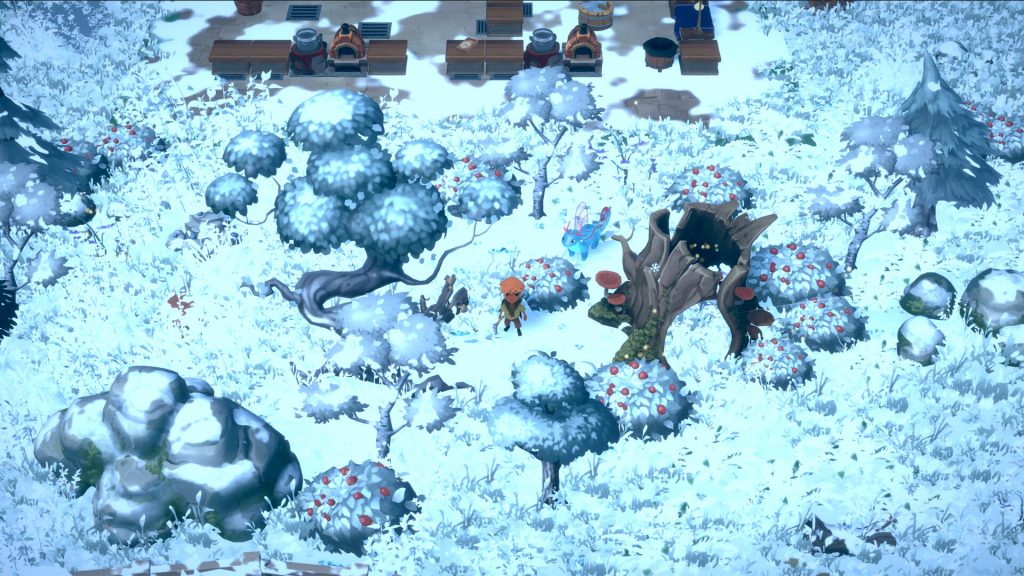
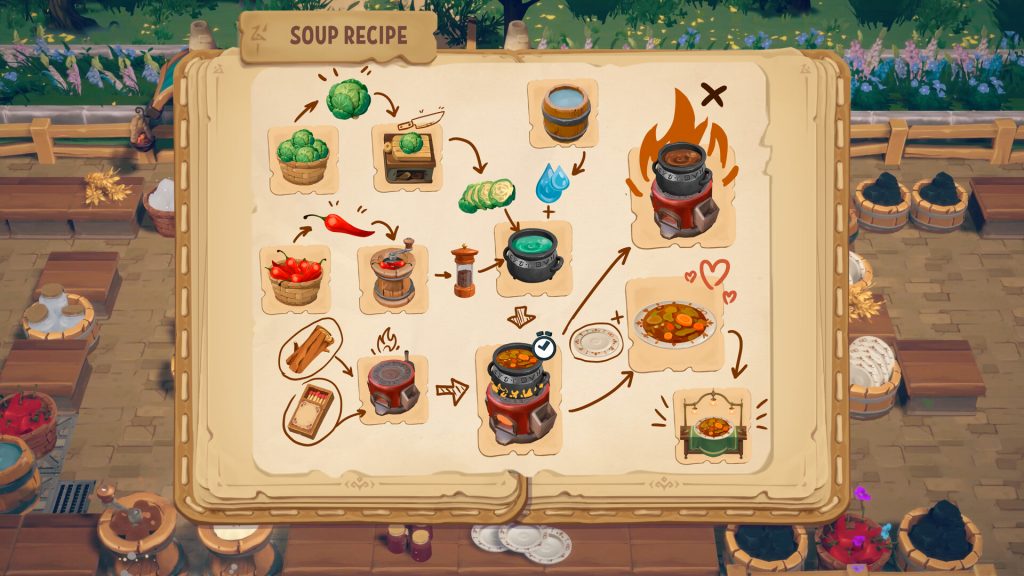
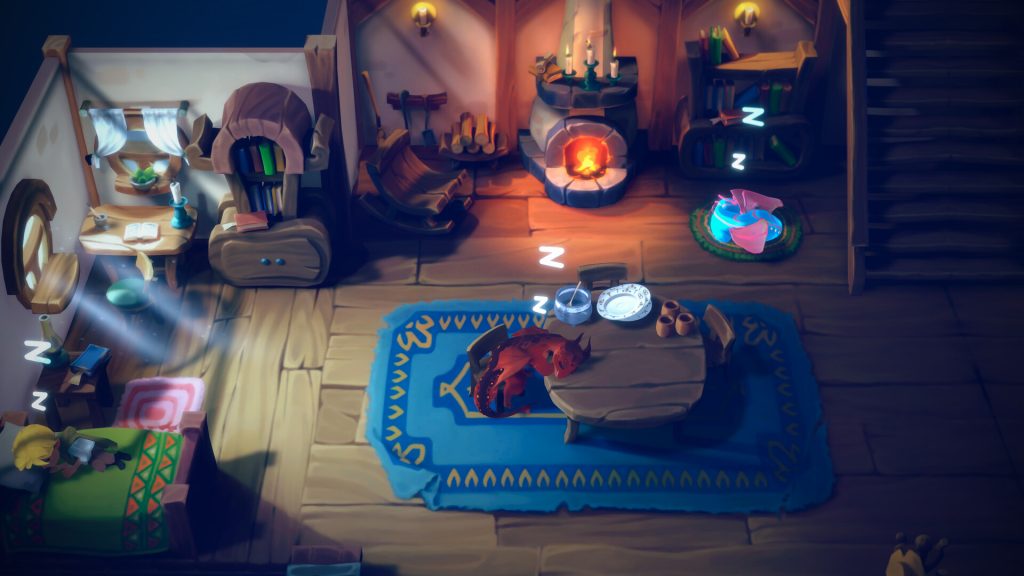
Players restore the inherited farm, talk with and befriend village residents, complete their requests, and build relationships partly by cooking dishes to give as gifts. Farming, animal husbandry, and resource gathering form the mechanical spine; seasonal farming cycles, festivals, and village events give the calendar its rhythm. Dragon companions are the game’s specific differentiator — each element does something distinct and genuinely useful: watering crops, burning away weeds, tending soil, and other tasks tied to their elemental identity. Ability access scales with the trust built between player and dragon, so the companions aren’t decorative — they’re functional tools that improve as the relationship deepens.
What Launched Well
Game Director Oleg Babenko’s own framing: “The process of making Dragon Shelter was itself a magical experience — we hope players enjoy the adventure of building, restoring, and healing a world alongside their dragon companions.” Curve Games VP of Publishing Richie Kean echoed this, specifically citing the dragon bonds formed while farming, cooking, crafting, and exploring as the game’s memorable core.
That framing landed initially: as of September 25, roughly 50 reviews sat at 96% positive, the game reached the top 3 on Steam’s charts, and reports noted concurrent players exceeding 400 — a strong opening signal for a mid-scale cozy farm sim. Dragon designs and their farming/cooking utility were specifically praised in this early window.
What Happened Next — An Honest Account
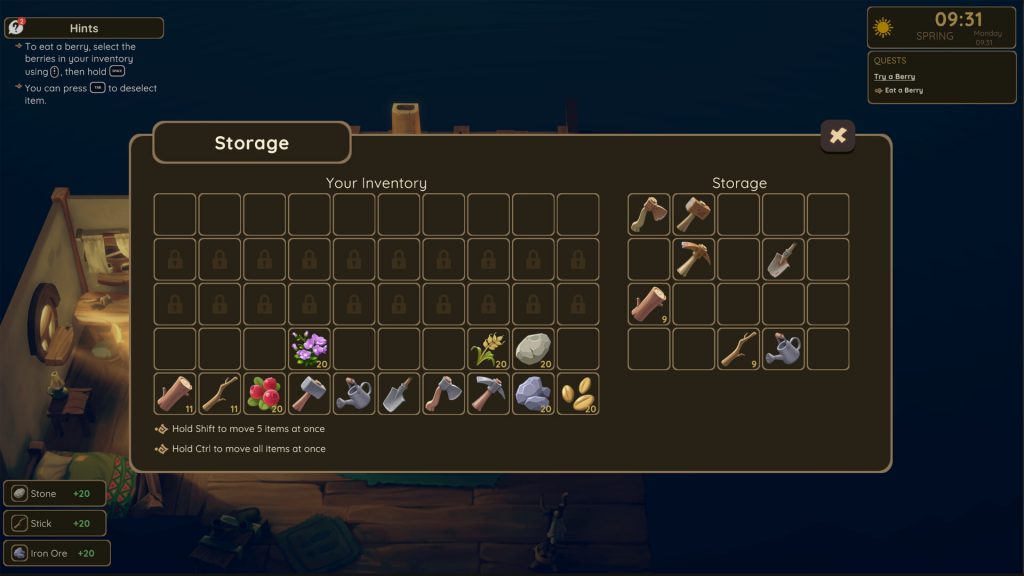
The rating has since settled to Mostly Positive at 74% across 135 reviews, and the specific complaints driving that shift are worth stating plainly rather than glossing over: players have flagged the absence of an in-game map, an awkward menu system, and an early game overloaded with delivery-style fetch quests. These are polish-and-pacing issues rather than fundamental design failures — the dragon system and core farming loop remain the parts drawing praise — but the gap between the 96% early figure and the 74% current figure is real, and it reflects a broader player base encountering friction that the initial enthusiast wave either didn’t hit as hard or was more forgiving of.
This is worth reading as the standard pattern for a cozy sim’s first weeks: an initial wave of highly-motivated wishlisters and demo veterans rates generously, and as a wider audience arrives, specific UX gaps get surfaced and pull the aggregate down. Whether Wild Forest Studio addresses the map and menu complaints through post-launch patches will determine whether the rating recovers or settles at Mostly Positive.
Who This Is For
Strong fit for: cozy farm sim fans who specifically want companion creatures with functional, evolving farm utility rather than purely cosmetic pets; players who enjoy village relationship-building through cooking and gift-giving; fans of elemental-creature mechanics layered onto Stardew Valley-adjacent farming loops; players willing to work through early UX friction (no map, awkward menus) for a game whose core systems are already landing well.
Cautious fit for: players who specifically need in-game navigation aids before buying; anyone sensitive to heavy early-game fetch-quest density; players who want the rating to stabilize further before purchasing.
Less ideal for: players who dislike farm simulation mechanics regardless of the dragon hook; anyone seeking combat-focused fantasy gameplay; players wanting a fully polished launch state without early patches still pending.
The Takeaway
Dragon Shelter opened strong — 96% positive, top 3 on Steam’s charts, 400+ concurrent players — on the strength of its central hook: elemental dragons who become genuine farming and village-restoration partners as trust builds between player and companion. The subsequent settle to 74% Mostly Positive reflects specific, fixable friction points (no map, clunky menus, early fetch-quest overload) rather than a rejection of the core concept, which continues to draw praise for the dragon designs and their functional farm utility.
The farm is being restored. The village is slowly waking up. And the four dragons — fire, water, earth, electric — are exactly as good a hook as the early numbers suggested, even if finding your way around the map they’re helping you rebuild currently takes more patience than it should.
Available now on Steam.
[Related Article: Healing Farm with Dragons, ‘Dragon Shelter’ Demo to be Released in June]