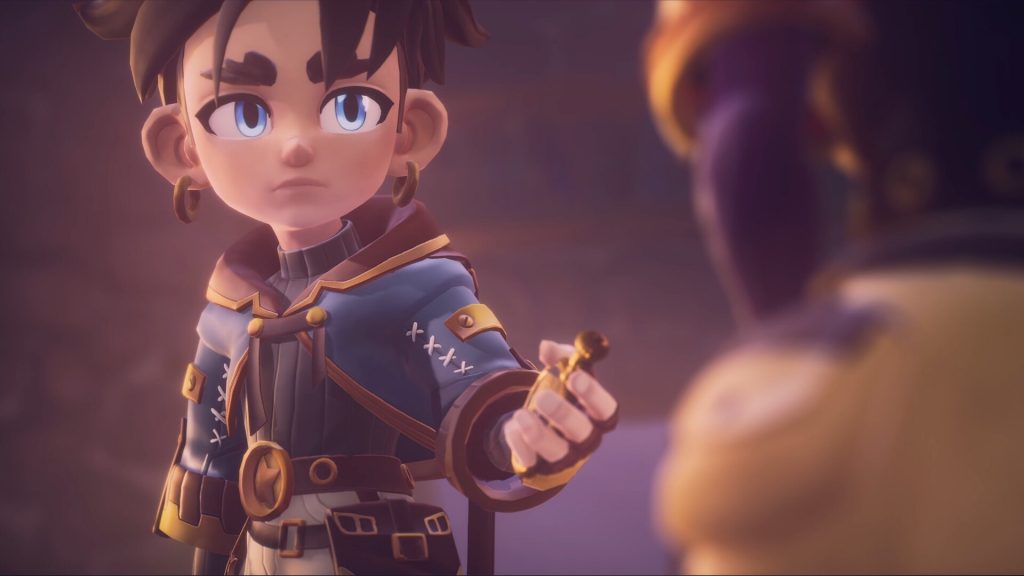
The world has been locked in permanent night. A boy named Zirian takes up Minutero — a clockwork sword whose design recalls a clock hand — and sets out with his mechanical companion Cuckoo to unwind time itself and restore the light. The ancient secrets of the great clockmakers, scattered across enchanted forests, sunken kingdoms, and sun-drenched dunes, are the keys to what Despair has locked away.
Duskfade from Spain’s Weird Beluga (published by Fireshine Games, whose catalog includes Core Keeper, Shadows of Doubt, and Len’s Island) arrived August 13 on PC, PS5, Xbox Series X|S, and Nintendo Switch 2. The 89% Very Positive Steam rating from 299 reviews confirms the game is finding its audience — the specific audience that GameSpot identified when they called the demo “the closest thing we’ve had to a proper spiritual successor to Jak and Daxter” that fans of the PS2-era platformer have been waiting for.
The Clockpunk Setting
Clockpunk as an aesthetic draws from the same alternate-history well as steampunk — industrial-era materials and mechanisms elevated to speculative technology — but with a different mechanical metaphor. Where steampunk centers on steam pressure and coal, clockpunk centers on clockwork: gears, springs, escapements, the specific visible mechanics of timekeeping translated into architecture, weaponry, and world design.
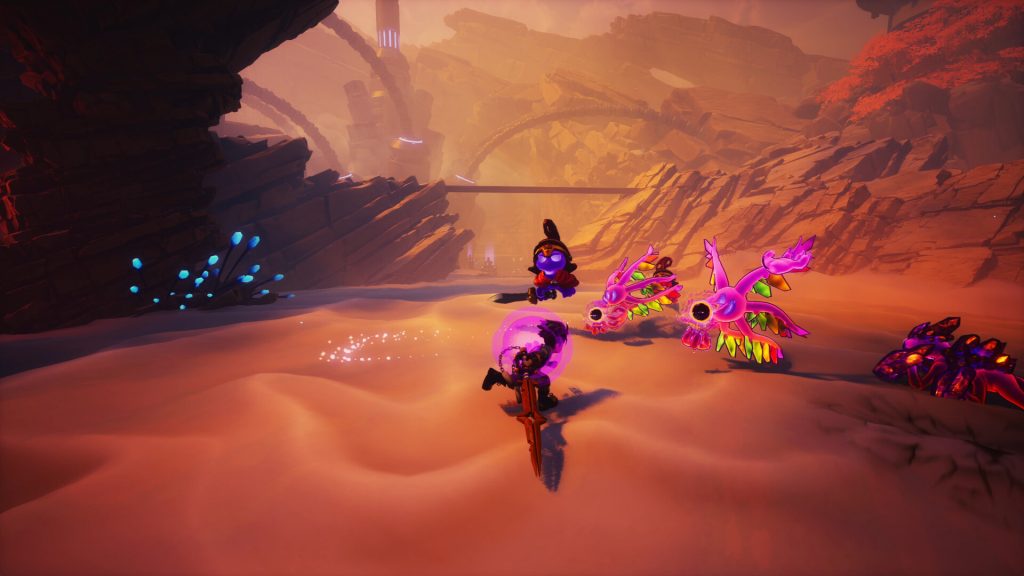
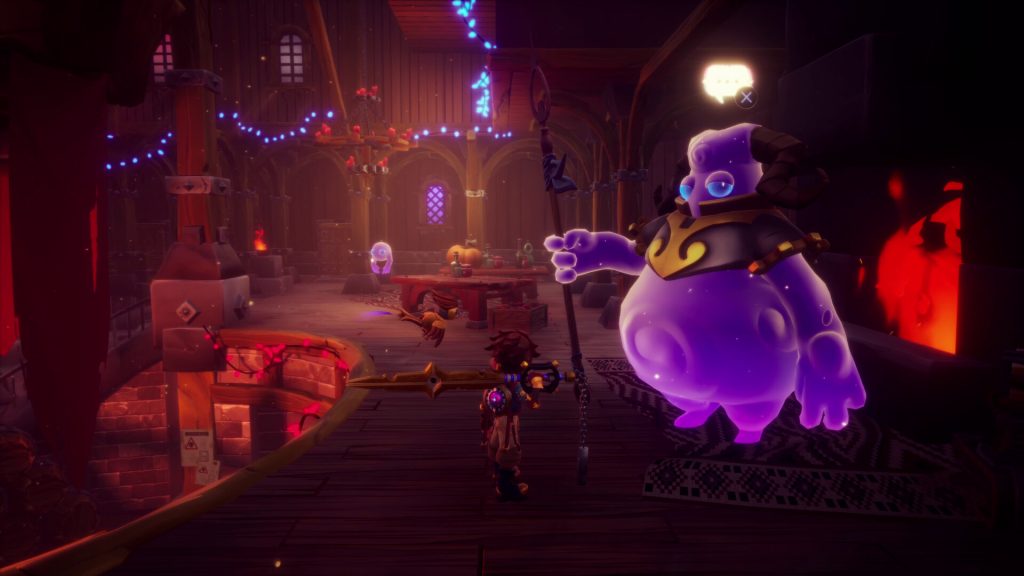
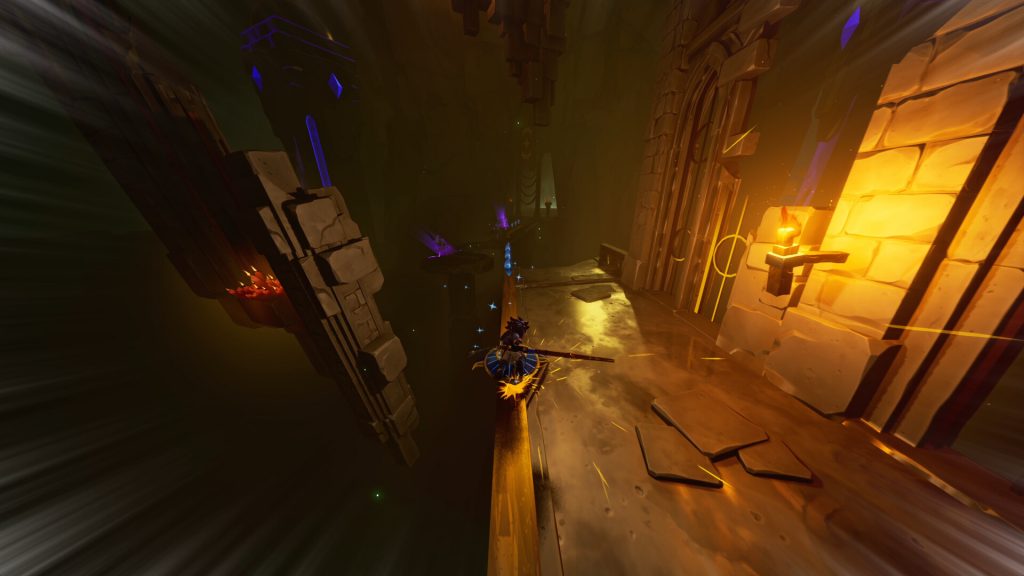
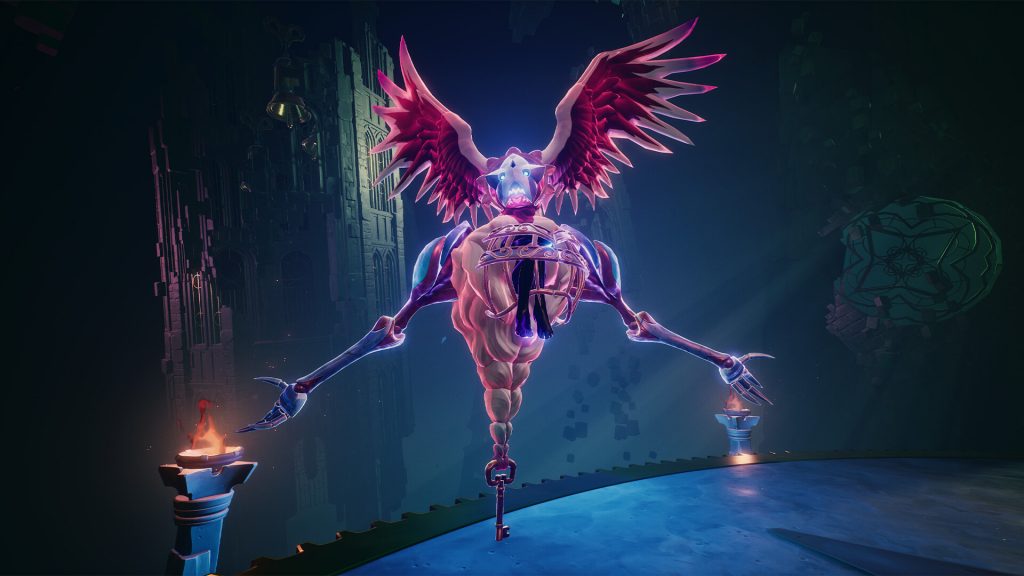
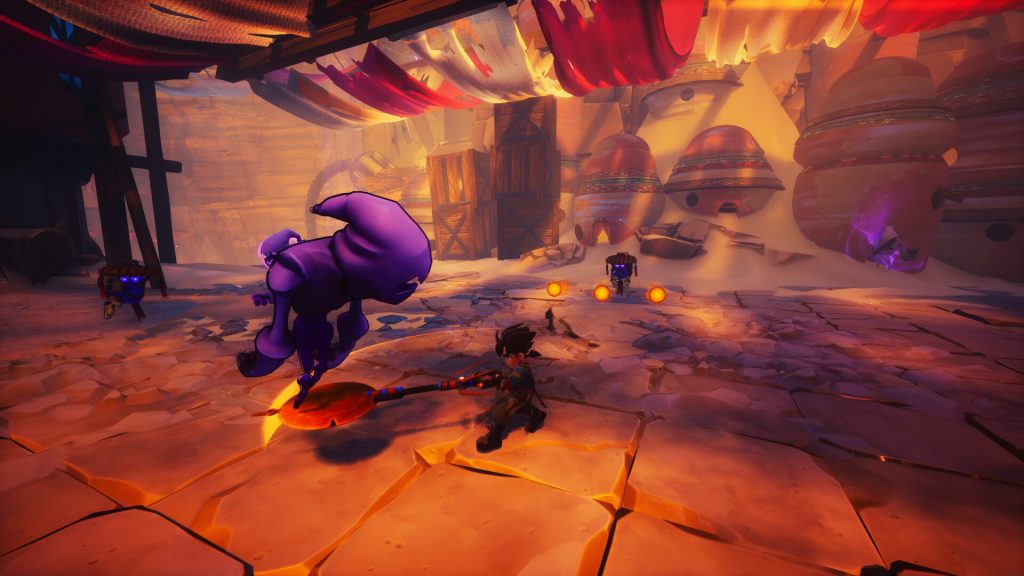
Duskfade‘s execution of this — rusted mechanical devices, ticking clocks, surrealistic structures — achieves the distinctive visual identity that the aesthetic promises when it’s done well. The world looks like something that was precisely engineered by an ancient civilization and is now partially decayed, the mechanisms still running but the civilization gone. The environmental contrast between the different zones — enchanted forest, sunken kingdom, sun-drenched dunes — provides visual variety while maintaining the clockpunk aesthetic coherence through each environment’s integration of mechanical elements into natural settings.
The soundtrack supports this through regional contrast: synthesized, mechanically rhythmic music in sections that emphasize the clockwork, orchestral richness in sections that emphasize the fantastical. The thematic consistency between visual and audio design — both tracking the world’s dual nature of mechanical precision and surrealistic wonder — is what distinguishes committed world-building from assembled genre parts.
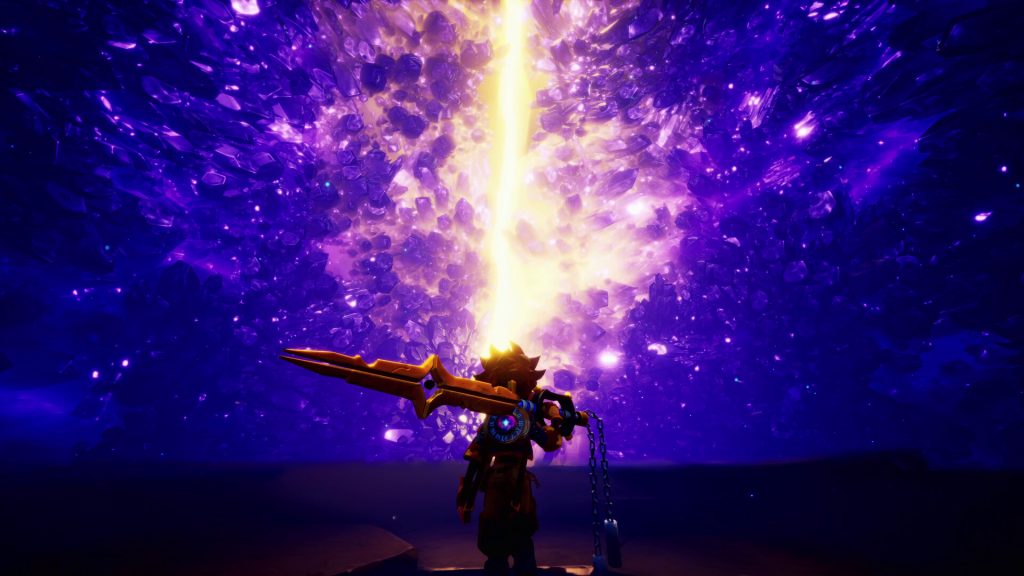
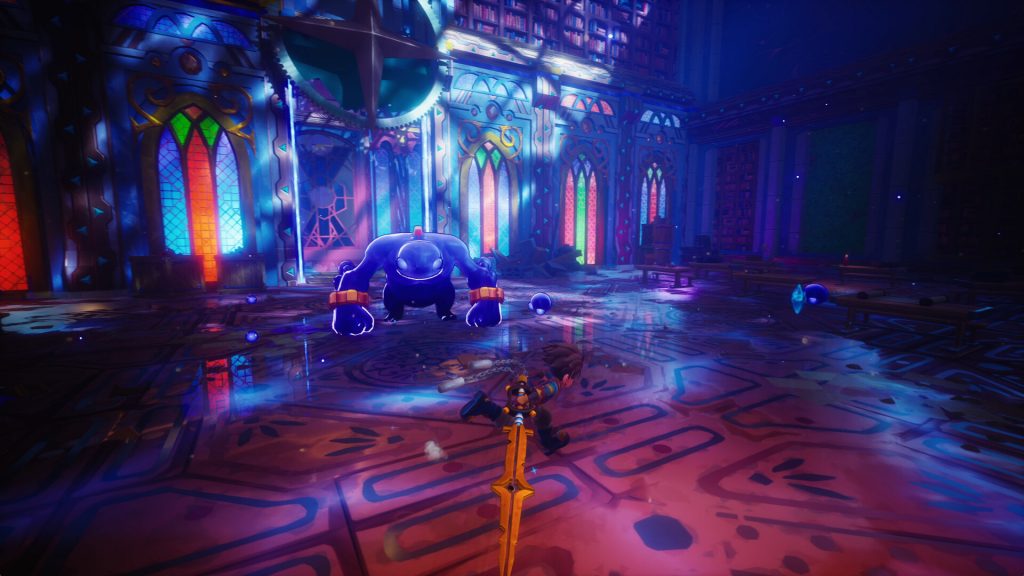
One consistent critical note: the bloom lighting effect applied across the visual presentation reads as excessive to some reviewers. Bloom can enhance the sense of light quality that a world in permanent night lit by clockwork luminescence should have, but too much flattens the visual detail that the art design is communicating. Whether players find the bloom enhances the atmosphere or obscures it is a matter of visual preference, though the consistency of the observation across reviewers suggests it’s noticeable.
The Platforming Systems
The platforming is where Duskfade‘s highest praise concentrates. Jumping, grinding, grappling, and hanging across Duskfade‘s environments produce the specific kinetic satisfaction that the PS2-era platformers — Jak and Daxter, Ratchet & Clank, Sly Cooper — established as their defining quality. The Sixth Axis specifically praised the expanded movement system: the grappling hook and grind mechanics that develop across the game give Zirian a movement vocabulary that becomes increasingly expressive as the player masters the capabilities.
The progression from basic traversal to full movement system mastery is the 3D platformer’s core design arc, and Duskfade appears to execute it with the appropriate escalation. New areas introduce new challenges that require combining the movement tools in ways that weren’t required before; the platforming difficulty curve pushes players toward using the full vocabulary rather than finding minimal-effort routes.
The hidden secrets off the main path are the exploration reward layer that gives thoroughness value beyond the completionist audience. A 15-16 hour main path with additional content available for players who explore creates a game that can be experienced at different depths depending on engagement.
The Combat Limitations
The praise for platforming is balanced by consistent criticism of combat. “Somewhat bland,” “stiff movement feel,” “inconsistent lock-on system” — these are the specific quality gaps that the reviews identify, and they point toward a game whose two primary components are not equally polished.
This is not an unusual situation for 3D platformers, whose lineage includes many titles where the traversal was exceptional and the combat was functional. Jak and Daxter itself had action elements that the traversal consistently outshone. The question for Duskfade is whether the combat appears frequently enough and is mechanically demanding enough that its limitations consistently undercut the experience, or whether the platforming’s quality carries the game through the sections where combat quality would matter more.
The 89% Steam rating from players who have experienced both the platforming and the combat suggests the former rather than the latter — the overall impression is positive despite the combat reservations. Players appear to be absorbing the combat as a serviceable functional element alongside genuinely excellent platforming rather than experiencing it as a fundamental failure of the game.
The Weird Beluga Trajectory
Clid the Snail — Weird Beluga’s debut — was a top-down shooter that earned PlayStation Talents recognition in 2019 and found its commercial release through Koch Media in 2021. The shift from a top-down shooter to a full 3D action platformer is a significant scope expansion for a small team, representing both different technical requirements and different design expertise.
The specific choice to pursue the 3D platformer genre — notoriously difficult to execute well, with a legacy of PS2-era excellence that sets audience expectations precisely and mercilessly — reflects genuine creative ambition. A studio that has won awards with one project and then pivots to a significantly more challenging project format is betting that the craft they’ve demonstrated translates.
The 89% Steam rating and the international press response suggest that bet is largely paying off. The platforming quality that the game earns its highest praise for is not the easy part of 3D platformer development; it’s the part that most attempted spiritual successors get wrong. Getting it right while arriving at a first release in the format is the specific achievement that the Jak & Daxter comparisons are recognizing.
Who Is This For
Strong fit for: 3D platformer enthusiasts who grew up with PS2-era games (Jak and Daxter, Ratchet & Clank, Kingdom Hearts visual and mechanical references) and have been waiting for a genuine spiritual successor that captures that era’s traversal feel; clockpunk and steampunk aesthetic fans who want the setting applied to platform action rather than RPG or strategy; players who prioritize movement feel in action games and are willing to tolerate functional-but-unremarkable combat; Nintendo Switch 2 players who want a platformer that makes use of the platform.
Cautious fit for: action game players who want combat quality to match platforming quality; players who find bloom lighting effects immersion-breaking rather than atmosphere-enhancing; players expecting a complete challenge throughout rather than front-loaded platforming excellence.
Less ideal for: players who dislike 3D platformers; anyone seeking open-world design rather than structured linear platforming with exploration rewards; players wanting multiplayer options.
The Takeaway
Duskfade is a 3D clockpunk platformer that earns its Jak and Daxter spiritual successor comparisons through genuinely excellent traversal design — the movement vocabulary, its escalating complexity across 15-16 hours, and its kinetic expression in the clockwork environments together produce the specific satisfaction that the PS2 platformer era established as the genre’s quality ceiling. The combat doesn’t reach the same level, and the bloom lighting is more aggressive than some players will prefer. But the 89% Steam rating from nearly 300 reviews reflects a game that is delivering what it promises to players who want what it’s offering.
Weird Beluga’s second game took on one of indie game development’s most demanding challenges — capturing the feel of a beloved game era rather than just its aesthetics — and landed it. That’s worth recognizing alongside the limitations.
The permanent night has an end. Minutero is ready. Cuckoo is waiting. And the clockwork world’s ancient secrets are distributed across zones that, at their traversal best, feel like what a Jak and Daxter fan has been looking for since 2004.
Available now on Steam, PS5, Xbox Series X|S, and Nintendo Switch 2.
Information regarding ‘ Duskfade ‘
| item | detail |
|---|---|
| Developer | Weird Beluga |
| Publisher | Fireshine Games |
| Genre | 3D Action Platformer, Adventure |
| platform | PC (Steam), PlayStation 5, Xbox Series X|S, Nintendo Switch 2 |
| Release date | August 13, 2026 |
| price | 29.99 Euros (Limited 20% discount to celebrate Steam launch) |
| Playtime | Approximately 15~16 hours (based on clearing) |
| Reactions/Evaluations | Steam ‘Very Positive’ (89% positive out of 299 reviews), 91% positive out of 574 demo reviews |
| Steam Page | Shortcut |