A pinball, a beat-’em-up, and a roguelite walk into an arcade. The result is Furyball: Rogue Revenge, which its developer Rebound calls a “Rogue Beat-‘Em Ball” — a genre label they invented because the genre they’re occupying didn’t have a name yet.
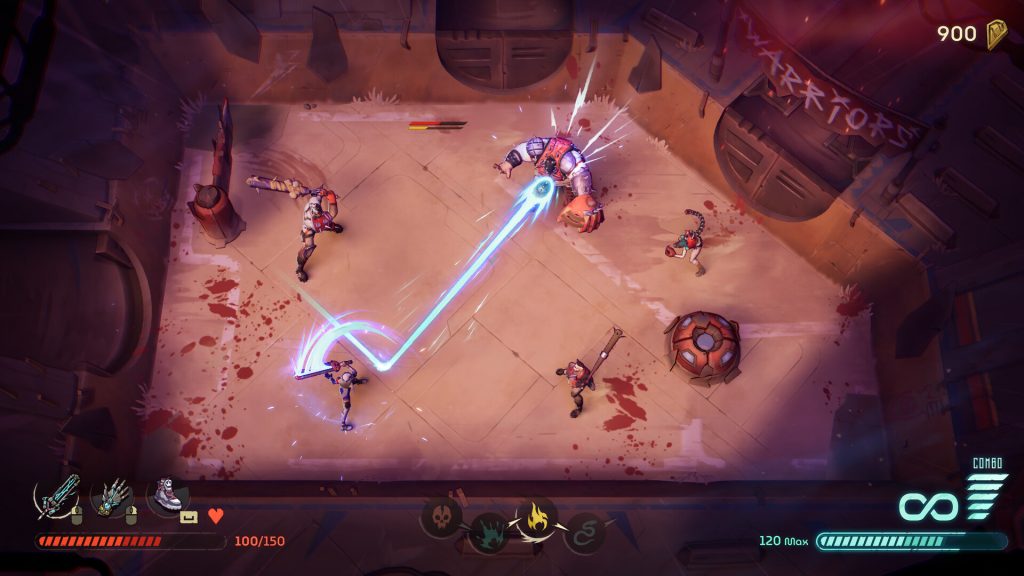
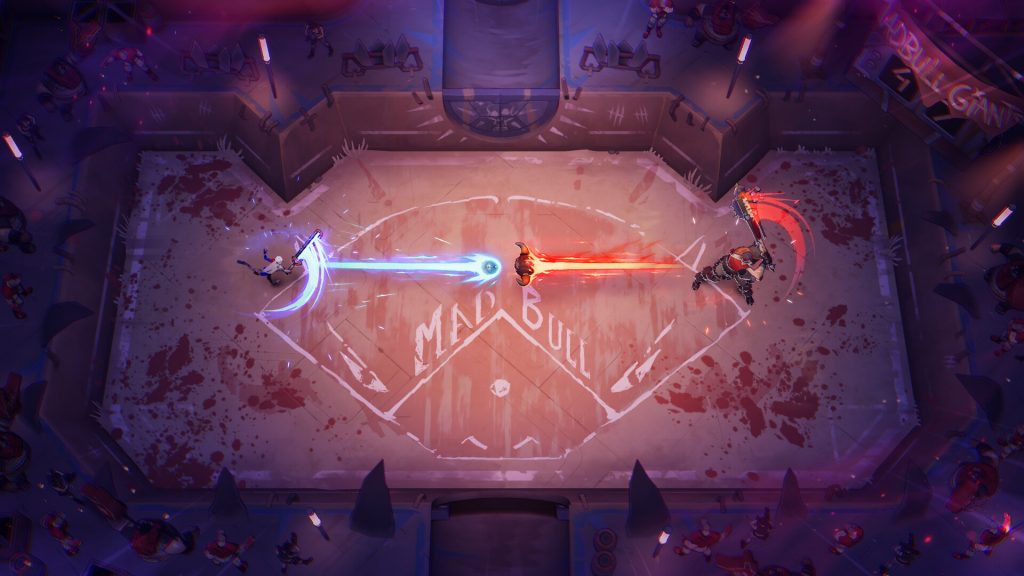
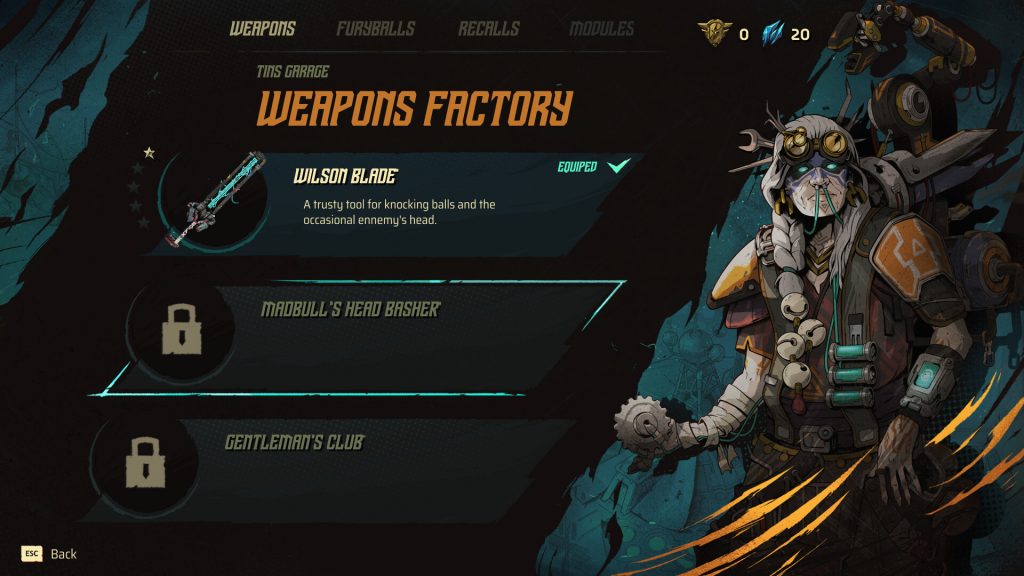
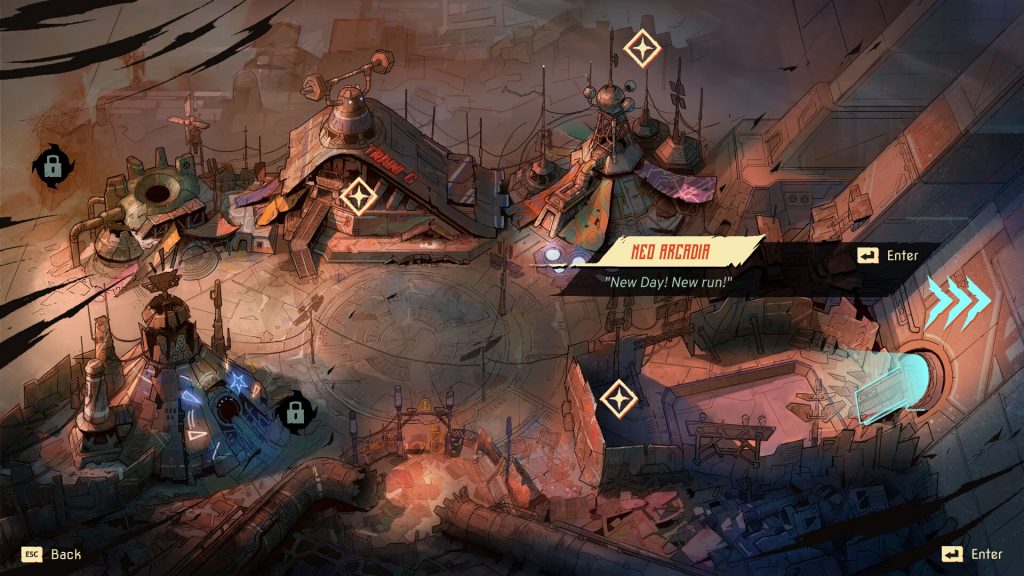
The concept is immediate: Furyball is both the weapon and the ball. Protagonist Azami moves through the dystopian fortress city Neo Arcadia, fighting the powerful gangs that control it by bouncing the Furyball off walls, environmental hazards, traps, and enemies in chains of pinball-style ricochets — except the ball is also a fist, and the physics is also a beat-’em-up, and the runs build toward a roguelite power escalation.
Rebound is a French studio better known for sports management games — the Tennis Manager series and development collaboration on TopSpin 2K25. The creative DNA connecting rackets and balls to Furyball is legible once you see it: a studio that has spent years thinking about the physics of ball trajectories is making a game where understanding ball trajectories is the core skill. The genre has completely changed; the underlying design preoccupation has not.
[Related Article: Steam Demo Released for ‘Furyball: Rogue Revenge,’ Neon Wasteland Action with Fist of the North Star Vibes]
[Related Article: ‘Furyball: Rogue Revenge’ Unveiled, Capturing the Sensibilities of Akira and Fist of the North Star]
The Rebound Combat System
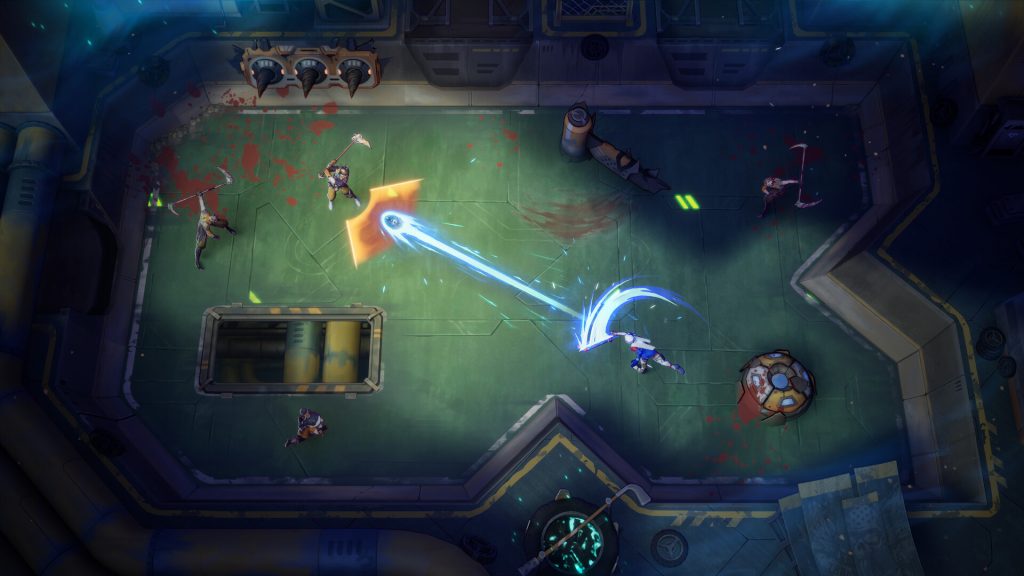
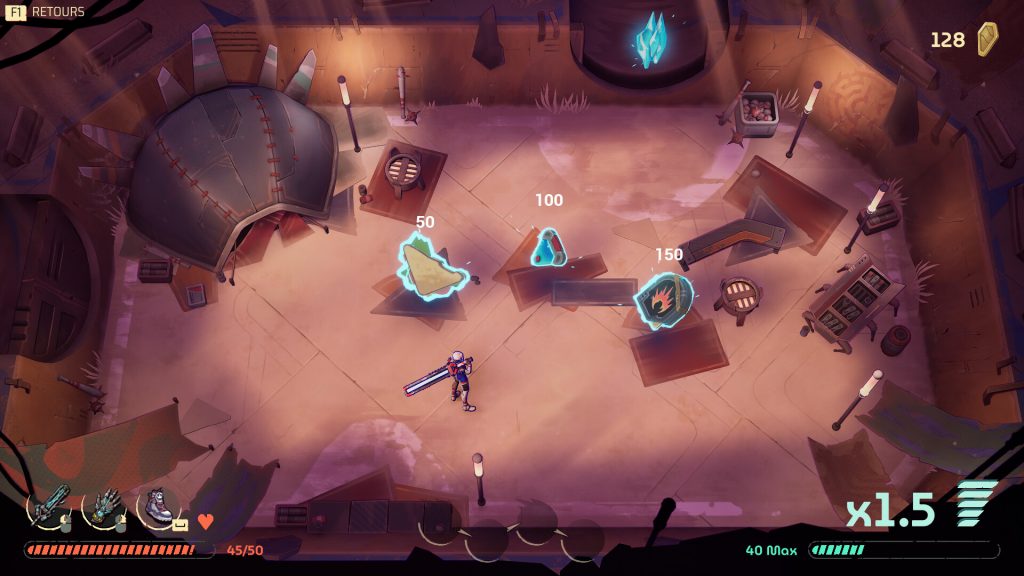
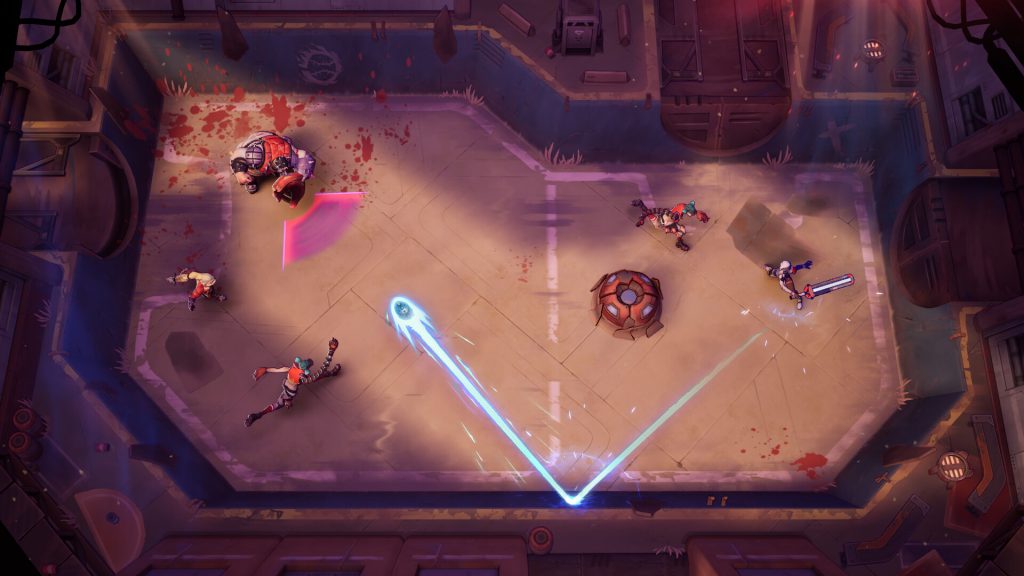
The Furyball mechanic operates on the specific satisfaction that pinball games and billiards games both tap: the pleasure of calculated trajectories. You aim not at the enemy directly but at the surface that will redirect the ball into the enemy, or the sequence of surfaces that will chain the ball through multiple enemies in one shot, or the trap that will amplify the ball’s damage when it passes through before hitting the target.
This is a fundamentally different cognitive engagement from direct attack combat. Direct attacks require reading the enemy and responding — reactive skill expression. Rebound attacks require reading the environment and planning the trajectory — spatial puzzle solving under action game time pressure. The combination is the game’s specific creative space.
The combo chain system rewards planning: consecutive hits that extend the rebound chain accumulate damage multipliers, which make the difference between a well-planned trajectory and an improvised one commercially significant. The player who bounces the Furyball through three enemies via two walls doesn’t just hit more targets — they hit harder across all of them.
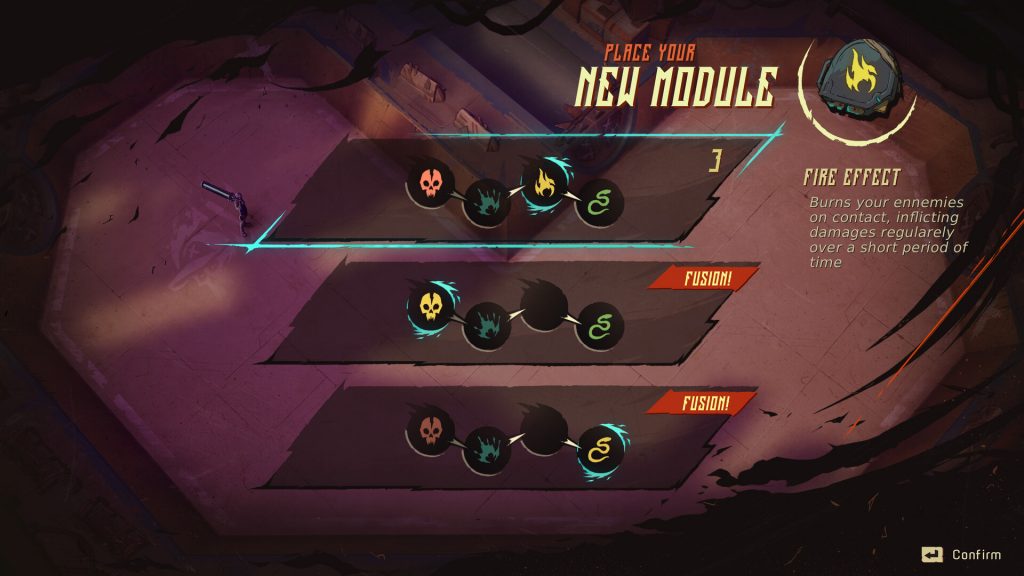
The roguelite upgrade system gives repeated runs the build variety that sustains the genre’s replayability. Which upgrades appear, in what order, create the specific run identity that makes one session of Furyball feel different from the next — different physics interactions unlocked, different combo possibilities opened.
The Studio’s Genre Pivot
Rebound’s Tennis Manager series is a management simulation — statistical, strategic, not physically kinetic. TopSpin 2K25‘s development collaboration involved physics-based tennis gameplay. Furyball is full of action with a roguelite structure.
This trajectory makes sense as a studio evolution: management game → physics simulation involvement → physics-based action game built on the ball trajectory intuitions that both previous contexts developed. The genre has changed completely; the specific physical understanding the studio has accumulated is directly applicable.
The Fist of the North Star and Akira aesthetic referenced in the game’s visual direction — a neon wasteland post-apocalypse with a distinct manga-and-anime brutalist design — gives the game a visual identity that the tennis management background wouldn’t predict. The aesthetic is reaching toward a different gaming culture than Rebound’s previous work, which is where the game’s ambition is visible beyond the mechanical design.
The Early Access Commitment
Game Director Antoine Papot’s framing of Early Access is worth noting directly: “Early Access is not just a launch; it’s the beginning of a new stage of building the game with the community.” The planned post-launch content additions — new gangs, new bosses, expanded build options — are described as community-feedback-responsive rather than predetermined, which is the Early Access model’s promise stated explicitly.
The 91% demo rating from the previously released Steam demo provides the quality baseline that makes this commitment credible: the core Furyball combat mechanic has already been evaluated at scale and found satisfying by the players who tried it. The Early Access is expanding content around a validated core, not beta-testing an unconfirmed mechanic.
The Toxic Avenger soundtrack — a French electro artist whose music has appeared in films and media — provides the sonic register that the neon wasteland aesthetic requires: the specific kind of propulsive electronic music that makes a ball bouncing through an enemy-filled arena feel like exactly the right music for bouncing a ball through an enemy-filled arena.
Who This Is For
Strong fit for: roguelite action fans who specifically want physics-based trajectory combat over direct attack systems; pinball enthusiasts who want the trajectory skill applied to action combat rather than passive scoring; Hotline Miami fans who want the arena-clearance satisfaction through ball mechanics rather than shooting; players who appreciated the demo and want the full Early Access content expansion; fans of neon dystopian Akira-adjacent aesthetics in their action games.
Cautious fit for: action game players who specifically prefer direct attack combat over trajectory planning; players who want content completion before Early Access purchase; anyone who needs the full roadmap confirmed before investing.
Less ideal for: players who dislike physics-based mechanics; anyone wanting cooperative or multiplayer options; players seeking narrative depth alongside the arcade action.
The Takeaway
Furyball: Rogue Revenge is a French sports management studio’s genre pivot into action roguelite territory, built on the ball trajectory intuitions their previous work developed, with a 91% positive demo validating that the Furyball mechanic lands as intended. The “Rogue Beat-‘Em Ball” genre label is a joke with a real design inside it: pinball physics, beat-’em-up targets, roguelite escalation, and a neon manga wasteland aesthetic that reaches for something none of those three genres individually provides.
September 23. $14.99, 34% launch discount for two weeks. The Furyball is ready. Neo Arcadia’s gangs are between Azami and the Furydome. The walls will redirect what the aim sets in motion.
Information regarding ‘Furyball: Rogue Revenge’
| item | detail |
|---|---|
| Developer | Rebound |
| Genre | Action Roguelite, Pinball Action |
| platform | PC (Steam) |
| Release date | Early Access release on September 23, 2026 |
| price | $14.99/Euro |
| Launch Discount | 34% discount for 2 weeks after launch |
| Key Features | Rebound-based combat, pinball elements, roguelike build system |
| Steam Demo | 91% positive user rating |
| Soundtrack | Participation in The Toxic Avenger |
| Official website | Shortcut |
| Steam Page | Shortcut |